
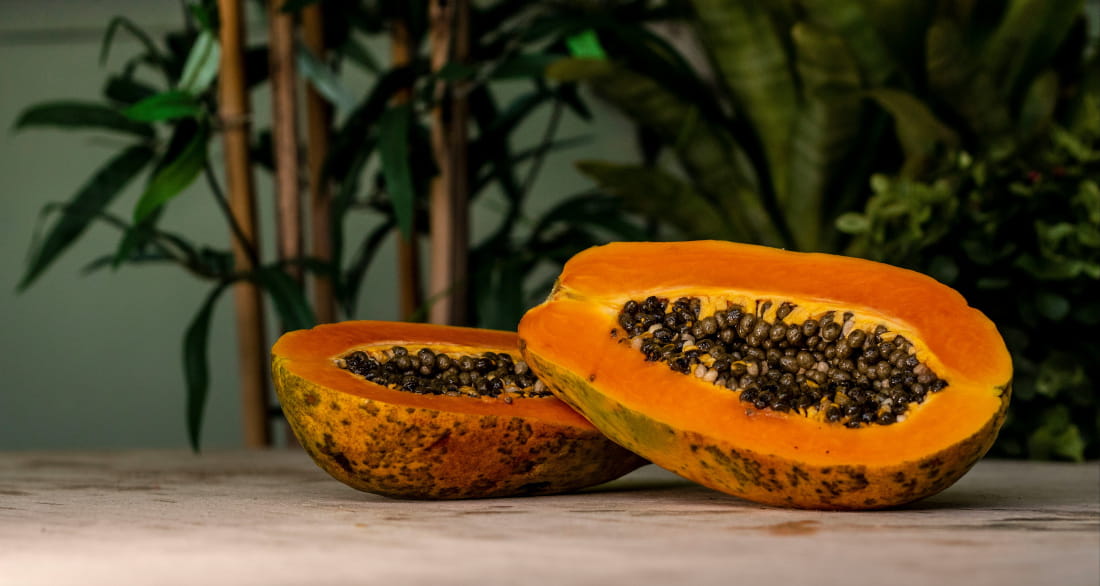
Fig. 1: The enzyme papain found in papaya can help relieve various organs in cases of histamine intolerance.
Allergies, heart palpitations, panic attacks or skin rashes shape the lives of people who suffer from histamine intolerance. Symptoms are often not clear-cut, and diagnosis is therefore not straightforward. As a result, histamine intolerance often goes undetected for decades — much to the distress of those affected. Histamine, a tissue hormone, is present almost everywhere in the body and governs inflammatory responses to help the immune system break down disease-causing and harmful substances.
Histamine intolerance occurs when either too much histamine is ingested or the breakdown of histamine by the enzymes diamine oxidase (DAO) and histamine-N-methyltransferase (HNMT) does not function properly.
Which dietary supplements are suitable for histamine intolerance? Read more about this in this article.
1. Quercetin
Quercetin is regarded as one of the most important supporters in histamine intolerance. It is a compound found in many fruits and vegetables such as apples, citrus fruits, berries and onions. Quercetin plays a significant role as a micronutrient in supporting immune function and can also help reduce histamine by inhibiting the release of stored histamine from mast cells. The effects of quercetin are diverse:
- Quercetin reduces inflammatory mediators and cytokines associated with IgE and anti-IgE antibodies and thus lessens allergic reactions.
- Quercetin has anti-inflammatory effects.
- It inhibits the release of histamine, a hormone that plays a central role in allergic reactions. [1]
- Quercetin promotes the uptake of vitamin C. [2]
2. Vitamin C
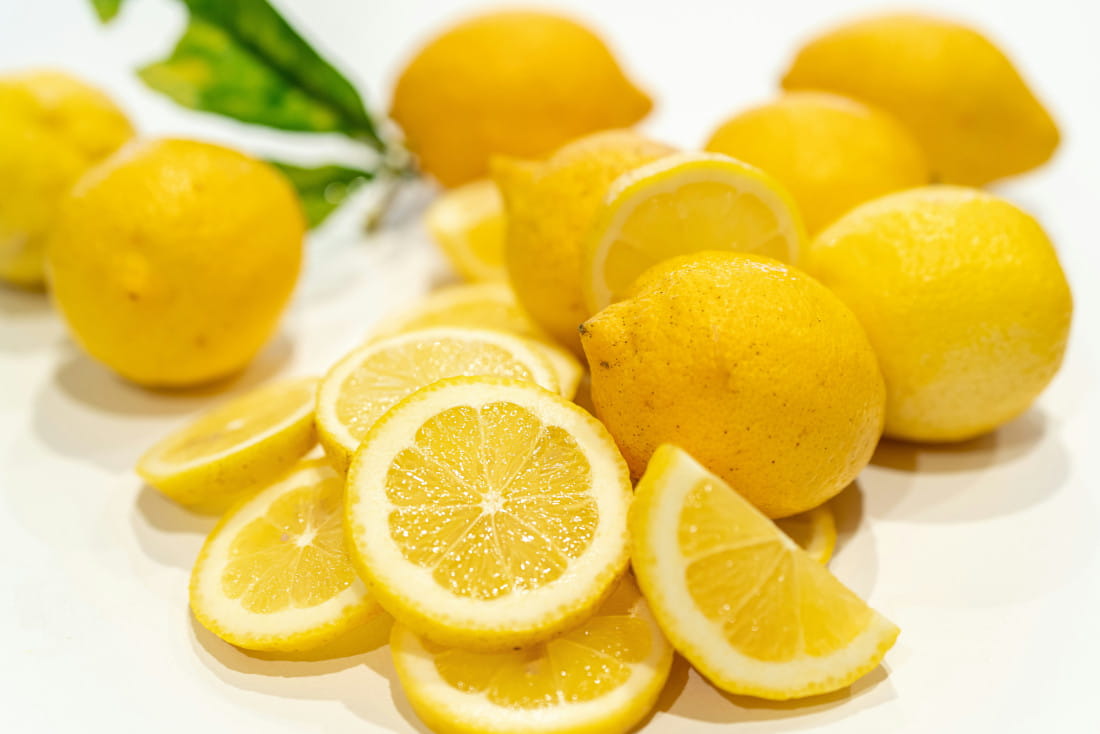
Fig. 2: Citrus fruits contain vitamin C, but caution is advised with histamine intolerance.
One vitamin that can help with histamine intolerance is vitamin C. Studies show that it promotes the breakdown of histamine by stimulating the activity of diamine oxidase (DAO). [3] It can therefore be taken daily in higher doses. Ideally, vitamin C should come from fresh foods or from natural vitamin C-rich supplements such as acerola cherry or sea buckthorn.
Caution! Citrus fruits are not recommended for histamine intolerance because of their content of biogenic amines, as they can worsen symptoms.
3. Vitamin B6
Vitamin B6 plays a crucial role in the breakdown of histamine. This vitamin is extremely versatile and influences more bodily functions than any other vitamin. Among other roles it is involved in liver detoxification, including the breakdown of histamine, and also regulates inflammatory processes. [4] Vitamin B6 acts as a cofactor for various enzymes in the body, including diamine oxidase (DAO). If vitamin B6 is lacking, DAO cannot function properly and histamine cannot be broken down efficiently.
4. Magnesium
A magnesium deficiency can lead to increased release of histamine in the body. Magnesium is also necessary for the functionality of diamine oxidase (DAO). A magnesium deficit can furthermore increase the body's propensity for allergic reactions and can therefore be seen as an aggravating factor in histamine intolerance. [5]
5. MSM - the organic sulphur
Methylsulfonylmethane (MSM) is a sulphur-containing organic compound that occurs naturally in plants, animals, humans and even in the atmosphere over marine areas. MSM inhibits histamine release at least as effectively as conventional antihistamines. The biologist Dr Jörg Conradi, who has worked with the treasures of traditional folk medicine for around 20 years, describes in his book that MSM suppresses chronic pain and inflammation. [6]
6. Enzymes
The use of enzymes such as papain from the papaya fruit can improve nutritional status in histamine intolerance and relieve various organs such as the gut, the liver, the gallbladder and the pancreas. Enzymes are particularly important for gastrointestinal complaints as well as for histamine intolerance. [7]
Among the most popular digestive enzymes are papain from papaya and bromelain from pineapple.
7. Ginger
Ginger is traditionally used against inflammation and digestive problems. At the same time it is a natural remedy for treating allergies, as the quercetin contained in ginger is a recognised antihistamine. [8] Some people experience relief from allergic symptoms such as a blocked nose or sneezing when taking ginger.
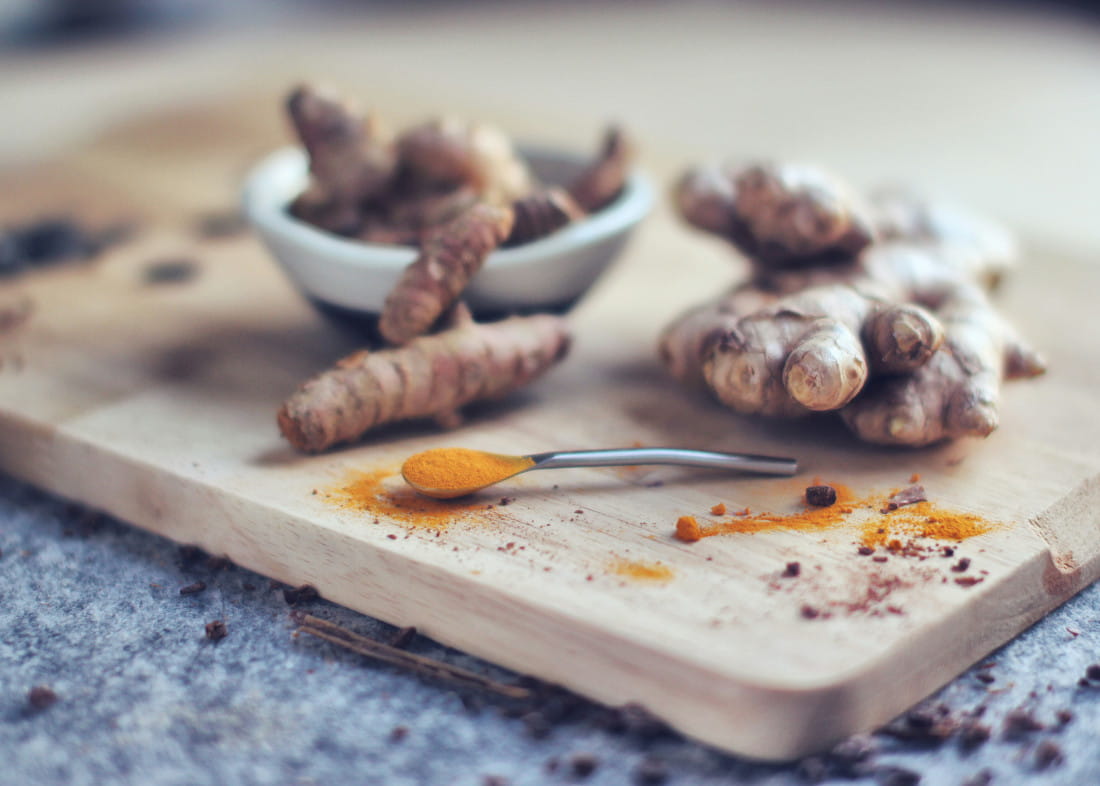
Fig. 3: Ginger is popular in combination with turmeric.
8. Ashwagandha
One of the main triggers for the release of histamine is stress. Under stress conditions histamine is released in greater amounts from mast cells. This leads to an increase in heart rate and a release of adrenaline. This in turn further intensifies the stress and often leads to a vicious circle.
Ashwagandha is an ancient medicinal herb from traditional Ayurvedic medicine. It is often referred to as an adaptogen, which means it can help the body cope with stress and bring it into balance without disturbing normal function. [9]
Ashwagandha is often used to reduce stress, improve sleep quality, support the immune system and promote physical and mental performance. There is evidence that ashwagandha may also have anti-inflammatory and antioxidant properties. [10]
Recommended books on the subject:
- Dr. Becky Campbell. Histamin-Intoleranz heilen
- Kyra und Sascha Kauffmann. Der Histamin-Irrtum
- Doris Fritzsche. Histamin-Intoleranz
- Daniela Mainzer. Rezepte bei Histamin-Intoleranz
Sources
[1] https://www.sciencedirect.com/science/article/pii/S1756464624001543
[2] https://www.dr-rath-foundation.org/2017/10/health-protective-effects-of-phytonutrients-quercetin/?lang=de
[3] https://link.springer.com/chapter/10.1007/978-1-4613-0325-1_10#page-1
[4] https://www.sciencedirect.com/science/article/pii/S0002916523280533
[5] https://europepmc.org/article/med/3111814
[6] https://www.narayana-verlag.de/Histamin-Intoleranz-heilen-Becky-Campbell/b28208
[7] http://nel.altamira.sk/userfiles/articlesnew/NEL340113A06.pdf
[8] https://www.botanik-bochum.de/jahrbuch/Pflanzenportraet_Zingiber_officinale.pdf
[9] https://www.ncbi.nlm.nih.gov/pmc/articles/PMC8762185/
[10] https://www.sciencedirect.com/science/article/abs/pii/S0975357512800538
Figure 1: Debora Cardenas/unsplash.com ; Figure 2: Aangs/shutterstock.com ; Figure 3: Julia Topp/unsplash.com
Disclaimer
If you suffer from the symptoms described, it is advisable to have a histamine test carried out by a doctor or laboratory of your choice. A detailed list of histamine-containing foods can be found, for example, in this study.
This article does not replace treatment by a qualified therapist. This article is based on studies and current literature. It must not be used for self-diagnosis or self-treatment. If necessary, discuss any ideas from this article with a therapist you trust.

