
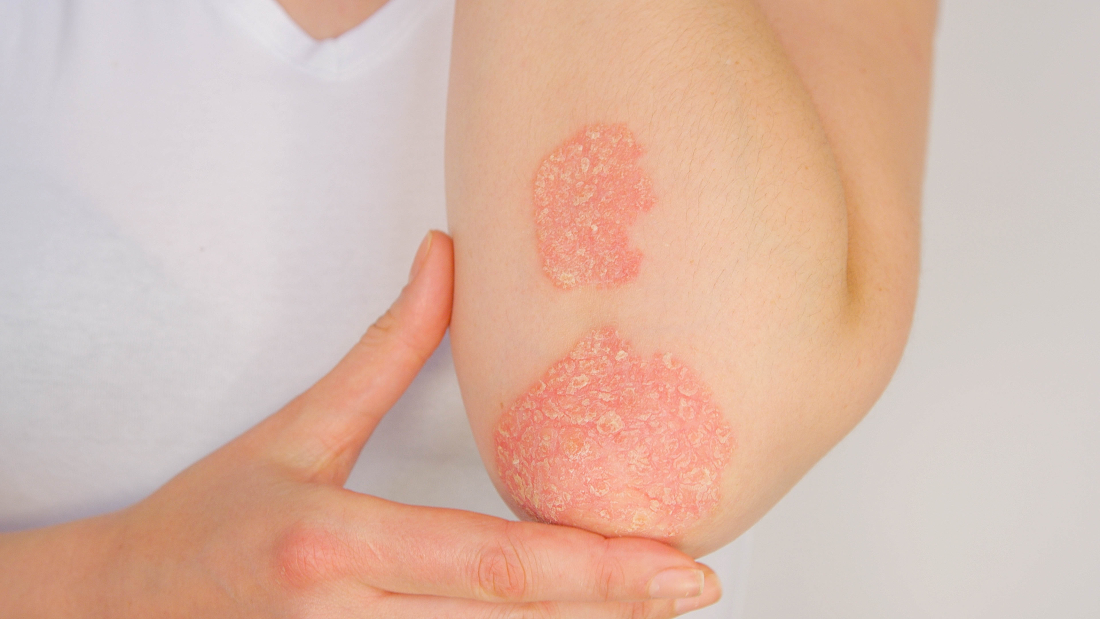
Fig. 1: Psoriasis commonly occurs on the elbows, knees, scalp and lower back.
Psoriasis is one of the chronic inflammatory skin diseases whose underlying cause, however, can be traced back to a misdirected immune reaction – a so‑called autoimmunity. In the case of psoriasis, the immune system attacks healthy skin cells, leading to excessive production of skin cells. The often very unpleasant skin changes can greatly reduce patients' quality of life and also be psychologically burdensome.
More than just superficial symptoms

Typical symptoms such as red, silvery‑scaly and usually very dry patches favour the elbows, knees, scalp and lower back. Psoriasis can also cause joint pain and swelling and, in some cases, be associated with other conditions such as diabetes, cardiovascular disease, obesity and depression.
A particular form of psoriasis is psoriatic arthritis (Arthritis psoriatica), which affects around one third of all people with psoriasis. In addition to the pathological changes in the skin, joint inflammation also occurs here, usually after a delay following the first flare‑up of skin symptoms. It typically takes years before patients with psoriasis notice pain and stiffness in the small joints (e.g. in the fingers), but the degenerative changes usually progress rapidly. Unlike rheumatoid arthritis, psoriatic arthritis is asymmetric, i.e. it usually affects only one side of the body.
Psoriasis – the facts
Psoriasis is a common disease affecting millions of people worldwide. According to the World Health Organization (WHO), around 2–3% of the global population suffer from psoriasis. In Germany this amounts to approximately 1.6 to 2.4 million people. Women and men are affected at roughly the same rate and the disease can occur at any age, although peaks are generally observed between the ages of 20 and 30 and between 50 and 60.
Causes and triggers – what the science says
The development of psoriasis is generally multifactorial and the specific triggers for a flare‑up can vary greatly from person to person. It is helpful to understand the main connections, because relatively simple changes can often prevent flare‑ups and possible complications.
Although the triggers can be very different, the underlying causes are closely linked and often mutually reinforce one another.
Stress ranks first among triggers for psoriasis, meaning both emotional stress and psychological strain [1] as well as oxidative stress [2], which favours the formation of free, inflammation‑promoting radicals in the body. These are often so‑called “silent inflammations” that the affected individuals do not even notice.
An inflamed gut with disruption of the gut flora [3] also plays an important role and is particularly common in Western cultures. It is not uncommon for gut health to be so impaired that one speaks of a leaky gut syndrome, i.e. a permeable gut through which harmful substances can enter the bloodstream. Dysbiosis (imbalanced gut microbiota) can in turn cause or exacerbate deficiencies in essential nutrients. Conversely, an imbalanced gut, with or without inflammation, has a negative effect on mental health and nutrient deficiencies lead to oxidative stress.
Medications – curse or blessing?
Conventional treatment of this autoimmune disease mainly includes topical — i.e. for external use — medications such as glucocorticoids (corticosteroids), phototherapy, salicylic acid and tar‑containing ointments. Systemic medications such as methotrexate and various biologics are prescribed for moderate to severe disease, and the immunosuppressant ciclosporin may be used for very severe symptoms.
These synthetically manufactured medicines often do not achieve a lasting cure but at best temporarily improve the symptoms. A careful benefit–risk assessment is therefore particularly desirable in order to keep unpleasant side‑effects to a minimum. Corticosteroids in particular are known to cause unpleasant side‑effects with long‑term use and can produce a so‑called rebound effect upon discontinuation, where the original symptoms return with full force. For this reason many patients seek a holistic approach to their complaints that can bring about deeper change.
The role of nutrition
Because overweight, diabetes, high blood lipids, cardiovascular disease or inflammatory bowel and joint diseases often coexist with psoriasis, a healthy diet is especially important for people with psoriasis.
At least one study has examined the relationship between patients' dietary habits and the severity of psoriasis. The researchers concluded that diet can influence the development and course of psoriasis and its comorbidities [4].
A balanced diet can do a great deal to strengthen immune function, reduce inflammation and supply the body with all the essential nutrients needed for healthy skin.
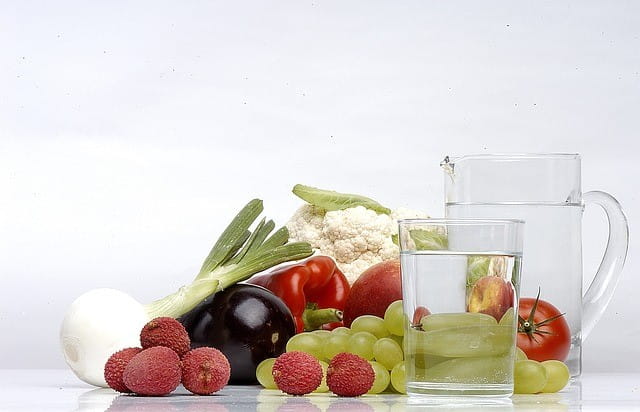
Fig. 2: An anti‑inflammatory diet with plenty of raw foods can relieve the symptoms of psoriasis.
For psoriasis the emphasis is on an as‑natural‑as‑possible diet with specific nutrients that enable normal cell renewal especially in the outer skin layer (epidermis). In addition, diet and supplements should correct any existing deficiencies (e.g. vitamin D deficiency) and positively influence comorbidities such as cardiovascular complaints or high cholesterol.
The dietary concept for psoriasis according to Marianne Sebök

Marianne Sebök is a qualified wellness trainer and was able to alleviate her own psoriasis permanently using natural means. The author of the bestseller Psoriasis – Self‑healing without Medication presents in her second book the best recipes and most valuable tips for people with psoriasis. The author writes about the key points of a skin‑friendly diet in Psoriasis “Farewell” – Recovery that comes from within:
“
- Eat raw foods (salads, vegetables, fruit) as often and as much as possible. I prefer low‑acid fruits such as all melons, mango, papaya, ripe pears, bananas, figs and avocados. Citrus fruits such as oranges and tangerines, on the other hand, contain a lot of acid, which can trigger a flare‑up.
- I prefer regional, seasonal fruit, salad and vegetables to imported produce. Regional fruit and vegetables are usually harvested ripe, therefore have a higher vitamin content and travel shorter distances, which is better for vitamins and the environment.
- The variety of foods gives the body a good chance to supply the organism with the necessary and vital vitamins, minerals and trace elements.
- Fresh herbs contain mineral salts that often replace the need for added salt as a flavour carrier.
- Wholegrain products promote health because the whole, unpolished grain contains valuable nutrients, vitamin E, the B‑vitamin complex and minerals such as selenium, zinc, copper, iron, magnesium and phosphorus. Today, most products are made from refined grain that is processed at high temperatures and often — for example in bread — contains additives such as colourings, flavours, baking aids and too much salt. These do not belong in a healthy diet.
- Any food that is heated strongly is unfortunately denatured. The more natural and unaltered the food we consume, the more healing it is. Therefore vegetables should, for example, only be briefly sautéed or lightly steamed to preserve valuable vitamins.
- If you do not want to give up animal foods, you should allow yourself only lean meat in small portions as a side dish, and at most once or twice a week. It is important to reduce foods rich in arachidonic acid, such as sausages and fatty meats, and instead include foods rich in omega‑3 fatty acids (oily sea fish).
- Excessive consumption of sweets such as cake, biscuits, chocolate and sugary drinks (cola, lemonade) not only increases the risk of developing psoriasis but can even promote the progression of the disease. Therefore sweets should be reduced — better still — removed from the menu.
- Drink enough water. Water supports the removal of acids from the body via the skin, kidneys, gut and respiratory tract. Herbal teas such as nettle and horsetail also help due to their blood‑purifying effect.
- Keep moderation: eat small meals distributed throughout the day. This prevents large hunger attacks, which often occur when meals are too large.
- I eat bread, but not yeast‑raised bread — only sourdough bread, and I limit myself to one slice per day. In my opinion our overall consumption of grain is far too high. The more grain products we eat, the more we forgo vegetables, fruit and salads. Grain contains far fewer vital nutrients than vegetables, fruit and salads and thus, if eaten excessively, promotes malnutrition.
- Alcohol: an occasional drink is generally unproblematic. Regular, i.e. daily alcohol consumption can fuel existing psoriasis and, if several provocateurs “join forces”, can even trigger it.
Dietary tips
Ø Fruit (all types) should always be eaten on an empty stomach.
Ø Do not eat a dessert (ice cream, pudding), not even in the form of “healthy” fruits. They disturb healthy digestion and lead to fermentative processes in the gut, which in turn cause discomfort.
Ø Fruit takes about 30 minutes to be digested. Wait that long before eating anything else.
Ø Properly combined purely plant‑based meals are satisfying and easy to digest.
Ø A meal with meat takes about 10 hours to digest. Vegetables and salads need only 4 hours to be digested.
Ø A health‑conscious diet does not necessarily have to be “only” vegetarian or consist exclusively of ingredients bought in a health food shop, as long as natural and as‑fresh‑as‑possible foods are preferred. I would rather buy fresh vegetables from a discount supermarket than already shrivelled, wilted, unvital vegetables from an organic shop. Vitality comes from liveliness, from life." [5]
The most important supplements for psoriasis
Naturopathy offers gentle and sustainable help for skin diseases. There are numerous nutrients that can alleviate psoriasis because they optimally cover the body’s nutritional needs and can reduce inflammation in the body. In addition, inflamed skin benefits from natural skincare products that supply valuable active ingredients without additionally burdening it with potentially toxic substances.
Many sufferers struggle with the rough, inflamed skin with pronounced scaling that accompanies this chronic autoimmune disease. The skin is the largest organ of the human body and for its healthy function it especially needs vitamins A and D, essential fatty acids, zinc and a variety of secondary plant compounds.
Psychological strain is usually very high and stress can in turn promote a psoriasis flare‑up. Vitamin D, vitamin C, omega‑3 fatty acids, zinc, selenium and the B‑vitamin group support not only healthy immune function but also psychological well‑being.
Omega‑3 fatty acids
Omega‑3 fatty acids are essential fats that the body cannot produce itself and therefore must be obtained from the diet. They are found in oily fish such as salmon, mackerel and sardines, and in large amounts in plant oils such as linseed, hemp, algal or walnut oil.
Omega‑3 fatty acids can not only reduce inflammation in the body but also support cognitive performance and healthy nerve function and strengthen immune function. Several studies have shown that omega‑3 fatty acids can be beneficial in psoriasis by countering inflammation [6] and regulating the formation of new skin cells.
To achieve an optimal ratio of omega‑3 to omega‑6 fatty acids, patients with psoriasis should avoid the fatty acid arachidonic acid as far as possible; although it is one of the omega‑6 fatty acids, it promotes inflammatory processes in the body. Arachidonic acid is mainly found in animal foods.
Vitamins A and E
Vitamins A and E are particularly associated with healthy skin. For the treatment of psoriasis, however, vitamin A must be taken at high doses. Such therapy should definitely be carried out under medical supervision as it carries risks and is not entirely free of side‑effects.
Regarding psoriasis, vitamin E plays a somewhat secondary role but as a strong antioxidant it is always involved in normal cell division and is known for its positive effects on the skin. Vitamin E can be taken orally or applied topically.
B vitamins
The role of B vitamins in maintaining a healthy nervous system, normal muscle function and clear skin has been well documented. Less well known is the fact that some of the drugs commonly prescribed for severe psoriasis or psoriatic arthritis can significantly disturb B‑vitamin metabolism. The drug methotrexate, for example, can inhibit the absorption of vitamin B12 and acts as an antagonist to folic acid (vitamin B9). At the same time, supplementation with folic acid can significantly reduce the side‑effects of methotrexate [7].
The drug sulfasalazine, which is used for psoriatic arthritis, can also negatively affect folate metabolism. Additional folate supplementation is advisable in this case [8].
Vitamin C
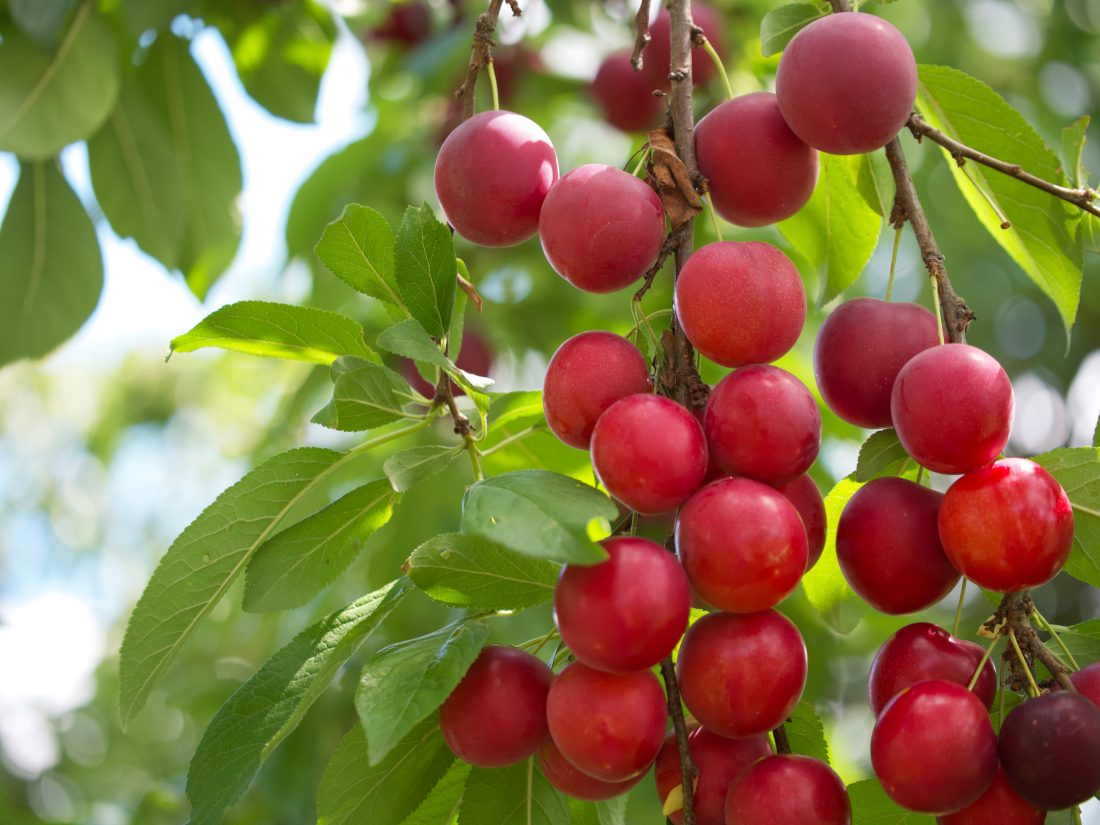
Fig. 3: Camu camu is one of the best natural sources of vitamin C. It contains up to 3 g of vitamin C per 100 g of fruit.
Vitamin C is regarded as the antioxidant par excellence and a key vitamin for healthy skin [9]. Supplementation is also recommended for patients with psoriasis because the water‑soluble vitamin can make a great contribution to reducing skin inflammation and effectively scavenge free radicals. In addition, vitamin C has great benefits for joint and bone health, the immune system in general and protection against infections.
Vitamin D
The evidence for the importance of vitamin D in the treatment of psoriasis is clear: for a long time the fat‑soluble vitamin has been used in synthetic form and for topical application in patients with psoriasis, for example in the drugs calcipotriol and tacalcitol. Oral intake of vitamin D has only in recent years become more focused in clinical research.
In practice it is often observed that patients with psoriasis have an increased risk of vitamin D deficiency and are under‑supplied [10]. Several studies have already shown that the severity of psoriasis correlates with vitamin D levels and that supplementation with vitamin D can positively influence the course of psoriasis [11].
Probiotics
To re‑educate the misdirected immune function, a healthy gut flora must be established. Gut dysbiosis plays an important role in the development of psoriasis [12]. Probiotics are beneficial bacteria found in yoghurt, kefir and fermented foods. They generally act immunomodulatory and help to repair a weakened, leaky gut.
In psoriasis, too, attention should be paid to cultivating as colourful a variety of healthy bacteria in the gut as possible. A natural diet rich in fibre together with a good probiotic strengthens the gut flora.
Zinc
Zinc is an essential trace element with pronounced anti‑inflammatory and immunomodulatory properties that, together with vitamin D and vitamin E, can make a particularly valuable contribution to intact skin.
A relatively recent study from 2019 confirmed that patients with psoriasis often have low zinc levels [13]. Zinc is well known as an anti‑inflammatory trace element with marked effects on the skin and can be used both topically and orally.
Harnessing the natural power of medicinal plants
Medicinal plants have been used successfully for thousands of years to strengthen health. Psoriasis can also be supported with phytotherapeutics. The properties of Curcuma longa and Carduus marianus (milk thistle) are well documented.
Turmeric
This yellow spice plant is highly valued in traditional Indian medicine. The active ingredient curcumin contained in the root is a strong antioxidant, inhibits cell division, soothes the gut and has anti‑inflammatory properties.
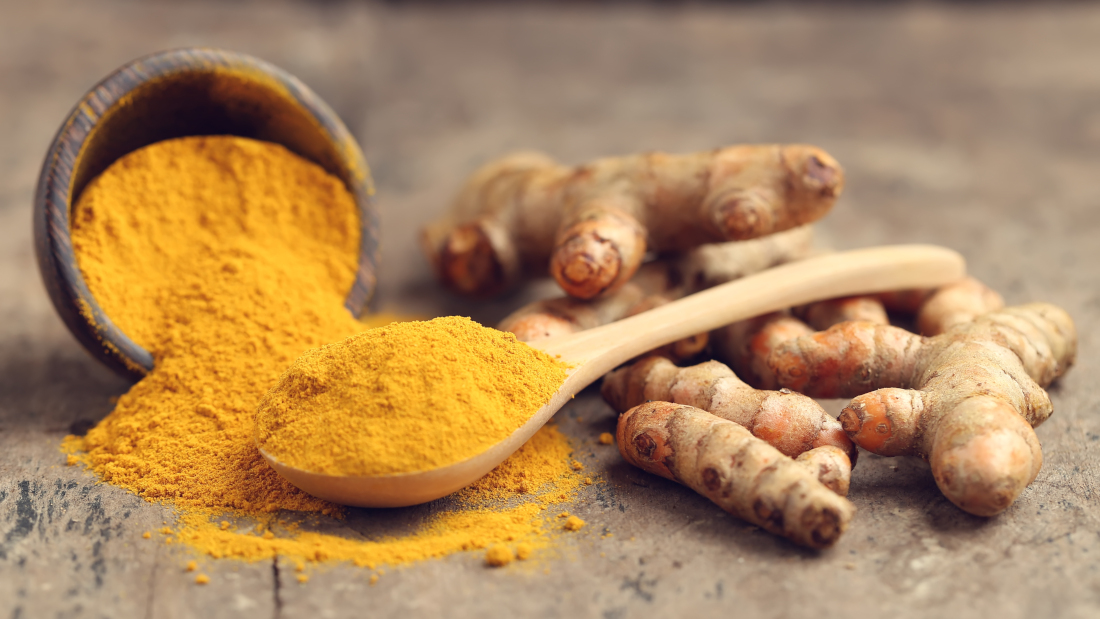
Fig. 3: Curcumin from turmeric is a powerful antioxidant.
Some studies have shown that turmeric can be beneficial in psoriasis because it improves skin health and reduces inflammation [14].
Milk thistle extract
The traditional medicinal plant milk thistle boosts liver metabolism, promotes the elimination of toxic metabolic products from the body and protects the liver from the harmful effects of toxins. In the holistic treatment of any skin disease, the liver and overall metabolism are always supported. Milk thistle, often in combination with artichoke and dandelion, can provide valuable assistance here.
Conclusion
Naturopathy also offers a number of viable options for patients with psoriasis. To achieve the best results, always discuss your individual treatment plan with a doctor or therapist you trust.
Figure 1: flystock/shutterstock.com ; Figure 2: XjaviR/shutterstock.com ; Figure 3: Alex Konon/shutterstock.com ; Figure 4: tarapong srichaiyos/shutterstock.com

