
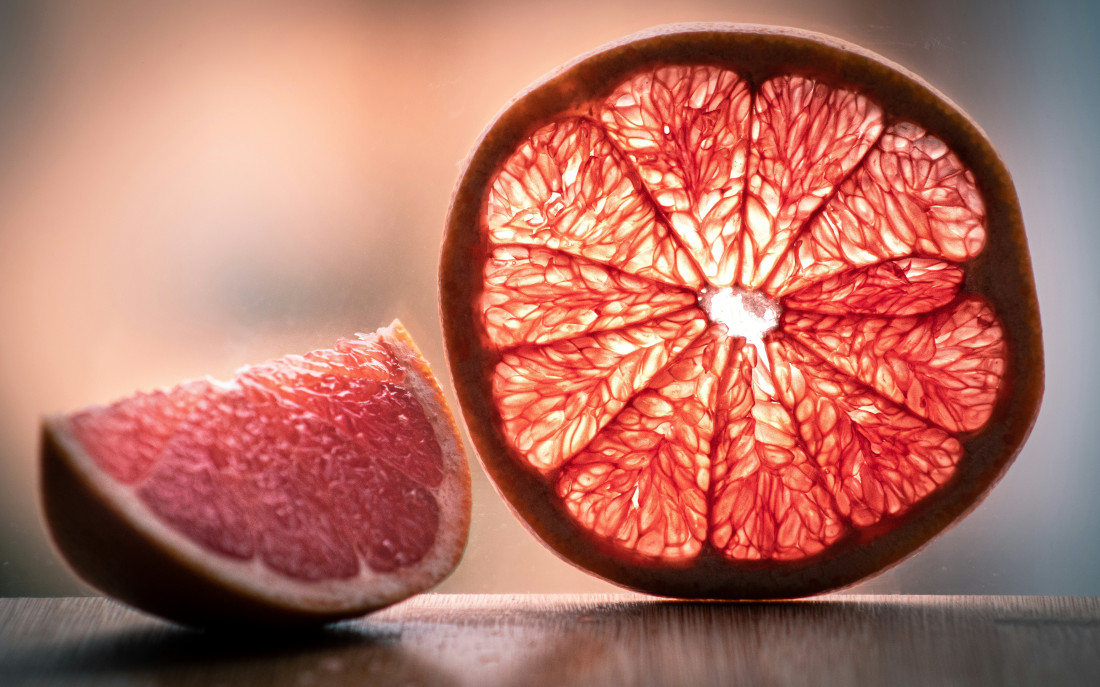
Figure 1: Grapefruit seed extract is regarded as a natural antibiotic that effectively combats bacteria, viruses and fungi.
Grapefruit seed extract is obtained from the seeds and peel of grapefruits. The extract is said to act as a natural antibiotic against viruses, bacteria and fungi. Whether this is actually true and what special properties grapefruit seed extract has are explained in this blog article. In addition, you will receive important information on common areas of application as well as on the correct intake and dosage of grapefruit seed extract.
What exactly is grapefruit seed extract?
The discovery story of grapefruit seed extract (GSE) begins with a fortunate coincidence: in 1980 immunobiologist Dr Jacob Harich noticed that the grapefruit seeds in his compost barely decomposed. The doctor suspected that the seeds must be resistant to bacteria, moulds, viruses and other parasites, and decided to investigate. During his research Harich found that grapefruit seeds contain secondary plant compounds, including valuable bioflavonoids, which protect the plant material from decomposition by bacteria and fungi.
For this protective mechanism to take effect in humans, a correspondingly higher dosage is necessary. Here the intake of grapefruit seed extract, which is available in concentrated form and has a strong antimicrobial effect, is an option. Grapefruit seed extract is produced from ground grapefruit seeds and peel. After grinding, ingredients such as flavonoids, tocopherol, quercetin, naringenin and vitamin C are extracted.
How does grapefruit seed extract work and what is it good for?
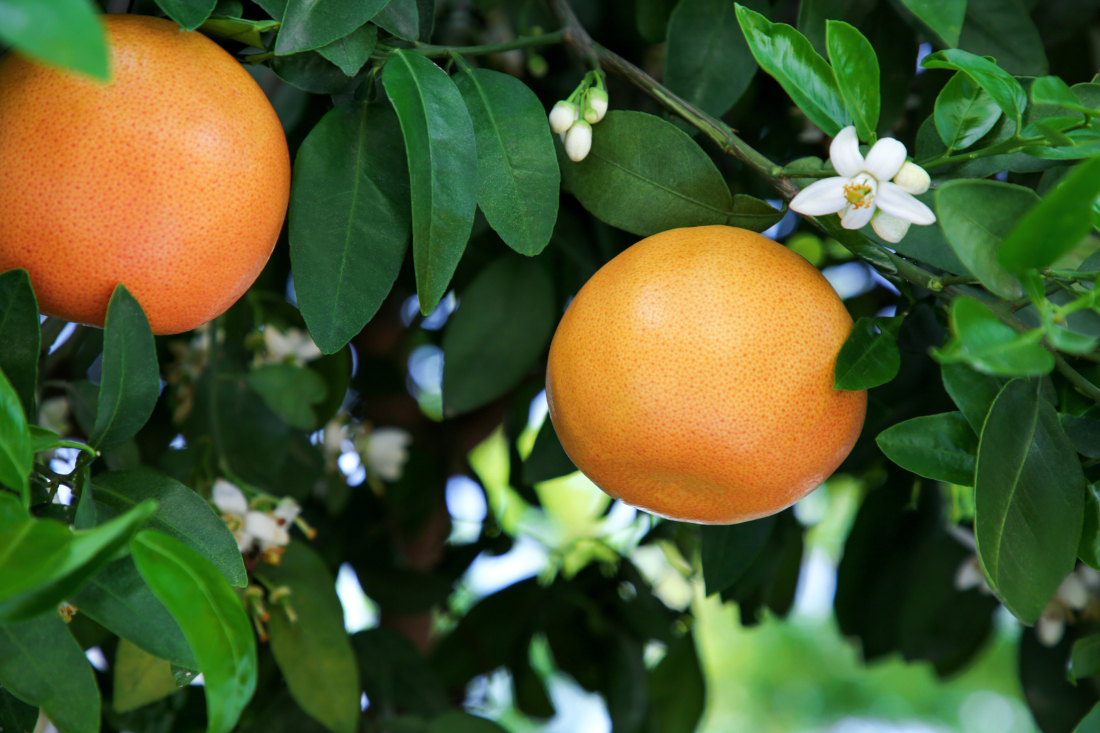
Figure 2: Due to its antimicrobial and antioxidant properties, grapefruit seed extract is often used to treat and prevent inflammation and infections.
Grapefruit seed extract displays antimicrobial and antioxidant effects, which is why it is often used as a natural antibiotic and antifungal agent. However, the evidence from studies on the health effects of grapefruit seed extract in humans is sparse. Larger clinical studies would be desirable. Some in vitro studies and animal experiments have nevertheless shown that grapefruit seed extract is indeed effective against a variety of microbes. [1] [2]
Grapefruit seed extract exerts its antimicrobial effect by attacking the cell walls of bacteria and fungi. The extract causes the microorganisms to be unable to take up nutrients, rendering them harmless. Below we present some of the main areas of application for grapefruit extract:
Infections
Oral use of grapefruit seed extract can be sensible for infections involving bacteria, viruses or fungi. Even at a dilution of 1:1000 the extract develops its antibacterial effect. In addition to colds, runny noses, influenza and Candida, skin infections such as acne, eczema and warts are among the conditions for which grapefruit seed extract is frequently used.
There are also investigations that suggest grapefruit seed extract, due to its strong antibacterial properties, may even be effective against antibiotic-resistant bacteria such as the so-called hospital pathogens (MRSA). Hospitals have many people with weakened immune systems for whom an MRSA infection can often be fatal. In Germany alone about 20,000 people die each year from MRSA infections. An English study found that grapefruit seed extract in combination with geranium oil shows a strong antibacterial effect against MRSA. [3] The result gives hope that the extract may in future be used as an effective agent against resistant staphylococci and other pathogens.
Grapefruit extract can also help with fungal infections such as skin, foot or vaginal yeast infections. An in vivo study from 2003 showed that grapefruit seed extract has antibacterial effects in rats and can also be successfully used against fungal infections. [4] Another study confirmed the excellent inhibitory effect of grapefruit seed extract on the growth of yeast fungi (e.g. Candida albicans, Candida tropicalis). [5]
Gastric and pancreatic inflammations
One of the main causes of inflammation of the stomach lining (gastritis) is the persistent stomach bacterium Helicobacter pylori. As several studies show, the intake of grapefruit seed extract can inhibit or kill Helicobacter pylori bacteria. [6] In addition, grapefruit seed extract has an inhibitory effect on E. coli bacteria. [7]
In connection with the development of pancreatic inflammation, the plant compound naringenin in grapefruit seed extract is particularly relevant. The substance is found mainly in the seeds and peel of the grapefruit and gives the fruit its bitter taste. Naringenin acts as a strong antioxidant and anti-inflammatory. Thanks to these properties, as Polish researchers found, the compound can exert a protective effect and help prevent pancreatic inflammation (pancreatitis). [8]
Gut flora and immune system
Since grapefruit seed extract kills bacteria, one might assume that the substance would damage the gut flora, as often happens with antibiotic use. A damaged gut flora is in turn associated with a weakened immune system, which can, among other things, lead to fungal infections.
However, the gut flora is not disturbed by the intake of grapefruit seed extract and does not need to be rebuilt as after an antibiotic therapy. There is even evidence that the extract can help rebuild a damaged gut flora by reducing pathogenic microbes. In addition, the flavonoids contained in grapefruit seed extract stimulate antibody production and thus strengthen immune defence.
Grapefruit seed extract – a natural antibiotic?
Given the aforementioned antiviral, antibacterial and antioxidant properties of grapefruit seed extract, it is not far-fetched to call the extract a natural antibiotic. Compared with conventional antibiotics, grapefruit extract offers several advantages. As already described, the gut flora is not harmed by its use. Another major advantage over antibiotics is that bacteria cannot develop resistance to grapefruit seed extract due to its complex composition.
Other uses of grapefruit seed extract
As a true all-purpose remedy, grapefruit seed extract is not only suitable for internal use. It can also be used in many ways around the home and in personal care. In ointments, creams or lotions, grapefruit seed extract acts antiseptically and can extend shelf life as a natural preservative. In addition, the versatile extract has long been used as a natural disinfectant and cleaning agent in households, medicine and industry because of its antibacterial and antiviral properties. Another tip for your home: if you add a few drops of grapefruit seed extract to water in a diffuser, you get an air freshener with a pleasant fruity scent.
Grapefruit seed extract as a dietary supplement

Figure 3: When purchasing a product containing grapefruit seed extract, you should pay attention to aspects such as purity, origin and possible additives.
As a dietary supplement, grapefruit seed extract is usually taken in the form of drops. However, many other products such as tablets, capsules or ointments containing grapefruit seed extract are now also available. When buying a preparation, you should in any case ensure you choose a high-quality product without harmful additives. Additives such as benzethonium chloride or triclosan were formerly used for chemical extraction and as preservatives, but should no longer be present in high-quality products today.
Other important quality criteria are the purity, origin and active ingredient composition of the grapefruit seed extract. The organic grapefruit seed extract by Unimedica is a product manufactured in Germany from certified organic cultivation. The vegan drops contain no unnecessary additives and are highly dosed with 2600 mg grapefruit seed extract (of which 30 mg are bioflavonoids) per daily dose. Plant-derived glycerin is used as the extraction solvent.
Notes on dosage and administration of grapefruit seed extract
The correct dosage and duration of intake of grapefruit seed extract depend primarily on the underlying condition. If you are uncertain about this, you should seek medical advice before starting intake. For oral use it is advisable to start with a low dose and then increase it slowly. A good guideline for the maximum daily dose is five drops per 10 kg body weight per day, whereby the risk of overdose in the case of grapefruit seed extract is low.
Always take grapefruit seed extract diluted and with sufficient fluid. It is recommended to split the daily requirement into three separate doses. For example, 20 drops could be taken in the morning, at midday and in the evening. Grapefruit seed extract can be taken either on an empty stomach or with meals. To treat fungal infections and bacteria such as Helicobacter pylori, the extract should be taken for at least six weeks.
Side effects and interactions of grapefruit seed extract
If you are taking prescribed medicines at the same time, you should always discuss the intake of grapefruit seed extract with your doctor beforehand. The flavonoids contained in grapefruit seed extract can act as enzyme inhibitors and adversely affect medication. In the case of an allergy to citrus fruits, grapefruit seed extract can cause unpleasant side effects such as skin irritation or digestive problems, which is why supplementation is generally not recommended for allergy sufferers. If grapefruit extract and probiotics are taken at the same time, a time interval of several hours should be observed as a precaution.
Sources
[1] Heggers JP, Cottingham J, Gusman J, Reagor L, McCoy L, Carino E, Cox R, Zhao JG. The effectiveness of processed grapefruit-seed extract as an antibacterial agent: II. Mechanism of action and in vitro toxicity. J Altern Complement Med. 2002.
[2] Reagor L, Gusman J, McCoy L, Carino E, Heggers JP. The effectiveness of processed grapefruit-seed extract as an antibacterial agent: I. An in vitro agar assay. J Altern Complement Med. 2002.
[3] Edwards-Jones V, Buck R, Shawcross SG, Dawson MM, Dunn K. The effect of essential oils on methicillin-resistant Staphylococcus aureus using a dressing model. Burns. 2004.
[4] J. Cottingham, R. Goodheart, R. Cox, L. McCoy, J. Washington, E. Carino, C. Maness, J. P. Heggers. The Effectiveness of Grapefruit Seed Extract (GSE®) as an Antibacterial Agent III: An In Vivo Study of Efficacy, The Journal of Burn Care & Rehabilitation, Volume 24. March-April 2003. https://doi.org/10.1097/00004630-200303002-00193.
[5] Krajewska-Ku?ak E, Lukaszuk C, Niczyporuk W. Effects of 33% grapefruit extract on the growth of the yeast--like fungi, dermatopytes and moulds. Wiad Parazytol. 2001.
[6] Bae EA, Han MJ, Kim DH. In vitro anti-Helicobacter pylori activity of some flavonoids and their metabolites. Planta Med. 1999. https://pubmed.ncbi.nlm.nih.gov/10454900/.
[7] Ko KY, Geornaras I, Paik HD, Kim KT, Sofos JN. Effects of Plant-Derived Extracts, Other Antimicrobials, and Their Combinations against Escherichia coli O157:H7 in Beef Systems. J Food Prot. 2015. https://pubmed.ncbi.nlm.nih.gov/26038897/.
[8] Dembinski A, Warzecha Z, Konturek SJ, Ceranowicz P, Dembinski M, Pawlik WW, Kusnierz-Cabala B, Naskalski JW. Extract of grapefruit-seed reduces acute pancreatitis induced by ischemia/reperfusion in rats: possible implication of tissue antioxidants. J Physiol Pharmacol. 2004.
Photos: Unsplash: david drevenka, Camille Brodard; Shutterstock: New Africa

