
Figure 1: A diverse gut flora is the foundation of our health. It can help prevent disease and, under certain circumstances, even heal it.
Constipation? Diarrhoea? Asthma? The list of complaints associated with the gut is long. The gut has long been regarded as the seat of health, and many modern illnesses can be traced back to a disturbed intestinal environment. Is the gut really the cause of disease, as popular sayings claim? Or is a disturbed gut environment rather another symptom of a much deeper cause of our time?
Hundreds of trillions of microbes live in our gut. Among them alone are more than 400 different bacterial strains. And this diversity in the gut is as individual in its composition as you are. At the same time, this community of life is extremely sensitive. Everything you ingest affects your body and can upset this delicate balance.
In this article you will learn,
- how to recognise that your gut environment is out of balance,
- whether the gut really is your second brain,
- whether the condition of your gut also shows on your skin,
- how your gut environment can get out of balance, and
- what you can do to rebuild your gut.
How can I tell if my gut environment is out of balance?
If something is wrong with your gut, you will very likely notice it. Symptoms usually appear directly and are hard to miss: constipation or diarrhoea, various intolerances, a bloated stomach or even leaky gut syndrome with or without blood in the stool.
Those are, however, only the obvious symptoms. The list of conditions associated with an unbalanced gut is much longer. It also includes symptoms that at first glance have nothing to do with the gut, such as:
- depression,
- skin diseases such as acne, rosacea, eczema,
- chronic fatigue syndrome,
- parasite infestation,
- gluten intolerance,
- allergies,
- bad breath and gum disease,
- obesity and much more.
[Cf. Dr Robynne Chutkan. The Microbiome – Healing for the Gut]
Is the gut our second brain?
Some scientists also refer to the gut as the second brain. [1] There is indeed a connection between your gut and your brain, the so-called gut–brain axis. When it is disturbed, psychological complaints such as depression can also occur.
The concept of the gut–brain axis is still debated in science, but it is becoming increasingly clear how important the microbial composition of the gut is. This is where the regulation of the bidirectional communication pathways between the gut and the brain takes place. Disturbances of this sensitive microbial balance (dysbioses) lead to misregulation of these pathways. The permeability of the blood–brain barrier can also be affected, which in turn can lead to neurological disorders. [2]
Much of the more recent research concentrates on this gut–brain connection. It has been shown that the composition of the gut flora is a major regulator of important neurophysiological processes and is impaired in people with depression. [3] How exactly signalling between the gut and the brain occurs is still being researched. The composition of the microbiome appears to be a key factor. [4]
→ The overall tenor of these experiments and studies shows that an unfavourable composition of the gut microbiome can be a contributing cause of depression, whereas a health-promoting microbial community in the gut can in turn improve depressive symptoms. [5]
Does the condition of the gut show up on the skin?
Similar to the gut–brain axis, the gut–skin axis is controversially discussed in science. Nevertheless, there is growing evidence of a direct connection between a dysbiotic gut microbiome and skin diseases.
For example, it is believed that skin conditions such as urticaria, rosacea and acne vulgaris could be related to a malcolonisation of the gut. For these complaints, improving the skin can be achieved via a healthy gut microbiome. [6]
How the gut environment gets out of balance

"Disruptors of the microbiome are everywhere –
in the foods we eat, our drinking water,
the products we use,
and the medicines we take."
Factor: Diet
Poor nutrition with industrially processed convenience foods, too much refined sugar, too many additives in food, contaminated drinking water – all of this can lead to an unhealthy gut environment with an overgrowth of anaerobic and toxin-producing bacteria.
Eat too much meat, and you feed the wrong bacteria. If you eat a lot of sugary foods, the fungus Candida albicans thrives. Candida loves sugar, including fruit sugars and white flour.
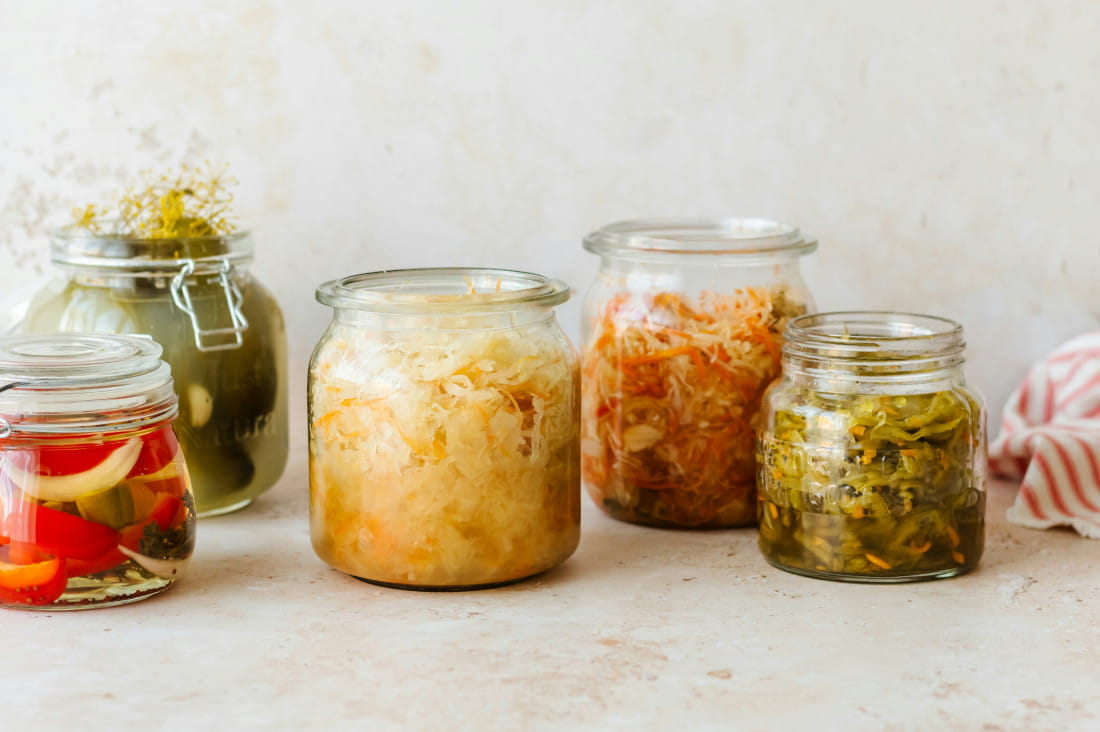
Figure 2: Gut bacteria like variety. The more varied the diet and the higher the fibre content, the healthier the microbes on the intestinal mucosa.
Factor: Antibiotics
Broad‑spectrum antibiotics in particular have life‑hostile effects on the gut flora. This property is already in the name – antibiotic stems from Greek meaning “against life” – directed against life.
Antibiotics can negatively affect up to 30% of gut bacteria [7], resulting in a rapid and marked loss of diversity. [8] They therefore kill not only pathogenic organisms but also beneficial microbes. [9]
This changes the composition of the gut flora in favour of certain bacterial strains, which can have immediate effects on your health. These altered strains in the gut can also develop bacterial resistances and promote increased susceptibility to infections, metabolic disorders, inflammation, obesity and diabetes. [10]
What many people do not know is that an antibiotic‑altered gut flora may not regenerate for a long time, so the entire environment can remain disturbed for months or years. [11, 12, 13] Please also bear in mind: Even if you have not taken antibiotics directly, you may be exposed to these drugs more than you realise. Antibiotics are used extensively in conventional animal husbandry. At the same time, drug residues are not always fully removed from drinking water.
"Dr Martin Blaser, a specialist in infectious diseases, describes it as a veritable epidemic of 'missing microbes'. The symptoms vary, but the story is always the same: the overzealous use of antibiotics, often accompanied by a Western diet consisting of many industrially processed foods but few indigestible plant fibres – the preferred food of gut bacteria."
In addition to antibiotics, corticosteroids, acid blockers, painkillers such as aspirin, diclofenac, ibuprofen and many other medications also damage the healthy gut flora. [14]
Factor: emotional well‑being
Does dysbiosis – that is, an imbalanced gut flora – affect our psyche, or is it a stressed psyche that throws our gut microbes out of balance?
First of all: yes, there are studies showing that our gut directly influences our mood and feelings, and that the microbes in our gut are involved in regulating anxiety, mood, cognition and pain perception. [15] Imbalances can also affect cognitive performance and sleep and cause fatigue. [16]
Conversely, it has also been shown that emotional factors such as stress – especially in early childhood – can change the composition of the microbiome and influence physiology in adulthood. [17]
What can I do if I want to rebuild my gut?
If you decide to rebuild your gut fundamentally, you should first cleanse it and then rebuild it.
Fig. 3: A gut cleanse can support the microbiome.
Phase 1: Gut cleanse
Cleansing is best achieved through a fasting cure with enemas or, even better, professional colon hydrotherapy. When you fast, the gut has time to regenerate the mucous membrane and rebuild it. This allows your microbiome to return to its original composition.
Traditional Ayurvedic medicine knows Triphala as a so‑called 'gut cleanser'. Even if you are not a fan of fasting, this classic formulation is excellent as a supportive remedy for a gut cleansing cure. Triphala, also called 'three fruits', is a wonderful plant combination from Ayurveda. The composition of three berries – Amlaki, Haritaki and Bibhitaki – is an excellent natural cleansing agent for the gut, because according to Ayurvedic tradition it can regenerate the intestinal mucosa. Traditionally, Triphala was always given in combination with Guggul. Triphala cleanses and Guggul 'sweeps' the mucus out. [18]
Shilajit has also been known in Ayurveda for more than 3,000 years as a beneficial remedy for gut health. Shilajit, also called mumijo, is a black‑brown, resinous substance from the caves of the Himalayas. No one knows exactly how this substance was formed; it is known for its high content of fulvic and humic acids. [19] These are considered powerful adaptogens, meaning they help the body balance stressors and increase its resilience.
In addition, shilajit is often used in Ayurvedic medicine to support digestion, detoxify the body and promote mental clarity.
In the European tradition, drinking peat, psyllium husks, bitter substances and healing clay are established components of gut cleansing cures. Psyllium husks also have the ability to cleanse the small intestine. [20]
Phase 2: Gut rebuilding
Especially after taking antibiotics, doctors often recommend probiotic agents to rebuild the gut. Pro means for and biotic comes from bios – serving life. Probiotics are therefore live microorganisms that support your gut. It is not the case that you take them once and your gut is healthy thereafter. You take them repeatedly so that they pass through the gut again and again and help maintain a balanced environment.
Probiotics were known in many ancient cultures, whether as fermented drinks or as fermented foods. Mead, kombucha, kvass or sauerkraut were used as naturally fermented probiotics. These foods not only regulate the gut environment, but it appears that probiotics can influence a whole range of different conditions. [Dr Robynne Chutkan]
Although probiotics have their limits, they can be helpful for a range of illnesses. Which ones these are is described in detail by Dr Robynne Chutkan in her book "The Microbiome – Healing for the Gut".
For example, probiotics support mental health in depression via the gut–brain axis described above. [22] Via the gut–skin axis they can alleviate allergic and inflammatory skin symptoms. [23]
It has also been shown that probiotics improve immune function. [24] Probiotics also provide support for gut problems or Candida overgrowth. [25]
Which probiotics do I need for what?
A common difficulty for consumers is choosing the right probiotic. The market is confusing and it is not always clear which probiotic is right for individual needs. For example, Lactobacillus acidophilus helps ferment sugar into lactic acid. Lactobacillus salivarius suppresses pathogenic bacteria and reduces gas formation in irritable bowel syndrome. [Dr Robynne Chutkan]
A large proportion of probiotic strains belong to lactobacilli and bifidobacteria. These are relatively well researched and are counted among the 'good' gut bacteria. L. acidophilus and L. casei can bind to carcinogenic substances and inactivate them. Probiotics compete through co‑aggregation with pathogenic gut bacteria for attachment to receptors on the gut wall. A competition for nutrients arises. [26] This is exactly why a shift of the environment in the direction of pathogenic gut bacteria should be avoided.
The best route to the good lactic acid bacteria is your diet. Choosing a sugar‑free diet already creates a good foundation. Many foods contain prebiotic substances that provide a good food source for probiotic bacteria. These include onions, leeks, artichokes and Jerusalem artichokes.
Physician Natasha Campbell‑McBride describes in her book which diet specifically builds up the gut flora. In years of work with her patients she discovered revolutionary healing paths. Her famous GAPS concept for detoxification and rebuilding the gut flora is based on a special diet with probiotics, supplements, bone broth and other anti‑inflammatory foods. [Cf. Natasha Campbell‑McBride. GAPS – Gut and Physiology Syndrome]
Another feasible route is Anthony William’s 3‑6‑9 cleansing cure. He takes a different approach and assumes that the 'good' gut bacteria will rebuild themselves through a healthy diet and the 3‑6‑9 cleanse. [Anthony William. Heal Yourself – Medical Detox]
Conclusion
Most importantly for a healthy gut is to eliminate the causes of dysbiosis such as poor diet and emotional stress, and to take care of rebuilding the gut after medication with as natural remedies as possible. The following guide supports you on your way to a flourishing gut:
→ Change your diet to fresh foods, little sugar and pure drinking water. It does little good if you take probiotics but consume industrial convenience foods and sugary drinks.
→ Most people with dysbiosis feel better once they avoid dairy and gluten.
→ In any case, many fibre‑rich plants in the form of fresh fruit and vegetables are important.
→ Legumes and wholegrain products are important food for the gut microbes.
→ Also important are 'good' carbohydrates, as found in fruit, vegetables, beans, brown rice or some wholegrain varieties.
→ 'Bad' carbohydrates such as those from soft drinks, baked goods and other industrially processed cereal products should be avoided.
→ Also avoid gut‑irritating substances such as additives, emulsifiers, colourings, flavourings, taste enhancers and highly processed foods like ready meals, frozen foods and fast food.
→ Too much fructose is also not good; it burdens the liver and alters the gut flora when consumed in excess (fruit juices).
→ Coffee, tomatoes, spicy spices and citrus fruits can also irritate the gut.
→ Fermented foods such as sauerkraut or kimchi contain live bacteria (probiotics) and prebiotic fibres. 'Prebiotic' means that they still have to be converted in the body. (More information about fermenting can be found here.)
→ Do not take antibiotics at every little complaint; discuss the necessity with a naturopathically oriented doctor!
→ After antibiotics, do a gut restoration programme.
"Seeing patients at follow‑ups who feel better and no longer need medications
because they have changed their diet and lifestyle,
those are the victories that make me happy."
Recommended books on the subject:
- Dr Robynne Chutkan. The Microbiome – Healing for the Gut
- Denise Kruger. The Big GAPS Cookbook
- Dr Natasha Campbell. GAPS – Gut and Psychology Syndrome
- Dr Natasha Campbell. GAPS – Gut and Physiology Syndrome
- Giulia Enders. Gut with Charm
- Anthony William. Heal Yourself – Medical Detox
- Erich Rauch. Gut Cleansing – The Original according to Dr med. F. X. Mayr
Disclaimer
Antibiotic therapy can be absolutely necessary and save lives. In many cases it can, however, be avoided. Ask your doctor about alternatives to optimally support your health and that of your gut.
This article does not replace treatment by a qualified therapist. The basis of this contribution is studies and current literature. It must not be used for self‑diagnosis or self‑treatment. Discuss any ideas from this article with a therapist you trust.
Images: Unsplash: Monika Grabkowska; Shutterstock: metamorworks, Volodimir Zozulinskyi

