

Around 96 percent of Germans know tiredness and difficulties concentrating. [1] Chronic states of exhaustion can have many causes; it does not necessarily have to be the clinical form – Chronic Fatigue Syndrome (CFS). Often, an unhealthy lifestyle, high exposure to environmental toxins, food intolerances, nutrient deficiencies or psychological stress cause persistent tiredness and exhaustion.
The role of stress and over-acidification in tiredness and exhaustion
Stress is a phenomenon of our time; hardly anyone is unfamiliar with this feeling. If stress becomes a constant companion, the body reacts and continuously secretes hormones such as adrenaline, which as a stress hormone breaks down the body's own proteins and can promote an excess of acid. The body is permanently prepared for a “fight-or-flight” response, energy sources are mobilised, heart rate increases and other physiological changes are triggered. Colloquially, this state is referred to as “over-acidification”.
As a result of over-acidification, the body has difficulty using oxygen and nutrients efficiently, which can lead to tiredness and exhaustion. [2]
Under constant stress the adrenal glands also suffer; they are, among other things, responsible for secreting important hormones that regulate blood pressure. If the adrenals are impaired in their function, they can no longer produce sufficient hormones. The consequence: persistent tiredness, weakness or even chronic inflammation. The tiredness caused by this hormonal imbalance can no longer be remedied by normal sleep. A so-called adrenal weakness can lead to permanent tiredness, low resilience, weakened immune system and many other symptoms.
Depression, mental illnesses and burnout are also closely related to adrenal weakness. These conditions can be both a cause and a consequence of adrenal dysfunction. Understanding this connection is important for developing holistic treatment and support for affected people.
Scientific literature is investigating the links between adrenal weakness and mental illnesses such as depression, burnout and anxiety disorders. [3] [4]
Imbalances in the gut and food intolerances can cause tiredness

The gut also responds to an excess of stress: the gut microbiome shifts and a so-called dysbiosis can occur. Recent studies show that dysbiosis may also play a role in chronic fatigue. [5]
Whether gluten intolerance, lactose intolerance, fructose intolerance or histamine intolerance – food allergies and intolerances can also underlie chronic tiredness. They do not always appear as digestive complaints, headaches or skin rashes, but can also manifest as signs of fatigue. Gluten, for example, can damage the small intestinal mucosa, impairing the absorption of nutrients such as iron, folate and vitamin B12. These nutrients are important for energy production, and their deficiency can lead to tiredness. Gluten intolerance can also promote systemic inflammation, which in turn can lower energy levels and cause fatigue. A histamine intolerance can cause symptoms such as headaches, skin rashes and breathing difficulties, but also chronic fatigue. Histamine affects the central nervous system and an intolerance can lead to sleep disturbances and exhaustion.
Environmental toxins – partly responsible for tiredness?
We all know the expression: leaden tiredness. Indeed, heavy metals can cause tiredness. Due to environmental exposure, be it in food or drinking water, we take up more heavy metals than we should. Lead, for example, is a nerve and blood toxin and yet is present in drinking water. [6]
Our environment is increasingly laden with toxins. This is also reflected in the human body: heavy metals such as cadmium or lead and light metals such as aluminium burden the body down to the cellular level. [7] The more toxins we have in the body, the harder it becomes for the liver to eliminate them. Mercury, for example, can inhibit our detoxification. Certain processes in the body then no longer function as well.
Nutrient deficiencies can lead to tiredness
A nutrient deficiency can also be a cause of tiredness, because our body needs a variety of nutrients to produce and use energy. A deficiency in certain nutrients can disrupt energy metabolism and lead to fatigue. The most important nutrients against tiredness include iron, magnesium, omega-3 fatty acids, coenzyme Q10, glutathione, NADH and vitamins B and C (see below).
The 4-step plan against tiredness
1. Detoxify: removing toxins is fundamental
Whether heavy metals and other environmental toxins, stress or poor diet – they all make one step indispensable: detoxifying the body. The liver, the number one detox organ, and the gut should be cleaned so that these two excretory organs can do their “job” properly. How exactly is this done?
Gut cleansing – getting the microbiome in shape
People say the gut is the seat of the immune system and partly responsible for our physical and mental health. Leaky gut syndrome is often a trigger for persistent tiredness. [8] Therefore, gut cleansing is an important treatment approach if you suffer from chronic fatigue.
Note:
- The microbiome can be brought into good condition if short-chain carbohydrates and fast food are removed from the daily diet.
- The same applies to foods that contain a long list of ingredients such as E-numbers or flavour enhancers.
- Preserved and fried foods should be replaced with fresh produce, sugary foods reduced and white flour products swapped for high-quality wholegrain products.
- Fermented sauerkraut is probiotic, strengthens the microbiome and promotes the “good” gut bacteria.
- The menu should also include fruit, vegetables such as cabbage, carrots, fennel and legumes, as well as psyllium husks, nuts and healthy fats like linseed oil, hemp oil and algal oil.
- The diet should be mainly alkaline, because over-acidification also leads to tiredness.
Liver cleansing
It is not for nothing that tiredness is called the pain of the liver. Typical accompanying symptoms of most liver diseases are listlessness and reduced performance. The reverse is also true: stress, environmental burdens and incorrect diet can impair the functioning of our detox organ and lead to persistent exhaustion. Therefore, in addition to gut cleansing, liver cleansing should definitely be considered.
- In phytotherapy there are herbs such as milk thistle, artichoke, gentian, wormwood, yarrow, nettle or dandelion, which are traditionally used for liver cleansing.
- Dandelion tea supports detoxification and stimulates the removal of harmful metabolic products. [9]
- All bitter herbs are traditionally also used to stimulate liver and bile activity.
- Andreas Moritz devoted a whole book to liver cleansing. You can find the instructions for Andreas Moritz’s liver cleanse here.
2. Supplement: important nutritional supplements

Depending on individual needs, the following nutrients and minerals should be added:
Iron:
Iron is important for the cellular energy metabolism. A deficiency shows as tiredness and hair loss and can be detected by a blood test at the doctor’s.
Vitamin B complex:
Especially vitamins B2, B6, B9 and B12 are important for tiredness. If these vitamins are lacking, anaemia can occur and thus poor oxygen supply to the body, which causes tiredness. A deficiency of vitamins B1, B2, B3 and B5 can also impair energy production and thus contribute to exhaustion.
Vitamin C:
A deficiency of vitamin C can also cause tiredness. Vitamin C is important, among other things, for immune function and iron absorption. A deficiency can therefore lead to health problems, including tiredness and exhaustion. Symptoms of vitamin C deficiency are bleeding gums, poorer wound healing, tiredness, exhaustion and increased susceptibility to infection. [10]
Magnesium:
Magnesium is primarily involved in energy production, muscle and nerve function and the regulation of sleep. A deficiency can therefore produce a variety of symptoms, including tiredness and exhaustion.
Algae and algal oil:
Algal oil contains an ideal composition of proteins and fats. It is an excellent source of omega-3, revitalises and relieves chronic tiredness.
Ashwagandha:
Ashwagandha is traditionally used in Ayurveda to combat tiredness and increase general energy and vitality. [11]
Coenzyme Q10:
Coenzyme Q10 (also known as Q10 or ubiquinone) plays a crucial role in energy metabolism and can help combat tiredness. Especially fatigue resulting from borreliosis appears to be positively influenced by Q10 according to clinical studies. [12] This natural compound is a vitamin-like substance found in the cell powerhouses, the mitochondria, and is responsible for producing adenosine triphosphate (ATP), the main energy carrier in cells.
NADH:
NADH (nicotinamide adenine dinucleotide hydride) is a coenzyme. Like Q10, it is important for energy metabolism in the body and thus helps reduce tiredness. Studies have shown that after 8 weeks of CoQ10 plus NADH supplementation there was a significant improvement in fatigue compared with placebo. [13]
Glutathione:
Glutathione is a powerful antioxidant found in every cell of the body and can therefore be a good support in the treatment of tiredness. [14]
Medicinal mushroom Chaga:
The Chaga medicinal mushroom is traditionally used to activate the immune system and increase vitality. Chaga also supports adrenal activity, which can help reduce tiredness. [15]
3. Change your diet: fewer carbohydrates, more proteins
In addition to detoxification and support through additional nutrients, a mitochondria-strengthening diet is recommended. [16] This also includes the so-called LOGI diet – Low Glycaemic and Insulinemic Diet – or the ketogenic diet. [17], [18] Both dietary concepts reduce carbohydrates and focus on proteins and healthy fats. This helps maintain stable blood sugar levels.
A diet with too many carbohydrates can cause blood sugar spikes, i.e. blood sugar values fluctuate significantly and not only disturb carbohydrate metabolism. It can also lead to disturbances in pyruvate metabolism so that acetyl-CoA cannot be metabolised quickly enough. This in turn leads to increased formation of lactate (lactic acid). The result: muscle and joint pain as well as severe tiredness.
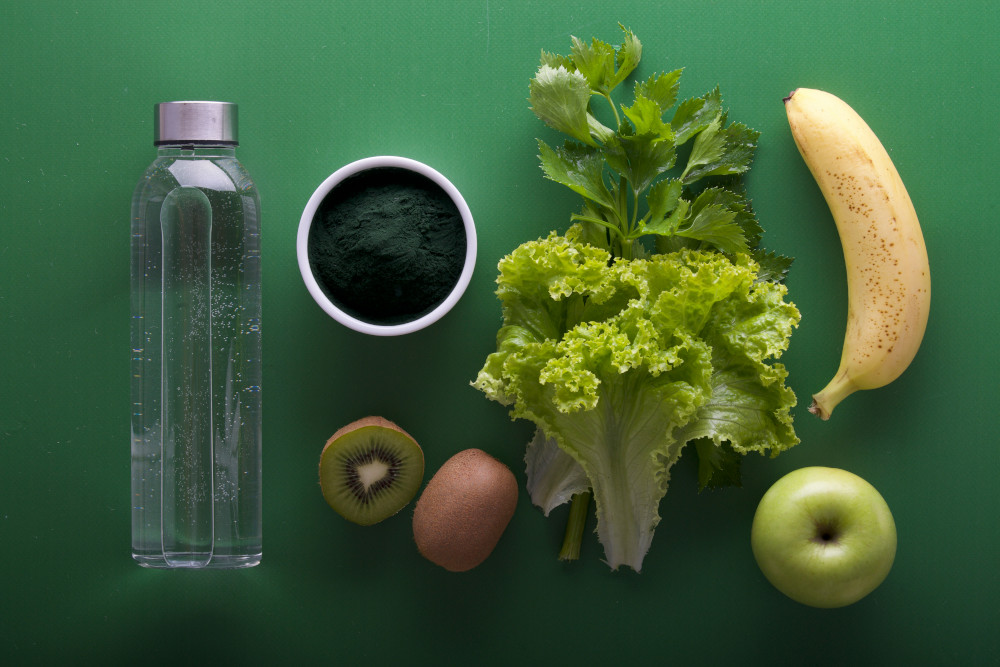
4. Build up the immune system
The Epstein–Barr virus or herpes viruses can cause tiredness. Both pathogens are widespread and are present in around 95% of the population. Infections with these pathogens are linked, among other things, to chronic fatigue. The better the immune system functions, the better it can fight viral infections.
A healthy, nutrient-rich diet is the cornerstone of a strong immune system (see above). Many culinary and medicinal plants such as garlic, ginger, turmeric and green leafy vegetables have immune-strengthening effects and may be consumed regularly.
The trace element zinc is also indispensable for effective defence against infections and maintaining immune system homeostasis. [19]
Conclusion
Gut cleansing helps free the gut from toxins, undigested food residues and harmful bacteria, which can improve overall health and energy. By removing deposits in the gut, the absorption of nutrients is optimised. Cleansing the liver helps eliminate toxins that burden the liver and contribute to tiredness. Dietary supplements can help correct nutrient deficiencies often associated with tiredness. Even with a diagnosed Chronic Fatigue Syndrome (CFS), these measures can be used as supportive treatments. This is a clinical syndrome and must not be confused with general tiredness caused by stress, environmental toxins or poor diet.
Recommended books on the topic:
Detox:
- Robert Morse. Das Detox-Wunder
- Margret Madejsky. Entgiften mit Heilkräutern
- Dietrich Klinghardt, Ariane Zappe. Die biologische Behandlung der Lyme-Borreliose
Hormones:
- Helena Orfanos-Boeckel. Nährstoff-Therapie - Der Praxisleitfaden
- Helena Orfanos-Boeckel. Nährstoff-Therapie
Liver cleansing:
- Andreas Moritz. Die wundersame Leber- und Gallenblasenreinigung
Gut cleansing:
- Robynne Chutkan. Das Mikrobiom - Heilung für den Darm
Mitochondria:
- Dittrich Opitz. Mitochondrien
Nutrition:
- Amy Ramos. Keto für Einsteiger
Disclaimer:
This article does not replace treatment by a qualified practitioner. The basis of this contribution is studies and current literature. It must not be used for self-diagnosis or self-treatment. Discuss any ideas from this article with a practitioner you trust if necessary.
Sources:
[1] https://de.statista.com/statistik/daten/studie/1277730/umfrage/muedigkeit-der-deutschen/
[2] https://www.narayana-verlag.de/spektrum-homoeopathie/basenfasten-in-drei-schritten
[3] https://www.sciencedirect.com/science/article/abs/pii/S0022399914003833?via%3Dihub
[4] https://pubmed.ncbi.nlm.nih.gov/9989716/
[5] https://microbiomejournal.biomedcentral.com/articles/10.1186/s40168-016-0171-4
[9] https://issuu.com/drrath/docs/103_gbrief_18_sept_2022_energie
[10] https://www.narayana-verlag.de/Naehrstoff-Therapie-Der-Praxisleitfaden-Helena-Orfanos-Boeckel/b32320
[11] https://www.narayana-verlag.de/Ashwagandha-Barbara-Simonsohn/b31555
[12] https://www.mdpi.com/2076-3921/11/4/667
[13] https://www.liebertpub.com/doi/full/10.1089/ars.2014.6181#sec-2
[14] https://www.narayana-verlag.de/Glutathion-Doortje-Cramer-Scharnagl/b18254
[16] https://www.narayana-verlag.de/Die-Mito-Medizin-Lee-Know/b25031
[17] https://www.narayana-verlag.de/Keto-fuer-Einsteiger-Amy-Ramos/b22825
[18] https://www.narayana-verlag.de/Speck-Butter-Celby-Richoux/b22824
[19] https://www.sciencedirect.com/science/article/pii/S1016847823002017
Figure 1: Vitaly Gariev/unsplash.com; Figure 2: David Mao/unsplash.com; Figure 3: Supliful - Supplements On Demand/unsplash.com; Figure 4: Vitalii Pavlyshynets/unsplash.com

