
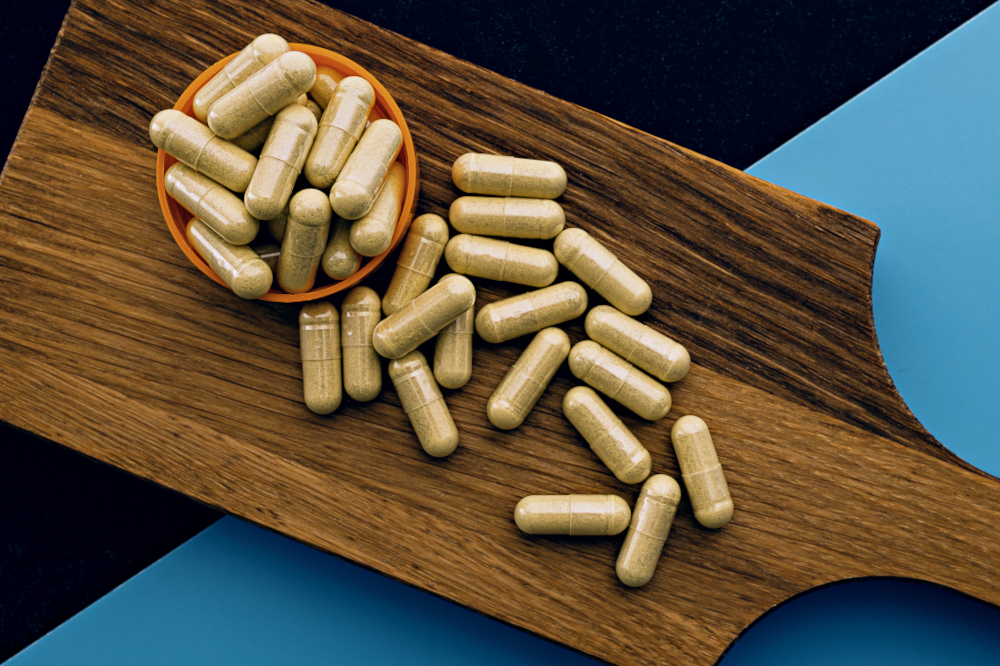
Figure 1: The secondary plant compound quercetin has a broad spectrum of activity and a unique chemical stability.
The natural plant pigment quercetin is found in various foods. Because of its many valuable properties and its wide range of effects, quercetin is also popular as an ingredient in dietary supplements. In this blog article you will learn, among other things, what exactly quercetin is and which foods have the highest content of this flavonoid. You will also receive information on the effects, correct dosage and possible side effects of quercetin.
What is quercetin?
Quercetin is a bright yellow plant compound that belongs to the flavonoids, a subgroup of polyphenols. By producing quercetin, plants protect themselves from harmful environmental influences such as pathogens, toxins or UV radiation. Accordingly, quercetin is often particularly highly concentrated in the skin and bark of plants as well as in flower petals.
The Latin name “quercetin” traces back to the oak genus (Quercus velutina), in whose bark the compound was first discovered. In its chemical structure quercetin shows a characteristic peculiarity: while most flavonoids have a sugar molecule attached at the right-hand corner of the C-ring in the flavon ring system, quercetin has an additional hydroxy group (OH) at this position.
Which foods contain the most quercetin?
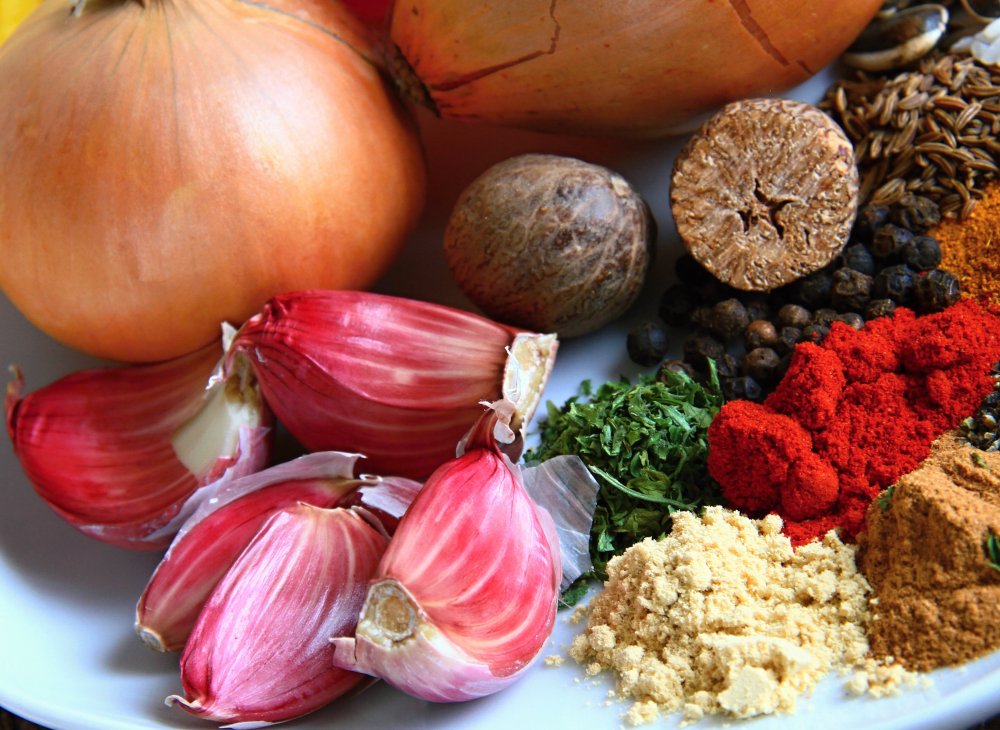
Figure 2: Foods such as onions, lovage, dill, capers and certain berry varieties contain a high amount of quercetin.
Quercetin is found exclusively in plant foods. This versatile plant compound occurs in fruits and vegetables, but also in grains and pseudo-cereals. If you want to take up quercetin through your diet, avoid heating the foods, as this can destroy the quercetin present. It is also advisable not to peel fruits and vegetables, because a large proportion of the flavonoids is located in the skin.
The following foods are particularly good sources of quercetin (quercetin value based on 100 g of the raw food) [1]:
- Capers (in a jar) – 180 mg
- Lovage – 170 mg
- Dill – 55 mg
- Red leaf lettuce – 10-30 mg
- Buckwheat – 23 mg
- Asparagus – 23 mg
- Cocoa powder – 20 mg
- Cranberries – 15 mg
- Romaine lettuce – 12 mg
- Onions – 11-41 mg
- Aronia berries – 9 mg
- Kale – 7 mg
- Unpeeled apple – 4.5 mg
- Cherry tomatoes – 3.3 mg
- Tomatoes – 1.6 mg
- Broccoli – 0.5-1.6 mg
Quercetin: benefits and effects
Some research on quercetin has been able to successfully demonstrate certain mechanisms of action of the flavonoid. However, larger-scale studies with longer durations are required to better assess the efficacy of quercetin.
It is, however, established that quercetin, as an antioxidant, is capable of neutralising free radicals and supporting the antioxidant defence system within cells. In this way it helps prevent the development of oxidative stress and cellular damage. Other positive effects of quercetin include its anti-inflammatory, anticarcinogenic, antiviral and anti-allergic properties. [2]
Quercetin for colds
A runny or blocked nose, pain on swallowing, fatigue and cough are typical cold symptoms. In a placebo-controlled, randomised study participants were given quercetin twice daily for 12 weeks. It was found that quercetin intake in people over 40 years of age who considered themselves physically fit led to a reduction in symptom severity and in days of illness. [3]
Further studies have also demonstrated positive effects of quercetin in infections of the upper respiratory tract. [4] This suggests that taking quercetin-containing preparations can be a sensible supplement in the treatment and prevention of colds.
Quercetin for asthma
Quercetin can also have a positive effect in asthma, which is triggered by an overreaction of the immune system. In one study patients with mild to moderate asthma and rhinitis were given liposomal quercetin. Compared with the placebo control group, the frequency and severity of asthma attacks in the people who took 500 mg quercetin daily had decreased significantly after 30 days. [5]
Quercetin for allergies
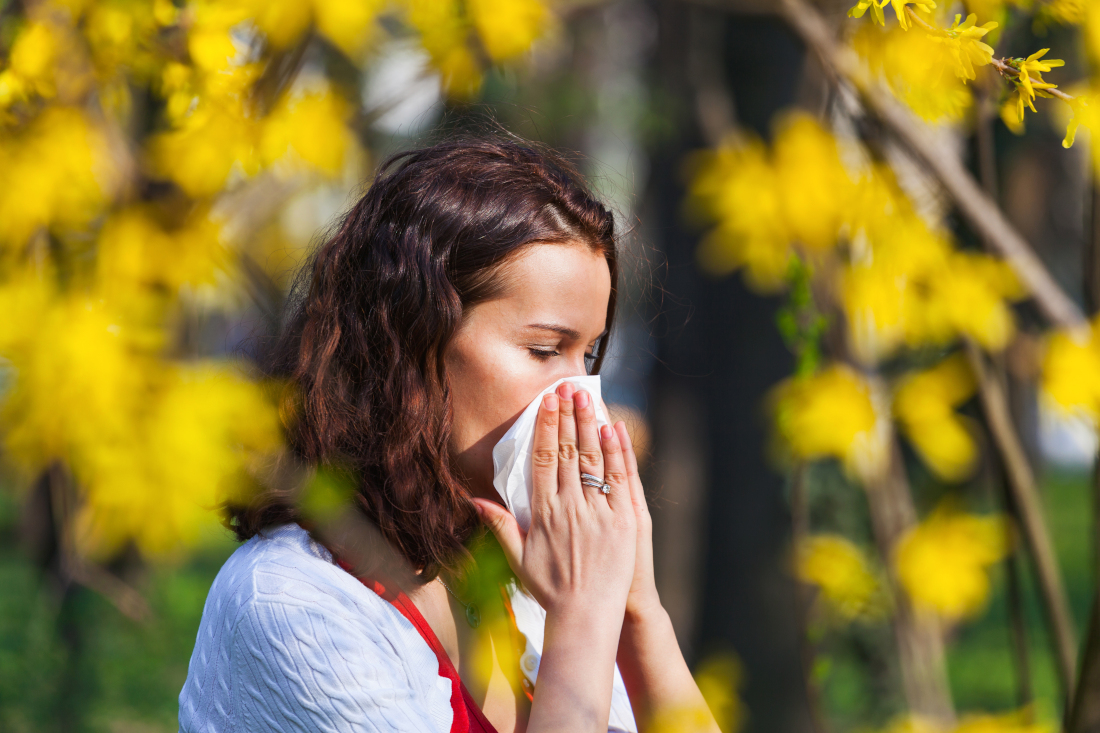
Figure 3: Quercetin can inhibit the formation and release of histamine in the body and thus alleviate the symptoms of allergic reactions.
Quercetin is often used in combination with calcium salts to treat uncomfortable symptoms such as a runny nose, skin rash or watery eyes, which typically occur with allergies. Quercetin can inhibit the production and release of the tissue hormone histamine. [6] Thus the plant compound can help limit the development of an allergic reaction (e.g. to pollen, dust or animal hair).
Quercetin for cardiovascular disease
High cholesterol levels are a common cause of cardiovascular disease, as cholesterol can damage the arteries and lead to atherosclerosis. As an antioxidant, quercetin prevents the oxidation of LDL cholesterol. A meta-analysis showed that in patients at risk of cardiovascular disease the concentrations of total cholesterol, LDL cholesterol and CRP decreased significantly when quercetin supplementation was administered. [7]
Quercetin for athletes
Can quercetin improve athletic performance? Numerous researchers have already attempted to answer this question. For example, a double-blind study with badminton players found that individual endurance performance can be significantly increased when 1000 mg of quercetin are taken daily over a period of 8 weeks. [8]
What to look for when buying a quercetin product
Most quercetin products are available in capsule form. There are dietary supplements such as the Quercetin capsules from Unimedica that contain only quercetin. Other preparations are additionally supplemented with other vitamins and minerals. For example, the UNIimmun capsules from Unimedica combine quercetin with other carefully selected plant extracts such as bioflavonoids from grapefruit and polyphenols from elderberries, as well as vitamin C and zinc.
When purchasing a quercetin product, care should be taken to ensure that no unnecessary additives are included. The origin and quality of the quercetin used are also decisive. A particularly good source of quercetin are the flowers of the Japanese pagoda tree (Styphnolobium japonicum, formerly Sophora japonica), from which the quercetin contained in the Blütentraum complex from Unimedica is gently extracted.
The correct dosage and administration of quercetin
A daily intake of 500 mg quercetin is generally recommended. If needed, the dose can be increased to up to 1000 mg per day. In previous studies, subjects were not given a dose of 1000 mg quercetin for longer than twelve weeks, which is why this period of intake is generally considered safe. It is recommended to take quercetin preparations orally only for a short period.
To increase the bioavailability of the flavonoid and improve its absorption in the body, it can be useful to supplement quercetin together with vitamin C. For the same reasons, it is advisable to take quercetin capsules with a fat-containing meal.
Quercetin: possible side effects
Quercetin is considered to have few side effects as long as the recommended dose of a maximum of 1000 mg per day is not exceeded over a period of twelve weeks. At higher doses (more than 1000 mg daily), headaches and tingling in the arms and legs are possible. If you notice side effects from taking quercetin, it is advisable to seek medical advice before continuing supplementation.
When should quercetin not be taken?
If you regularly take medication, you should always discuss quercetin supplementation with your doctor beforehand. Otherwise there is a risk that the effect of the medications may be influenced by the quercetin. Since there are currently no studies on possible side effects of quercetin intake for pregnant or breastfeeding women and children under 12 years of age, these groups are advised, as a precaution, not to take quercetin supplements.
Sources:
[1] https://www.mdpi.com/2072-6643/7/4/2345
[2] Nieman, D. C., Henson, D. A., Gross, S. J., Jenkins, D. P., Davis, J. M., Murphy, E. A., ... & Mayer, E. P. (2007). Quercetin reduces illness but not immune perturbations after intensive exercise. Medicine & Science in Sports & Exercise, 39(9), 1561-1569
[3] Heinz, S. A., Henson, D. A., Austin, M. D., Jin, F., & Nieman, D. C. (2010). Quercetin supplementation and upper respiratory tract infection: A randomized community clinical trial. Pharmacological Research, 62(3), 237-242.
[4] Chiang, L. C., Chiang, W., Liu, M. C., & Lin, C. C. (2003). In vitro antiviral activities of Caesalpinia pulcherrima and its related flavonoids. Journal of Antimicrobial Chemotherapy, 52(2), 194-198.; Nieman, D. C., Henson, D. A., Maxwell, K. R., Williams, A. S., McAnulty, S. R., Jin, F., ... & Lines, T. C. (2009). Effects of quercetin and EGCG on mitochondrial biogenesis and immunity. Medicine & Science in Sports & Exercise, 41(7), 1467-1475.
[5] Cesarone, M. R. et al. 2019. Supplementary prevention and management of asthma with quercetin phytosome: a pilot registry. Minerva Med. 110(6):524–9. https://pubmed.ncbi.nlm.nih.gov/31578841/
[6] Mlcek, J. et al. 2016. Quercetin and Its Anti-Allergic Immune Response. Molecules. 21(5):623. https://www.ncbi.nlm.nih.gov/pmc/articles/PMC6273625/
[7] Tabrizi R et al. The effects of quercetin supplementation on lipid profiles and inflammatory markers among patients with metabolic syndrome and related disorders: A systematic review and meta-analysis of randomized controlled trials. Crit Rev Food Sci Nutr. 2019:1-14. https://pubmed.ncbi.nlm.nih.gov/31017459/
[8] Daneshvar P. et al. (2013) Effect of Eight Weeks of Quercetin Supplementation on Exercise Performance, Muscle Damage and Body Muscle in Male Badminton Players, International Journal of Preventive Medicine, p. 53-57. https://www.ncbi.nlm.nih.gov/pmc/articles/PMC3665027
Figure 1: photo_gonzo/Shutterstock.com; Figure 2: Herlanzer/Shutterstock.com; Figure 3: ShutterDivision/Shutterstock.com

