
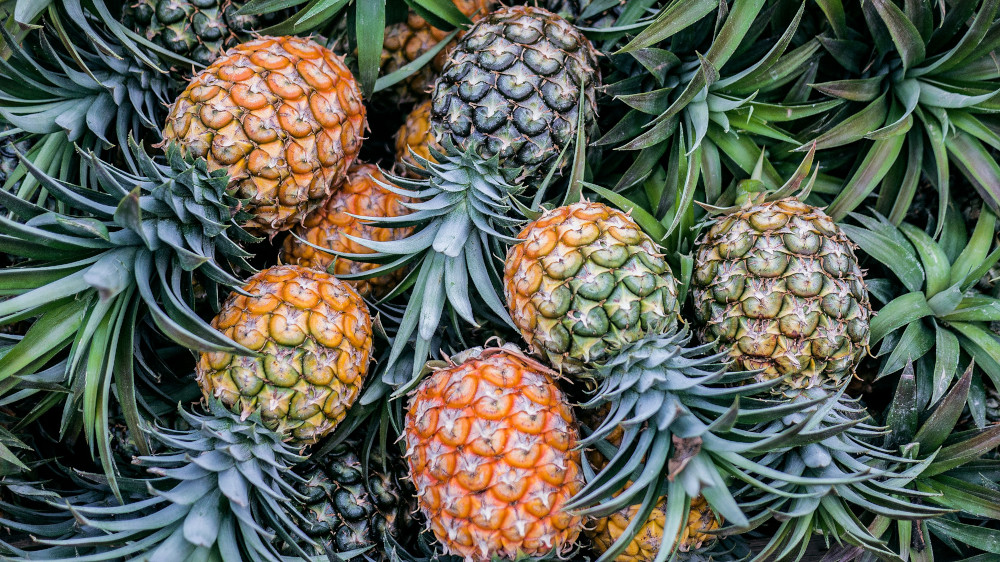
Figure 1: Bromelain is also called the pineapple enzyme because it is found mainly in the stem of the exotic fruit.
The indigenous peoples of South America were already aware of the healing properties of the pineapple. The enzyme bromelain contained in the fruit has anti-inflammatory effects and is used, among other things, for swelling after operations and injuries. Which other complaints the so‑called pineapple enzyme can alleviate is explained in this blog article. You will also receive tips on choosing a bromelain supplement and information on possible side effects.
What is bromelain and how is it obtained?
Under the umbrella term bromelain all protein‑degrading enzymes of the bromeliad family are summarised. The best‑known bromeliad is the pineapple. Bromelain was first discovered and characterised in the exotic fruit in 1891 by the Venezuelan chemist Vicente Marcano. Bromelain belongs to the group of cysteine proteases, which are responsible in the body for the breakdown of proteins. The enzyme supports the body's nutrient supply by helping other enzymes as well as vitamins and minerals to be absorbed and utilised more effectively.
To obtain bromelain, parts of the pineapple—especially the stem—are first washed, shredded and pressed. The bromelain is then isolated from the press juice by centrifugation and filtration.
How much bromelain is in pineapple?
Bromelain does not occur in any other fruit or vegetable species apart from bromeliads. But is it sufficient to eat a few pieces of pineapple regularly to benefit from the positive properties of the enzyme? Unfortunately not. Although the pineapple is undoubtedly healthy due to its vitamins and minerals, it contains on average only about 0.4 milligrams of bromelain. The largest portion is found in the woody core of the fruit, which may therefore be eaten as well. The flesh also contains small amounts of bromelain. Because of the overall low bromelain content of the pineapple, many people choose to take bromelain in a concentrated form as a dietary supplement.
The slight tingling in the mouth that sometimes occurs when eating pineapple is also due to bromelain. The enzyme serves as a protective substance in young fruits. The riper the pineapple, the lower the bromelain content. Unripe, young fruits contain up to ten times more bromelain than ripe pineapples.
Uses and effects of bromelain

Figure 2: The applications of bromelain are varied. Among other things, the enzyme is used for sports injuries, after operations and for pain relief.
As early as the 16th century the French explorer André Thevet described the high value that the pineapple has for the indigenous population of South America. They use the fruit not only as food but also in naturopathy. That the consumption of pineapple can have a positive effect on various complaints is due not least to the bromelain it contains. The enzyme acts, among other things, anti‑inflammatory, wound‑healing and antioxidant. [1]
Because of its broad spectrum of effects, there are numerous areas in which bromelain is relevant. Alongside papain, which is obtained from the juice of unripe papayas, it is the plant enzyme most frequently used in systemic enzyme therapy. However, there are only a few studies that prove the efficacy of bromelain. The suggestion that bromelain inhibits the growth and proliferation of cancer cells has not yet been confirmed by studies. Below you will find a selection of the most common and promising applications of bromelain.
Swelling and sports injuries
Bromelain supports the breakdown and removal of proteins that cause swelling. It reduces the production of inflammatory mediators (prostaglandins) and inhibits the inflammatory processes in the body that lead to swelling and pain after injuries and operations. [2] Bromelain is often used after surgical procedures such as sinus, dental, jaw or knee operations.
The decongestant and pain‑relieving effects of bromelain can also benefit people who are physically active. After sports injuries such as bruises, strains or sprains, bromelain intake is often recommended. Overuse in sports can also cause direct or indirect injuries to the muscle and ligament apparatus. Bromelain can in this case shorten the convalescence time and alleviate muscle pain after intensive training. [3]
Chronic inflammations
Since bromelain can help fight sites of inflammation in the body, chronic inflammations are another common area of application. These include chronic nasal‑sinus inflammations as well as infections of the urogenital tract. Supplementation with bromelain can also be useful for acne and eczema. The antibacterial properties of the enzyme help to soothe and clarify the skin.
In addition, the administration of bromelain has proven effective in osteoarthritis. The world's most common joint disease is usually associated with severe pain for those affected. Painkillers such as diclofenac are therefore often prescribed, but these can be accompanied by unpleasant side effects such as gastrointestinal complaints, dizziness and fatigue.
A randomised, double‑blind study concluded that bromelain represents an effective alternative to painkillers. In the study, participants were divided into two groups. The first group received a medicinal product containing bromelain, trypsin and the plant secondary compound rutin, while the second took diclofenac. It was shown that the bromelain combination product reduced the physical limitations and pain of the osteoarthritis patients at least as effectively as the administered painkiller. [4]
Blood clotting
Fibrin is the protein responsible for blood clotting in the body. If too much fibrin is present, increased thrombus formation can in the worst case lead to thrombosis. Bromelain promotes the breakdown of fibrin and thus the healthy flow properties of the blood. The enzyme can not only help prevent clots but can even dissolve them. [5] In addition, bromelain affects blood clotting by lengthening bleeding time.
Digestive complaints
As a proteolytic enzyme, bromelain is heavily involved in breaking down proteins into amino acids. By breaking them down, the intestine can utilise the protein much better. Accordingly, bromelain is often used as a digestive aid and for complaints of the digestive tract. Thanks to its anti‑inflammatory properties, the enzyme can also accelerate the healing process of diseases of the digestive tract.
What to consider when choosing a bromelain product
Bromelain is usually taken as a dietary supplement in the form of enteric‑coated capsules or tablets. This ensures that the products are not destroyed by stomach acid. Instead, the active ingredient is only released in the intestine and absorbed into the bloodstream from there, which increases its effectiveness. In addition to bromelain in capsule and tablet form, there are also special bromelain gels that are primarily used for topical treatment of burn wounds.
In addition to enteric coating, you should check the activity units F.I.P and GDU when buying a bromelain supplement. F.I.P (Fédération Internationale Pharmaceutique) is a standardised international unit for measuring enzyme activity. GDU (Gelatin Digesting Units) measures the activity levels of enzymes. The bromelain capsules from Unimedica contain 3,120 GDU and 6,240 F.I.P. per daily dose. The bromelain contained is obtained naturally from pineapple extraction. Unlike many other preparations that contain animal enzymes such as trypsin, the vegan capsules contain exclusively plant‑based active ingredients.
In general, bromelain is a common component of combination products. A popular mix is bromelain with papain from papaya. The enzyme combination has a diuretic effect and can also help with digestive complaints. Another example of a purely plant‑based combination product is the Blütentraum Complex from Unimedica. The carefully coordinated composition of selected plant extracts, vitamins and trace elements was developed to comprehensively support the body's own defence mechanisms.
Notes on taking and dosing bromelain
If you supplement with bromelain, you should pay particular attention to taking it between meals. Only then can the enzyme be well absorbed in the intestine. Enteric‑coated tablets or capsules are best taken several times a day and about 30 to 60 minutes before a meal. The products should always be swallowed whole and never chewed.
A daily dose of 80 to 320 mg of bromelain is recommended. This corresponds to 200 to 800 F.I.P. units. For self‑medication, the duration of use should not exceed four to five days. Be sure to observe the manufacturer's dosage instructions and intake recommendations and take bromelain only until your complaints have subsided. Long‑term supplementation is also possible following medical consultation.
Possible side effects
Bromelain preparations are generally well tolerated and are considered low in side effects. Only one in a hundred to one in a thousand patients experience gastrointestinal complaints and diarrhoea. Allergic reactions, which typically manifest as skin rashes or asthmatic symptoms, are also possible. If you notice any of these symptoms, you should discontinue bromelain and seek medical assistance.
When should bromelain not be taken?
People with allergies to pineapple, kiwi, melon or papaya should not take bromelain. If you are unsure, it may be useful to have an allergy test before starting supplementation. Caution is also advised when taking blood‑thinning medications, platelet aggregation inhibitors and antibiotics at the same time, as bromelain can influence the effects of these drugs.
Whether bromelain is safe for pregnant or breastfeeding women and for children under twelve years of age has not been sufficiently researched to date. For these groups it is therefore advisable to refrain from taking bromelain or to always discuss it with the treating physician beforehand.
Sources:
[1] Nyi M Saptarini et al. Antioxidant activity of crude bromelain of pineapple (Ananas comosus (L.) Merr) crown from Subang district. Indonesia, J Pharm Bioallied Sci. 2019 Dec. https://www.ncbi.nlm.nih.gov/pmc/articles/PMC7020843/.
[2] Hikisz P, Bernasinska-Slomczewska J. Beneficial Properties of Bromelain. Nutrients. 2021 Nov. https://pubmed.ncbi.nlm.nih.gov/34959865/.
[3] Buford TW, Cooke MB, Redd LL, Hudson GM, Shelmadine BD, Willoughby DS. Protease supplementation improves muscle function after eccentric exercise. Med Sci Sports Exerc. 2009 Oct. https://pubmed.ncbi.nlm.nih.gov/19727022/.
[4] Akhtar, N.M., Naseer, R., Farooqi, A.Z. et al. Oral enzyme combination versus diclofenac in the treatment of osteoarthritis of the knee – a double-blind prospective randomized study. 2004. https://doi.org/10.1007/s10067-004-0902-y.
[5] Pavan R, Jain S, Shraddha, Kumar A. Properties and therapeutic application of bromelain: a review. Biotechnol Res Int. 2012 Dec. https://pubmed.ncbi.nlm.nih.gov/23304525/.
Photos: Phoenix Han, Towfiqu barbhuiya

