
.jpg)
Figure 1: For an increasing number of women a true ordeal – Polycystic Ovary Syndrome (PCOS)
Polycystic Ovary Syndrome (PCOS) can be an enormous challenge for the women who suffer from it. At its core is a hormonal disorder that affects the menstrual cycle, fertility and the general physical and emotional wellbeing of women. Women with PCOS often have irregular or absent menstrual periods and elevated androgen levels (male hormones), which can lead to symptoms such as acne, hair loss or excessive hair growth. Many also experience insulin resistance, which makes losing weight difficult and affects the distribution of body fat. It is easy to imagine how severely PCOS can impact a woman's sense of femininity and self-esteem.
Supplementing with the right nutrients
From a naturopathic perspective, PCOS is a sign that the body needs support – whether through a balanced diet, natural remedies or targeted nutrients. It is possible to restore balance to the body.
Here we present five important natural substances to support the body in PCOS.
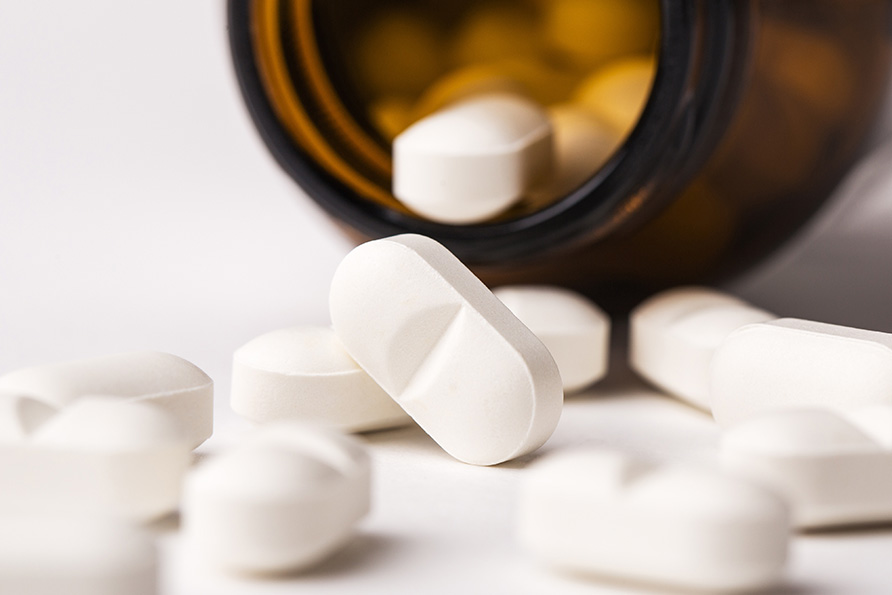
Figure 2: Polycystic Ovary Syndrome can be supported by a variety of natural remedies.
1. Magnesium
Magnesium is regarded as a central supplement in PCOS because it helps reduce inflammation, which often plays a role in the various forms of the syndrome. It is particularly important when insulin resistance and inflammation occur together, as magnesium supports blood sugar regulation. This is significant because PCOS is often associated with insulin resistance. Magnesium also influences adrenal function and thus cortisol release. Supplementation is especially useful for women whose adrenal glands are exhausted or otherwise impaired.
The author and hormone expert Lara Briden points out that magnesium deficiency is widespread and often not reliably detected by blood tests. Therefore she recommends magnesium as a supplement in the form of magnesium glycinate or bisglycinate. These are considered well absorbed and gentle on the stomach.
With regular magnesium intake many women with PCOS can notice an improvement in their symptoms. Several studies have examined the influence of magnesium in PCOS. These emphasise that magnesium in combination with vitamin E, zinc, calcium and vitamin D can significantly improve glucose and lipid metabolism in women with PCOS. Magnesium alone did not achieve these effects in PCOS patients. [1]
2. Zinc
According to Briden, the trace element zinc is also important for restoring hormonal balance.
Zinc is an essential trace element that plays an important role in many biological processes, including hormone regulation. Zinc supports the maturation of eggs and can thus help promote ovulation. It also reduces inflammation and improves insulin sensitivity.
Scientific studies have also shown a link between zinc and PCOS. It has been found that zinc supplementation in women with PCOS positively affects numerous parameters, particularly insulin resistance and lipid profiles. [2]
3. DIM
Diindolylmethane (DIM) is generally recommended as a natural supplement for hormonal imbalances and specifically for PCOS. DIM is a bioactive compound derived from cruciferous vegetables such as broccoli, cauliflower and other cabbages. It acts on oestrogen metabolism and can help in PCOS.
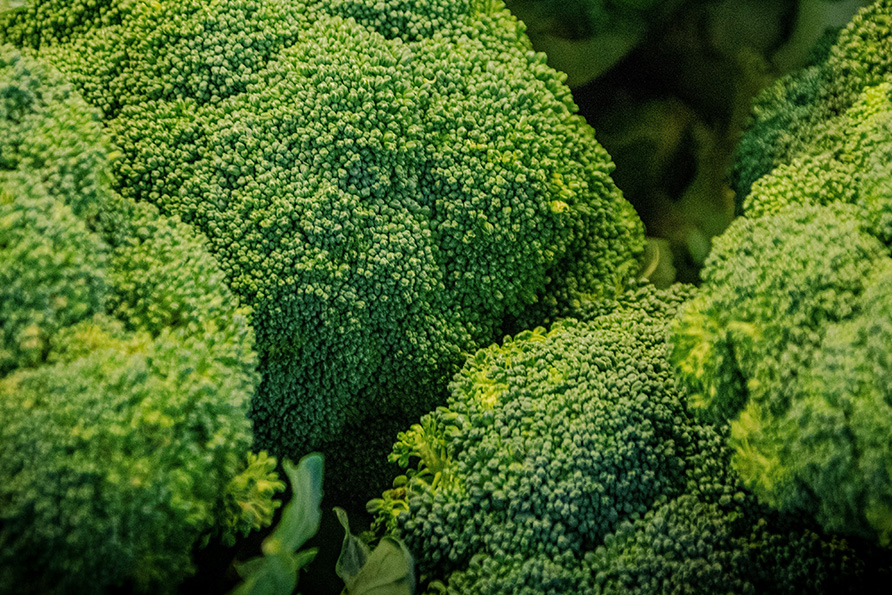
Figure 3: The cruciferous vegetable family is a good source of the plant compound diindolylmethane (DIM)
DIM promotes the conversion of oestrogen into more favourable metabolites. This is particularly important for women with PCOS, as the hormonal disorder is often accompanied by oestrogen dominance. DIM supports the body in naturally eliminating excess oestrogen, which can help relieve hormonal symptoms such as irregular cycles and premenstrual complaints.
Through its effect on oestrogen metabolism, DIM can indirectly help reduce androgen production. In addition, DIM supports the liver's detoxification function by facilitating the breakdown of excess hormones such as oestrogens and androgens.
Lara Briden recommends DIM supplementation for women with PCOS who suffer from oestrogen dominance or androgen excess. However, she also stresses that DIM may not be suitable for women who already have very low oestrogen levels.
The positive effects of DIM have been confirmed in clinical studies. For example, a daily intake of 100 mg diindolylmethane (DIM) was shown to balance oestrogen metabolism. A reduction in testosterone was also confirmed in this study. [3]
4. Myo-inositol
In recent years Myo-inositol has become well known as a supportive agent in Polycystic Ovary Syndrome (PCOS). Myo-inositol is a natural, vitamin-like substance and was formerly classed among the B vitamins.
The benefits of inositol can be summarised as follows:
Myo-inositol can improve insulin sensitivity and positively influence hormone levels, which in turn can alleviate symptoms such as irregular cycles and acne.
Myo-inositol has a positive effect on mood, sleep and thyroid function. These properties make it a versatile agent that can support not only hormonal problems but also overall metabolism. [4] Inositol regulates the menstrual cycle, improves ovulation and produces favourable metabolic changes in PCOS. [5]
Inositol is the umbrella term covering all isomers (variants) of this natural substance, while myo-inositol refers to a specific form. Myo-inositol has particular biological significance and is used specifically, for example, in the treatment of PCOS. Studies have shown that myo-inositol can restore spontaneous ovarian activity and thereby fertility in most patients with PCOS. [6] It has a positive effect on insulin sensitivity, menstrual regulation and balancing androgen levels.
Myo-inositol promotes the natural function of the ovaries and supports regular ovulation. [7]
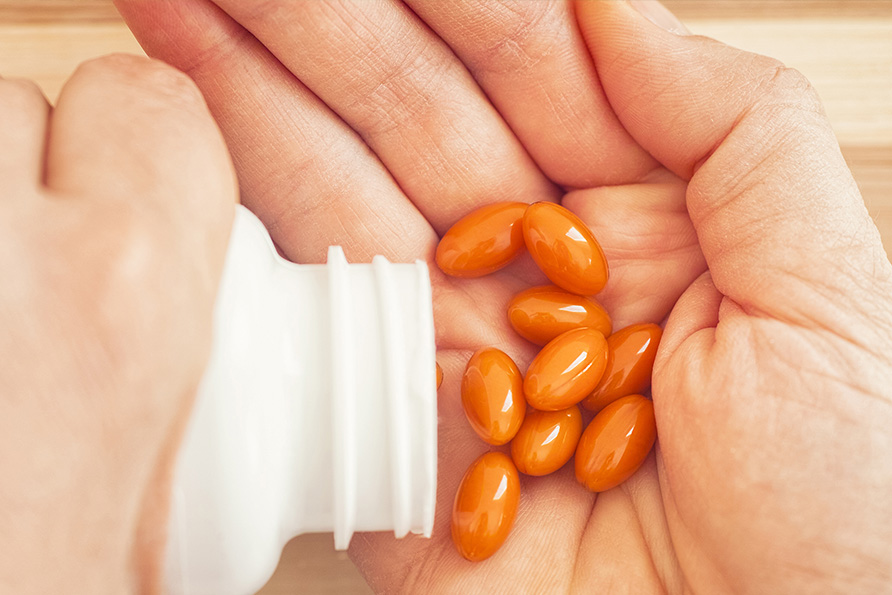
Figure 4: Coenzyme C10 acts on the mitochondria and is regarded as a natural energy source.
5. Q10
Coenzyme Q10, often simply referred to as Q10, can be an important aid for women with Polycystic Ovary Syndrome (PCOS). Q10 is a fundamental component of mitochondria, the "powerhouses" of our cells, and plays a central role in the production of ATP, the cells' main energy source. Women with PCOS often suffer from chronic fatigue and lack of energy, which can partly be attributed to disturbed cellular metabolism. Taking Q10 can help increase cellular energy production, leading to an improvement in overall energy levels and wellbeing.
Lara Briden recommends coenzyme Q10 (CoQ10) in PCOS for three reasons:
For women with PCOS who have difficulty ovulating regularly or conceiving, CoQ10 can help improve egg quality and thus increase the chances of a healthy ovulation and a successful pregnancy.
PCOS is often associated with oxidative stress. CoQ10 is a powerful antioxidant that protects cells from damage by free radicals. This can help reduce inflammation and promote general wellbeing.
Coenzyme Q10 can improve insulin resistance. A scientific study shows that Q10 alone or in combination with vitamin E has significant effects on fasting blood sugar (FBS) compared with placebo trials. This means that Q10 can be a sensible supplement in cases of elevated insulin levels. [8]
Conclusion:
PCOS is a chronic hormonal disorder that cannot be completely cured but can be well managed through a targeted combination of nutrition, natural supplements and lifestyle adjustments. Key aspects are regulation of blood sugar, improvement of insulin sensitivity and support of hormonal balance through natural agents such as magnesium, zinc, DIM, myo-inositol and CoQ10. Through these integrative approaches many women can significantly alleviate their symptoms and improve their quality of life. A sedentary lifestyle, lack of exercise, an unbalanced diet, stress, etc. are additional factors that contribute and should be included in treatment.
Books
- https://www.narayana-verlag.de/Der-sanfte-Weg-zur-Fruchtbarkeit-Randine-Lewis/b27687
- "PCO Syndrome Healing". Amy Medling
- https://www.narayana-verlag.de/Praxishandbuch-Frauenkraeuter-Margret-Madejsky/b24619
Sources
[1] https://www.frontiersin.org/journals/endocrinology/articles/10.3389/fendo.2022.974042/full
[2] https://www.mdpi.com/2072-6643/12/8/2464
[3] https://www.ncbi.nlm.nih.gov/pmc/articles/PMC7219449/
[4] https://www.narayana-verlag.de/Hormone-im-Lot-Lara-Briden/b31702
[5] https://obgyn.onlinelibrary.wiley.com/doi/10.1111/1471-0528.14754
[6] https://www.tandfonline.com/doi/abs/10.3109/09513590.2011.650660
[7] https://www.tandfonline.com/doi/abs/10.3109/09513590.2011.650660
[8] https://academic.oup.com/jcem/article/104/2/319/5091457
Disclaimer
According to current knowledge, the noticeable findings that become visible on ovarian ultrasound are in over 98% of cases normal, harmless changes that do not require surgery. Nevertheless, cystic processes that are visible on ultrasound from the age of 40 or in postmenopause should be examined further. This article does not replace treatment by a qualified practitioner. The basis of this article is studies and current literature. It must not be used for self-diagnosis or self-treatment. If in doubt, discuss any ideas from this article with a practitioner you trust.
Figure 1: bedya/Shutterstock.com; Figure 2: Gala Oleksenko/Shutterstock.com; Figure 3: DronG/Shutterstock.com; Figure 4: StepanPopov/Shutterstock.com

