
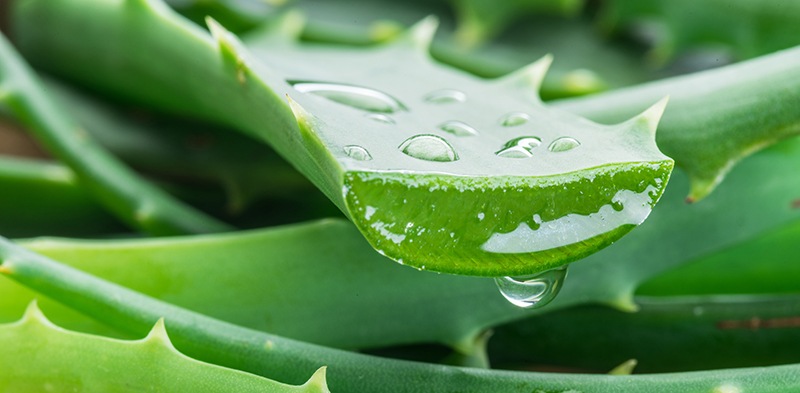
Figure 1: Aloe vera is one of the best-known traditional medicinal plants. Due to its ability to retain large amounts of water, the plant can survive for several months even during severe drought.
Aloe vera is a fascinating medicinal plant that is said to have been used by Cleopatra for beauty care. The "desert lily" is used not only in skincare but also in naturopathy to treat conditions such as sunburn or minor cuts. In this blog article you will learn, among other things, which active ingredients are contained in aloe vera and what you should definitely look out for when buying a product containing aloe vera.
Aloe vera: The fascinating "desert lily" in profile
The history of aloe vera goes back to ancient Egypt: Cleopatra and the beautiful Nefertiti are said to have used it for skin care. Alexander the Great, on the other hand, used the medicinal plant to treat his soldiers' wounds. Its diverse properties have earned aloe vera numerous names: the ancient Egyptians called it the "plant of immortality", while today the epithet "desert lily" is common.
Aloe vera belongs to the lily family and to the plant type of succulents. It probably originally came from the Arabian region but is now also cultivated in many other regions, for example around the Mediterranean, in Mexico and India. One particularly fascinating feature of aloe vera is that it stores large quantities of water in its leaves and can survive for months during drought periods. In addition, the plant is capable of healing itself by sealing its own wounds.
There are hundreds of different aloe species, of which "Aloe barbadensis Miller", also known as "true aloe vera", is the best known. The thick leaves of the medicinal plant consist of three layers: the leaf rind, the leaf juice and the leaf gel. The leaves can be peeled and pressed into juice. In skin care, however, it is primarily the aloe vera gel that is sought after, which must first be extracted from the leaves. Before the gel can be further processed, bitter and potentially laxative substances are carefully removed.
Aloe vera and the variety of its ingredients
Aloe vera is made up of over 90 per cent water. In addition, the plant contains more than 160 valuable nutrients. The main components of the special combination of active substances in aloe vera include:
- mono- and polysaccharides
- amino acids
- enzymes
- minerals
- trace elements
- secondary plant compounds
Particularly noteworthy is the ingredient acemannan (or "aloverose"), which is also found in taiga root and ginseng. This polysaccharide is produced in the human body up to puberty and must be obtained from food in adulthood. Acemannan is attributed with numerous bioactive properties. As studies have shown, the sugar has, among other things, positive effects on cell division and wound healing.[1] Aloe vera gel also contains salicylic acid and other essential oils, which can have anti-inflammatory, antibacterial and analgesic effects.
External or internal: how should aloe vera be used?
Aloe vera can be used both topically and internally. The juice of aloe vera has a cooling, regenerative and soothing effect on the skin, which is why it is often used for sunburn or minor cuts. To use aloe vera as a home remedy, you can simply cut an aloe leaf lengthwise and apply the gel directly to the skin.
Internal use of aloe vera, however, should be approached with caution: aloe vera juice contains the bitter substance aloin, which serves to protect the desert plant from predators. Aloin was long used as a strong laxative. Today its use is rare or limited to short periods, since high doses of aloin can overstimulate the intestinal mucosa and worsen existing digestive problems.[2] Internal use of aloe vera should therefore only take place after medical consultation. If you want to take a commercially purchased product, you should always check in the product description beforehand whether internal use is possible and advisable.
Effects and applications of aloe vera as a medicinal plant
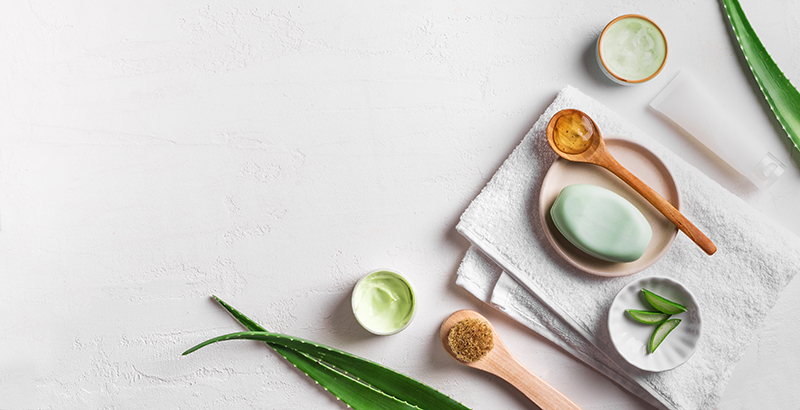
Figure 2: Due to its cooling, soothing and moisturising properties, aloe vera is a popular home remedy for many complaints.
Aloe vera is considered a true "all-rounder" among medicinal plants and has been used in naturopathy for centuries to treat many ailments. The healing effects of aloe have also been investigated in clinical studies, although a large proportion of the studies conducted to date are cell or animal experiments. Further controlled clinical studies that investigate the health effects of aloe vera in humans are desirable.
Below we present some conditions and ailments for which aloe vera is commonly used and explain the respective effects of the medicinal plant.
Dry and blemish-prone skin
The leaf juice of aloe vera has a cooling and calming effect on contact with the skin. Dry skin in particular benefits from the high water content of the medicinal plant. Aloe vera can help to replenish the skin's moisture stores and reduce feelings of tightness. In addition, aloe vera is often used with the aim of helping spots to subside more quickly and preventing new blemishes. Contained antiseptic substances such as salicylic acid, phenols, lupeol or cinnamic acid can help protect against fungi, bacteria and viruses.[3]
Skin diseases
Another common application of aloe vera is for skin diseases such as eczema, dermatitis or psoriasis. A double-blind, placebo-controlled study at Malmö University Hospital included 60 patients with moderate psoriasis. Half of the participants applied an ointment containing 0.5 per cent aloe vera extract to the affected areas three times daily for 16 weeks, while the other half received a placebo. After a one-year follow-up period, psoriasis had significantly subsided in 25 of the 30 patients who had applied aloe vera extract. No side effects from the aloe vera preparation were observed.[4]
Sunburn and burns
Sunburn is a form of inflammation that is often accompanied by swelling and drying of the upper layers of the skin. As a natural after-sun treatment, aloe vera has a moisturising, soothing and pleasantly cooling effect. As a 2006 study showed, the desert plant even performed better than hydrocortisone in treating sunburn and burns, which is why it could be a good alternative to common corticosteroid therapy.[5]
Wound healing after operations
Certain constituents of aloe vera such as glucomannan and gibberellins can influence collagen synthesis. Increased collagen production through the application of aloe vera gel can be particularly beneficial for wound injuries, as wound healing is accelerated and scar formation reduced.[6] In addition to improved wound healing, aloe vera can sometimes have a positive effect on pain perception. In one study, a group of patients after haemorrhoid surgery were treated either with an aloe vera cream or with a placebo. Although the aloe vera group took fewer painkillers, wound pain 14 days after the operation was still significantly lower compared with the placebo group.[7]
Intensively moisturising: aloe vera in skin care
Given the moisturising and caring properties of aloe vera, it is not surprising that the plant is included in numerous skin care products such as creams, scrubs, after-sun lotions or face masks. A high-quality aloe vera gel such as the Aloe Vera Gel from Unimedica is quickly absorbed and supports a velvety-soft skin feel without greasiness. For particularly delicate skin, it is advisable to mix the gel with a little skin oil.
In natural cosmetics, aloe vera is also often combined with other natural and skin-caring ingredients. For example, the Aloe Vera 24h Cream from Unimedica contains, in addition to organic aloe vera, cucumber extract, avocado oil, moringa oil, hyaluronic acid and organic melon extract. The plant oils from moringa and avocado condition and nourish the skin, leaving it feeling fresh and supple for up to 24 hours. If you are primarily looking for intensive moisturising care, the Hyaluron Cream from Unimedica could be the right product for you. Like aloe vera, hyaluronic acid has the ability to bind a large amount of moisture, which helps to create a radiant, fresh complexion.
What to look for when buying products containing aloe vera
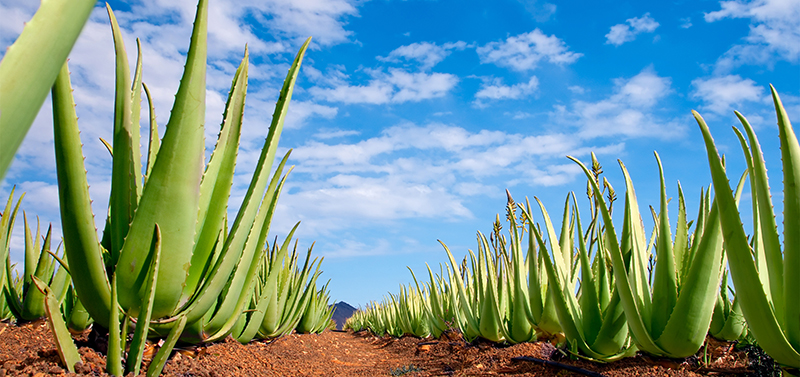
Figure 3: In addition to the aloe vera species used, you should pay attention to the preservation method and organic quality when choosing an aloe vera product.
Aloe vera products are available in pharmacies, drugstores and online. To select a high-quality and safe product, it is advisable to pay particular attention to some aspects when purchasing. First, you should check whether the aloe vera species used is true aloe vera. Products made from pure leaf gel or pulp do not need to be filtered, preserving a large part of the valuable active substances. The higher the aloe vera content in creams and other care products, the better the plant can exert its effects. For aloe vera gel, the preservation method is also an important quality feature. Preservation by synthetic preservatives or pasteurisation is essential so that the gel remains stable for several weeks or months. We recommend preferring a pasteurised product that is not burdened with synthetic substances.
If it is important to you to use a natural and as gently processed product as possible, you should also look for organic quality. Only organic products guarantee that no pesticides were used in the cultivation of the contained aloe vera. Certified natural cosmetics such as the Aloe Vera shower gel from Unimedica is made of 99% natural raw materials in total and contains no microplastics or soap.
Possible side effects of aloe vera
Before using skin care products with aloe vera for the first time, you should perform an allergy test. Dab a small amount of the product onto a small area of skin and observe whether symptoms such as rash or itching occur. If aloe vera extract is taken orally, it may cause gastrointestinal complaints, nausea, vomiting, diarrhoea and hot flushes.[8] Pregnant and breastfeeding women should avoid internal use, as aloe vera can have a laxative effect and cause abdominal cramps.
[1] Xing W, Guo W, Zou CH, Fu TT, Li XY, Zhu M, Qi JH, Song J, Dong CH, Li Z, Xiao Y, Yuan PS, Huang H, Xu X. Acemannan accelerates cell proliferation and skin wound healing through AKT/mTOR signaling pathway. J Dermatol Sci. 2015 Aug. https://pubmed.ncbi.nlm.nih.gov/26049685/.
[2] BfR (2017): Nahrungsergänzungsmittel mit anthranoidhaltigen Aloe-Ganzblattzubereitungen bergen gesundheitliche Risiken. https://mobil.bfr.bund.de/cm/343/nahrungsergaenzungsmittel-mit-anthranoidhaltigen-aloe-ganzblattzubereitungen-bergen-gesundheitliche-risiken.pdf.
[3] Surjushe A, Vasani R, Saple DG. Aloe vera: a short review. Indian J Dermatol. 2008. https://www.ncbi.nlm.nih.gov/pmc/articles/PMC2763764/#CIT23.
[4] Syed TA, Ahmad SA, Holt AH, Ahmad SA, Ahmad SH, Afzal M. Management of psoriasis with Aloe vera extract in a hydrophilic cream: a placebo-controlled, double-blind study. Trop Med Int Health. 1996 Aug. https://pubmed.ncbi.nlm.nih.gov/8765459/.
[5] Stump J. Antiinflammatorische Wirkung von Aloe vera Gel (97,5%) im UV-Erythemtest, eine monozentrische, randomisierte, placebokontrollierte Doppelblindstudie. 2016. https://freidok.uni-freiburg.de/data/2842 (accessed: 15.09.2024).
[6] Heggers JP, Kucukcelebi A, Listengarten D, Stabenau J, Ko F, Broemeling LD, Robson MC, Winters WD. Beneficial effect of Aloe on wound healing in an excisional wound model. J Altern Complement Med. 1996. https://pubmed.ncbi.nlm.nih.gov/9395659/.
[7] Eshghi F, Hosseinimehr SJ, Rahmani N, Khademloo M, Norozi MS, Hojati O. Effects of Aloe vera cream on posthemorrhoidectomy pain and wound healing: results of a randomized, blind, placebo-control study. J Altern Complement Med. 2010 Jun. https://pubmed.ncbi.nlm.nih.gov/20569031/.
[8] Universitätsklinikum Jena (2016): Patienteninformation: Aloe vera. https://www.uniklinikum-jena.de/kim2_media/H%C3%A4maOnko/Patienten_%C3%84rzte/Integrative+Onkologie/Aloe+vera_2016_Pat-p-2592.pdf (accessed: 16.09.2024).
Figure 1: Valentyn Volkov/Shutterstock.com; Figure 2: Oksana Mizina/Shutterstock.com; Figure 3: tilialucida/Shutterstock.com

