
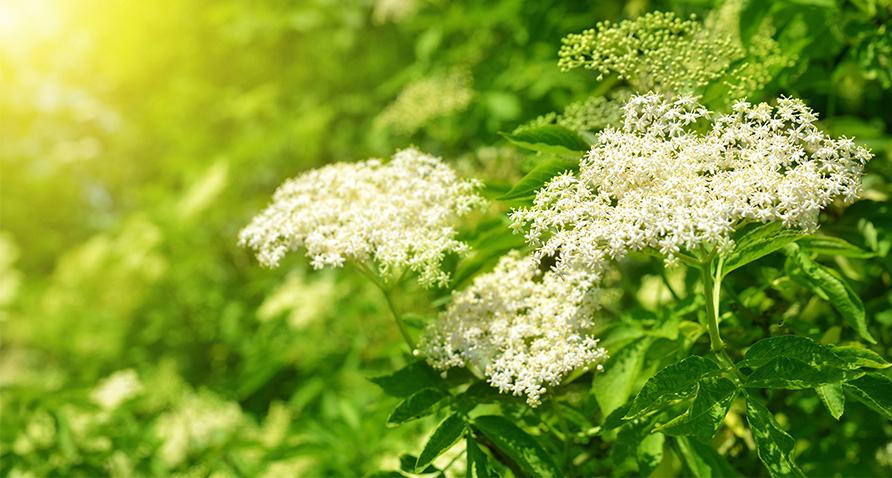
Figure 1: With its unmistakable scent, the flowering elder announces early summer. The plant has been valued in naturopathy since antiquity.
As a traditional medicinal plant, elder is primarily used for colds and flu-like infections. In addition, elderflowers and berries are a popular ingredient in juices, jams or delicious elderberry fritters. In this blog article you will learn what else distinguishes elder – the medicinal plant of the year 2024 – how it works and what you should bear in mind when using it in the kitchen.
Elder: a member of the moschatel family with an intoxicating scent
Elder belongs to the moschatel family (Adoxaceae). The shrub or small tree blooms between May and June. At that time the elder forms flat flower clusters, so-called "false umbels". With their intoxicatingly sweet scent, the cream-coloured buds herald early summer. On the branches of the black elder, glossy violet-black berries ripen from September onwards, providing food for many bird and mammal species. Although they are commonly referred to as elderberries, botanically the fruits of elder are classified as drupes (stone fruits).
Elder is a fast-growing, warmth-loving woody plant. It feels particularly at home at woodland edges, in field hedges or in gardens. The shallow-rooted plant can grow up to ten metres high and live for up to a hundred years. It prefers soils with a high nitrogen content. Elder goes by many names and is, depending on the region, also called holderbusch, holler, elder tree or dolder.
Also interesting are the numerous myths surrounding elder. The Germanic peoples believed that the goddess Holla and benevolent house spirits lived in the elder tree. To avoid bringing misfortune to homesteads, elder trees were not to be cut or felled. Another old folk belief holds that elder is a sacred tree that protects against misfortune and lightning strikes. This also explains why elder trees were often planted near houses and stables. In some regions it is still traditional today to doff one’s hat in passing before an elder tree to appease the spirits believed to dwell within.
Which native elder species are there?
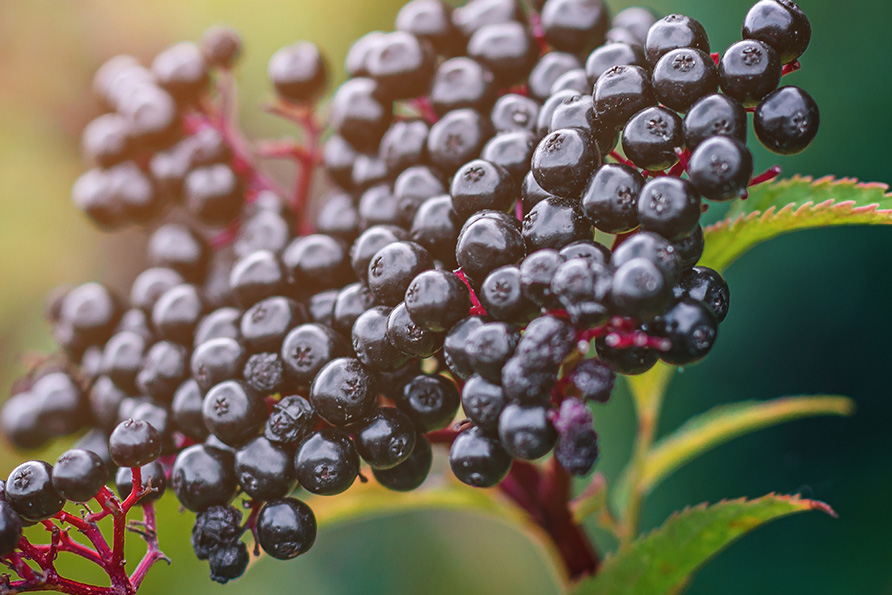
Figure 2: Black elder, red elder and dwarf elder are among the best-known native elder species.
Around twenty elder species are known worldwide, but only a few grow wild in this region. Below we briefly present the most important native elder species.
Black elder
When people commonly refer to elder, they usually mean black elder (Sambucus nigra). Its flowers and fruits are used as food and medicine. Black elder is extremely robust and frost-hardy. It thrives not only in Europe but, for example, also in India, Asia Minor, North Africa and western Siberia. The purple pigment sambucyanin is found in the berries of black elder and was formerly used to dye hair, textiles and leather. To highlight its numerous benefits, black elder was recently chosen as Medicinal Plant of the Year 2024 by the naturopathy association (NHV) Theophrastus.[1]
Red elder
The berries of red elder (Sambucus racemosa) are significantly smaller than the fruits of black elder. In addition, the fruit clusters are upright, whereas those of black elder usually hang down due to their greater weight. However, the raw and unripe fruits of red elder are poisonous and can cause vomiting and diarrhoea. Once the stone seeds are removed and the berries are cooked, red elder—like black elder—can be processed into jam, jelly or juice.
Dwarf elder
The fruits of dwarf elder (Sambucus ebulus) closely resemble those of black elder. But beware: the berries are poisonous! Consumption can lead to sudden vomiting, nausea, diarrhoea and in the worst case even death. Accordingly, dwarf elder is not used as a foodstuff but exclusively as an ornamental plant and for dune stabilisation.
The valuable constituents of elder
Examined more closely, the constituents of elder explain why the plant is a staple of traditional naturopathy. Elderberries contain, among other things, provitamin A, vitamin C and B vitamins. Depending on the plant’s location, the fruits also contain minerals such as magnesium and potassium, as well as phosphorus and iron. Valuable constituents are also found in elderflowers, such as anti-inflammatory essential oils, tannins and flavonoids, including the dark pigment sambucyanin.
Less well tolerated is the toxin sambunigrin, which is found in unripe fruits as well as in the leaves and bark of the elder. Sambunigrin serves the plant as a natural deterrent to being eaten, but in the human body it can be converted into hydrogen cyanide. This often leads to diarrhoea and severe abdominal pain.
The actions of elder as a medicinal plant
As early as antiquity and the Middle Ages, the beneficial health effects of elder were known. Accordingly, elder berries and leaves are still widely used in naturopathy today. The polyphenols contained in the black fruits are credited with cell- and tissue-protective effects. In a study of patients with diabetes, black elder was found to reduce oxidative stress on the blood vessels in diabetes.[2] Another study concluded that elderflower extract can counteract inflammation in the body.[3]
In addition, elder may potentially act as:
- antioxidant
- antiviral
- immune-strengthening
- anti-inflammatory
- diaphoretic (promotes sweating)
- analgesic (pain-relieving)
- expectorant
- digestive stimulant
- mildly laxative
Elder as a home remedy for colds and flu
Because of its antioxidant, antiviral and immune-strengthening effects, elder is often used for colds and flu-like infections. An elderflower tea or an infusion with elder is often recommended as a home remedy to "sweat out" infections. But can elder actually alleviate symptoms of respiratory illnesses or help prevent them? A look at the current body of studies allows this question to be answered with a clear "Yes!" Several interesting investigations found that elderberries can have a positive effect both in the treatment and prevention of colds and influenza.
In a randomised, placebo-controlled double-blind study, 60 patients with flu symptoms took 15 millilitres of elderberry syrup or a placebo four times daily for five days. After four days, the symptoms of the group that had taken elder were reduced compared with those of the placebo group. The researchers concluded that elderberry syrup can be regarded as a safe and effective therapeutic agent for influenza.[4]
Another clinical study investigated whether elderberry extract can prevent the onset of cold- and flu-like symptoms that often occur after long-haul flights. For this purpose, 312 passengers travelling from Australia to other continents took two to three capsules daily containing 300 mg of elderberry extract or placebo capsules. The capsules were taken for the first time ten days before departure and for the last time five days after the flight. In the placebo group, colds occurred more frequently, and they were also more severe and lasted longer than in the elder group.[5] It is therefore suspected that elder may reduce the duration and severity of respiratory illnesses associated with air travel.
Using elder in the kitchen
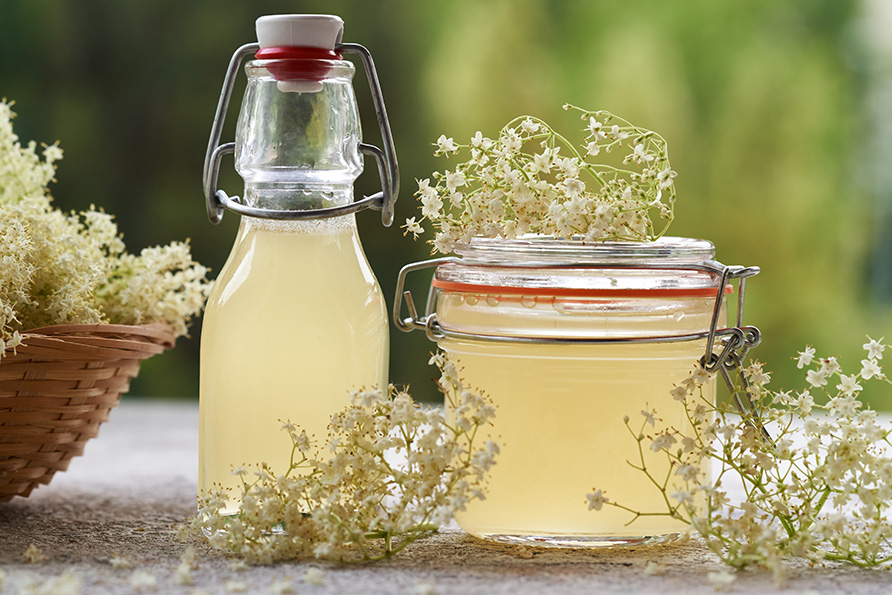
Figure 3: While elderberries are often made into jam and purée, elderflowers are a popular ingredient in various drinks.
Jam, jelly, fruit wine or a delicious sweet soup: elderberries can be processed in many ways in the kitchen. To prepare them, the clusters are first cut from the tree and thoroughly washed. After draining, the berries can simply be removed from the stems with a fork. Since the berries of black elder are mildly poisonous, they should always be heated to above 50 °C for at least half an hour before consumption. Heating breaks down the toxic sambunigrin and eliminates its toxic effect. To avoid destroying the valuable constituents of elder in addition to the sambunigrin, the fruits should not be overheated. Make sure the berries do not boil but are only gently heated.
The flowers are also a culinary delight. In drinks such as elderflower lemonade or elderflower sparkling wine they provide a special aroma. The summer cocktail "Hugo" is very popular: a refreshing mix of wine or Prosecco, mint, lemon, mineral water and elderflower syrup. In some parts of Germany and Austria, so-called "Hollerküchle" or "Hollerküchlerln" are also a popular dish. Children in particular love the elderflowers dipped in pancake batter and then fried until golden brown.
Elder dietary supplements: what to look for
In addition to consuming elderberries and flowers, elder can also be taken in the form of dietary supplements. These preparations offer an easy way to benefit from elder’s valuable constituents. The most common form is elderberry capsules, which are usually taken once or twice daily with plenty of fluid. Because raw or insufficiently processed parts of elder can be poisonous, you should definitely choose a high-quality, carefully processed product.
Elder extract is also often part of active ingredient complexes specifically designed to support the immune system. The UNIimmun capsules from Unimedica combine selected plant extracts with valuable secondary plant constituents. In addition to bioflavonoids from grapefruit and quercetin from the Japanese pagoda tree, these also include polyphenols from elderberries. Per daily dose (2 capsules) the capsules contain 200 mg elderberry extract, of which 60 mg are polyphenols. The high-dose complex additionally contains vitamin C and zinc. Both substances contribute to the normal function of the immune system and to the protection of cells from oxidative stress.
Sources
[1] Federal Centre for Nutrition (2024): Black elder is Medicinal Plant of the Year 2024. https://www.bzfe.de/service/news/aktuelle-meldungen/news-archiv/meldungen-2023/september/schwarzer-holunder-ist-heilpflanze-des-jahres-2024/ (accessed: 18.09.2024).
[2] Ciocoiu M, Mirón A, Mares L, Tutunaru D, Pohaci C, Groza M, Badescu M. The effects of Sambucus nigra polyphenols on oxidative stress and metabolic disorders in experimental diabetes mellitus. J Physiol Biochem. 2009 Sep. https://pubmed.ncbi.nlm.nih.gov/20119824/.
[3] Harokopakis E, Albzreh MH, Haase EM, Scannapieco FA, Hajishengallis G. Inhibition of proinflammatory activities of major periodontal pathogens by aqueous extracts from elder flower (Sambucus nigra). J Periodontol. 2006 Feb. https://pubmed.ncbi.nlm.nih.gov/16460254/.
[4] Zakay-Rones Z, Thom E, Wollan T, Wadstein J. Randomized study of the efficacy and safety of oral elderberry extract in the treatment of influenza A and B virus infections. J Int Med Res. 2004 Mar-Apr. https://pubmed.ncbi.nlm.nih.gov/15080016/.
[5] Tiralongo E, Wee SS, Lea RA. Elderberry Supplementation Reduces Cold Duration and Symptoms in Air-Travellers: A Randomized, Double-Blind Placebo-Controlled Clinical Trial. Nutrients. 2016 Mar 24. https://pubmed.ncbi.nlm.nih.gov/27023596/.
Figure 1: jaroslava V/Shutterstock.com; Figure 2: Super8/Shutterstock.com; Figure 3: Madeleine Steinbach/Shutterstock.com

