

Figure 1: The cold season is approaching. Now is the best time to give the immune system a head start with the right vital nutrients.
The cold season is approaching and with it the period of increased colds and respiratory infections. But why are these illnesses so much more common in the cold months, even though the causative viruses circulate year-round?
A recent study published in the Journal of Allergy and Clinical Immunology shows that the rise in respiratory infections in autumn and winter is linked to a reduced immune response. That means in cold conditions the local immune response is less effective and antiviral defence substances are reduced. The nasal mucosa is the first line of defence against pathogens. Cold, dry air is particularly favourable for cold and flu viruses. They survive longer and are more infectious than in warmer, more humid conditions. [1]
All the more reason to strengthen the immune system and protect yourself from illness. But what does that actually mean?
In this article you will find an overview of how you can gently support your immune system and resilience through natural measures and a conscious lifestyle.
Natural support for the immune system
The immune system is our body's shield against harmful germs, viruses and bacteria. A robust immune system recognises these invaders and effectively fends them off. To support defence mechanisms naturally and holistically, there are several approaches from naturopathy that bring body, mind and soul into balance and thus strengthen the immune system sustainably.
The immune system consists of two main components: the innate and the adaptive immune system. Both build protection against infections but operate in different ways. Vitamins mainly act on the innate immune system while also indirectly supporting the adaptive immune system.
In addition, exercise, proper nutrition, stress management and regular detoxification are extremely important, and a healthy gut also contributes to vitality. So what role do nutrients play in healthy immune defence?
Nutrients are important for a strong immune system
Studies show that specific vitamins, minerals and other nutrients – when taken regularly and in the right amounts – can support the body in defending against harmful pathogens such as bacteria, viruses and other foreign invaders. A micronutrient deficiency weakens the immune system and makes a person more susceptible to infections. [2] Vitamins, minerals and nutrients are essential for the development and function of the immune system because they support the production and activity of immune cells, with requirements varying at different life stages. [3] In particular, white blood cells (leukocytes) such as monocytes and macrophages fight foreign invaders and depend on these nutrients. T cells and B cells, which provide long-term immunity and build an "immune memory", also need these nutrients to function effectively. [4]
An example of which nutrients are needed more in which stages of an infection:
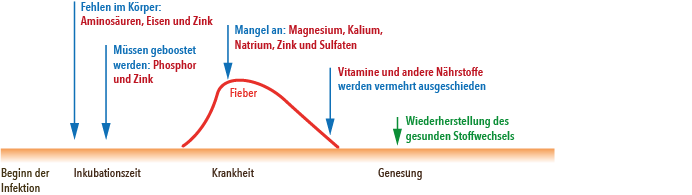
Figure 2: Typical requirement for micronutrients in the different phases of an infectious disease.
Nutrient requirements vary and can increase significantly during an infection, especially with viruses and chronic conditions.
In the early stages of an infection and for prevention, nutrients such as vitamin C, zinc, iron, amino acids and probiotics are crucial.
In the acute phase, anti-inflammatory substances such as omega‑3 fatty acids and NAC are important.
In the recovery phase, the body needs vitamin A and iron to regenerate. [5]
How vitamins support the immune system
The effects of vitamins have been widely studied because they can strengthen the immune system in specific ways. The most important vitamins contributing to the maintenance of immune function include vitamins A, B, C, D, E and beta‑carotene. [6]
1. Vitamin A – an anti‑inflammatory vitamin
Vitamin A is important for the development and differentiation of T cells and B cells, which are major players in the adaptive immune system. It contributes to antibody production and supports mucosal immunity, which prevents pathogens from entering. Even in severe infectious diseases such as Ebola, supportive administration of vitamin A can help reduce mortality. [7] Vitamin A is known as an anti‑inflammatory vitamin. It plays a regulatory role in cellular immune responses. [8]
2. Vitamin C – supports immune function, acts as an antioxidant, reduces inflammation
Vitamin C is one of the best‑known and most well researched vitamins. It supports the production and function of phagocytes and improves the ability of the innate immune system to recognise and destroy pathogens. Vitamin C also promotes an intact skin barrier, which serves as a physical defence against pathogens.
Many studies show that the requirement for vitamin C increases during infections, particularly viral infections such as colds and flu. It can reduce the duration and severity of symptoms. Vitamin C is particularly needed in the early phase of an infection to activate the immune system. Furthermore, some studies have shown that vitamin C deficiency is associated with an increased risk and severity of influenza infections. [9]
Less well known is that red ginseng and vitamin C have excellent synergistic effects. Together they enhance the activation of immune cells and suppress the progression of the lytic cycle of viruses (the process by which a virus infects a host cell, replicates and eventually destroys the cell to release new viral particles). In addition, studies showed a reduction in virus‑induced pneumonia, which increased survival rates. [10]
3. Vitamin D – increases resistance to infections
Especially in winter, vitamin D deficiency can weaken the innate immune system. Vitamin D supports macrophage function and the production of antimicrobial proteins that fend off early invaders. It also regulates inflammatory processes. [11] Vitamin D can also reduce the risk of respiratory infections, which is particularly relevant for influenza and flu‑like illnesses. [12] The active form of vitamin D induces various endogenous antimicrobial peptides with broad activity against viruses, bacteria and fungi. [13]
The holistic health consultant and Autor Andreas Moritz also describes in his books the connection between sunlight, vitamin D and a strong immune defence in detail. Moritz emphasises that vitamin D deficiency increases susceptibility to infections and chronic diseases. [14]
4. Vitamin E – reduces inflammatory reactions
Vitamin E is the strongest fat‑soluble antioxidant found in cell membranes. [15] This antioxidant helps build the immune system by enhancing T cell function, which plays a key role in the adaptive immune system. It protects immune cells from oxidative stress triggered by pathogens.
Vitamin E may also help with influenza: animal studies show that vitamin E can mitigate symptoms from aggressive influenza viruses. [16] Specifically, vitamin E reduces inflammatory responses by decreasing the production of pro‑inflammatory cytokines such as TNF‑alpha, IL‑1 and IL‑6 by monocytes. [17]
5. Vitamin‑like compounds
Vitamins can help build protection against infections and improve immune function. In addition to vitamins A, C, E and D, B‑complex vitamins are also important for the immune system. Vitamin‑like compounds such as choline, carnitine, inositol and coenzyme Q play a decisive role in immune modulation. [18]
- Choline can influence the immune response by supporting immune cell function.
- Carnitine is important for energy metabolism. It can support immune function by improving energy supply to immune cells.
- Inositol can help modulate the immune response through its effects on growth factors and signalling pathways.
- Coenzyme Q10 is an important component of mitochondrial energy production. It also acts as an antioxidant and can protect immune cells from oxidative stress, thereby supporting their function.
Which minerals support the immune system
Besides vitamins, minerals are also helpful for strengthening immune defence. Several studies have shown promising results for the use of minerals to enhance immune functions. The most important minerals in this context include zinc, selenium and iron. [19]
Zinc – one of the most important minerals for the immune system
Zinc is an essential trace element that is crucial for the immune system. The relationship between zinc and our immune system is deep and multifaceted: zinc acts on several levels to support our defences. First, zinc absorption depends strongly on our diet, age and overall health status – all of which influence how much zinc the body can actually absorb. Second, zinc is an indispensable co‑factor for over 300 enzymes that regulate important bodily functions and indirectly strengthen our immune system. Third, zinc directly influences the formation, maturation and function of our white blood cells, which play a key role in immune defence. Finally, zinc itself affects the action of immunostimulants. [20]
If the body suffers from zinc deficiency, this often manifests as skin and mucosal problems as well as reduced defence capability. Zinc is important for the health of cells, particularly in tissues that renew rapidly such as skin, mucous membranes and immune cells. Without sufficient zinc, cell division in these areas cannot proceed at optimal speed. This leads to weakened barriers and thus a weakened immune system.
A balanced mineral status is therefore indispensable to protect the body optimally and strengthen its natural defences.
Iron – important for defence
Iron is an indispensable building block for our body. It ensures the oxygen supply to cells and the function of many important enzymes. Lack of iron not only impairs the energy balance of cells but also weakens the immune system. In particular, macrophages – our "phagocytic cells" in the immune system – and the production of important signalling molecules, cytokines, suffer from iron deficiency. These minerals act on many levels to strengthen our immune system and preserve its natural balance. A healthy iron level is therefore essential to maintain and strengthen the body's defences.
Iron and immunity are closely linked. On the one hand, many of the genes/proteins involved in iron homeostasis play a decisive role in controlling iron flow so that bacteria are prevented from using iron for their growth; on the other hand, cells of the innate immune system – monocytes, macrophages, microglia and lymphocytes – are able to combat bacterial attacks by carefully controlling where available iron is directed. [21]
Selenium – important for immune cells
Selenium acts as an antioxidant and protects cells from oxidative stress, which is particularly important for the function of immune cells. It also supports antibody production. For lymphocytes – an important group of immune cells – selenium is important, because selenium deficiency can significantly disrupt the activity of these cells and thus weaken the immune system. Selenium acts as an antioxidant and protects cells from damage by free radicals, which is especially important for lymphocytes in defending against viruses and other pathogens. Selenium deficiency not only reduces antibody production but also weakens the overall immune response, leading to increased susceptibility to infections. [22]
Which antioxidants strengthen the immune system
Antioxidants also play an important role in supporting the immune system. They neutralise free radicals and reduce oxidative damage. There are many natural antioxidant substances that are particularly valued for their immune‑strengthening properties. These include, for example:
- Quercetin, a powerful flavonoid found, for example, in onions. It helps reduce inflammation and strengthens defences through its antioxidant properties. Quercetin showed strong antiviral activity in a recent study, particularly against influenza A and B viruses, with suppressive effects on virus‑induced cellular activities. [23]
- Silymarin, an active compound from milk thistle, protects liver cells and supports overall immune defence. [24]
- Curcumin, the main component of turmeric, is anti‑inflammatory among other effects and supports the immune system in defence against infections. As one study shows, curcumin has a direct effect on the infectivity of viral particles; this effect was observed, for example, against H1N1 influenza viruses. [25]
- Zeaxanthin is a carotenoid. It protects the eyes and contributes to general immune defence by combating oxidative damage. Studies show that zeaxanthin can lower inflammatory markers in the blood. Further investigations found that zeaxanthin inhibits pro‑inflammatory genes and reduces oxidative damage, which could also be beneficial in respiratory diseases. Overall, the results suggest that zeaxanthin has positive effects on eye and respiratory health. [26] [27] Carotenoids offer a variety of health benefits due to their protective and therapeutic properties, their ability to strengthen the immune system, and their antioxidant and anti‑inflammatory effects. [28]
- Flavonoids from Salvia plebeia, the annual sage, also act as antioxidants and anti‑inflammatory agents, strengthening the immune response. Salvia plebeia is used to treat a range of inflammatory conditions as well as colds and bronchitis. [29]
- N‑Acetylcysteine (NAC) supports glutathione production, an important antioxidant in the body that optimises immune defence.
- Glutathione is a powerful antioxidant that protects cells from oxidative stress and supports the immune system through its ability to help remove harmful toxins from the body.
- Chlorophyll is a natural pigment found in plants that gives them their green colour. A recent 2021 study showed that chlorophyll had remarkable activity against viruses, including SARS‑CoV‑2, by preventing infection of cultured human cells without detectable cytotoxicity. [30]
With these natural substances you support your immune system, above all through the antioxidant protection they offer.
Conclusion
In summary, a conscious intake of vitamins, minerals and plant antioxidants plays a decisive role in strengthening the immune system. Especially during the cold season, when colds and respiratory infections are more frequent, it is important to support the immune system in a targeted way. Vitamins such as A, C, D and E as well as minerals like zinc, iron and selenium contribute to the activation of immune cells and the fight against pathogens. Additionally, plant compounds such as quercetin, curcumin and chlorophyll promote immune defence through their antioxidant and anti‑inflammatory properties. A holistic combination of healthy diet, exercise and stress management thus offers natural protection against infections and sustainably strengthens defences.
Disclaimer
This article does not replace treatment by a qualified therapist. The basis of this article is studies and current literature. It must not be used for self‑diagnosis or self‑treatment. Discuss any ideas from this article with a therapist you trust if necessary.
Sources:
[1] https://pubmed.ncbi.nlm.nih.gov/36494212/
[2] https://www.mdpi.com/2072-6643/12/1/236#B2-nutrients-12-00236
[3] https://www.mdpi.com/2072-6643/10/10/1531
[4] https://www.mdpi.com/2072-6643/12/1/236#B2-nutrients-12-00236
[5] https://www.mdpi.com/2072-6643/12/1/236#B2-nutrients-12-00236
[6] https://www.ncbi.nlm.nih.gov/pmc/articles/PMC8779769/
[7] https://www.ncbi.nlm.nih.gov/pubmed/31268140
[8] https://www.mdpi.com/2077-0383/7/9/258?uid=51d29fbd20
[9] https://gh.bmj.com/content/6/1/e003176
[10] https://www.ncbi.nlm.nih.gov/pubmed/26898166
[11] https://link.springer.com/article/10.1007/s00092-021-4663-6
[12] https://www.ncbi.nlm.nih.gov/pubmed/32252338
[13] https://www.ncbi.nlm.nih.gov/pmc/articles/PMC8779769/
[14] https://www.narayana-verlag.de/Heile-dich-selbst-mit-Sonnenlicht-Andreas-Moritz/b21534
[15] https://www.ncbi.nlm.nih.gov/pmc/articles/PMC8779769/
[16] https://pubmed.ncbi.nlm.nih.gov/30955817/
[17] https://www.ncbi.nlm.nih.gov/pmc/articles/PMC8779769/
[18] https://www.ncbi.nlm.nih.gov/pmc/articles/PMC8779769/
[19] https://www.ncbi.nlm.nih.gov/pmc/articles/PMC10632063/
[20] https://www.cambridge.org/core/journals/proceedings-of-the-nutrition-society/article/zinc-and-the-immune-system/23B26245CF0F773E5F1AA19E9800B82B
[21] https://link.springer.com/article/10.1007/s00702-010-0479-3
[22] https://www.sciencedirect.com/science/article/pii/S0022316622158852
[23] https://pubmed.ncbi.nlm.nih.gov/31765700/
[24] https://www.sciencedirect.com/science/article/abs/pii/S1567576917302631
[25] https://www.sciencedirect.com/science/article/abs/pii/S0308814609010553
[26] https://www.ncbi.nlm.nih.gov/pmc/articles/PMC8874683/#:~:text=Lutein%20and%20zeaxanthin%20can%20filter,in%20the%20retina%20%5B50%5D.
[27] https://www.sciencedirect.com/science/article/pii/S0753332222011751
[28] https://www.ncbi.nlm.nih.gov/pmc/articles/PMC8531419/
[29] https://www.mdpi.com/2076-3921/10/8/1208
[30] https://www.mdpi.com/1424-8247/14/10/1048
Figure 1: Photoroyalty/Shutterstock.com

