
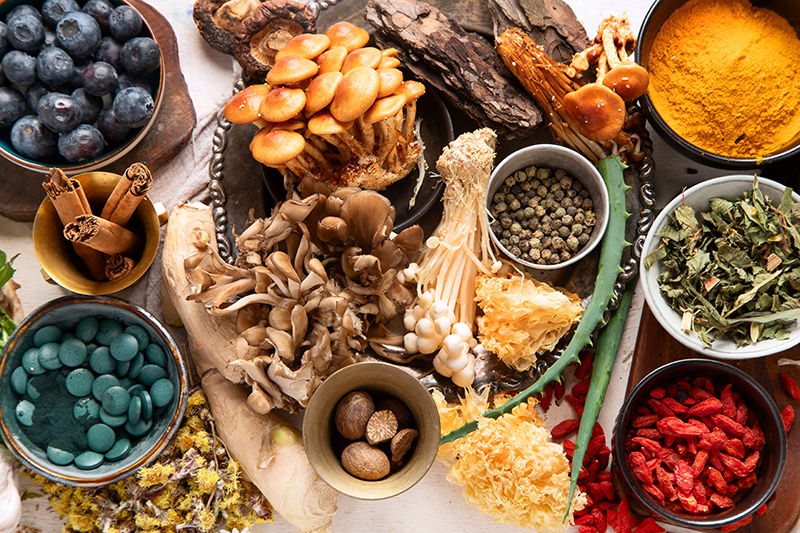
Figure 1: Adaptogenic plants strengthen the whole organism and are said to make the body more resistant to stress
In many traditional healing systems around the world there are plants with specific constituents that help people adapt better to particular situations. These herbs, known as adaptogens, often have endocrine-regulating — i.e. hormone-system-influencing — and immunomodulatory properties that support the body in restoring balance during physical or emotional stress.
They have a balancing effect on both the hormonal system and the nervous system. These plant remedies are frequently used to stabilise energy levels, increase stress resilience and strengthen the immune system. Thus adaptogens can be very helpful for chronic stress symptoms, exhaustion and fatigue, sleep disorders, nervousness, anxiety, mood swings, hormonal fluctuations or difficulties concentrating. [1] Adaptogens are even discussed in research as revitalising agents for a long and healthy life. [2]
Which are the best-known adaptogens and how can they be used?
How do adaptogens work?
Adaptogenic plants have been used in traditional medicine in India, China, Korea and Japan for thousands of years to improve stress resistance and increase adaptability, resilience and survival through their normalising effects, regardless of the type of stressor. [3]
The term ‘adaptogen’ refers to plant substances that help the body adapt to physical, chemical or biological stress. [4] They act in a regulatory and non-invasive way, neither forcing the body in a particular direction nor disturbing homeostasis — the biological equilibrium of the body. Rather, they help the organism to find its natural balance.
The effect of adaptogens is partly based on their ability to regulate the stress hormone cortisol. [5] Cortisol is released by the body to prepare the “fight-or-flight response”. Adaptogens can lower cortisol levels when they are too high and increase them when they are too low, as can be the case with exhaustion or adrenal weakness. This quality contributes to maintaining hormonal balance, because stress can lead to imbalances that produce physical complaints.
In our hectic world chronic stress is a widespread problem that can lead to exhaustion, sleep disturbances, mood changes and a weakened immune defence. This is where adaptogens come in.
1. Ashwagandha – The queen of adaptogens
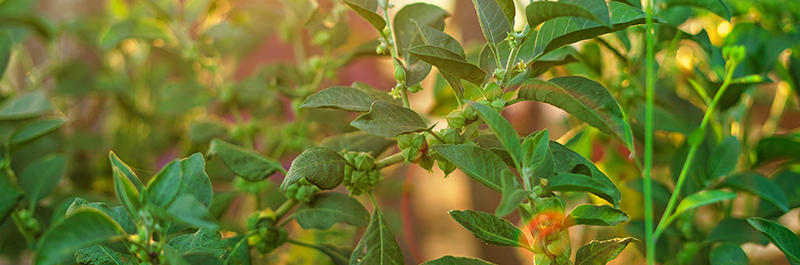
Ashwagandha (Withania somnifera) is one of the best-known adaptogens. This important plant appears in over 200 formulations in Ayurvedic medicine. It has been used in Ayurveda for millennia to strengthen body and mind. Ashwagandha is particularly valuable for chronic stress,  sleep disturbances and states of exhaustion. It is said to calm the nervous system while promoting physical and mental performance. Besides its use for nervous complaints such as anxiety, fatigue or stress-related insomnia, the ashwagandha root, due to its high iron content, can also be useful for women with heavy menstrual bleeding. In traditional African medicine, for example, ashwagandha is given to women who have experienced repeated miscarriages. In the continent’s transmitted healing knowledge ashwagandha is regarded as a strengthening plant for the female reproductive organs. [6]
Medical research has shown that ashwagandha has a positive effect on stress symptoms and helps to lower cortisol in the body. A 2023 meta-analysis demonstrates that Withania somnifera produces a clinically relevant improvement in stress levels and serum cortisol in stressed healthy adults. This is scientific evidence that this plant is an important companion in stress management. [7] At the same time, the plant’s constituents have regulatory effects on the immune system and can support chronic fatigue and burnout recovery.
2. Astragalus – A strengthening adaptogen for life’s regeneration phases
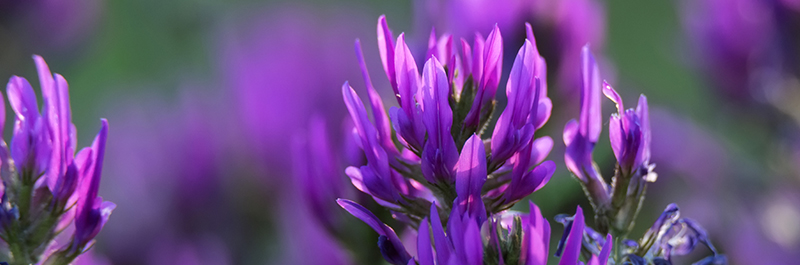
Figure 2: Supports physical and mental regeneration – astragalus is a popular plant from Traditional Chinese Medicine
One of the leading tonifying adaptogens in Traditional Chinese Medicine (TCM) is astragalus, also known as tragacanth root. The Chinese name is Huang Qi, meaning “yellow leader”, referring to the yellow roots. In TCM it is said to tonify the blood and spleen and to strengthen defensive energy. [8] Traditionally astragalus is used when regenerative strength is needed — often together with other plants that can enhance its effects. Astragalus is often combined with other adaptogens such as
- Rhodiola – to combat exhaustion and improve mental clarity,
- Ashwagandha – to calm the nervous system and reduce stress,
- Reishi – to support the immune system, or
- Ginseng – to strengthen physical and mental resilience and promote recovery after illness or fatigue.
But astragalus is also commonly combined with blood-strengthening plants like Angelica sinensis.
Thus in TCM Astragalus is used for liver and kidney complaints, as well as for anaemia or nervous weakness. It is the remedy of regeneration. [9] [10]
Astragalus helps the body adapt better to stress and minimise its effects through its adaptogenic action by supporting the balance of the hypothalamic–pituitary–adrenal axis (HPA axis). This axis controls the stress response in the body. Astragalus regulates stress hormones, which can contribute to a reduction in physical and mental fatigue after prolonged stress. The medicinal plant improves overall stress resilience and stabilises the nervous system.
3. Artemisia – Not a classic adaptogen, but adaptive effects under stress
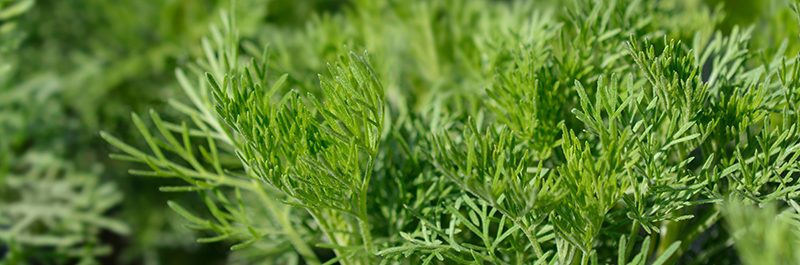
Artemisia plants, particularly Artemisia annua, are known for their diverse medicinal properties, including antimicrobial, anti-inflammatory and antioxidant effects. [11] Studies that explicitly investigate Artemisia as an adaptogen are rare, but there are some works indicating adaptogenic effects and demonstrating anti-stress activity. [12]
Given the range of conditions where Artemisia annua can help, it is clear that it must be a medicinal plant that harmonises and restores balance to the human body. Taken as a tea, it has mood-enhancing and emotion-balancing effects. In TCM Artemisia annua is an age-old remedy for malaria, fever, bleeding, colds, diarrhoea, to strengthen the immune system, as an anthelmintic and much more. [13]
4. Nettle – Adaptogenic effects by strengthening the adrenals
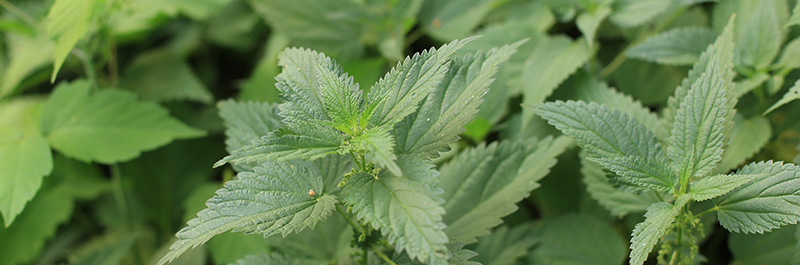
A less exotic plant and, like Artemisia annua, not a classic adaptogen, is the native nettle, Urtica dioica. [14] Nettles have properties that can influence the body’s stress levels. They support general health and can help make the body more resilient to stress.
For example, nettle helps reduce chronic inflammation in the body. Chronic inflammation is often associated with increased stress and a weakened immune system.
The plant’s nutrient density is also impressive: it is rich in minerals such as iron, calcium, magnesium and potassium, as well as vitamins A, C, D and K. This nutrient density makes it a real “superfood”. By balancing the body’s nutrient status, the body can cope better with stress.
In particular, nettle seeds possess adaptogenic effects by strengthening energy, reducing stress and supporting mental clarity. Nettle seeds regulate the body’s response to stress. They can strengthen the adrenals as well as other, more exotic adaptogens. [15]
5. Cordyceps – Immunomodulatory adaptogen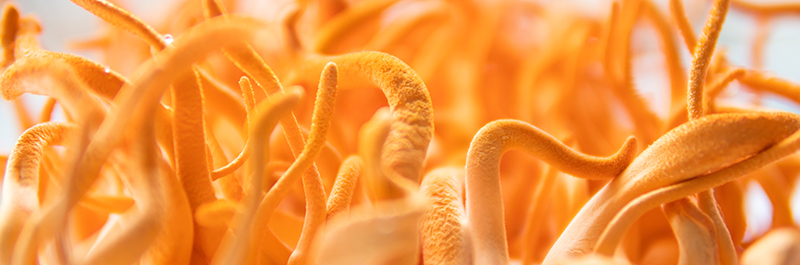
Cordyceps, also known as the caterpillar fungus, is a medicinal mushroom that has been used as an adaptogen in Chinese medicine since the early 18th century. In this ancient medical tradition it is still considered relatively new, probably because cordyceps was formerly very rare and reserved exclusively for the emperor and his family.
In TCM cordyceps is used to strengthen kidney qi, especially to increase energy, improve endurance and support the immune system. [16] Moreover, cordyceps fungi are so-called immune amphoteres — i.e. immunomodulators that either boost or dampen immune activity depending on what is needed for balanced function. Immune amphoteres are therefore something like switches for immune function. [17]
6. Panax ginseng – One of the best adaptogens for convalescence
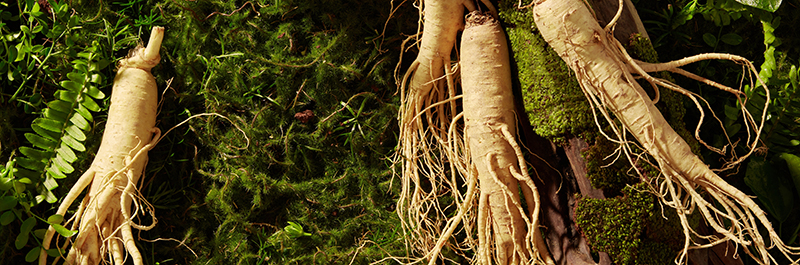
Ginseng is a well-known adaptogenic plant that has been used as a herbal remedy in East Asian countries since its discovery in the mountains of Manchuria, China, over 5,000 years ago. Ginseng is a traditional adaptogen and one of the most popular plants for strengthening vital force in Chinese medicine. Numerous studies already exist on its traditional uses. [18]
At the same time Asian ginseng is among the most stimulating adaptogens, which is why it has traditionally been used for extremely exhausted or drained individuals. Like other adaptogens, ginseng affects the immune system and the adrenals.
The immunomodulatory properties of ginseng can protect the body from infections and enable it to confront invading pathogens within four hours of contact with an infectious agent. For this reason possible uses as a vaccine adjuvant against various bacterial and viral infections and autoimmune diseases have even been discussed. [19] [20]
7. Maca – Adaptogen and traditional remedy for fertility
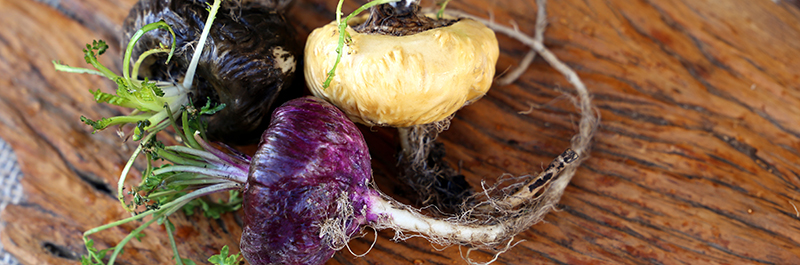
Maca is a plant native to some of the harshest, most remote highland regions. As a food source and ancient medicinal plant it served generations of the indigenous peoples of Peru and was passed down traditionally. As an adaptogen maca is able to strengthen adrenal function and restore depleted energy.
The plant can also increase endurance while reducing stress. Maca’s effects focus mainly on the hormonal system. [21] Traditionally maca was therefore used to promote fertility. [22]
8. Rhodiola rosea – The root that brings endurance

Rhodiola rosea, also called golden root or roseroot, is a popular plant in the traditional medicine of Eastern Europe and Asia. Not without reason: it is one of the most powerful adaptogens and can be a great help to the body under stress. Rhodiola can not only stimulate the nervous system or alleviate depression, but this small, undemanding plant can also help with fatigue. [23]
Studies have shown that Rhodiola blunts stress responses. Under stress the body normally responds with changes in the hypothalamic–pituitary–adrenal axis (HPA), for example by increasing cortisol levels; beta-endorphin levels also rise. However, when Rhodiola rosea was used in stress situations, studies observed that neither the beta-endorphin level increased nor did disruptions in the HPA system occur. [24] It is therefore believed that Rhodiola rosea can increase stress resistance not only under laboratory conditions. [25]
9. Reishi – Traditionally known as the mushroom of immortality
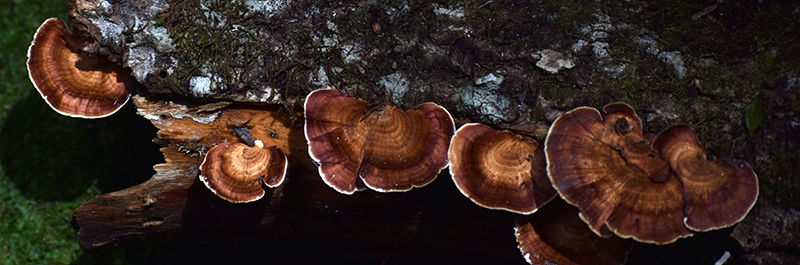
Adaptogenic mushrooms also have the ability to support the body in adapting to various physical and psychological stressors. These fungi differ clearly from conventional edible mushrooms and are known for their potentially medically relevant properties. Commonly used adaptogenic mushrooms include reishi, Cordyceps, Hericium erinaceus (lion’s mane) and Inonotus obliquus (chaga).
Adaptogenic mushrooms such as reishi have been shown to regulate cortisol levels. High cortisol is a consequence of stress, which is often associated with anxiety and other health problems. By influencing cortisol, these mushrooms can help reduce the negative effects of stress. [26]
In addition, adaptogenic mushrooms can also help with inflammation and pain related to arthritis. The anti-inflammatory effects of reishi and other adaptogens have been used in studies for the relief of rheumatoid arthritis. [27]
10. Schisandra – A well-researched adaptogen
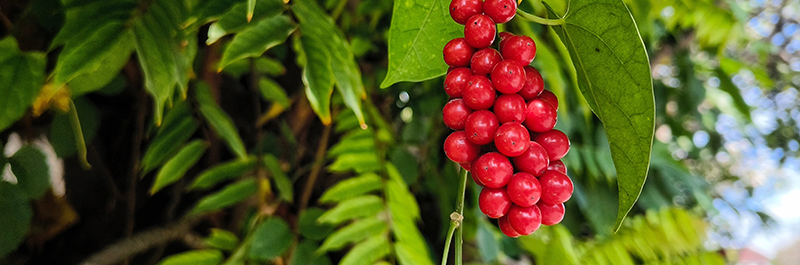
The adaptogenic effect of the schisandra berry has been extensively studied, especially in numerous Russian studies. It has been shown that Schisandra chinensis has protective effects against a wide spectrum of harmful factors, including heat shock, skin burns, cooling, frostbite, immobilisation, swimming under strain in an atmosphere with reduced air pressure, aseptic inflammations, radiation and heavy metal poisoning. According to studies, schisandra berries help “…with asthenia, neuralgic and psychiatric (neuroses, psychogenic depression, astheno-depressive states, schizophrenia and alcoholism) disorders, with visual disturbances, hypotension and cardiotonic disorders, demonstrated during epidemic influenza waves, with chronic sinusitis, otitis, neuritis and otosclerosis, with pneumonia, radioprotection of the fetoplacental system of pregnant women, allergic dermatitis, acute gastrointestinal diseases, hyper- and hyposecretion of the stomach, chronic gastritis, gastric and duodenal ulcers, wound healing and trophic ulcers.” [28]
The berries are the most commonly used part of the plant. Although schisandra is generally regarded as a calming adaptogen, the berries actually have a dual effect on the nervous system: on the one hand they are sedative, on the other they improve reflexes and concentration. [29]
Conclusion: Adaptogens as a key to greater balance
The world of adaptogens is diverse and powerful. They offer a gentle yet effective way to support body and mind and help the organism adapt to daily challenges. Whether ashwagandha for greater calm, artemisia to support digestion or roseroot for increased endurance — adaptogens are a wonderful addition to naturopathic treatment.
However, it is important to individualise the use of adaptogens and, if necessary, consult a qualified naturopath. This ensures that the right plant is used in the correct dosage to sustainably promote well-being.
Books
https://www.narayana-verlag.de/Ashwagandha-Barbara-Simonsohn/b31555
https://www.narayana-verlag.de/Heilpilze-Tero-Isokauppila/b23648
https://www.narayana-verlag.de/Alles-ueber-Adaptogene-Agatha-Noveille/b24396
https://www.narayana-verlag.de/Die-wunderbare-Kraft-der-adaptogenen-Pflanzen-Petra-Hirscher/b25444
Sources
[1] https://search.informit.org/doi/abs/10.3316/INFORMIT.141015308096078
[2] https://www.ingentaconnect.com/content/ben/ccp/2009/00000004/00000003/art00004
[3] https://www.sciencedirect.com/science/article/pii/S1756464623002955
[4] https://citeseerx.ist.psu.edu/document?repid=rep1&type=pdf&doi=ac23069acec9e462c8ffe292f081556bdd16481d
[5] https://search.informit.org/doi/abs/10.3316/INFORMIT.141015308096078
[6] https://www.narayana-verlag.de/Ashwagandha-Barbara-Simonsohn/b31555
[7] https://www.sciencedirect.com/science/article/pii/S1756464623002955
[8] https://www.nursecourtney.com/adaptogenic-herbs-natures-solution-to-stress/
[9] https://www.cochranelibrary.com/cdsr/doi/10.1002/14651858.CD008369.pub2/full
[10] https://www.narayana-verlag.de/Alles-ueber-Adaptogene-Agatha-Noveille/b24396
[11] https://www.narayana-verlag.de/Artemisia-Koenigin-der-Heilpflanzen-Barbara-Simonsohn/b23125
[12] https://www.scielo.br/j/cta/a/Kp5BvNySwPrBkhpNVWMQNyD/?lang=en&format=pdf
[13] https://www.narayana-verlag.de/Artemisia-Koenigin-der-Heilpflanzen-Barbara-Simonsohn/b23125
[14] “Die wunderbare Kraft der adaptogenen Pflanzen". Petra Hirscher
[15] https://www.narayana-verlag.de/Alles-ueber-Adaptogene-Agatha-Noveille/b24396
[16] https://www.narayana-verlag.de/Heilpilze-Tero-Isokauppila/b23648
[17] https://www.narayana-verlag.de/Alles-ueber-Adaptogene-Agatha-Noveille/b24396
[18] https://www.narayana-verlag.de/Mit-Naturheilkunde-Stress-bewaeltigen-Michaela-Girsch/b33113
[19] https://www.sciencedirect.com/science/article/pii/S1226845320301391
[20] https://www.sciencedirect.com/science/article/pii/S1226845320301391
[21] https://books.google.de/books?hl=de&lr=&id=-_etK2PJlkwC&oi=fnd&pg=PA4&dq=maca+adaptogen&ots=pKOvWBbjmD&sig=JAFImtexxTyc8m7weg-xijkTCaQ#v=onepage&q=maca%20adaptogen&f=false
[22] https://www.narayana-verlag.de/Alles-ueber-Adaptogene-Agatha-Noveille/b24396
[23] https://citeseerx.ist.psu.edu/document?repid=rep1&type=pdf&doi=ac23069acec9e462c8ffe292f081556bdd16481d
[24] https://citeseerx.ist.psu.edu/document?repid=rep1&type=pdf&doi=ac23069acec9e462c8ffe292f081556bdd16481d
[25] https://link.springer.com/article/10.1007/s10522-008-9151-9
[26] https://link.springer.com/article/10.1186/s13020-018-0214-9
[27] https://link.springer.com/article/10.1186/s13020-018-0214-9
[28] https://www.sciencedirect.com/science/article/abs/pii/S037887410800216X
[29] https://www.narayana-verlag.de/Alles-ueber-Adaptogene-Agatha-Noveille/b24396
Disclaimer
This article does not replace treatment by a qualified therapist. The basis of this contribution is formed by studies and current literature. It must not be used for self-diagnosis or self-treatment. Discuss any inspirations from this article with a therapist you trust.
Figure 1: Tatjana Baibakova/Shutterstock.com; Figure 2: Azay photography/Shutterstock.com; Figure 3: Yakov Oskanov/Shutterstock.com; Figure 4: Nahhana/Shutterstock.com; Figure 5: VasylMartynenko/Shutterstock.com; Figure 6: Tayler Derden/Shutterstock.com; Figure 7: Light Stock/Shutterstock.com; Figure 8: ADVTP/Shutterstock.com; Figure 9: bykot photo/Shutterstock.com; Figure 10: Omkoi/Shutterstock.com; Figure 11: Cittavagga/Shutterstock.com

