
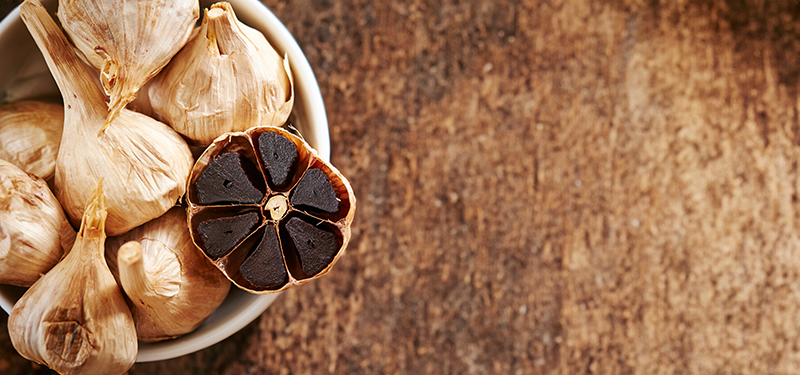
Figure 1: Black garlic, the fermented form of white garlic, was already prized as a culinary and medicinal plant in ancient Egypt.
Black garlic is fermented white garlic. However, "black garlic" differs from ordinary garlic in several ways: it is dark in colour, tastes slightly sweet and contains a higher level of antioxidants. In this blog article you will learn what else distinguishes black garlic and in which areas this medicinal plant is commonly used. You will also receive practical tips for using it in the kitchen and guidance on the correct dosage of preparations containing black garlic.
What exactly is black garlic?
Garlic (Allium sativum) was already used as a culinary and medicinal plant in ancient Egypt and in the Middle Ages. Originating from Central Asia, the plant is one of humanity's oldest spices. Today garlic grows worldwide and is an indispensable ingredient in many dishes in this country as well.
Black garlic, or "black garlic", is the fermented variety of white garlic. Black garlic is commonly used in Asian cuisine but is also considered an exquisite delicacy in Mediterranean countries such as Spain. Unlike white garlic, black garlic is creamy and has a slightly sweet taste. In addition to its refined flavour, improved digestibility is an important reason many people prefer black garlic to conventional garlic.
How is black garlic produced?
Good things take time. The same applies to black garlic, which needs to mature for around 90 days. Fermentation takes place in an oxygen-free environment at a humidity of 70 to 95 percent and a temperature of 60 to 80 degrees Celsius. Under these special conditions the colour, texture and taste of the garlic change. The chemical transformation is also called the Maillard reaction. The sugar in the garlic caramelises during fermentation and the amino acids it contains are converted into so-called melanoidins (nitrogen-containing organic compounds). The result is black garlic with a dark colour, a sweet flavour and a soft texture.
Black garlic and its valuable constituents
When garlic is fermented, its constituents and active compounds change. Compared with white garlic, black garlic contains about three times the amount of phenolic compounds and is therefore an even stronger antioxidant.[1] Garlic is valued as an important medicinal plant not least because of its sulphur compounds. The main active substances in this context are alliin and allicin. Allicin is formed from alliin when garlic is crushed (e.g. chopped or chewed). Alliin in turn is the precursor of the sulphur compounds in white garlic and is also responsible for the characteristic garlic smell.
The main active compound in black garlic, however, is neither alliin nor allicin but S-allyl cysteine (SAC). This is a very stable antioxidant and an important free-radical scavenger. The sulphur compounds contained in black garlic are fat-soluble. This property means that, unlike its white counterpart, black garlic does not leave an unpleasant aftertaste or bad breath after consumption. In addition to SAC, black garlic also contains minerals such as sodium, potassium, magnesium, phosphorus and calcium as well as numerous vitamins (e.g. B vitamins, vitamin A, vitamin C and vitamin E).
Effects and applications of black garlic
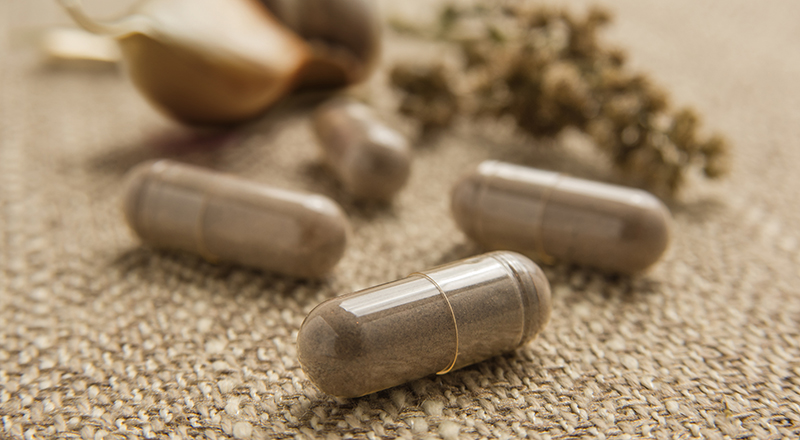
Figure 2: Black garlic is valued in naturopathy, among other things, for its antioxidant and immune-stimulating properties.
It is no surprise that garlic has been prized in naturopathy for thousands of years. The positive effects of white garlic are now well documented. Black garlic, however, surpasses these effects of white garlic. It has higher nutrient and vitality values and acts as an even stronger antioxidant. Below we take a closer look at the health effects of black garlic and common areas of application.
Cardiovascular health
Black garlic is reputed to help prevent cardiovascular disease and to improve heart function in existing coronary heart disease. In fact, a study carried out in 2018 found that black garlic can significantly improve the quality of life of patients suffering from coronary heart disease. In the study, patients with heart failure received either 30 grams of black garlic daily or a placebo for six months. In participants who took black garlic, important cardiac parameters such as antioxidant levels improved compared with the placebo group.[2]
To what extent people with healthy hearts also benefit from garlic and whether it can help prevent cardiovascular disease has not been conclusively clarified scientifically. A systematic review of several meta-analyses found that garlic can cause a considerable reduction in systolic blood pressure in a large proportion of cases.[3] However, up to 33% of participants in the studies did not respond to the garlic. Further clinical trials examining the reasons for this phenomenon would be desirable.
Moreover, garlic is a natural blood pressure and cholesterol reducer. In a randomised, placebo-controlled, double-blind trial, 60 participants took 6 grams of black garlic daily containing 0.8 milligrams of S-allyl cysteine for 12 weeks. In the garlic group, an increase in "good" HDL cholesterol was observed compared with the placebo group.[4]
Atherosclerosis
In the vascular disease atherosclerosis, arteries narrow and harden due to deposits (plaques). The disease is one of the most common causes of cardiovascular events such as heart attack or stroke. Because the clogging of the arteries is not painful, the condition often goes unnoticed for a long time. Black garlic is frequently used as a home remedy for atherosclerosis. The strong antioxidant S-allyl cysteine can help reduce oxidative stress in the body and mitigate damage to blood vessels. In addition, black garlic can reduce vascular resistance and thus help to restore elasticity to blood vessels affected by atherosclerosis.[5]
Diabetes
The effectiveness of black garlic in diabetes is not yet definitively established. However, several animal studies indicate a blood-sugar-lowering effect of the sulphur compounds in garlic. Since black garlic has even stronger antioxidant effects, it showed better effects on type II diabetes than white garlic in animal models.[6]
Antioxidant and immune-stimulating effects
Black garlic is not only antioxidant but also antibacterial, antiviral and immune-stimulating.[7] In a study with healthy subjects, higher immune cell activity was observed following intake of black garlic. The number and severity of colds among participants were subsequently reduced.[8] Furthermore, black garlic enhances antioxidant enzymes in the body and thus strengthens immune defence. Fermentation of the garlic also produces probiotic bacteria that support the gut and, in turn, the immune system.
Black garlic in the kitchen: tips for use
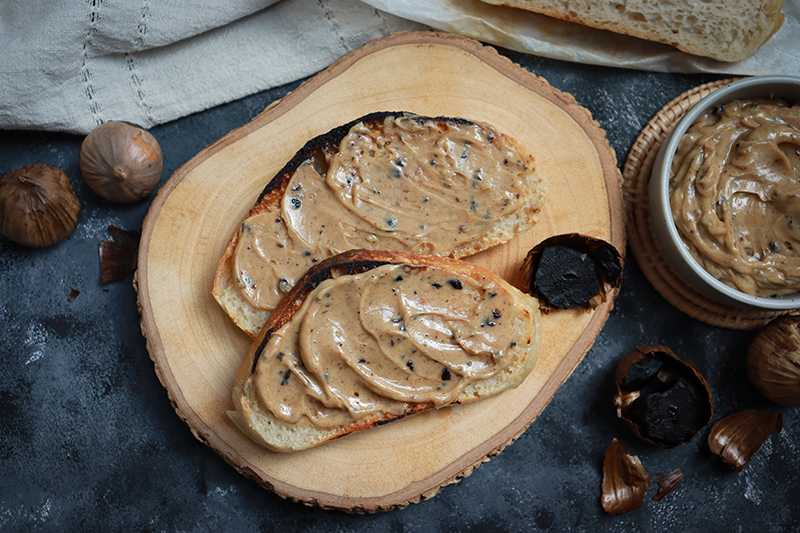
Figure 3: The aroma of black garlic is reminiscent of liquorice and plums with a hint of vanilla and caramel
Whether as a salad topping or a spread, in stews or sauces: black garlic is extremely versatile in the kitchen. It is usually available as whole peeled cloves, which are best sliced thinly for consumption. Black garlic can be used raw or cooked and gives both savoury and sweet dishes a special note. The taste is unique and reminiscent of a mix of liquorice, plums and vanilla with a light caramel note. Another advantage of black garlic: unlike conventional garlic, you do not need to fear unpleasant garlic breath after eating it!
Dietary supplements with black garlic and garlic oil
Capsules containing black garlic provide an uncomplicated way to take the valuable active compounds of this well-known cultivated and medicinal plant. Intake is particularly suitable for people who do not like the characteristic taste and smell of black garlic. The vegan Black Garlic Extract from Unimedica is an odour-free and flavour-neutral product. Each daily dose (1 capsule) contains 600 milligrams of black garlic extract.
The garlic oil softgel capsules from Unimedica also offer the possibility of integrating garlic into your daily diet and dosing it precisely. For this purpose, the garlic is gently naturally fermented and dissolved in sunflower oil. This produces a high-quality garlic oil extract at a concentration of 500:1, which is then processed into small, bite-sized softgel capsules.
Dosage guidance for black garlic
When taking garlic or garlic oil preparations, you should always follow the manufacturer's consumption recommendations. For healthy people, consuming 2 to 4 cloves of black garlic per day is considered safe. The WHO recommends not consuming more than 5 grams of fresh garlic or up to 1.2 grams of garlic powder or other preparations containing up to 12 milligrams of alliin or up to 5 milligrams of allicin per day.[9] To avoid belching, garlic should not be taken on an empty stomach. People taking synthetic anticoagulants should, as a precaution, not take more than 4 grams of fresh garlic or 3 milligrams of allicin. Since garlic also has a blood-thinning effect, its intake can potentiate the action of such medications.
What side effects can black garlic have?
White garlic and preparations made from it are not well tolerated by some people. Especially when consumed on an empty stomach, symptoms such as body odour, nausea, heartburn and diarrhoea can occur. Black garlic, on the other hand, is not irritating to the stomach. Undesired side effects from consuming black garlic or from taking corresponding dietary supplements are not known. In rare cases, however, an allergy to the active ingredient may occur.
[1] Lee YM, Gweon OC, Seo YJ, Im J, Kang MJ, Kim MJ, Kim JI. Antioxidant effect of garlic and aged black garlic in animal model of type 2 diabetes mellitus. Nutr Res Pract. 2009. https://www.ncbi.nlm.nih.gov/pmc/articles/PMC2788179/.
[2] Liu J, Zhang G, Cong X, Wen C. Black Garlic Improves Heart Function in Patients With Coronary Heart Disease by Improving Circulating Antioxidant Levels. Front Physiol. 2018 Nov 1. https://www.ncbi.nlm.nih.gov/pmc/articles/PMC6221913/.
[3] Schwingshackl L, Missbach B, Hoffmann G. An umbrella review of garlic intake and risk of cardiovascular disease. Phytomedicine. 2016 Oct 15. https://pubmed.ncbi.nlm.nih.gov/26656227/.
[4] Jung ES, Park SH, Choi EK, Ryu BH, Park BH, Kim DS, Kim YG, Chae SW. Reduction of blood lipid parameters by a 12-wk supplementation of aged black garlic: a randomized controlled trial. Nutrition. 2014 Sep. https://pubmed.ncbi.nlm.nih.gov/24976429/.
[5] Saryono, Proverawati A. The potency of black garlic as anti-atherosclerotic: Mechanisms of action and the prospectively. AIP Conference Proceedings. 2019.
[6] Colín-González AL, Ali SF, Túnez I, Santamaría A. On the antioxidant, neuroprotective and anti-inflammatory properties of S-allyl cysteine: An update. Neurochem Int. 2015 Oct. https://pubmed.ncbi.nlm.nih.gov/26122973/.
[7] Imai J, Ide N, Nagae S, Moriguchi T, Matsuura H, Itakura Y. Antioxidant and radical scavenging effects of aged garlic extract and its constituents. Planta Med. 1994 Oct. https://pubmed.ncbi.nlm.nih.gov/7997468/.
[8] Percival SS. Aged Garlic Extract Modifies Human Immunity. J Nutr. 2016 Feb. https://pubmed.ncbi.nlm.nih.gov/26764332/.
[9] Chrubasik-Hausmann S. Schwarzer Knoblauch (Allium sativum). 2016. https://www.uniklinik-freiburg.de/fileadmin/mediapool/08_institute/rechtsmedizin/pdf/Addenda/2016/SchwarzerKnoblauch.pdf (accessed: 13.09.2024).
Figure 1: mnimage/Shutterstock.com; Figure 2: Nick Lundgren/Shutterstock.com; Figure 3: pada smith stockphoto/Shutterstock.com

