

Figure 1: Vitamin A refers to a group of fat-soluble compounds that are essential for the body. Among other functions, vitamin A contributes to the maintenance of normal vision.
From the visual process to cell differentiation and support of the immune system, vitamin A performs numerous important tasks. Because the essential nutrient cannot be synthesised by the body, vitamin A must be supplied through the diet. In this blog article you will learn how the different forms of vitamin A differ and in which foods they are found. We also explain how to recognise a vitamin A deficiency and what to consider when choosing a vitamin A supplement.
Vitamin A: a fat-soluble vitamin with many functions
The remarkable vitamin A is not called the “eye vitamin” without reason: we need this nutrient to process light and colour via the retina. Vitamin A is also required for transmitting signals to the brain. If the vitamin is lacking, our sense of sight is correspondingly impaired. In addition to vision, vitamin A is involved in many other biological processes such as cell differentiation, reproductive function and immune defence.
The term “vitamin A” denotes a group of fat-soluble compounds with vitamin A activity. Because the essential nutrient cannot be produced by the body, it must be obtained through the diet. The liver is the main storage site for vitamin A. Up to 95 per cent of the total vitamin A content is stored here, mainly as retinyl palmitate or retinyl stearate.
The different forms of vitamin A
Retinol, provitamin A or beta-carotene? The many different terms that often appear in connection with vitamin A can easily cause confusion. It is important to know that vitamin A exists in different forms. Broadly speaking, a distinction is made between retinol and provitamin A carotenoids. Retinol is the transport form of vitamin A that the body can convert into other active forms. Retinol is found exclusively in animal foods.
Provitamin A carotenoids, on the other hand, are the plant precursors of vitamin A that are converted into vitamin A in the body. The most relevant carotenoid for humans is beta-carotene (or β-carotene). As the most important precursor of vitamin A (retinol), it is also referred to as provitamin A. Beta-carotene is well bioavailable and is usually consumed in larger amounts through diet than other carotenoids. People who follow a vegetarian or vegan diet in particular should ensure adequate intake of beta-carotene to secure sufficient vitamin A supply.
The important functions of vitamin A in the body

Figure 2: Vitamin A fulfils numerous functions in the body. The versatile vitamin is involved not only in vision but also, for example, in immune defence and cell growth.
Depending on the form in which vitamin A is present, its functional effects differ. While the compounds retinol and retinal are crucial for vision, retinoic acid is the most important active substance for testosterone production and cell differentiation. Below we present some of the bodily processes and functions in which vitamin A plays an important role.
Vision
Of vitamin A’s many functions, its role in the visual process is the best studied.[1] Vitamin A (retinol) contributes to the maintenance of normal vision and is particularly important for light–dark vision. The substance retinal, which is formed from vitamin A, is decisive in this context. Retinal is a component of visual purple (rhodopsin) and plays a key role in the visual process in the retina. It is therefore no surprise that vitamin A is often referred to as the “eye vitamin”.
Immune system and antioxidant effects
Both retinol and beta-carotene increase the effectiveness and number of white blood cells (leukocytes) in the body, which are essential for an intact immune defence. Accordingly, a vitamin A deficiency is often associated with increased susceptibility to infections. In addition, vitamin A contributes to the maintenance of normal mucous membranes. Carotenoids, including provitamin A carotenoids, also act as antioxidants. Some researchers even suspect that beta-carotene may protect against certain cancers as an antioxidant. For example, the results of a study suggest that regular consumption of foods rich in vitamin A, alpha-carotene and beta-carotene may reduce the risk of gastric cancer by about half.[2]
Reproductive function
Vitamin A is important for human reproductive capacity in several respects. The vitamin is involved not only in the development of eggs and sperm but also in the production of the sex hormones oestrogen and progesterone. In addition, vitamin A plays an important role in embryogenesis, for example in the maturation of lung tissue and the development of the embryonic skeletal system.
Cell differentiation and growth
Cell differentiation describes a process in which cells change in shape and function. Vitamin A compounds have the ability to initiate such differentiations and, conversely, dedifferentiations of cells. In addition, vitamin A can inhibit or promote cell growth. Thus, the vitamin is of great importance for the formation and normal function of tissues in the body. The normal function of the heart, lungs, eyes and other organs is also supported by the influence of vitamin A on cell differentiation and cell growth.[3]
Which foods contain a lot of vitamin A?
Vitamin A and beta-carotene are present in numerous foods. While retinol is found only in animal products, the vitamin A precursor beta-carotene is found in plant foods. Especially red–orange, yellow and dark green fruits and vegetables are rich in carotenoids.
Foods with a high content of vitamin A or beta-carotene include:
- liver
- eggs
- milk
- dairy products (e.g. Camembert, butter)
- fish (e.g. eel, tuna, mackerel)
- carrots
- pumpkin
- sweet potatoes
- red peppers
- kale
- spinach
- lamb's lettuce
- apricots
- mango
The retinol from animal foods is absorbed and converted by the body differently than the beta-carotene from plant foods. While the body can generally absorb 75% to 100% of retinol, it is only about 10% to 30% for beta-carotenes.[4] However, cooking and gentle heating can increase the bioavailability of beta-carotenes in foods.[5] Plant foods such as carrots, which contain large amounts of carotenoids, are best eaten grated, puréed or as vegetable juice. Destroying the cells releases more provitamins.
So that the fat-soluble vitamin A can be utilised optimally, beta-carotene-rich plant foods should always be consumed with some fat. Small amounts are sufficient to improve bioavailability. For example, you could combine a vitamin A-rich plant food with a teaspoon of olive oil or another fat-rich food such as avocado. Animal foods are usually sufficiently fatty, so no additional fat intake is necessary.
Tips for choosing a vitamin A product
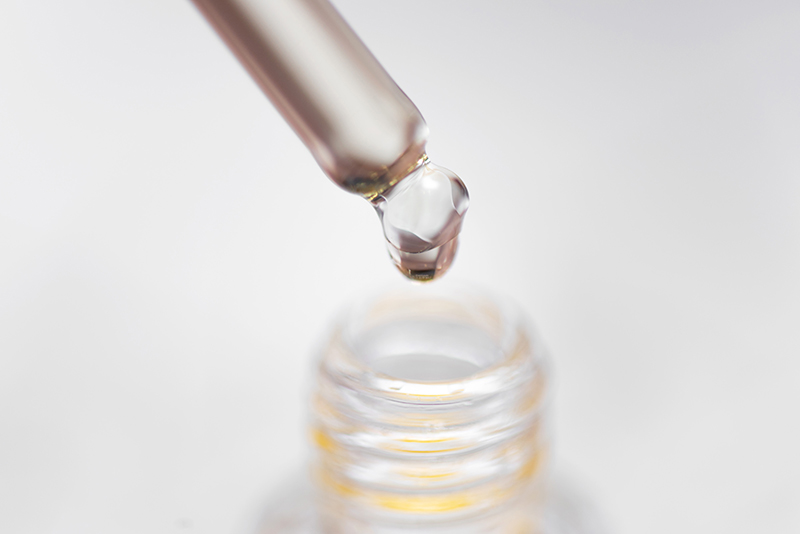
Figure 3: Without added fat, the fat-soluble vitamin A cannot be optimally absorbed and utilised by the body. In many preparations, vitamin A is therefore dissolved in oil.
Vitamin A supplements are available in different dosage forms. Many people opt for a liquid preparation because vitamin A in liquid form is generally better absorbed by the body than, for example, tablets. The vegan Vitamin A drops from Unimedica in a dropper bottle are easy to dose. One daily dose (3 drops) provides 187.5% of the average adult's daily requirement for vitamin A.
In addition to supplements that contain only vitamin A, there are also active ingredient complexes designed to target a specific bodily area. For example, the Adlerauge capsules from Unimedica were specifically developed to support vision. The eye vitality complex combines selected vitamins, trace elements, omega-3 fatty acids, zinc, DHA and other ingredients intended to promote optimal nutrient supply to the eyes. The Lutein capsules from Unimedica also contain high-quality nutrients such as vitamin A, vitamin B2, lutein and zeaxanthin from Tagetes (marigold) that contribute to the maintenance of normal vision.
When choosing a vitamin A product, you should also check whether the selected supplement contains fat. Taking vitamin A together with some fat is essential for optimal absorption of the fat-soluble vitamin. In the Vitamin D E K A drops from Unimedica, the fat-soluble vitamins are therefore already dissolved in MCT oil (medium-chain triglycerides).
How high is the daily requirement for vitamin A?
The so-called retinol activity equivalent (RAE) is usually used to state the reference values for vitamin A. The reason for this is that the different vitamin A forms have different bioavailability and conversion rates into the central active form retinol. The RAE takes these differences into account and makes it possible to compare different vitamin A compounds with each other. 1 µg RAE corresponds to 1 µg retinol and 12 µg beta-carotene.
According to the German Nutrition Society (DGE), the daily requirement for vitamin A is highest in men aged 19 to 65 years at 0.85 milligrams (850 µg) RAE per day. For women aged 19 years and older, 0.7 milligrams (700 µg) RAE per day are recommended. Pregnant women (800 µg RAE) and infants (500 µg RAE) also have a high daily requirement. By far the highest requirement, however, is during breastfeeding because vitamin A is lost via breast milk. For lactating women, the DGE therefore recommends a daily vitamin A intake of 1,300 µg RAE.[6]
Recognising a vitamin A deficiency: first signs and symptoms

Figure 4: Visual disturbances, especially night blindness, are often the first signs of a vitamin A deficiency.
While insufficient vitamin A supply is a serious problem in developing countries, a vitamin A deficiency is rare in industrialised countries. Chronic diseases such as Crohn's disease, which impair fat digestion and absorption, are usually responsible for deficiency here. Risk groups for vitamin A deficiency include newborns and young children, who have fewer vitamin A reserves, as well as older people and people who frequently suffer from infections. During an infection, the need for vitamin A is generally increased.
Because vitamin A has many functions in the body, a deficiency often has far-reaching consequences. The first clear sign is usually night blindness. In addition, a vitamin A deficiency is often associated with the following symptoms:
- increased susceptibility to infections
- dry skin and mucous membranes
- general muscle weakness
- reduced fertility
- growth retardation (in children)
- altered taste and sense of smell
- loss of appetite
Possible side effects of vitamin A
An overdose of vitamin A occurs far less frequently than a vitamin A deficiency. An excess caused by consuming foods in which vitamin A or beta-carotene occurs naturally is unlikely.[7] Even when supplements are taken according to individual needs and the manufacturer's recommended dosage, an overdose is not to be expected. However, improper use of vitamin A preparations can lead in the long term to vitamin A poisoning and liver damage. Other possible symptoms of vitamin A intoxication include vomiting, nausea, blurred vision, muscle pain, dry skin and hair loss.
[1] Heseker H, Stahl A. Vitamin A: Physiologie, Funktionen, Vorkommen, Referenzwerte und Versorgung in Deutschland. In: Ernährungs-Umschau. 13 Sep 2010. https://www.ernaehrungs-umschau.de/fileadmin/Ernaehrungs-Umschau/pdfs/pdf_2010/09_10/EU09_2010_481_489.qxd.pdf.
[2] Nishino H, Tokuda H, Murakoshi M, Satomi Y, Masuda M, Onozuka M, Yamaguchi S, Takayasu J, Tsuruta J, Okuda M, Khachik F, Narisawa T, Takasuka N, Yano M. Cancer prevention by natural carotenoids. Biofactors. 2000. https://pubmed.ncbi.nlm.nih.gov/11237205/.
[3] Blaner WS. Vitamin A and Provitamin A Carotenoids. In: Marriott BP, Birt DF, Stallings VA, Yates AA, eds. Present Knowledge in Nutrition. 11th ed. Cambridge, Massachusetts: Wiley-Blackwell; 2020:73-91.
[4] Reboul E. Absorption of vitamin A and carotenoids by the enterocyte: focus on transport proteins. Nutrients. 2013 Sep 12. https://pubmed.ncbi.nlm.nih.gov/24036530/.
[5] Tanumihardjo SA, Russell RM, Stephensen CB, Gannon BM, Craft NE, Haskell MJ, Lietz G, Schulze K, Raiten DJ. Biomarkers of Nutrition for Development (BOND)-Vitamin A Review. J Nutr. 2016 Sep. https://pubmed.ncbi.nlm.nih.gov/27511929/.
[6] DGE (2020): Referenzwert Vitamin A. https://www.dge.de/wissenschaft/referenzwerte/vitamin-a/.
[7] DGE (2020): Ausgewählte Fragen und Antworten zu Vitamin A. https://www.dge.de/fileadmin/dok/gesunde-ernaehrung/faq/DGE-FAQ-Vitamin_A-2020.pdf.
Image sources: https://unsplash.com/de

