
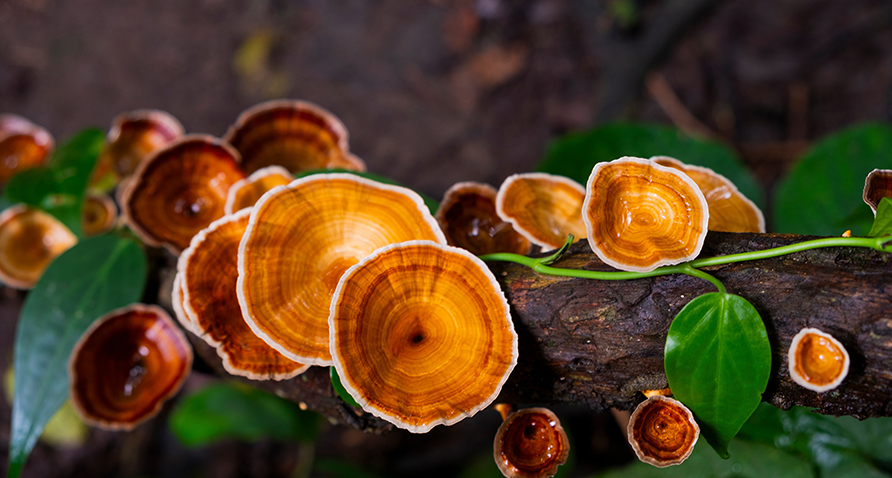
Figure 1: The medicinal mushroom Reishi is one of humanity's oldest remedies. In TCM it has been highly valued for millennia and used for various purposes.
In Traditional Chinese Medicine (TCM) Reishi is regarded as one of the most valuable remedies and has been used for more than 2,000 years to treat a wide range of health complaints. The medicinal mushroom is credited with beneficial effects for diabetes, inflammation, cancer, as well as heart and liver diseases. In this blog article you will learn in which ways Reishi can actually be used preventively and therapeutically. You will also receive helpful tips for choosing a suitable Reishi supplement and guidance on correct usage and possible side effects.
Reishi: medicinal mushroom with a long tradition in TCM
The Reishi fungus has many names: in German-speaking countries it is especially known as the “glossy varnished polypore” because of its resin-covered, shiny fruiting body. The botanical name Ganoderma lucidum (literally “shining skin”) also refers to the mushroom’s striking appearance. In traditional Asian folk medicine the Reishi mushroom is a symbol of luck and immortality. The appreciation for Reishi is also expressed in the Chinese name Ling Zhi, which can be translated as “mushroom of immortality” or “mushroom of eternal life”.
As a sturdy bracket fungus, Reishi primarily grows on deciduous trees, especially oaks or European beech. The mushroom prefers weakened or dying trees because it feeds on their rotting wood. Reishi thrives particularly well in natural woodland areas with high humidity and warm temperatures. Although it was long native only to Asia, it is now also cultivated in Europe. Unlike other well-known functional mushrooms such as shiitake, maitake or enoki, Reishi is unsuitable as an edible mushroom due to its hardness and bitter taste. In parts of Asia it is consumed as a bitter tea made from dried Reishi or Reishi powder. In Europe, supplements and cosmetics are the most common forms of use.
The valuable constituents contained in Reishi
Reishi is considered a true all-rounder among medicinal mushrooms and is used preventively or as a support for numerous complaints. The mushroom’s broad spectrum of effects is due to the variety of valuable constituents it contains. Two groups of active compounds are particularly noteworthy: polysaccharides and triterpenes. Among the polysaccharides in Reishi, the so-called beta-glucans are mainly responsible for the extensive health-promoting effects. Beta-glucans are able to strengthen the immune system and act as antioxidants. Studies have shown that the polysaccharides in Reishi also have anti-inflammatory properties and can even potentially act against tumours.[1] Triterpenes are likewise valuable bioactive compounds with anti-inflammatory, antioxidant and immune-supporting properties. As with many medicinal mushrooms, it is not a single component but the overall composition of the constituents that is responsible for the positive effects of Reishi.
Main applications of the Reishi medicinal mushroom
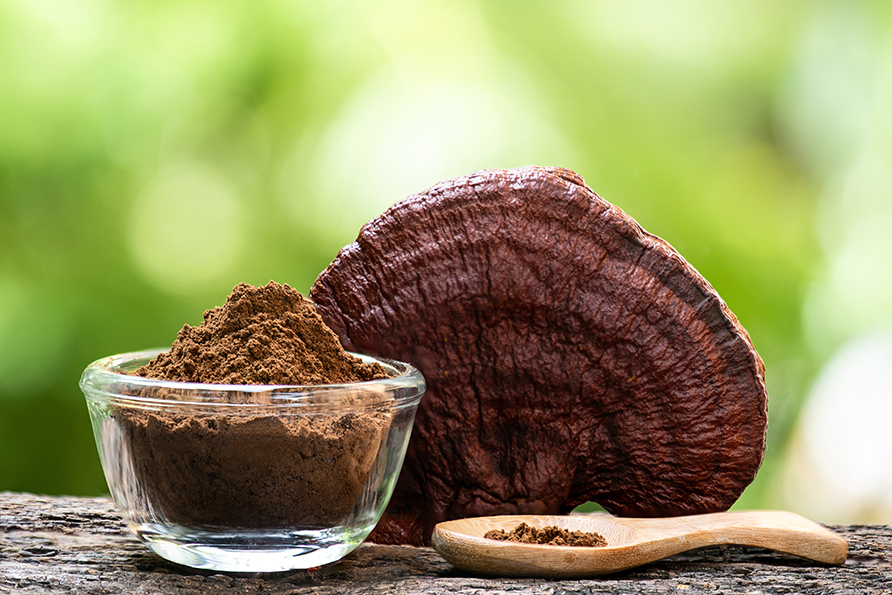
Figure 2: Due to its unusually broad spectrum of activity, Reishi is recommended for use in numerous complaints. The mushroom acts, among other things, as an antioxidant, adaptogen and anti-inflammatory agent.
Reishi’s epithet “mushroom of immortality” is not without reason: in TCM the medicinal mushroom is seen as a tonic that restores strength in mild and severe illnesses. In China and Japan Reishi has been used for thousands of years for complaints such as liver diseases, chronic hepatitis, high blood pressure, kidney inflammation, elevated blood lipid levels, joint inflammations, nervous weakness, insomnia, bronchitis, asthma, stomach ulcers, atherosclerosis, leukopenia, diabetes, loss of appetite and cancer.[2]
Reishi is also one of the most thoroughly researched medicinal mushrooms, although most studies to date have been animal experiments or cell culture investigations. To examine Reishi’s therapeutic potential in humans more precisely, further clinical human studies are necessary. Below we present some of the most important functions and application areas of the medicinal mushroom.
Immune system activation
Like many medicinal mushrooms, Reishi is classed as an immunomodulator. The beta-glucans contained in the mushroom can either stimulate or dampen the immune system. An immune system that is neither weakened nor overactive is an important control point in disease prevention. In autoimmune diseases, immunomodulators such as Reishi can help balance excessive immune responses. The polysaccharides in Reishi are also able to increase the number of so-called T cells and B cells in the body.[3] These play an important role in defending against pathogens. The fibres contained in Reishi also support the immune system by acting as prebiotics. Since around 80% of human immune cells are located in the gut, prebiotics benefit not only our gut microbiome but also immune defence.
Blood pressure and cholesterol reduction
Supporting cardiovascular health is among the best-known uses of Reishi in Asian folk medicine. The medicinal mushroom is said to contribute to lowering blood pressure and regulating cholesterol. The triterpenes contained in Reishi, which have both antioxidant and anti-inflammatory effects, are mainly held responsible for this. By preventing cell damage and chronic inflammation, triterpenes support the prevention of atherosclerosis and cardiovascular diseases. In an animal study, a seven-week treatment with Reishi lowered mice’s blood pressure to a level comparable to that achieved with losartan, a well-known antihypertensive drug. While the results are promising, there is a lack of strong scientific evidence and large-scale, placebo-controlled clinical trials in humans.
Sleep and general wellbeing
Adaptogens are natural substances that help the organism adapt better to stress and improve physical and psychological resilience. Reishi is also attributed with adaptogenic effects. In particular, many people in Asia swear by a Reishi tea before going to bed because it is said to have calming and sleep-inducing effects. Several studies have also observed positive effects of Reishi on general wellbeing. One study investigated the effects of Reishi on mood and quality of life in women with fibromyalgia. Fibromyalgia is a rheumatic condition characterised by musculoskeletal pain, sleep disturbances and symptoms such as anxiety and depression. Among the study participants who took 6 grams of Reishi powder daily for six weeks, there was a significant improvement in life satisfaction and a reduction in depressive symptoms compared with the placebo group.[4]
Type 2 diabetes
Reishi is also frequently used as an adjunct treatment in type 2 diabetes. Some studies provide indications that the medicinal mushroom can stabilise blood sugar, improve insulin sensitivity and help prevent diabetic complications such as cardiovascular diseases or nerve damage (diabetic neuropathy). A 2019 review summarised various studies that investigated the potential antidiabetic effects of Ganoderma lucidum. The results suggest that Reishi extracts may indeed be able to protect the pancreatic islets responsible for hormone production and secretion in the pancreas. For people with diabetes, the insulin-producing beta cells located in the pancreatic islets are particularly relevant. The review also highlights Reishi’s blood-sugar-lowering effects.[5]
Cancer therapy
A Cochrane review from 2016 examined whether a combination of chemo- or radiotherapy with Reishi affects tumour growth. The review included five randomised, controlled trials with a total of 373 participants. At the end of the study periods it was reported that tumours regressed more in cancer patients who had received the combination therapy than in those who had been treated solely with chemo- or radiotherapy. However, the review did not confirm the hypothesis that Reishi alone could be effective in treating cancers.[6]
Liver function and detoxification
Traditionally, Reishi is often used with the aim of strengthening the liver and supporting the organ’s important detoxification function. Certain constituents in Reishi — again particularly polysaccharides and triterpenes — can help regulate liver metabolism and promote the regeneration of liver tissue. Reishi may potentially support liver conditions such as fatty liver or hepatitis. Moreover, the active compounds in the mushroom appear to enhance the function of enzymes involved in the body’s detoxification processes. In this way Reishi indirectly helps remove toxins such as heavy metals and other poisons from the body without damaging the liver.
Tips for choosing a suitable Reishi supplement
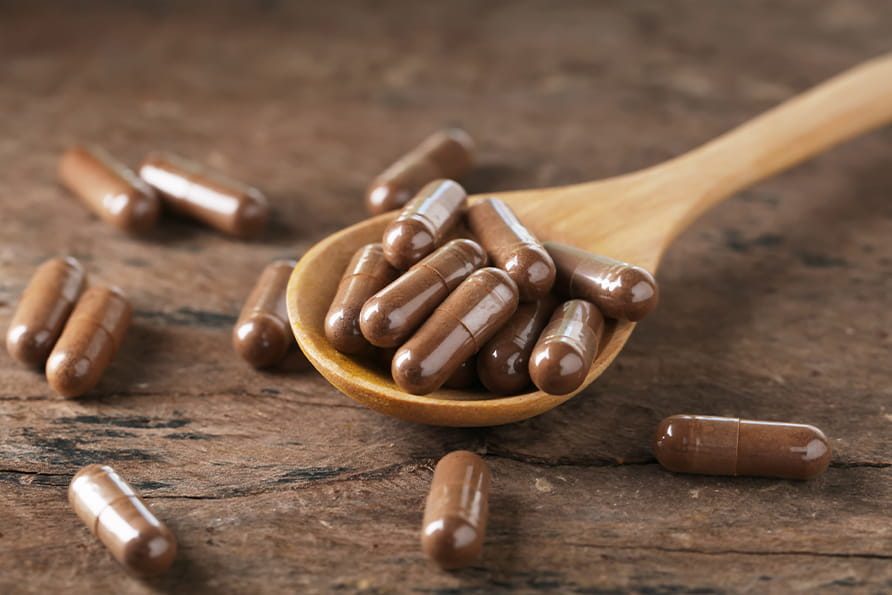
Figure 3: Before buying a Reishi product, make sure the ingredients come from certified organic cultivation and have been processed as gently as possible.
The numerous potentially health-promoting properties of Reishi are becoming more widely known, so more and more people choose to take the medicinal mushroom. Because Reishi is hard and bitter, it is unsuitable as a food. To still benefit from its many valuable constituents, you can use supplements such as powders, capsules, tablets or tinctures. Among the different forms, Reishi capsules are particularly popular because they allow precise dosing and are easy to take while travelling. Before choosing a product, check that it is organic and that the ingredients have been processed gently. The Organic Reishi extract capsules from Unimedica contain 1,000 milligrams of organic Reishi fruiting body extract per daily dose (2 capsules) with a polysaccharide content of 30%. The Reishi extract used is obtained by gentle water extraction and comes from certified organic cultivation.
Reishi is also commonly included in multi-ingredient complexes aimed at supporting certain bodily areas or functions. The Blood Sugar Complex from Unimedica, for example, was designed to support metabolism as well as blood sugar and weight management. In addition to Reishi, the nutrient complex contains other high-quality plant extracts such as grape seed, cinnamon bark and turmeric. The vegan capsules also include important minerals such as zinc, selenium and chromium, coenzyme Q10, fenugreek and a specially patented whey protein complex with berberine (UltraBer™).
How to take and dose Reishi preparations correctly: what to consider
Once you have chosen a Reishi product, you will probably wonder how best to use it. Reishi capsules are generally taken once or twice daily before or with a meal with plenty of liquid. However, Reishi concentrations vary considerably from product to product, so you should always follow the manufacturer’s instructions and discuss usage with your doctor. Reishi powder can be mixed into warm or cold drinks, smoothies or soups. There are no official dosing recommendations for Reishi. A common daily dose is 1,500 to 5,000 milligrams of mushroom powder. In TCM and for serious illnesses, higher dosages of up to 9,000 milligrams of Reishi powder per day are often used. If you want to benefit from Reishi’s potentially calming and sleep-promoting effects, taking it in the evening is advisable.
The benefits of combination therapy with Reishi
To complement the active compounds in Reishi optimally and to synergistically enhance their positive effects, combination therapy can be useful. In traditional Asian medicine, Reishi is often combined with other natural substances such as green tea. Study results suggest that a combination of Reishi extracts and green tea may even inhibit the growth of breast cancer cells and the invasiveness of metastatic breast cancer.[7] A combined intake of Reishi with vitamin C is also often recommended. Natural vitamin C from acerola, sea buckthorn or rosehip can improve the absorption of important nutrients from Reishi. In addition, combining Reishi extract with vitamin C can prevent diarrhoea, which occurs as a side effect of Reishi intake in isolated cases. To support physical recovery and psychological balance, combining Reishi with other adaptogens such as ashwagandha is advisable.
Possible side effects and interactions of Reishi
Reishi is generally considered safe and well tolerated. As long as Reishi products are taken at the recommended doses, side effects are rare. However, in sensitive individuals or in cases of overdose, digestive complaints (e.g. nausea, diarrhoea, flatulence) can occur. Allergic reactions or dizziness are also possible. If you experience unpleasant symptoms from taking Reishi, you should reduce the dose or stop taking it. To reduce stomach irritation, it can be helpful to take Reishi with a meal.
People taking antihypertensive medications should always consult their treating physician before using Reishi, as the mushroom can also lower blood pressure. The same applies to people taking anticoagulant drugs. If you suffer from a mushroom allergy, you should of course avoid Reishi. Pregnant and breastfeeding women should refrain from taking Reishi because the evidence on safety during pregnancy and lactation is currently insufficient.
About the author
Katharina Korbach regularly writes blog posts about medicinal plants and natural active substances for the Narayana Verlag. She developed an interest in language early on and began writing her own literary texts. A serious illness during her final school year prompted an intensive engagement with health and nutrition topics that continues to this day. After repeated failures of conventional medical treatments, she opted for a more self-empowering, naturopathic therapeutic approach. A plant-based diet was a key element in her recovery journey.
Katharina studied Cultural Studies (B.A.) and Applied Literary Studies (M.A.). In 2022 she published her debut novel “Sperling” with Berlin Verlag. Today she works as a freelance author, medical editor and lecturer in Berlin. In her free time she prefers to spend time with friends or doing barre training. She also loves travelling and trying out new vegan recipes.
[1] Joseph S, Sabulal B, George V, Antony KR, Janardhanan KK. Antitumor and anti-inflammatory activities of polysaccharides isolated from Ganoderma lucidum. Acta Pharm. 2011 Sep 1. https://pubmed.ncbi.nlm.nih.gov/21945912/.
[2] Batra P, Sharma AK, Khajuria R. Probing Lingzhi or Reishi medicinal mushroom Ganoderma lucidum (higher Basidiomycetes): a bitter mushroom with amazing health benefits. Int J Med Mushrooms. 2013. https://pubmed.ncbi.nlm.nih.gov/23557365/.
[3] Bao XF, Wang XS, Dong Q, Fang JN, Li XY. Structural features of immunologically active polysaccharides from Ganoderma lucidum. Phytochemistry. 2002 Jan. https://pubmed.ncbi.nlm.nih.gov/11809453/.
[4] Pazzi F, Adsuar JC, Domínguez-Muñoz FJ, García-Gordillo MA, Gusi N, Collado-Mateo D. Ganoderma lucidum Effects on Mood and Health-Related Quality of Life in Women with Fibromyalgia. Healthcare (Basel). 2020 Nov 30. https://pubmed.ncbi.nlm.nih.gov/33265969/.
[5] Liu Q, Tie L. Preventive and Therapeutic Effect of Ganoderma (Lingzhi) on Diabetes. Adv Exp Med Biol. 2019. https://pubmed.ncbi.nlm.nih.gov/31777020/.
[6] Jin X, Ruiz Beguerie J, Sze DM, Chan GC. Ganoderma lucidum (Reishi mushroom) for cancer treatment. Cochrane Database Syst Rev. 2016 Apr 5. https://pmc.ncbi.nlm.nih.gov/articles/PMC6353236/.
[7] Thyagarajan A, Zhu J, Sliva D. Combined effect of green tea and Ganoderma lucidum on invasive behavior of breast cancer cells. Int J Oncol. 2007 Apr. https://pubmed.ncbi.nlm.nih.gov/17332936/.
Figure 1: Phagalley/shutterstock.com ; Figure 2: wasanajai/shutterstock.com ; Figure 3: tarapong srichaiyos/shutterstock.com

