
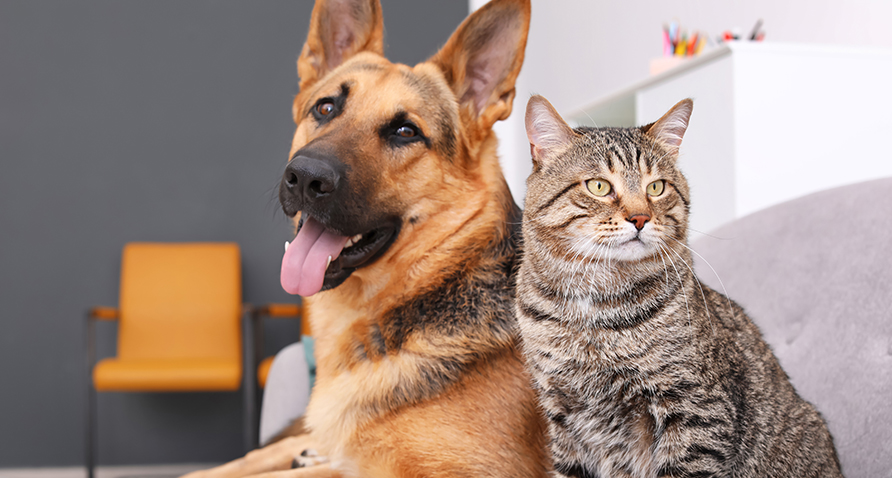
Figure 1: Healthy and content pets often make their humans happy. In dogs and cats too, the gut contributes greatly to overall health.
The gut is the key to health – in humans and animals. Our four-legged companions, however, often suffer from digestive disorders, are treated with antibiotics or develop chronic, degenerative conditions. Acute and chronic illnesses in dogs and cats are in most cases attributable to an unhealthy gut. Once the natural gut flora is out of balance, an intestinal rehabilitation can help. The aims of intestinal rehabilitation are
- to regenerate the intestinal mucosa
- to prevent allergies and autoimmune diseases
- to curb inflammatory processes, internally and externally, e.g. in the ears and on the skin
- to support the immune system
- to restore the balance of gut bacteria in chronic gastrointestinal conditions, e.g. after a course of antibiotics
The boundaries between the individual steps are fluid here, as the effects of the recommended remedies always depend on the individual circumstances.
Step 1: Gut cleansing
The coarse cleansing of the gut is the first step in intestinal rehabilitation. Fortunately, most animals do not suffer from constipation, so a regular stool can usually be assumed. Nevertheless, residues, heavy metals and food remnants accumulate in gut pockets. Good and inexpensive relief can be achieved here with sauerkraut. Cats unfortunately do not like it as much as dogs, but there are few dogs that dislike sauerkraut. It can be added unwashed in small amounts to the regular food. I give a 30 kg dog up to 200 g of sauerkraut per day. Smaller animals accordingly less.
Dietary fibre is essential for carnivores. Soaked psyllium husks aid bowel movements (also called gut peristalsis), regenerate the mucosa and are essential as prebiotics for restoring gut bacteria. They should be moistened beforehand; the guideline is approx. ½ tsp daily per 10 kg bodyweight, divided across each meal.
Step 2: Antifungal therapy
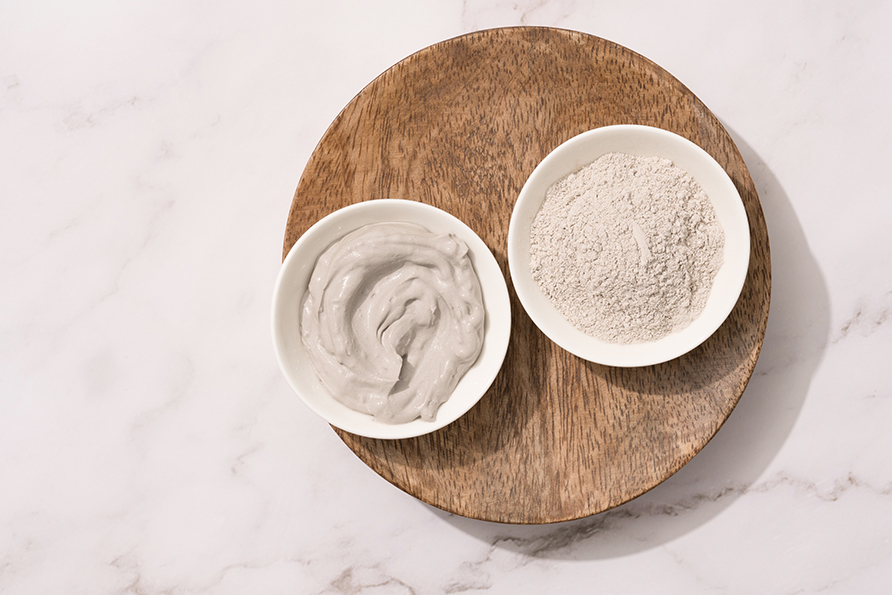
Figure 2: Bentonite can be used to decontaminate the intestinal mucosa from fungi. The volcanic mineral is also soothing for dogs and cats.
In chronic inflammatory processes affecting the skin and paws of animals, fungi are very often involved! Unfortunately, tests often give false-negative results here, so one should not rely on them. For an experienced therapist/veterinarian this is a visual diagnosis. Since around 70% of fungal overgrowth (usually a yeast – Candida) occurs in the gut, topical treatments are at best not sustainable.
Eradicating fungi from the body is only possible when the yeast is no longer being fed: this is sadly the case if any kind of sugar is fed. Potatoes, carrots and even pea proteins already contain too many carbohydrates, so the yeast remains alive. A course using feed charcoal or activated charcoal, bentonite, myrrh, aloe vera powder, pau d’arco used individually provides good relief. Activated charcoal is stronger and binds more than feed charcoal; this should be considered when dosing. For a 30 kg dog with fairly strong symptoms, the dose is at least the human dosage per product, i.e. about 2 x daily 500 mg or more. For smaller dogs the dose must be adjusted accordingly.
With cats one should start more cautiously and give the more neutral-tasting variants first. Homeopathic Candida drops have also proven effective! I usually use powders or capsules and like to combine several supplements. It is fine to mix everything into the food together.
I have unfortunately never achieved a lasting success with nystatin (a conventional antifungal). Of course, every single antibiotic administration contributes to renewed fungal overgrowth.
If the fungal infection is persistent, it may be due to psychological causes, excess acidity or even liver overload. Chlorophyll drops act here like a catalyst that often first sets the antifungal course in motion.
Step 3: Consider liver metabolism!
As the liver produces bile which flows into the gut, a bile malabsorption disorder or bile acid loss syndrome can lead to mild “burning” sensations (“I feel bile rising”). The best intestinal rehabilitation will not succeed if this problem is not addressed at the same time. Psyche, overly fatty food (dry food! treats! incorrect BARF) and chemical medications burden this process. The administration of bitters, taurine and/or vitamin B is mandatory for any bile-related issues such as vomiting, two-toned faeces, bile sludge or recurring colic.
Bitter herbs for animals include dandelion (juice), which even fussy dogs and cats will take. A mixture of wormwood, gentian and centaury (at least 500 mg daily per 30 kg bodyweight) tastes intense but is often necessary. For artichoke extract one can administer up to 320 mg daily per 10 kg bodyweight. For wormwood and gentian – the most bitter substances of all – I do not give more than about 30 mg per 20 kg bodyweight per day. For cats I would only recommend this in exceptional cases, and only in closed capsules, otherwise they salivate heavily.
If in doubt, a faecal analysis should be performed to properly diagnose this disorder.
Small intestinal bacterial overgrowth (SIBO) occurs because of this problem; pancreatic issues go hand in hand with bile problems and can only be solved in this way!
Changes (both increased and decreased) especially of the ALP level in the blood can be an indication of this syndrome!
Step 4: Mucosal rebuilding
Only after these steps does mucosal rebuilding make sense. Faecal analyses can show the degree of change in the intestinal mucosa. Zonulin levels, gut-specific IgA and also E. coli bacteria are parameters that should not be elevated in the laboratory. If tiny holes appear in the gut, faecal particles enter the bloodstream and itching, autoimmune diseases, rheumatism etc. develop.
Conversely, regeneration and treatment of the intestinal mucosa are advisable in all protracted illnesses. Glutamine, humic acid, aloe vera and E. coli products from human medicine (e.g. Synerga, Colibiogen, Symbioflor) help. In general, one can orientate to the dosing indicated on the packaging for humans: that is at least 1 ml once daily per animal. Usually one increases to at least 1–3 ml twice daily. Also for cats! However, this must be administered over several months to achieve lasting success, with the motto: the longer, the better!
Collagen is important not only for joints but also for the elasticity of the gut.
Medicinal mushrooms such as Hericium and Chaga, given in extract form, can additionally provide excellent support. The dosage should not deviate too much from that for humans, as animals have a very high metabolism and generally require higher doses. This applies not only to medicinal mushrooms but usually to other supplements as well. It is recommended to always start with a small amount and then increase it until the desired effect is achieved.
We also always measure the folate level in order to administer this important B vitamin for the gut. A course of injections or oral drops quickly leads to improvement. Food alone cannot correct a deficiency.
Step 5: Rebuilding beneficial bacteria
.jpg)
Figure 3: With the right bacteria, a robust and healthy gut flora can be established.
There are hundreds of bacterial species in the gut, all with different functions. They are not only important for digestion but above all for a healthy immune system and the psyche! It has been proven that stress can completely change the gut environment within days! Incorrect, non-species-appropriate nutrition, antibiotics and even too many dry products damage the microbiome in the long term. A vicious circle begins.
Conversely, it has proven effective to administer a broad range of good gut bacteria over months. Unfortunately, not only 1–2 different strains are sufficient; there should be a variety of lacto- and bifidobacteria, and Enterococcus and good E. coli are also important. I have had good experiences with Symbioflor, Enteroferment and Bioflair.
Fermented products can also be used, but are unfortunately partially destroyed in the stomach. Administration to animals should therefore be on an empty stomach and independent of the meal.
I would rather advise against products containing inulin or dextrin, as many dogs and cats get abdominal pain from them.
Possible obstacles to healing
Acidosis and insufficient detoxification, psychological limitations that lead to stress and/or anger, can impair the healing process. If in doubt, one can measure the animal’s cortisol and vitamin B12 levels to see more objectively how “stressed” the animal is.
Alkalinisation with baking soda independent of meals displaces fungi and stabilises the body’s physiology. A small pinch applied directly to the oral mucosa is sufficient. It should not be given mixed into the food!
These steps can be repeated from top to bottom and vice versa; often some products only work particularly well in the second round.
Conclusion
The process requires time and patience. Rome wasn’t built in a day, but in truth this is the only sustainable way to heal your four-legged favourite of chronic illnesses. A species-appropriate, individually tailored diet is essential to this programme for success! Dry food damages the gut and the best intestinal rehabilitation cannot remedy that.
Biographical note
Born in Graz and raised in the countryside next to a farm, Eva Fürnschuß was introduced to naturopathy by her herb-savvy grandmother and mother from childhood. Her favourite books included those on animals and natural pharmacy. During her veterinary studies in Vienna she also completed an intensive training in classical homeopathy. During numerous stays abroad in Canada and Scotland she was able to gain new perspectives in veterinary medicine and BARF. A distance-learning course led to a TCVM training at the Qi Institute in Florida, as well as an acupuncture course in Germany. Later she immersed herself in the world of medicinal mushrooms and orthomolecular therapy. In her veterinary practice Eva Fürnschuß has been working for around 15 years with an individual selection from all these methods. Together with a healthy diet, this is certainly the secret recipe for successful and sustainably positive therapies.
Eva Fürnschuß lives with her family, three human children and 14 animal protégés in the beautiful Styria in Austria.
VET Alternative - Holistic Veterinarian Mag.a Eva Fürnschuß
Figure 1: New Africa/shutterstock.com ; Figure 2: Iryna Mylinska/shutterstock.com ; Figure 3: Choksawatdikorn/shutterstock.com
17.02.2025

