
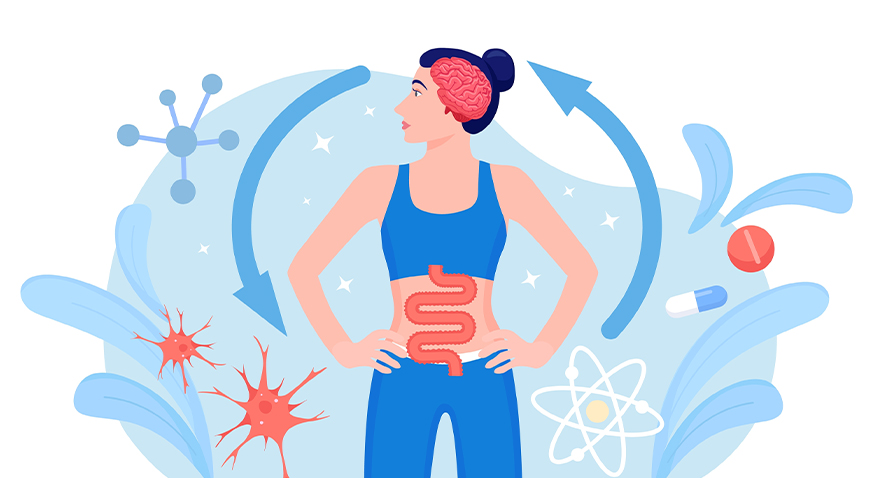
Figure 1: Through a multifaceted connection, the vital organs gut and brain communicate with each other.
Our gut is not only important for digestion and nutrient absorption, but also influences many other processes in the human body. Particularly fascinating is its connection to our brain. We will examine the reciprocal relationship between these two organ systems in this article.
In short, the gut–brain axis describes the mutual influence and communication that takes place between our brain and our gut. There is a close connection and intense exchange between gut and brain, with communication occurring in both directions – it is bidirectional.
How exactly does this communication take place?
There are over 100 million nerve cells in the gut that together form the enteric nervous system. This enteric nervous system, also referred to as the "second brain", partly regulates gut functions together with the "head brain", such as the movements of the gut musculature, the secretion of digestive juices, blood flow and all digestive functions. The parasympathetic and sympathetic systems – the two main components of the autonomic (vegetative) nervous system – also influence gut functions. The parasympathetic system, which is responsible for rest and recovery, stimulates gut activity, while the sympathetic system reduces digestive functions during stress or physical exertion. At the same time, the enteric nervous system sends endocrine and neuronal signals from the gut to the central nervous system, which comprises all the nerves of the spinal cord and the brain.[1][2]
The gut therefore sends signals to the brain and the brain sends signals to the gut. Gut and brain interact via various mechanisms. Involved are nerve pathways, hormones, immune cells and the gut microbiota as well as their metabolic products.[3]
Vagus nerve, immune cells and hormones – important partners for gut and brain
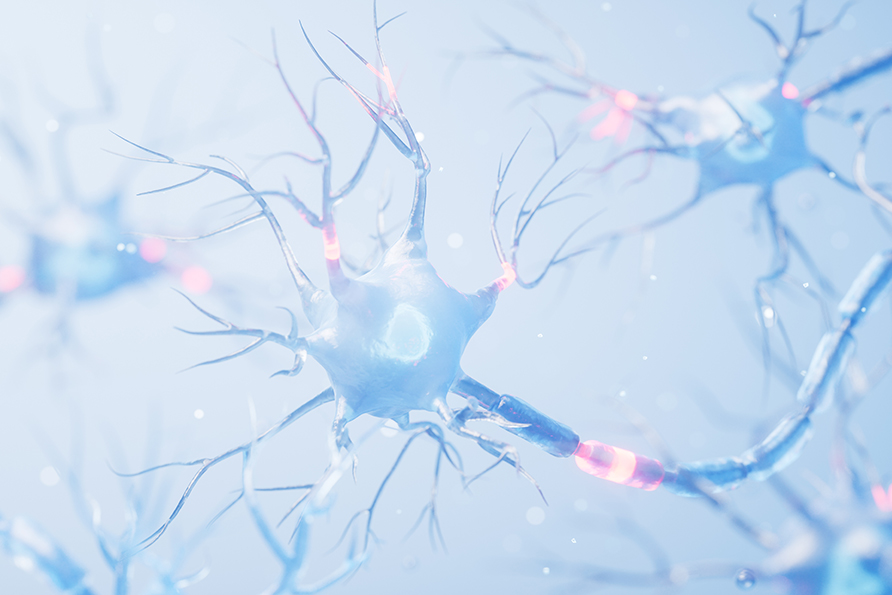
Figure 2: The gut and the brain are the organs in the body with the highest number of nerve cells.
The direct connection between the enteric and central nervous systems is the vagus nerve, which is part of the parasympathetic system. Via this nerve, the two organ systems are in constant information exchange through messenger substances. The vagus nerve conveys information about the state of the digestive system to the brain and at the same time sends signals from the brain to the gut to control digestive processes. Emotional responses also fall within the scope of the vagus nerve.[1][4]
In addition, 70 to 80% of our immune cells are located in the gut, so it plays a central role in the immune response. The gut-associated lymphoid tissue (GALT) present there can react to antigens in the gut. These local immune reactions, in turn, can trigger inflammatory processes that under certain conditions promote autoimmune reactions and can also affect tissue in the brain.[1]
Furthermore, a variety of hormones are produced in the gut that are involved in different digestive processes and in communication with the central nervous system. For example, a large proportion of the "feel-good" hormone serotonin is produced in the gut.
Stress – a major killer of our gut bacteria
Hormones of the stress axis – i.e. the hypothalamic–pituitary–adrenal axis – also have direct effects on the gastrointestinal tract. Acute and chronic stress act via nerve signals on the gut microbiota, promote inflammatory processes and can negatively affect gut motility and the gut barrier.[3][5] The brain thereby has a direct influence on the composition and function of the gut microbiota.
Our gut is colonised by countless and highly diverse microbes that together form the gut microbiota. The gut microbiota act as a protective layer, participate in digestion and, together with the metabolic products they produce, regulate various processes in the body, including communication between gut and brain.
Gut microbiota – directly to the brain via messengers and fatty acids
Among the metabolic products produced by the gut microbiota is the amino acid tryptophan, a precursor of the neurotransmitter serotonin. This regulates appetite as well as our mood.
The short‑chain fatty acid butyrate, also produced by the gut microbiota, serves as an energy source for certain brain cells. These cells cleanse the brain by metabolising harmful particles. If they have too little energy, toxins can accumulate in the brain and cause problems.
Moreover, dysbiosis of the gut microbiota can lead to disturbances in the barrier function of the gut, which can result in a "leaky gut". Harmful or disease‑causing substances can then enter the bloodstream from the gut and promote inflammation of nerve cells.
Our microbiome also helps determine how our brain develops
Conversely, the microbes in our gut are involved in the development and function of the brain and enteric nervous system,[6] because they influence all signaling pathways of the gut–brain axis. The gut microbiota therefore play a key role in the connection between gut and brain. Since science recognised this link, the term microbiome–gut–brain axis is often used.[7]
The communication between gut and brain via neuronal, immunological, endocrine and microbial mechanisms has already been scientifically demonstrated, although the precise processes of this multifaceted and complex communication remain the subject of current research.[8]
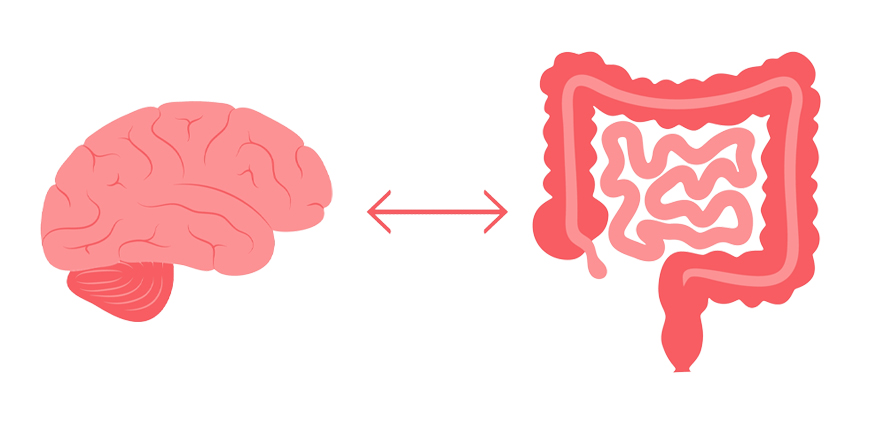
Figure 3: A large proportion of nerve fibres run from the gut to the head – thus more signals are sent from the gut to the brain than vice versa.
What does the gut–brain axis influence?
As already evident from the various mechanisms, the gut–brain axis has a diverse impact on the human body. It is involved in the regulation of gut functions such as digestion, nutrient absorption and gut barrier, inflammatory processes, immune defence as well as brain functions.
The connection between gut and brain highlights the close link between gut health and psychological well‑being.[8] The gut–brain axis affects feelings, motivation, higher cognitive functions and even intuitive decision‑making.[2]
Thoughts and emotions in turn directly influence the composition of the gut microbiota and thus the function of the gut and the immune system. Anxiety and stress act on the autonomic nervous system and the gut, where, over time, disease‑promoting changes can occur. At the same time, impaired digestion affects the psyche. There is an interaction that can mutually reinforce itself.
Does your gut determine who you are?
Even certain personality traits may be related to the gut microbiota. Studies have shown associations between the presence and abundance of certain bacterial species in the gut microbiota and personality traits such as extraversion and introversion.[9] Another study describes that the personality traits conscientiousness and emotional stability are associated with a more anti‑inflammatory composition of the gut microbiota. The authors attributed this to a link between negative emotions and inflammation, which could lead to a change in the composition of the gut microbiota and a disturbed gut barrier.[10]
Furthermore, new research shows the involvement of the gut microbiota in regulating the circadian rhythm of stress hormones. It influences stress‑reactive brain regions. Reduced diversity leads to impairments in time‑of‑day‑specific stress reactivity.[11]
How great is the influence of the gut–brain axis on health – diseases associated with the gut–brain axis

Figure 4: Gut instinct does not deceive – the gut decides and senses along.
Studies show that, on the one hand, in some diseases attributable to disturbances of the gut–brain axis, the brain is a major influencing factor. On the other hand, the gut can affect the course or development of brain diseases.[8]
Irritable bowel syndrome (IBS) is the best-known condition linked to the microbiome–gut–brain axis. Up to 50% of people who meet diagnostic criteria for an anxiety disorder suffer from irritable bowel syndrome.[8]
Stress and anxiety lead to reduced diversity and altered composition of the gut microbiota.[11] An altered composition of the gut microbiota has also been observed in people with depression.[8] The gut microbiota and the microbiome–gut–brain axis therefore appear to play a role in psychiatric disorders. A change in communication between gut and brain could be a possible cause of mental disorders. Changes in the gut microbiota and the gut barrier can lead, via various processes, to increased inflammatory markers in the brain, which in turn cause structural changes to cells and nerve pathways responsible for learning, memory, mood regulation and emotions. This can potentially promote neuropsychiatric disorders. Further research is needed to identify the exact causal processes associated with the gut–brain axis.[6]
Other conditions for which current research indicates a link with the gut–brain axis include: psychomotor developmental disorders such as autism or ADHD7; sleep disorders and metabolic syndrome[12]; epilepsy[13]; chronic inflammatory bowel diseases; skin conditions; migraine; autoimmune diseases such as multiple sclerosis[14]; dementia and Alzheimer’s disease.[1]
Conclusion – Gut and brain: a fascinating connection
It is therefore not only an idiom to have butterflies in your stomach or to make a decision from the gut. Gut and brain are in lively exchange through diverse and complex mechanisms. The connection between gut and brain via the gut–brain axis influences gut functions, mood, behaviour and even cognitive abilities. To fully decipher the exact processes of the gut–brain axis, especially in various diseases, further research is required. However, the findings could open up new possibilities in the diagnosis and treatment of various conditions and represent a fascinating field of research.
Biography
Vivian Zajac holds a degree in health education (B.Sc.) and is a trainee naturopath with a special focus on holistic health and prevention. In a further training course to become a gut health consultant, she devoted herself to her passion for gut health in 2022. In her free time she also engages intensively with topics related to health, naturopathy and biohacking, acquires knowledge and repeatedly tries out new approaches herself. Methods such as breathwork, cold water immersion, strength training, healthy nutrition and optimal micronutrient supply are a fixed part of her life. Vivian Zajac not only enjoys continuously optimising her own health but also sharing her knowledge and enthusiasm – both in private and professional contexts. For her, a holistic view of the person is essential.
[1] Cryan JF, O'Riordan KJ, Cowan CSM, Sandhu KV, Bastiaanssen TFS, Boehme M, Codagnone MG, Cussotto S, Fulling C, Golubeva AV, Guzzetta KE, Jaggar M, Long‑Smith CM, Lyte JM, Martin JA, Molinero‑Perez A, Moloney G, Morelli E, Morillas E, O'Connor R, Cruz‑Pereira JS, Peterson VL, Rea K, Ritz NL, Sherwin E, Spichak S, Teichman EM, van de Wouw M, Ventura‑Silva AP, Wallace‑Fitzsimons SE, Hyland N, Clarke G, Dinan TG. The Microbiota‑Gut‑Brain Axis. Physiol Rev. 2019 Oct 1;99(4):1877‑2013. doi: 10.1152/physrev.00018.2018. PMID: 31460832. https://journals.physiology.org/doi/full/10.1152/physrev.00018.2018?rfr_dat=cr_pub++0pubmed&url_ver=Z39.88-2003&rfr_id=ori%3Arid%3Acrossref.org Accessed on: 03.02.2025
[2] Mayer EA. Gut feelings: the emerging biology of gut‑brain communication. Nat Rev Neurosci. 2011 Jul 13;12(8):453‑66. doi: 10.1038/nrn3071. PMID: 21750565; PMCID: PMC3845678. https://www.ncbi.nlm.nih.gov/pmc/articles/PMC3845678/ Accessed on 10.02.2025.
[3] Elfers, K., Mazzuoli‑Weber, G. (2024). Die Darm‑Hirn‑Achse (gut‑brain axis). In: Moser, G., Goebel‑Stengel, M., Stengel, A. (eds) Psychosomatik in der Gastroenterologie und Hepatologie. Springer, Berlin, Heidelberg. https://doi.org/10.1007/978-3-662-68436-8_3 Accessed on: 10.02.2025.
[4] Bonaz, Bruno & Bazin, Thomas & Pellissier, Sonia. (2018). The Vagus Nerve at the Interface of the Microbiota‑Gut‑Brain Axis. Frontiers in Neuroscience. 12. 10.3389/fnins.2018.00049. https://www.researchgate.net/publication/322986233_The_Vagus_Nerve_at_the_Interface_of_the_Microbiota-Gut-Brain_Axis/citation/download?_tp=eyJjb250ZXh0Ijp7ImZpcnN0UGFnZSI6InB1YmxpY2F0aW9uIiwicGFnZSI6InB1YmxpY2F0aW9uIn19 Accessed on: 10.02.2025.
[5] Marano G, Mazza M, Lisci FM, Ciliberto M, Traversi G, Kotzalidis GD, De Berardis D, Laterza L, Sani G, Gasbarrini A, Gaetani E. The Microbiota‑Gut‑Brain Axis: Psychoneuroimmunological Insights. Nutrients. 2023 Mar 20;15(6):1496. doi: 10.3390/nu15061496. PMID: 36986226; PMCID: PMC10059722. https://pmc.ncbi.nlm.nih.gov/articles/PMC10059722/ Accessed on: 03.02.2025.
[6] Wang Q, Yang Q, Liu X. The microbiota‑gut‑brain axis and neurodevelopmental disorders. Protein Cell. 2023 Oct 25;14(10):762‑775. doi: 10.1093/procel/pwad026. PMID: 37166201; PMCID: PMC10599644. https://pmc.ncbi.nlm.nih.gov/articles/PMC10599644/ Accessed on: 03.02.2025.
[7] Margolis KG, Cryan JF, Mayer EA. The Microbiota‑Gut‑Brain Axis: From Motility to Mood. 2021. Gastroenterology Vol 160(5), 1486‑1501. https://www.sciencedirect.com/science/article/abs/pii/S0016508521002687#:~:text=Inthisreview%2Cwehighlighttheroleofbowelsyndromeanddisordersofmoodandaffect Accessed on:03.02.2025.
[8] Lee A, Lee JY, Jung SW, Shin SY, Ryu HS, Jang SH, Kwon JG, Kim YS. Brain‑Gut‑Microbiota Axis. Korean J Gastroenterol. 2023 Apr 25;81(4):145‑153. Korean. doi: 10.4166/kjg.2023.028. PMID: 37096434. https://pubmed.ncbi.nlm.nih.gov/37096434/ Accessed on: 03.02.2025.
[9] Johnson KVA. Gut microbiome composition and diversity are related to human personality traits. Hum Microb J 2020; DOI: 10.1016/j.humic.2019.100069. https://www.sciencedirect.com/science/article/pii/S2452231719300181?via%3Dihub Accessed on 10.02.2025.
[10] Kim N. et al. Correlation between gut microbiota and personality in adults: A cross‑sectional study. Brain Behavior and Immunity 2018; 69: 374‑385. https://pubmed.ncbi.nlm.nih.gov/29278751/ Accessed on 10.02.2025.
[11] Tofani GSS, Leigh SJ, Gheorghe CE, Bastiaanssen TFS, Wilmes L, Sen P, Clarke G, Cryan JF. Gut microbiota regulates stress responsivity via the circadian system. Cell Metab. 2025 Jan 7;37(1):138‑153.e5. doi: 10.1016/j.cmet.2024.10.003. Epub 2024 Nov 5. PMID: 39504963. https://www.cell.com/cell-metabolism/fulltext/S1550-4131(24)00399-1?_returnURL=https%3A%2F%2Flinkinghub.elsevier.com%2Fretrieve%2Fpii%2FS1550413124003991%3Fshowall%3Dtrue Accessed on: 10.02.2025.
[12] Dos Santos A, Galiè S. The Microbiota‑Gut‑Brain Axis in Metabolic Syndrome and Sleep Disorders: A Systematic Review. Nutrients. 2024 Jan 29;16(3):390. doi: 10.3390/nu16030390. PMID: 38337675; PMCID: PMC10857497. https://pmc.ncbi.nlm.nih.gov/articles/PMC10857497/ Accessed on: 03.02.2025.
[13] Ding M, Lang Y, Shu H, Shao J, Cui L. Microbiota‑Gut‑Brain Axis and Epilepsy: A Review on Mechanisms and Potential Therapeutics. Front Immunol. 2021 Oct 11;12:742449. doi: 10.3389/fimmu.2021.742449. PMID: 34707612; PMCID: PMC8542678. https://pmc.ncbi.nlm.nih.gov/articles/PMC8542678/ Accessed on: 03.02.2025.
[14] Kadowaki A, Quintana FJ. The Gut‑CNS Axis in Multiple Sclerosis. Trends Neurosci. 2020 Aug;43(8):622‑634. doi: 10.1016/j.tins.2020.06.002. Epub 2020 Jul 7. PMID: 32650957; PMCID: PMC8284847. https://pmc.ncbi.nlm.nih.gov/articles/PMC8284847/ Accessed on: 10.02.2025.
Figure 1: Buravleva stock/shutterstock.com ; Figure 2: Vink Fan/shutterstock.com ; Figure 3: Pikovit/shutterstock.com ; Figure 4: SizeSquares/shutterstock.com
20.02.2025

