
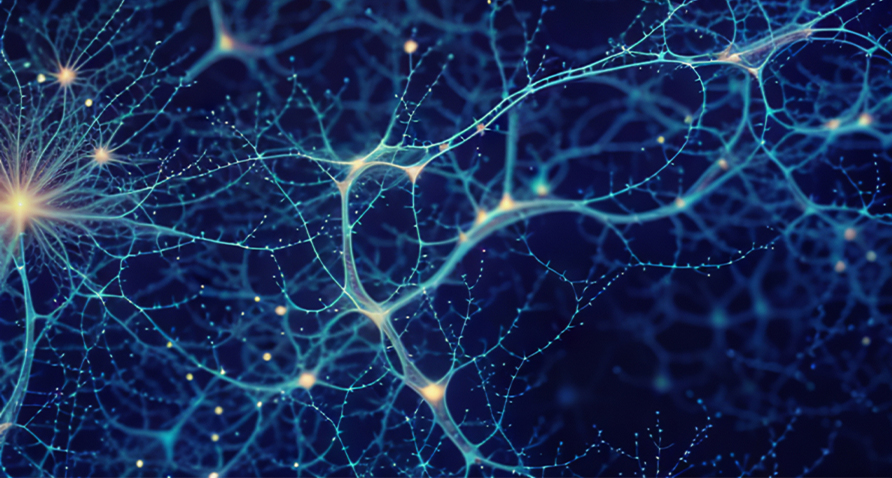
Figure 1: Human neurons are high-performance cells with excellent communicative abilities.
Many people who suffer from chronic complaints or unpleasant sensations wonder whether there really is no other perspective for them. They are often told that their chronic condition will accompany them for life. All the more remarkable are the findings from research into the brain’s neuroplasticity, which show how much potential we possess to change seemingly fixed circumstances in life.
Neuroplasticity describes our brain’s ability to change and adapt itself – an ability that is not only essential for the healing process after an illness, but can also be very helpful for mental blockages or chronic stress. The neuroplastic property of our brain has been widely studied in neurological conditions, for example in convalescence after a stroke [1], in multiple sclerosis, epilepsy or Parkinson’s. But this astonishing ability of the brain is also successfully used in psychiatric disorders such as depression [2], post-traumatic stress disorder (PTSD) or anxiety. Other areas include learning and developmental disorders such as autism or ADHD, as well as age-related diseases like Alzheimer’s. Studies have also demonstrated successes in chronic pain [3] as well as in addiction issues [4] or in hearing [5] and vision loss problems. [6]
What lies behind this property of the human brain and how can neuroplasticity be used in everyday life for self-help?
The astonishing potential of the human brain
Every person is born with billions of nerve cells (neurons). The number of synapses per nerve cell in the human brain varies depending on cell type and function. On average, a neuron has about 1,000 to 10,000 synapses. However, certain neurons, such as Purkinje cells in the cerebellum, can have significantly more connections. A central task of the connections in the brain is to communicate with other cells. [7] At the same time, the synapses and with them the neurons in our brain are not static but highly dynamic.
Behind this fact lies an incredible healing potential. Many of the trillions of potentially available neural connections lie fallow and are not used.
"Many of these synapses lie dormant and are waiting to be given a role.
We all possess countless neural connections
that we can reprogram."
Joey Remenyi,
Author of "Brain in Balance"
What is neuroplasticity?

Figure 2: Our brain has the ability to undergo continuous neural change – throughout life.
The brain has the ability to adapt throughout life. This so-called neuroplasticity means that it can form new connections between nerve cells (synapses) and reorganise old connections. When someone learns a new language or plays a musical instrument, new neural links are formed in the brain at the same time. Studies show, for example, that the brains of musicians are denser in certain regions responsible for motor and auditory processing. Learning new skills such as playing an instrument changes the structure of the brain.
Neuroplasticity can therefore be defined as the nervous system’s ability to respond to intrinsic (coming from within) and extrinsic (coming from outside) stimuli by adjusting its structure, function and connections. This ability operates on many different levels, from the molecular level through the cellular level to the system and behavioural level.
Myth: Does our brain shrink with age?
Surely you know this: children can absorb new information incredibly quickly. Their young brain is capable of forming neural connections in no time. And it is precisely this greater plasticity that is the reason why children find it much easier to learn a new language than adults, explains Dr Vemuri of the Mayo Clinic. [8]
"The brain's ability to change - to adapt to the environment, stimuli or experiences -
is generally referred to as neuroplasticity"
Dr Prashanthi Vemuri,
Expert at the Mayo Clinic [9]
Does this mean that older people no longer form synapses and is it true that the brain becomes smaller with age? Dr Vemuri says that brain development continues until the mid to late 20s. From then on the brain slowly shrinks, with the rate of shrinkage increasing from around the age of 60. This change with age can affect cognitive functions such as memory, processing speed, decision-making and learning – in other words, the areas in which one may feel less sharp as one gets older. [10]
Figure 3: Even in advanced age new networks can be formed and cognitive abilities expanded. The prerequisite is regular training for the brain.
Thanks to neuroplasticity, however – as one study shows – people over 60 can indeed enlarge their brains. Scientists from the University Medical Center Hamburg-Eppendorf (UKE) and from Jena showed that people aged over 60 who trained juggling for three months developed a demonstrably enlarged hippocampus. [11] The researchers concluded that these changes are not limited to the young brain, but that the anatomical structure of the adult brain can still change significantly even in older age. [12]
This means: although the human brain changes with age, people of all ages can benefit from the power of neuroplasticity. Even in those over 70 it has been shown that new nerve cells can still develop in the hippocampus! [13]
How the brain’s neuroplasticity is activated
"What fires together, wires together!" This simple description of human nerve cell activity was made by the Canadian neuropsychologist Donald Hebb as early as 1949. He is regarded as one of the pioneers in the field of neuroplasticity, although the idea of changeable neural circuits was long attacked by the scientific establishment. [14] The Hebbian rule named after him describes how synaptic connections between neurons (nerve cells) are strengthened when they are active at the same time. [15] Simply put, this means: Neuron B receives the signal from Neuron A when either the signal is very strong or when Neuron B is stimulated not only by Neuron A but additionally by another Neuron C.
We create neural links on the one hand through repetition (for example continuous practice with a musical instrument) and on the other hand through emotional context. Experiences that we love or hate (i.e. when the signal is very strong) thereby receive a greater significance than experiences that do not move us.
"The things that matter to us are wired most effectively."
Joey Remenyi,
Author of "Brain in Balance"
Through repetition and emotional context to the neural motorway - how the brain builds structures
By repeating certain actions, the connections between groups of neurons responsible for performing that action are strengthened. Each of us knows those moments in everyday life when we do not remember how we got from A to B – perhaps because we were on the phone and carried out all actions on our internal autopilot. Repeated actions produce stable interneuronal connections similar to the worn grooves of an old road. [16] These thick bundles of nerves can be compared to a motorway that connects different brain regions. [17] They are also referred to as "neural motorways".
The evolutionary advantage is that the brain thereby establishes links between different experiences which then underlie future actions. As a result, we do not have to relearn everything every day but can perform many actions automatically. The major disadvantage, however, is that we can be pre-programmed in our unconscious actions, especially if we are unaware of these automatisms. Not infrequently this circumstance leads to certain neural networks in our brain lying fallow and not being activated or only being activated to a small extent.
How can neuroplasticity be applied therapeutically?
We can harness this very dynamic property of our brain therapeutically. Neuroplasticity can be specifically used for both physical illnesses and psychological complaints. The three main mechanisms of neuroplasticity are particularly relevant:
- Nerve fibres can regrow after peripheral nerve damage,
- injured nerve cells of the central nervous system can be restored by the growth of new dendrites, axons and synapses from existing cell bodies, and
- neurons can be newly formed in the so-called germinal zone, which contains neural stem cells and is located in a particular part of the hippocampus. [18] This process is called neurogenesis.
Neuroplasticity in convalescence after strokes
In a stroke, part of the brain is not sufficiently supplied with blood, or there is bleeding in the brain, usually due to a blocked or ruptured blood vessel. As a result, brain cells are damaged or die. In many cases, however, the brain can recover from this damage.
„Let’s assume the stroke leads to motor or speech symptoms, i.e. difficulties with mobility or speaking. With a lot of practice you can regain those functions over time because the brain functionally reorganises itself."
Dr Vemuri, Mayo Clinic
Neuroplasticity has been extensively studied particularly for motor recovery after stroke. A study by researchers Michael A. Dimyan and Leonardo G. Cohen shows that in the first 48 hours after a stroke there is a phase of increased synaptic plasticity in the human brain. This means that after a stroke neurobiological changes occur that temporarily make the brain more receptive to plastic changes. This is because the brain attempts to compensate for damage and to form new neural connections to restore lost functions.
Therefore, behaviour training and other interventions carried out during this period are considered particularly effective for recovery after a stroke. [19]
Neuroplasticity in psychological complaints such as depression, anxiety, trauma or negative thought patterns
Depressive conditions are often associated with reduced neuroplasticity, which diminishes the brain’s ability to adapt to new experiences. Here, as with anxiety disorders, neuroplasticity is used to change neural patterns through therapies such as cognitive behavioural therapy (CBT) and mindfulness meditation. As a result, dysfunctional thought patterns can literally be "overwritten" and emotional resilience increased.
MBCT stands for Mindfulness-Based Cognitive Therapy. It is a therapeutic method that combines elements of cognitive behavioural therapy with mindfulness practices. MBCT has proven to be a promising approach in affective disorders. Studies suggest that this therapy form influences neural patterns by promoting mindfulness and thus contributes to relapse prevention in depression. [20]
A study conducted by Richard Davidson, Professor of Psychology and Psychiatry at the University of Wisconsin, shows that the brains of meditating people display increased activity in the left prefrontal cortex, an area of the frontal lobe responsible for a positive baseline mood, heightened attention and emotion regulation. [21]
Even with deep trauma, targeted trauma therapy has been shown to positively influence neural processing in the hippocampus and the prefrontal cortex, thereby improving emotional regulation and the processing of memories. Traumatic experiences can change our brain in negative ways. But the opposite is also true. Thanks to neuroplasticity we can heal from traumas in our past.
Neuroplasticity in convalescence after COVID and for chronic dizziness, tinnitus and brain fog
Neuroplasticity also helps some people recover from COVID-19. About 20% of those affected experience a change in taste and smell, and a further 20% have persistent changes that last weeks to months. In an estimated 95% of people with these changes, neuroplasticity contributes to the senses improving in less than a year – most effectively through smell training, in which the nerves are trained for healing and adaptation by smelling scents such as clove or lemon. [22]
Chronic dizziness, light-headedness and tinnitus are also disorders in a person’s life that often do not respond to conventional treatments. They give sufferers a feeling of hopelessness. With the help of neuroplasticity – explains neuroplasticity therapist Joey Remenyi – the symptoms can often be significantly reduced.
Neuroplasticity and Alzheimer’s: Which exercises can help?
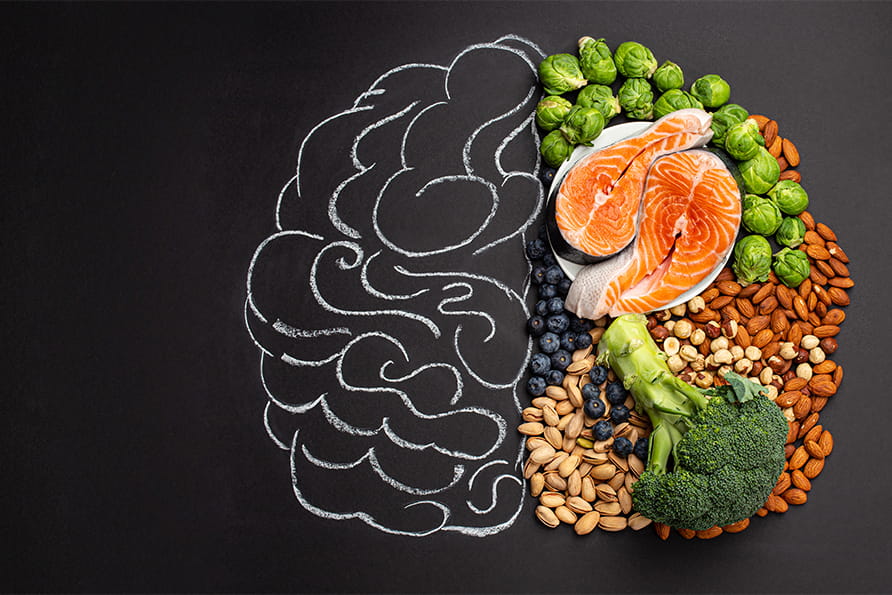
Figure 4: Nerve fibres can heal. Regular exercise, active learning, social contacts and a healthy diet make an important contribution to neurogenesis.
Regular cognitive and physical activities help to promote neuroplasticity and slow neurodegenerative progression. The well-known physician Dr Michael Nehls describes in his book The Alzheimer Lie concrete processes by which the brain’s neuroplasticity can be stimulated through targeted lifestyle changes to help prevent Alzheimer’s:
- Physical activity: Regular exercise, such as endurance training or moderate strength training, promotes brain blood flow and the production of growth factors such as BDNF (brain-derived neurotrophic factor).
- Learn, learn, learn – mental stimulation: By learning new skills or pursuing mentally challenging hobbies the brain is put to the test.
- Exchange and networking – social interaction: Regular interaction with other people stimulates different brain regions.
- Diet high in omega-3: An anti-inflammatory and nutrient-rich diet.
- Stress management: Reducing chronic stress through meditation, mindfulness or relaxation exercises.
Conclusion: Mouldable for a lifetime
Neuroplasticity proves that our brain remains adaptable throughout life if it is appropriately stimulated. Applying these findings in medicine, psychotherapy and personal development offers immense potential that is far from exhausted. Through continuous learning, mindful living and targeted exercises, everyone can actively contribute to the malleability of their brain.
Biography
Jannyn Sass is a freelance medical journalist, graduate in communications, author and mother of three children. She worked as a communications expert in design and software agencies as well as for a tech investor in Berlin.
Since her youth she has been fascinated by the larger contexts that can lead to illness or health in a person’s life. Jannyn studied business communications to discover systemic relationships and the facets of interpersonal communication.
During her studies and an intensive experience in Australia she realised that there must be more to life. She began studying alternative medical disciplines, spent three years learning traditional Chinese medicine in Berlin and trained as a health coach.
Her main interest is researching the effects of consciousness techniques and natural substances on the body, mind and soul of people, animals and plants. She is particularly concerned with meditation therapy. Privately she loves to traverse mountains and valleys, bathe in cold rivers and discover the magic of nature.
Books:
https://www.narayana-verlag.de/Die-Alzheimer-Luege-Michael-Nehls/b20994
https://www.narayana-verlag.de/Brain-in-Balance-Joey-Remenyi/b28316
Sources:
[1] https://schlaganfallbegleitung.de/wissen/neuroplastizitaet
[2] https://arxiv.org/abs/1711.09536?
[3] https://pubmed.ncbi.nlm.nih.gov/26848123/
[4] https://pmc.ncbi.nlm.nih.gov/articles/PMC6718472/
[5] https://epub.uni-regensburg.de/37760/1/Dissertation_E_Schmidt.pdf
[6] https://www.narayana-verlag.de/Brain-in-Balance-Joey-Remenyi/b28316
[7] https://www.youtube.com/watch?v=cCUUVByO4PY
[8] https://mcpress.mayoclinic.org/healthy-aging/the-power-of-neuroplasticity
[9] https://mcpress.mayoclinic.org/healthy-aging/the-power-of-neuroplasticity
[10] https://mcpress.mayoclinic.org/healthy-aging/the-power-of-neuroplasticity
[11] https://www.jneurosci.org/content/28/28/7031
[12] https://www.aerzteblatt.de/archiv/61051/Neuroplastizitaet-auch-bei-Senioren
[13] Eriksson, P. S. et al.: »Neurogenesis in the adult human hippocampus«, Nature Medicine V. 4, 1998, pp. 1313–1317
[14] https://bibliotekanauki.pl/articles/2106004.pdf
[15] https://www.narayana-verlag.de/Die-Alzheimer-Luege-Michael-Nehls/b20994
[16] https://bibliotekanauki.pl/articles/2106004.pdf
[17] https://www.oeaw.ac.at/news/model-der-autobahnen-im-gehirn-entwickelt-1
[18] https://link.springer.com/article/10.1007/s10072-023-07012-3
[19] https://www.nature.com/articles/nrneurol.2010.200
[20] https://www.aerzteblatt.de/archiv/80739/Achtsamkeitsbasierte-kognitive-Therapie-bei-affektiven-Stoerungen
[21] https://ieeexplore.ieee.org/abstract/document/4431873
[22] https://mcpress.mayoclinic.org/healthy-aging/the-power-of-neuroplasticity-how-your-brain-adapts-and-grows-as-you-age/
Figure 1: lumerb/shutterstock.com; Figure 2: Jorm Sangsorn/shutterstock.com; Figure 3: Emily Frost/shutterstock.com; Figure 4: Elena Eryomenko/shutterstock.com

