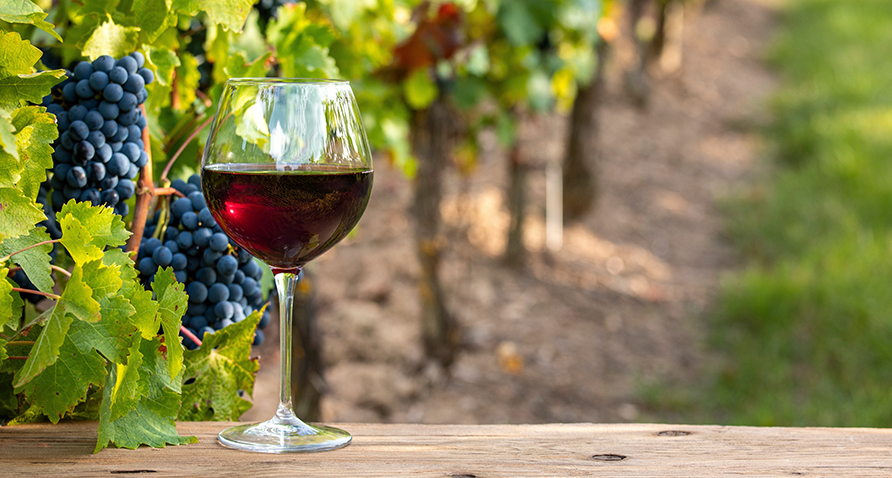
Figure 1: Resveratrol is present in red wine as well as in some plant foods. The polyphenol is said to support general health and longevity.
Resveratrol has been experiencing a real hype for several years and is on everyone's lips. The plant compound, which is found among other things in red wine, is said not only to support the prevention and treatment of various diseases but also to be capable of slowing the ageing process. How resveratrol works and whether it really is a miracle anti-ageing substance are explained in this blog article. We also present the main areas of application for the polyphenol and give helpful tips for choosing a suitable resveratrol preparation.
Resveratrol: effective plant defence with many health benefits
Have you ever heard of the so-called "French Paradox"? This refers to the observation that coronary heart disease is relatively rare in France – despite a typically high-fat and alcohol-rich diet. The regular consumption of red wine by the French is often cited as a possible explanation. Allegedly, the natural compound resveratrol found in red wine helps protect the heart and prevent cardiovascular disease.
But is that really true? And what exactly is resveratrol? Resveratrol is a naturally occurring polyphenol produced by plants in response to stressors such as UV radiation, infections or fungal attack. As a defence compound, resveratrol can prevent premature overripening or decay of fruits and plants and thus extend their lifespan. After the polyphenol was discovered in 1939, an extensive search for further natural sources of resveratrol followed, as well as investigations into the extent to which the human body might benefit from intake of this protective plant compound.
Resveratrol and its diverse effects
In the human organism, the effects of resveratrol appear on both cellular and molecular levels. Among other things, the plant compound potentially acts:
- as an antioxidant
- as an anti-inflammatory
- as an immunomodulator
- as a neuroprotectant
- as a cardioprotectant
Resveratrol's role as a strong antioxidant is often emphasised: it can neutralise free radicals and protect cells from oxidative stress. In addition to its own antioxidant properties, resveratrol can increase the production of endogenous antioxidant enzymes such as glutathione and superoxide dismutase (SOD). Furthermore, the plant compound belongs to the phytoestrogens. The mechanisms of action of these plant compounds resemble those of the female sex hormone oestrogen, which is why resveratrol can also exert oestrogen-like effects.
Main applications of resveratrol
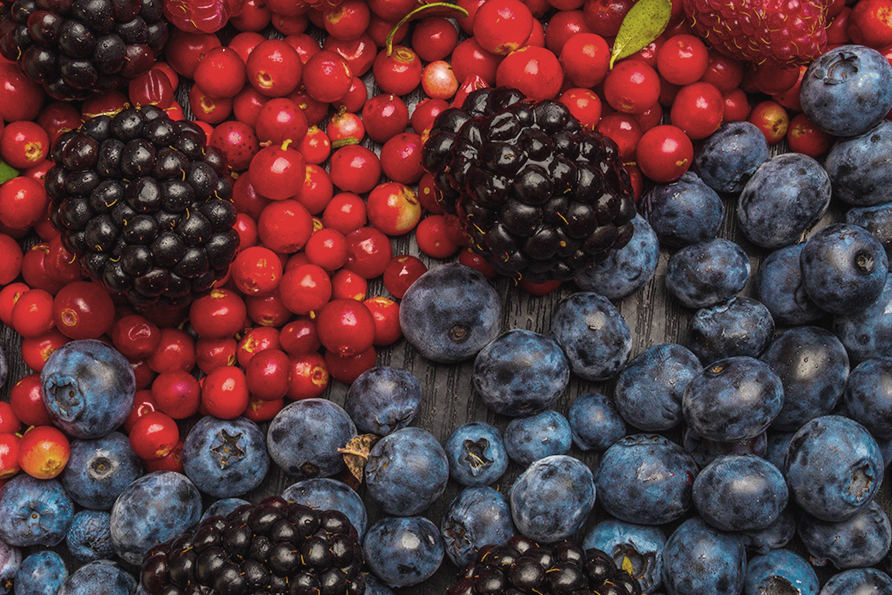
Figure 2: The possible uses of resveratrol are extremely varied. Among other things, the plant compound acts as an antioxidant and as a nootropic.
Due to its broad spectrum of action, resveratrol is used for numerous complaints. It must be noted, however, that clinical research on resveratrol is still relatively young. Most of the available studies are animal or in vitro studies, whereas the number of controlled clinical human studies to date is small. Below we present a selection of the most important applications of resveratrol.
Cardiovascular system
The hypothesis that regular red wine consumption can generally reduce the risk of heart disease has not been scientifically confirmed. However, a study from the University of Mainz found that resveratrol binds to and activates the regulatory protein KSRP. KSRP in turn is able to destabilise messenger RNA (mRNA) that can trigger a variety of inflammations in the body. By inhibiting the formation of these inflammatory factors, resveratrol makes an important contribution to cardiovascular health.
Further studies suggest that resveratrol can lower blood pressure and improve vascular function by helping to reduce "bad" LDL cholesterol in the body while increasing "good" HDL cholesterol.[1]
Longevity and anti-ageing
One of the most frequently discussed areas of use for resveratrol is undoubtedly longevity. In fact, resveratrol can activate the enzyme SIRT1 (sirtuin-1), which is associated with anti-ageing effects. The potentially life-extending mechanism of resveratrol via activation of sirtuins has also been demonstrated in several studies.[2]
In a double-blind crossover study conducted over 30 days, overweight but otherwise healthy participants took 150 milligrams of resveratrol or a placebo daily. Compared with the placebo group, the resveratrol group showed after 30 days a reduction in liver fat content as well as blood glucose, blood lipid levels and markers of inflammation. The researchers concluded that resveratrol intake induces metabolic changes in the body similar to those of a low-calorie diet.[3] These metabolic effects of calorie restriction are said to slow the ageing process of mind and body.[4]
Diabetes mellitus
Resveratrol can have a positive effect on glucose metabolism, which is of particular interest for people with type 2 diabetes. In a randomised controlled trial, 62 patients with type 2 diabetes took either conventional antidiabetic medication or 250 milligrams of resveratrol daily for three months. Oral intake of resveratrol led to lower blood pressure and cholesterol levels.[5] Animal studies have also shown that resveratrol can improve haemoglobin levels and insulin sensitivity and increase fat breakdown in the liver (a common cause of so-called fatty liver).[6]
Inflammation triggered by cytokines plays a central role in the development of insulin resistance and can be inhibited or prevented by the anti-inflammatory properties of resveratrol. As an antioxidant, resveratrol protects cells from oxidative stress, which otherwise can lead to cell damage and worsen the symptoms of diabetes.
Bone health and bone density
The possible positive effects of resveratrol on bone health are repeatedly discussed controversially in specialist circles. A randomised, placebo-controlled double-blind study from 2014 showed that resveratrol can increase bone mineral density.[7] In the study, 66 middle-aged men with metabolic syndrome took either 1,000 milligrams of resveratrol, 150 milligrams of resveratrol or a placebo daily. After four months, a marked increase in bone mineral density in the lumbar spine was observed. The researchers suspected that this increase in bone density is due to resveratrol's ability to activate osteoblasts. These bone-forming cells can support bone mineralisation. At the same time, the scientists pointed out that further large-scale, controlled studies are needed to confirm the promising results.
PCOS and hormonal balance
As already mentioned, resveratrol belongs to the phytoestrogens and has hormone-like effects, which is why the compound is often used in the treatment of polycystic ovary syndrome (PCOS). PCOS is a hormonal disorder that affects many women of childbearing age. Possible symptoms include irregular or absent menstrual bleeding, overweight, infertility and elevated levels of male hormones (androgens). The latter can promote symptoms such as acne or hair loss.
A 2023 meta-analysis concluded that resveratrol can help reduce levels of testosterone and some of its precursors (e.g. DHEAS) and thus can be used effectively in PCOS therapy.[8]
Neurodegenerative diseases
Resveratrol is regarded as a nootropic, i.e. a substance that can improve the brain's cognitive functions (e.g. memory performance, concentration and learning ability). Considering also the compound's neuroprotective, antioxidant and anti-inflammatory properties, resveratrol appears to be well suited for the treatment and prevention of neurodegenerative diseases. Current studies indeed show that resveratrol can have positive effects in neurodegenerative conditions such as Alzheimer's or Parkinson's disease.
In one study, 120 participants with mild to moderate Alzheimer's received either resveratrol or placebo once daily. In the resveratrol group the initial dose of 500 milligrams was increased by a further 500 milligrams every thirteen weeks. The maximum daily dose was 2,000 milligrams of resveratrol (divided into two doses per day). After 52 weeks, increased brain volume was observed in the resveratrol group compared with the placebo group.[9] Furthermore, the combination with piperine has proven particularly effective in increasing the bioavailability of resveratrol. In another study, a three-day intake of 250 milligrams of resveratrol and 20 milligrams of piperine led to a significant increase in participants' haemoglobin levels.[10] In the context of neurodegenerative diseases this result is relevant because low haemoglobin is associated with an increased risk of dementia.
Which natural foods contain a lot of resveratrol?
There are some plant foods that contain resveratrol in appreciable amounts. These include:
- Japanese knotweed
- (red) grapes
- plums
- peanuts
- berries
- apples
- dark chocolate
- red wine
However, it should be noted that the listed foods contain resveratrol only in very small amounts. These are by far not sufficient to achieve a therapeutic effect. To ingest 500 milligrams of resveratrol, for example, one would have to eat 1,528 kilograms of dark chocolate or 3,600 kilograms of peanuts. Consuming red wine to obtain resveratrol is also not recommended. Besides the small amounts present, resveratrol content in red wine can vary greatly. Alcohol carries additional health risks, which is why red wine should not be used as a primary source of resveratrol.
A much richer natural source of resveratrol is Japanese knotweed (Polygonum cuspidatum). The plant originally comes from Japan, China and Korea but now also grows on groundwater-near gravel and shingle soils in Central Europe. Under the name "Itadori" the knotweed has a long tradition in Japan as a medicinal tea.
Resveratrol supplements: how to find a suitable preparation
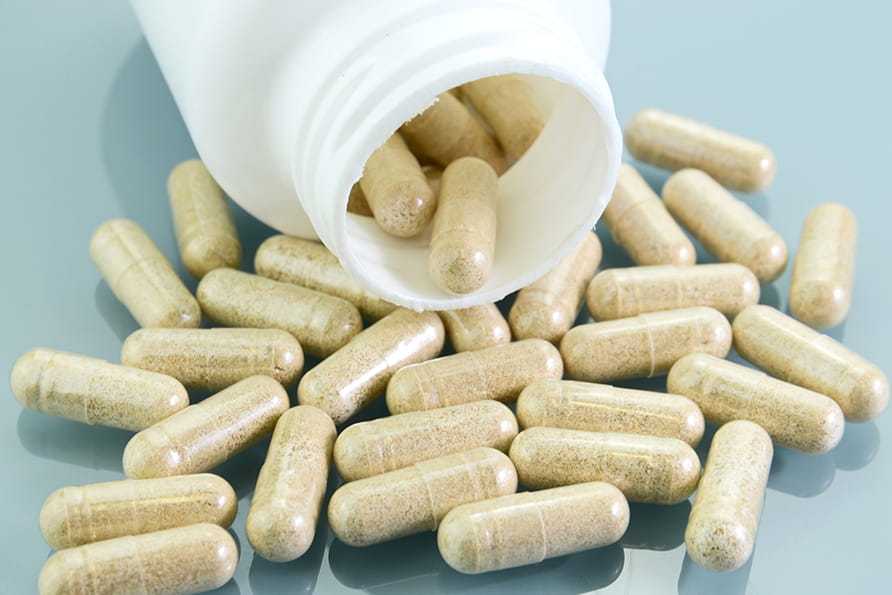
Figure 3: Trans-resveratrol is often used in dietary supplements because it can be particularly well absorbed and utilised by the body.
Resveratrol preparations offer the possibility of a concentrated and, if necessary, high-dose intake of resveratrol. In this respect they differ from plant foods containing resveratrol, in which the compound's content can fluctuate widely. Resveratrol supplements are usually taken as capsules, tablets, powders or liquid extracts. Preparations often contain trans-resveratrol, which is considered the most bioavailable form of resveratrol. The resveratrol capsules from Unimedica also contain 98% natural trans-resveratrol from Japanese knotweed extract. In addition to 150 milligrams of trans-resveratrol, the vegan capsules contain 9.5 milligrams of piperine from black pepper extract per daily dose. Piperine belongs to the group of alkaloids and promotes the biological utilisation of resveratrol.
Correct dosing and administration of resveratrol preparations
Looking at the clinical studies on resveratrol, it quickly becomes apparent that the dosages used vary considerably. How you should dose resveratrol therefore depends primarily on the purpose of use and your general health. For prevention and general health promotion, daily doses of 100 to 200 milligrams are usually sufficient. If you want to use resveratrol therapeutically, higher doses may be necessary, for example 1,500 milligrams for PCOS or 1,000 milligrams to increase bone density. Before using resveratrol at such high doses, however, you should definitely seek medical advice.
In general, it makes sense to start with a low dose. This gives the body a chance to slowly get used to resveratrol intake. It also helps to avoid diarrhoea, which can occur temporarily at the beginning of use. If you tolerate intake on an empty stomach well, it is advisable to take resveratrol preparations early in the morning. To improve bioavailability, you can additionally take other substances such as piperine or OPC.
Possible side effects and contraindications of resveratrol
Although resveratrol is generally considered safe and well tolerated, intake can cause side effects in individual cases. These mainly include gastrointestinal complaints such as diarrhoea and nausea, but also increased intestinal motility or skin rash. If you notice one or more of the symptoms mentioned, you should discontinue resveratrol intake or reduce the dose. Caution is also advised if you are taking anticoagulant medications, as high doses of resveratrol can enhance the blood-thinning effect of these drugs. People with hormone-dependent cancers or thyroid disorders should always discuss resveratrol intake with their treating physician beforehand. Since the safety of resveratrol intake has not yet been sufficiently studied for certain groups, pregnant and breastfeeding women in particular should refrain from supplementing this plant compound.
Biographical
Katharina Korbach regularly writes blog posts on medicinal plants and natural active ingredients for Narayana Verlag. Early on she developed an interest in language and began writing her own literary texts. A serious illness during her final school year prompted an intensive engagement with health and nutrition topics that continues to this day. After repeated failures of conventional medical treatments, she opted for a more self-effective, naturopathic therapeutic approach. A plant-based diet was a key factor in her recovery.
Katharina studied Cultural Studies (B.A.) and Applied Literary Studies (M.A.). In 2022 she published her debut novel "Sperling" with Berlin Verlag. She now works as a freelance author, medical editor and lecturer in Berlin. In her free time she prefers to spend time with friends or doing barre training. She also loves to travel and try out new vegan recipes.
Disclaimer
This article does not replace treatment by a qualified therapist. The basis of this article is studies and current literature. It must not be used for self-diagnosis or self-treatment. Discuss any ideas from this article with a therapist you trust if necessary.
[1] Gal R, Deres L, Toth K, Halmosi R, Habon T. The Effect of Resveratrol on the Cardiovascular System from Molecular Mechanisms to Clinical Results. Int J Mol Sci. 2021 Sep 21. https://pmc.ncbi.nlm.nih.gov/articles/PMC8466271/?utm_source=chatgpt.com.
[2] Hubbard BP, Gomes AP, Dai H, Li J, Case AW, Considine T, Riera TV, Lee JE, E SY, Lamming DW, Pentelute BL, Schuman ER, Stevens LA, Ling AJ, Armour SM, Michan S, Zhao H, Jiang Y, Sweitzer SM, Blum CA, Disch JS, Ng PY, Howitz KT, Rolo AP, Hamuro Y, Moss J, Perni RB, Ellis JL, Vlasuk GP, Sinclair DA. Evidence for a common mechanism of SIRT1 regulation by allosteric activators. Science. 2013 Mar 8. https://pmc.ncbi.nlm.nih.gov/articles/PMC3799917/.
[3] Timmers S, Konings E, Bilet L, Houtkooper RH, van de Weijer T, Goossens GH, Hoeks J, van der Krieken S, Ryu D, Kersten S, Moonen-Kornips E, Hesselink MKC, Kunz I, Schrauwen-Hinderling VB, Blaak E, Auwerx J, Schrauwen P. Calorie restriction-like effects of 30 days of resveratrol supplementation on energy metabolism and metabolic profile in obese humans. Cell Metab. 2011 Nov 2. https://pubmed.ncbi.nlm.nih.gov/22055504/.
[4] ZdG (2024): https://www.zentrum-der-gesundheit.de/news/ernaehrung-news/allgemein-ernaehrung/wenig-essen-ist-gesund-100023 (accessed: 16.12.2024).
[5] Bhatt JK, Thomas S, Nanjan MJ. Resveratrol supplementation improves glycemic control in type 2 diabetes mellitus. Nutr Res. 2012 Jul. https://pubmed.ncbi.nlm.nih.gov/22901562/.
[6] Szkudelski T, Szkudelska K. Resveratrol and diabetes: from animal to human studies. Biochim Biophys Acta. 2015 Jun. https://pubmed.ncbi.nlm.nih.gov/25445538/.
[7] Ornstrup MJ, Harsløf T, Kjær TN, Langdahl BL, Pedersen SB. Resveratrol increases bone mineral density and bone alkaline phosphatase in obese men: a randomized placebo-controlled trial. J Clin Endocrinol Metab. 2014 Dec. https://pubmed.ncbi.nlm.nih.gov/25322274/.
[8] Ali Fadlalmola H, Elhusein AM, Al-Sayaghi KM, Albadrani MS, Swamy DV, Mamanao DM, El-Amin EI, Ibrahim SE, Abbas SM. Efficacy of resveratrol in women with polycystic ovary syndrome: a systematic review and meta-analysis of randomized clinical trials. Pan Afr Med J. 2023 Mar 16. https://pubmed.ncbi.nlm.nih.gov/37333786/.
[9] Turner RS, Thomas RG, Craft S, van Dyck CH, Mintzer J, Reynolds BA, Brewer JB, Rissman RA, Raman R, Aisen PS; Alzheimer's Disease Cooperative Study. A randomized, double-blind, placebo-controlled trial of resveratrol for Alzheimer disease. Neurology. 2015 Oct 20. https://pmc.ncbi.nlm.nih.gov/articles/PMC4626244/.
[10] Wightman EL, Reay JL, Haskell CF, Williamson G, Dew TP, Kennedy DO. Effects of resveratrol alone or in combination with piperine on cerebral blood flow parameters and cognitive performance in human subjects: a randomised, double-blind, placebo-controlled, cross-over investigation. Br J Nutr. 2014 Jul 28. https://pubmed.ncbi.nlm.nih.gov/24804871/.
Figure 1: Labellepatine/shutterstock.com ; Figure 2: DIVA.photo/shutterstock.com ; Figure 3: FlowFocusPhoto/shutterstock.com

