
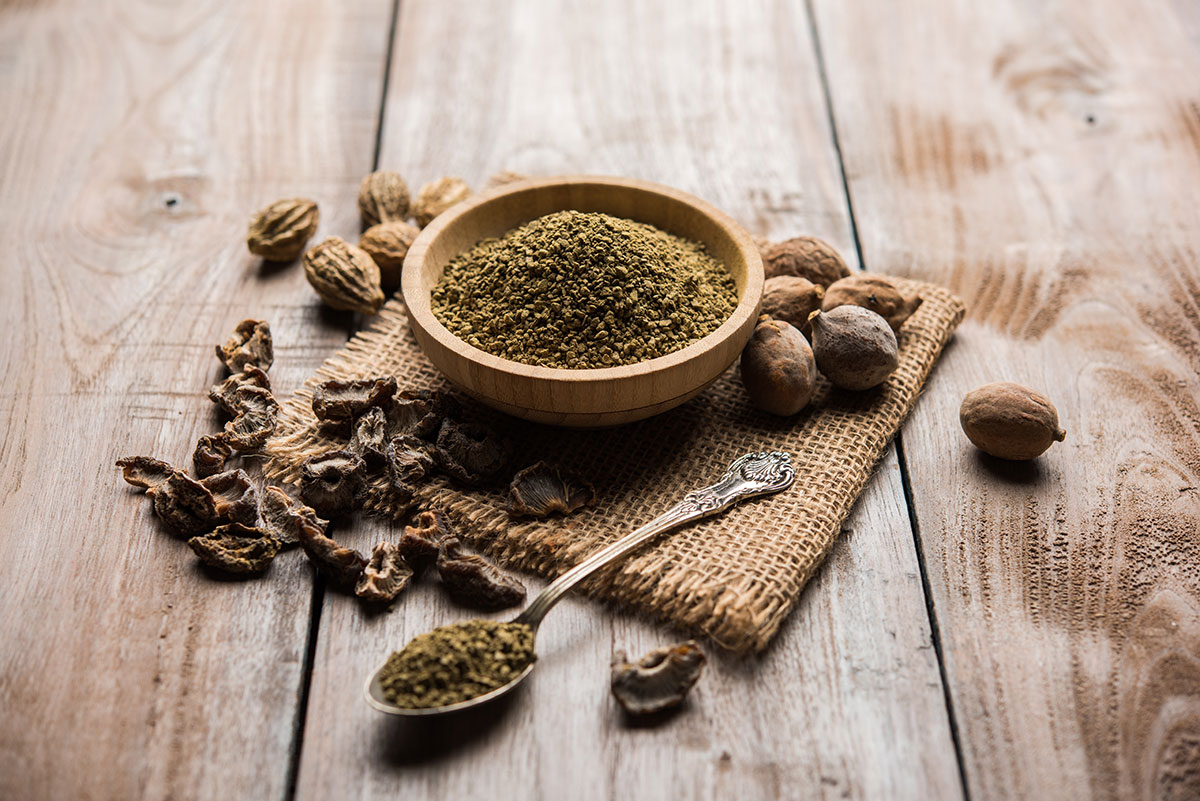
Figure 1: In Ayurveda, Triphala has been used as a remedy for millennia. The combination of the fruits Haritaki, Bibhitaki and Amalaki is believed to have beneficial effects for numerous ailments.
Triphala is one of the oldest and best-known remedies in Ayurvedic medicine. The blend of the three fruits Haritaki, Amalaki and Bibhitaki is said to harmonise the doshas – energetic principles which, according to Ayurvedic teachings, govern the bodily and mental functions of a person – and to have positive effects on a wide range of health complaints. In this blog article you will learn which effects Triphala actually produces and in which areas the fruit mixture is commonly used. You will also find helpful tips for choosing a Triphala supplement as well as information on use, dosage and possible side effects.
What is Triphala?
The name “Triphala” consists of the words “tri” (three) and “phala” (fruits). The three-fruit mixture is made from three dried and powdered fruits known in Sanskrit as Amalaki, Bibhitaki and Haritaki. All three fruits belong to the so‑called myrobalans, which mainly grow in the tropical and subtropical regions of Asia. Myrobalans are the fruits of certain trees of the genus Terminalia, which are frequently used in Ayurvedic and traditional medicine. They play a central role in natural medicine and are considered among the most valuable remedies due to their versatile health benefits.
In Ayurveda it is assumed that a person’s physical and mental constitution is largely determined by the doshas Vata, Pitta and Kapha. Each person carries a unique dynamic combination of all three doshas. If the natural interplay falls out of balance, this can lead to various health complaints. As a so‑called tridosha, Triphala unites all doshas and is therefore equally suitable for all constitutional types. According to Ayurvedic doctrine, Triphala can heal diseases and effectively prevent their development through its ability to harmonise the doshas.
Furthermore, Triphala is classified among the Rasayanas of Ayurveda. Rasayana (translated: “path of essence”) denotes a group of Ayurvedic practices and herbs that are said to support longevity, health and vitality. In addition to Triphala, plants such as Ashwagandha and Shatavari are also commonly used in Rasayana therapies.
The three “royal fruits of Ayurveda”: Amalaki, Bibhitaki and Haritaki
The fact that Triphala consists of Amalaki, Haritaki and Bibhitaki is no coincidence. Together the three fruits form a special synergy and enhance each other’s effects. In general, Ayurveda and herbal medicine—unlike conventional medicine—seldom work with isolated single active ingredients. Instead, it is assumed that the full efficacy of certain plants only unfolds in combination with the constituents of other medicinal plants. Below we introduce the three “royal fruits” of Ayurveda and their main constituents and effects.
- Amalaki (Emblica officinalis): The fruits of the amla tree are known as Amalaki or Amla. The term “Indian gooseberry” is also common. Amalaki is an excellent source of vitamin C (720 milligrams per 100 grams). The plant also contains tannins, minerals, the essential amino acid glutamine and antioxidants. In Ayurveda, Amla is regarded as a rejuvenating agent for body and mind. The fruits are said to increase appetite and digestive strength. In addition, Amalaki is a popular ingredient in natural cosmetic products to support skin, hair and nails. In naturopathy, Amalaki extracts are used, among other things, for inflammatory diseases, diabetes, osteoporosis and fever.[1]
- Haritaki (Terminalia chebula): The so‑called black myrobalan is a deciduous tree widespread across South and Southeast Asia. The tree itself and its bitter‑tasting fruits are referred to as Haritaki. Haritaki is primarily said to support digestion and help with constipation. The traditional Ayurvedic remedy is also used for bacterial infections, stress, high blood pressure and skin diseases.[2]
- Bibhitaki (Terminalia bellirica): Bibhitaki refers to the fruits of the bahera tree. These are usually brown to greyish in colour and have a rather astringent taste. Bibhitaki contains a high proportion of proteins and oils, including omega‑3 and omega‑6 fatty acids. In addition, like Amalaki and Haritaki, Bibhitaki contains valuable phenols, flavonoids and tannins as well as gallic acid and ellagic acid. The plant is attributed antioxidant, anti‑inflammatory and immunomodulatory effects, among others.[3]
From detoxification to dental hygiene: the main uses of Triphala
.jpg)
Figure 2: Triphala has an unusually broad range of effects and applications. Among other uses, the three‑fruit mixture is employed to strengthen the gut and the immune system.
For many medicinal plants the evidence regarding effects on humans is limited. Triphala is unfortunately no exception. Nevertheless, there are several scientific investigations that support Triphala’s status as a potent Ayurvedic remedy and confirm its antioxidant, anti‑inflammatory, antibacterial, antiviral, immunomodulatory and laxative effects.[4] Below we present a selection of the most important applications of Triphala.
Digestion and detoxification
When gastrointestinal complaints such as constipation, a feeling of fullness or bloating occur, Triphala is considered the remedy of choice from an Ayurvedic perspective. The mixture exerts its effects mainly by strengthening digestive power, alleviating inflammation and supporting the gut flora. Optimised digestion can have multiple positive effects on the entire organism. Among other things, nutrients can be absorbed better and metabolic waste products can be excreted quickly and completely.
An Indian study from 2005 examined the therapeutic potential of Triphala for gastrointestinal complaints. The study involved 160 patients aged 16 to 52, who were initially divided into four groups. The first group received a placebo, while the other three groups each took a different Triphala preparation. After 45 days, a marked improvement in symptoms such as bloating, constipation and abdominal pain was observed in all participants who had taken Triphala compared with the placebo group. The frequency of bowel movements and stool consistency also improved in the Triphala groups, and no side effects were reported.[5]
Because Triphala has a proven laxative effect, it is often used for constipation.[6] In addition, the fruit mixture is a popular detoxification remedy because its constituents may help remove toxins from the body. Moreover, the plant compounds contained in Triphala can support the microbiome by promoting the proliferation of beneficial gut bacteria (bifidobacteria and lactobacilli). At the same time, the growth of harmful gut bacteria may be inhibited by taking the three‑fruit mixture.
Strengthening the immune system
The gut is the body’s largest immune organ. By supporting gut health with Triphala, you thereby strengthen your immune system. The vitamin C contained in the fruit mixture acts as an antioxidant and protects immune cells from damage by free radicals. In addition, the bioactive substances in Triphala (e.g. tannins and flavonoids) help reduce chronic inflammation, which relieves the immune system overall. The immunomodulatory properties of Triphala have been confirmed in several studies, and the herbal mixture has been recommended as an alternative to immunomodulators used in conventional (allopathic) medicine.[7]
Weight management
There is ongoing debate in the scientific community about the extent to which Triphala can support weight reduction. As early as a 1990 study, combined administration of Triphala and Guggulu proved effective in overweight individuals. Guggulu is a traditional Ayurvedic remedy obtained from the resin of the guggul tree. After three months of taking Triphala and Guggulu, the waist and hip circumferences of the overweight study participants were significantly reduced. Cholesterol and triglyceride levels also fell markedly compared with the placebo group. On average, the participants lost between 6 and 8 kilograms during the study period.[8]
A randomised, double‑blind study from 2012 also investigated the potential efficacy of Triphala for overweight. Over 12 weeks, 62 overweight participants took either 5 grams of Triphala powder twice daily or a placebo. Again, a reduction in waist and hip circumference and an average weight loss of 4.82 kilograms were observed. It is also noteworthy that Triphala was well tolerated despite the relatively high dosage and remained free of side effects.[9]
Oral hygiene and caries prevention
Another common use of Triphala is for oral and dental health. Due to its antimicrobial properties, Triphala has the potential to reduce the number of harmful oral bacteria. A mouthwash made from the Ayurvedic three‑fruit mixture can reduce plaque and help prevent inflammation in the oral and palate area.[10] To make a Triphala mouthwash yourself, simply dissolve about one teaspoon of Triphala powder in a glass of boiled water. After brushing your teeth, gargle with the Triphala mouthwash for at least one minute to remove plaque and help prevent the development of caries.
Tips for choosing a Triphala supplement
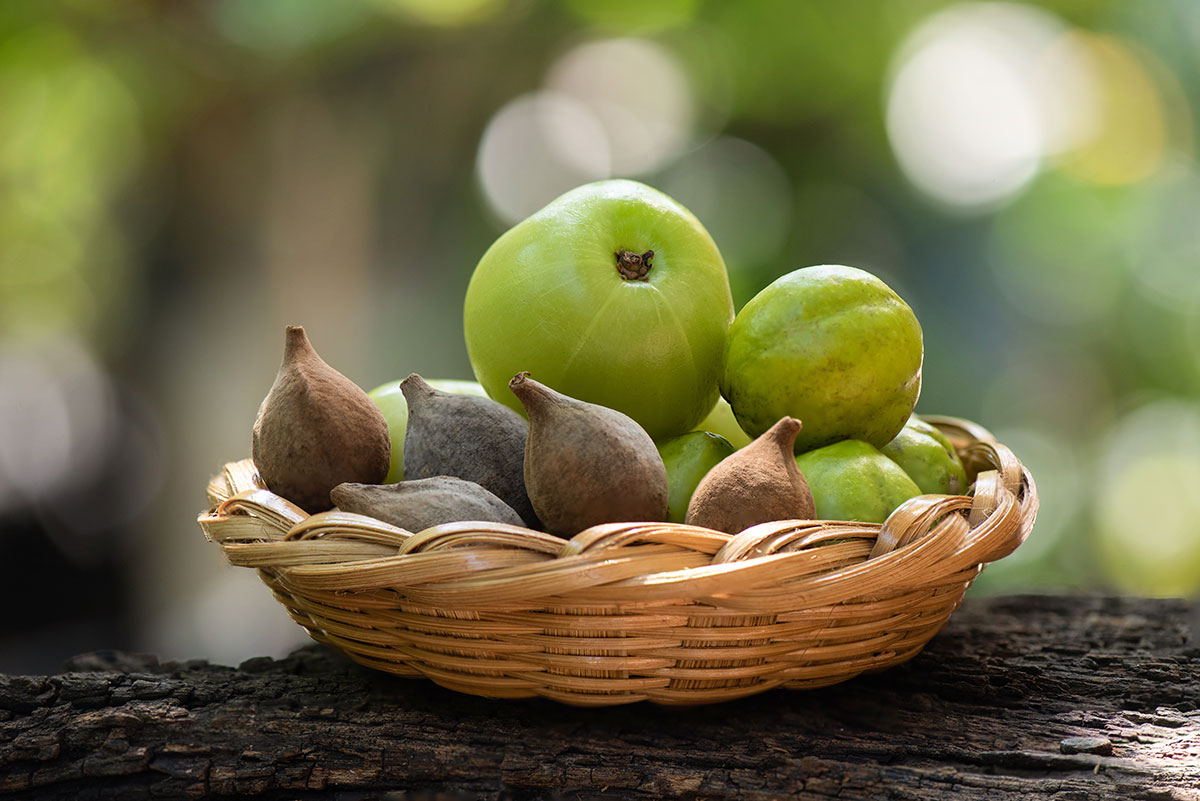
Figure 3: Before choosing a Triphala preparation, make sure it is a high‑quality product without unnecessary additives.
There are several good reasons why people choose to use a Triphala preparation. For one, Triphala consists of fruits that are rarely available in local markets. In addition, the strong bitter‑sour taste of the three‑fruit mixture is often perceived as unusual and rather unpleasant in the Western world. Triphala capsules solve this problem by offering a less flavour‑intense and convenient method of administration. The vegan ORGANIC Triphala capsules from Unimedica contain 500 milligrams of organic Triphala per daily dose (1 capsule), comprising 167 milligrams each of Haritaki, Amalaki and Bibhitaki.
Before choosing a Triphala supplement, you should check that the product comes from controlled organic cultivation and contains no unwanted additives. The fruits processed in the ORGANIC Triphala powder from Unimedica are gently dried and powdered after harvest to preserve their natural properties. Processing takes place in Germany in certified facilities under the highest quality standards. Another option is to take Triphala in powder or liquid preparations.
How to take and dose Triphala preparations correctly
How often and at what dosage you should take Triphala preparations depends, among other things, on your personal needs and the intended purpose. Triphala capsules are generally taken once or twice daily with sufficient liquid. A common daily dose is between 500 milligrams and 1.5 grams. It is advisable to start with a low dose to test individual tolerability. Also follow the manufacturer’s recommended intake and, if in doubt, consult your doctor for appropriate dosing.
There are different ways to take Triphala powder: for example, you can add a level measuring spoonful (approx. 5 grams) of powder to a smoothie or juice daily. Mixing it into water or yoghurt is also possible. Regardless of the preparation you choose, it is advisable to take Triphala at least two hours away from large meals so as not to negatively affect digestive processes. If you tolerate taking it on an empty stomach well, you may also take the chosen preparation first thing in the morning after getting up. It is also recommended to interrupt intake every 10 weeks for two to three weeks to avoid habituation.
Possible side effects and interactions of Triphala
In principle, Triphala is considered safe and well tolerated when taken at the recommended dosages. In the first days of use, mild stomach upsets or abdominal pain may occasionally occur. These symptoms usually subside once the body has adjusted to the preparation. In rare cases, allergic reactions to individual components of the Ayurvedic mixture are possible, typically manifesting as skin rashes, breathing difficulties or severe itching. If you notice one or more of these symptoms, you should stop taking Triphala immediately and seek medical advice.
Caution is also advised if you are taking medications whose effects could be weakened by Triphala. In particular, you should consult your treating physician before starting a Triphala preparation if you are taking antiepileptics, antipsychotics, antidepressants, immunosuppressants or antiarrhythmics. Since the effects of Triphala on certain groups of people have not yet been sufficiently studied, children as well as pregnant and breastfeeding women should refrain from taking the Ayurvedic herbal preparation as a precaution.
Biography
Katharina Korbach regularly writes blog posts about medicinal plants and natural active ingredients for Narayana Verlag. Early on she developed an interest in language and began writing her own literary texts. A serious illness during her final school years led to an intensive engagement with health and nutrition topics that continues to this day. After repeated failures of conventional medical treatments, she chose a more self‑effective, naturopathic therapeutic approach. A plant‑based diet was a key element of her path to recovery.
Katharina studied Cultural Studies (B.A.) and Applied Literary Studies (M.A.). In 2022 she published her debut novel “Sperling” with Berlin Verlag. Today she lives in Berlin as a freelance author, medical editor and lecturer. She prefers to spend her free time with friends or doing barre training. She also loves to travel and try new vegan recipes.
[1] Variya BC, Bakrania AK, Patel SS. Emblica officinalis (Amla): A review for its phytochemistry, ethnomedicinal uses and medicinal potentials with respect to molecular mechanisms. Pharmacol Res. 2016 Sep. https://pubmed.ncbi.nlm.nih.gov/27320046/.
[2] Hassan Bulbul MR, Uddin Chowdhury MN, Naima TA, Sami SA, Imtiaj MS, Huda N, Uddin MG. A comprehensive review on the diverse pharmacological perspectives of Terminalia chebula Retz. Heliyon. 2022 Aug 14. https://pubmed.ncbi.nlm.nih.gov/36051270/.
[3] Gupta A, Kumar R, Bhattacharyya P, Bishayee A, Pandey AK. Terminalia bellirica (Gaertn.) roxb. (Bahera) in health and disease: A systematic and comprehensive review. Phytomedicine. 2020 Oct. https://pubmed.ncbi.nlm.nih.gov/32781393/.
[4] Peterson CT, Denniston K, Chopra D. Therapeutic Uses of Triphala in Ayurvedic Medicine. J Altern Complement Med. 2017 Aug. https://pubmed.ncbi.nlm.nih.gov/28696777/.
[5] Mukherjee et al. Clinical Study of 'Triphala' – A Well Known Phytomedicine from India. Iranian Journal of Pharmacology and Therapeutics. 2006. https://www.bioline.org.br/pdf?pt06008.
[6] Jirankalgikar YM, Ashok BK, Dwivedi RR. A comparative evaluation of intestinal transit time of two dosage forms of Haritaki [Terminalia chebula Retz]. Ayu. 2012 Jul. https://pmc.ncbi.nlm.nih.gov/articles/PMC3665098/.
[7] Belapurkar P, Goyal P, Tiwari-Barua P. Immunomodulatory effects of triphala and its individual constituents: a review. Indian J Pharm Sci. 2014 Nov-Dec. https://pubmed.ncbi.nlm.nih.gov/25593379/.
[8] Paranjpe P, Patki P, Patwardhan B. Ayurvedic treatment of obesity: a randomised double-blind, placebo-controlled clinical trial. J Ethnopharmacol. 1990 Apr. https://pubmed.ncbi.nlm.nih.gov/2278549/.
[9] Kamali SH, Khalaj AR, Hasani-Ranjbar S, Esfehani MM, Kamalinejad M, Soheil O, Kamali SA. Efficacy of 'Itrifal Saghir', a combination of three medicinal plants in the treatment of obesity; A randomized controlled trial. Daru. 2012 Sep 10. https://pubmed.ncbi.nlm.nih.gov/23351558/.
[10] Bajaj N, Tandon S. The effect of Triphala and Chlorhexidine mouthwash on dental plaque, gingival inflammation, and microbial growth. Int J Ayurveda Res. 2011 Jan. https://pmc.ncbi.nlm.nih.gov/articles/PMC3157106/.
Figure 1: Indian_Food_Images/shutterstock.com; Figure 2: Indian_Food_Images/shutterstock.com; Figure 3: wasanajai/shutterstock.com

