
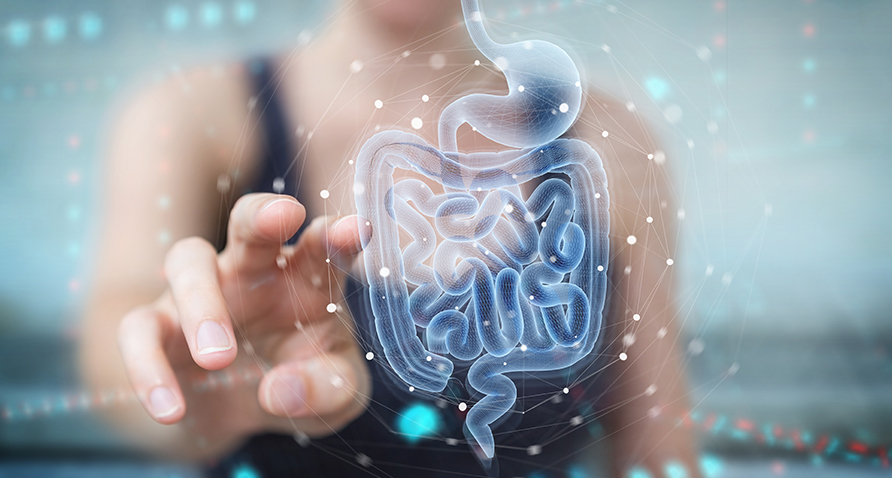
Figure 1: Whether immune function, mental state or nutrient utilisation – everything in the gut revolves around our holistic health.
A healthy gut is a central element for holistic health. In the first part of this article you already learned about the positive properties of peppermint, chamomile and dandelion for gut health. Through their natural active compounds and diverse health-promoting properties, these can make a significant contribution to a healthy gut. It became clear how bioactive plant substances, among other things, strengthen the gut, inhibit inflammation and promote a healthy gut microbiota.
But there are many other exciting medicinal plants that offer great possibilities for promoting gut health. Many of these plants have been an integral part of traditional medicine for centuries, and their effects are now being confirmed by scientific research. In this second part we focus on three more medicinal plants that can support your gut health naturally.
1. Ginger (Zingiber officinale)
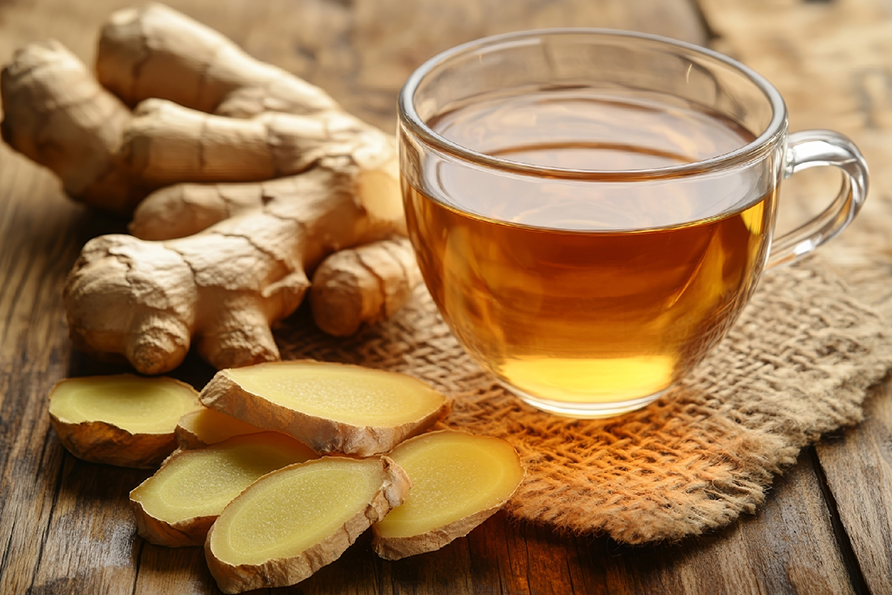
Figure 2: The power root among stomach-friendly medicinal plants – the soothing effects of ginger extend far beyond the digestive tract.
Ginger is a very versatile medicinal plant from South Asia that has long been used in traditional Asian medicine and is considered a warming remedy from the inside. The unique spicy-pungent aroma of the root refines tasty dishes and is a characteristic component of Southeast Asian cuisine. In addition, ginger contains a wide range of medically active constituents, such as gingerols, shogaols, zingerone, essential oils and resin acids. Although different parts of the ginger can be used, the primary focus is on the root.[1]
Among the most active constituents in ginger are the gingerols and shogaols, which are also responsible for the pungent taste. These have many health benefits: they act anti-inflammatory, antibacterial, antioxidant, antinitrosative and promote blood circulation. Gingerols and shogaols can help, among other things, to reduce inflammation in the digestive tract and support regeneration of the intestinal mucosa. At the same time, they counter oxidative damage, for example caused by external stressors or an unbalanced diet.1,[2]
Another bioactive compound found in ginger is zingerone. It is not present in fresh ginger but is formed from gingerol by heating. Zingerone has a number of positive effects on the human body. For example, zingerone is strongly anti-inflammatory, antispasmodic and effective against diarrhoea. In addition, this bioactive compound can strengthen the immune system and has antimicrobial properties. Through its antimicrobial effect, a healthy gut microbiota is promoted. The growth of undesirable bacteria is inhibited while the growth of health-promoting bacteria is stimulated, thereby supporting the healthy balance of the gut microbiota.[3]
Ginger also stimulates the production of digestive juices and thus supports nutrient absorption. By stimulating digestive enzymes, ginger reduces gas formation and hence bloating, and promotes digestion. Because of these actions, ginger is often used to relieve digestive complaints such as feelings of fullness, nausea or pain. A review published in 2018 confirms these effects. Regarding the use of ginger for irritable bowel syndrome (IBS), the review indicates that some findings suggest a positive effect in alleviating typical IBS symptoms, but the evidence is limited and further research is needed.[4]
Due to its antioxidant and anti-inflammatory properties, a positive influence of ginger on inflammatory conditions can be assumed; especially shogaols and zingerone show promising results in some studies for symptom relief in certain inflammatory conditions.[5] A review published in 2021 describes possible beneficial effects of ginger’s bioactive constituents in the prevention and treatment of chronic inflammatory bowel diseases. However, further research is required here as well.[6]
In addition to the versatile uses of ginger to support gut health and relieve some gastrointestinal complaints, ginger is easy to incorporate into everyday life. It can be brewed as a tea, used fresh as a flavouring in water or smoothies, added to various dishes, applied topically as a poultice, or taken as a dietary supplement.
The effects of ginger are promising and can provide natural support for various gastrointestinal complaints. Ginger is generally well tolerated and is considered to have few side effects. If you have a sensitive stomach, you should approach ginger consumption cautiously and enjoy it in moderation.[4]
2. Liquorice root (Glycyrrhiza glabra)
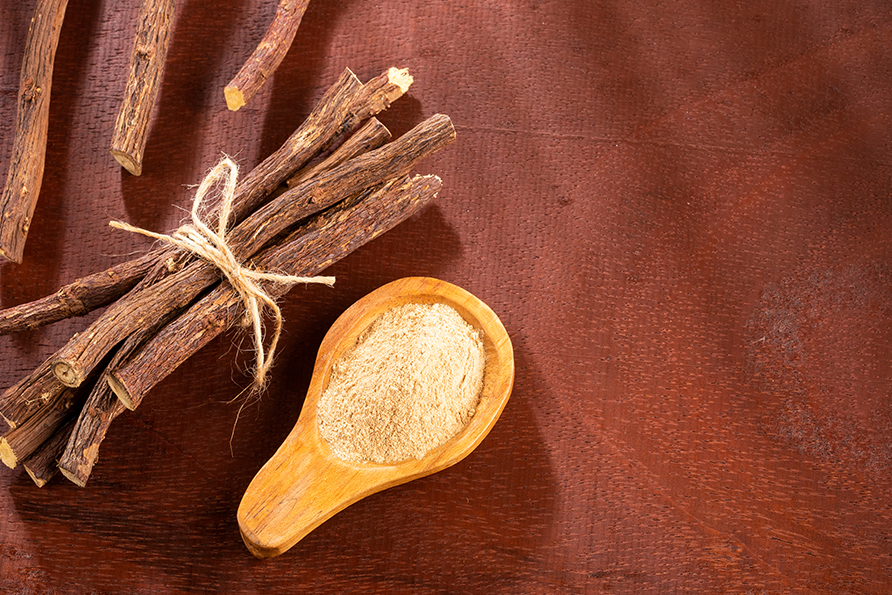
Figure 3: Liquorice belongs to the legume family (Fabaceae). The plant thrives best in warm, temperate climates and is the source of liquorice confectionery.
Liquorice root is known as the main component of true liquorice confections and is another medicinal plant with positive effects on gut health. Liquorices belong to the legume family, and especially G. glabra L. (Russian or Spanish liquorice, true liquorice) and G. inflata BAT (Chinese liquorice) are used medicinally. Liquorice root has been used in traditional medicine for millennia and is often employed in traditional therapies because of its wide-ranging positive effects on the human body.[7]
In the area of gut health, liquorice root is used to soothe the gut, for constipation and dyspeptic complaints. In addition, the triterpenoid saponin glycyrrhizin contained in liquorice root increases the production of the body’s mucus in the gastrointestinal tract by raising levels of serotonin and prostaglandin in the digestive tract. This supports the protective function of the gut lining. The glycyrrhizin present also exerts anti-inflammatory effects by inhibiting the body’s cortisol breakdown and has antiviral as well as antimicrobial properties, without negatively affecting the gut microbiota. Glycyrrhizin inhibits the bacterial metabolism of Helicobacter pylori, which primarily colonise the stomach and duodenum and are responsible for most stomach and duodenal ulcers.[8]
Furthermore, the root contains a variety of flavonoids that support these effects and have antioxidant properties.7 The described mechanisms of the constituents found in liquorice root lead to a positive influence of liquorice root on stomach and duodenal ulcers.
A meta-analysis examining the effects of glycyrrhizin on ulcerative colitis was able to confirm the anti-inflammatory effect and provided indications of a possible alleviation of unwanted side effects of conventional medications by glycyrrhizin.[9]
How can liquorice be used? Liquorice root can be brewed as a tea or liquorice root extract can be applied; for example, lozenges made from pure liquorice root are available in health food shops.
As a possible side effect, due to the aforementioned effect of increasing cortisol levels, liquorice can lead to water retention and heart rhythm disturbances.[7]
3. Turmeric (Curcuma longa)
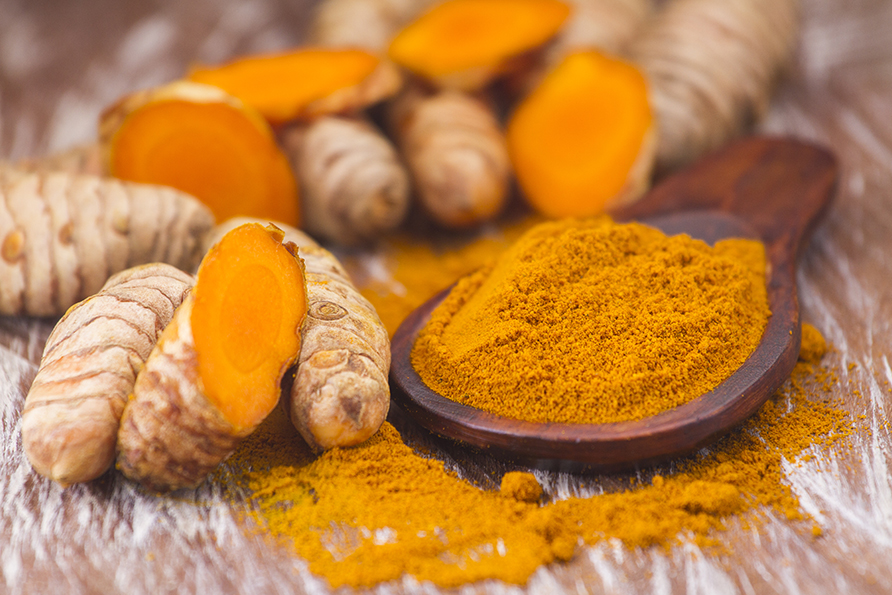
Figure 4: Our gut bacteria love this root. Turmeric promotes the growth of beneficial gut microbes and creates a healthy living environment in the digestive tract.
Another potent medicinal plant for gut health is turmeric, also called curcuma. The plant also belongs to the ginger family and has been used for millennia in traditional Asian medicine. In our kitchen, the curcuma rhizome is used as a spice and is an essential component of curry. The characteristic orange-yellow colour of turmeric is due to the polyphenol curcumin contained in it. In addition, other constituents such as essential oils, resins and polysaccharides complement its health-promoting properties.
The curcumin present acts anti-inflammatory and antioxidant. Specific factors involved in the regulation of inflammatory processes are inhibited.[10] The anti-inflammatory property makes turmeric particularly valuable in chronic inflammatory bowel diseases. At the same time, curcumin protects the gut barrier by reducing oxidative damage and promoting regeneration of the intestinal mucosa.[11]
Its low systemic bioavailability contrasts with its diverse pharmacological effects. Since high concentrations of curcumin have been detected in the gastrointestinal tract after oral administration, researchers have hypothesised that curcumin’s regulatory effects are exerted directly on the gut microbiota. Curcumin and the gut microbiota interact bidirectionally. On the one hand, the gut microbiota is modulated by curcumin, meaning curcumin and its metabolites influence the gut microbiota. On the other hand, the gut microbiota biochemically transforms curcumin. Curcumin can have a positive effect on dysbioses of the gut microbiome. For example, curcumin may promote the growth of beneficial gut bacteria such as bifidobacteria and lactobacilli, while inhibiting the growth of potentially pathogenic microbes.[12]
Moreover, possible effects directly on the central nervous system are described, where curcumin influences the microbiome–gut–brain axis.[13]
Turmeric is available fresh or dried in powdered form, which can be used to prepare teas or cooked dishes. In addition to these two forms, extracts or curcumin, for example in capsule form, are available. To improve bioavailability, a combination with piperine from black pepper and/or fat is recommended.
Turmeric is a powerful medicinal plant, but since it also increases bile flow, turmeric should not be taken in cases of existing biliary tract problems or only after consultation with a suitable practitioner. Concurrent use of turmeric and medications should also be discussed with the treating practitioner due to possible changes in medication effects.
Conclusion
Medicinal plants can be a valuable support for a healthy gut. Natural plant compounds such as those in ginger, liquorice root and turmeric can promote gut health through their anti-inflammatory, antibacterial, antioxidant or regulatory properties. Polyphenols alone promote a healthy intestinal mucosa and thus strengthen the gut barrier.[14].
The medicinal plants described illustrate the diverse possibilities of phytotherapy. Medicinal plants can be used both to promote general gut health and to treat and alleviate various complaints of the gastrointestinal tract. At the same time, natural approaches are often well tolerated. Nevertheless, it is important to consider individual needs and circumstances and to seek professional advice if in doubt.
Be inspired and discover the power of medicinal plants for your gut health!
Disclaimer
This article does not replace treatment by a qualified practitioner. The basis of this contribution is studies and current literature. It should not be used for self-diagnosis or self-treatment. Discuss any inspirations from this article with a practitioner you trust, if necessary.
Biography
Vivian Zajac is a trained health educator (B.Sc.) and trainee naturopath with a particular focus on holistic health and prevention. In further training to become a gut health consultant, she devoted herself to her passion for gut health in 2022. In her free time she also engages intensively with topics around health, naturopathy and biohacking, acquiring knowledge and repeatedly trying out new things for herself. Methods such as breathwork, cold-water immersion (ice bathing), strength training, healthy nutrition and as optimal a supply of micronutrients as possible are a fixed part of her life. Vivian Zajac not only loves optimising her own health but also sharing her knowledge and enthusiasm – both privately and professionally. A holistic view of the person is essential to her.
References
[1] Semwal RB, Semwal DK, Combrinck S, Viljoen AM. Gingerols and shogaols: Important nutraceutical principles from ginger. Phytochemistry. 2015 Sep;117:554-568. doi: 10.1016/j.phytochem.2015.07.012. Epub 2015 Jul 27. PMID: 26228533. https://www.sciencedirect.com/science/article/abs/pii/S0031942215300509?via%3Dihub Accessed on: 15/12/2024
[2] Mohd Yusof, Y.A. (2016). Gingerol and Its Role in Chronic Diseases. In: Gupta, S., Prasad, S., Aggarwal, B. (eds) Drug Discovery from Mother Nature. Advances in Experimental Medicine and Biology, vol 929. Springer, Cham. https://doi.org/10.1007/978-3-319-41342-6_8
[3] Review on Pharmacological Properties of Zingerone (4-(4-Hydroxy-3-methoxyphenyl)-2-butanone), The Scientific World Journal, 2015, 816364, 6 pages, 2015. https://pmc.ncbi.nlm.nih.gov/articles/PMC4461790/ Accessed on: 15/12/2024
[4] Nikkhah Bodagh M, Maleki I, Hekmatdoost A. Ginger in gastrointestinal disorders: A systematic review of clinical trials. Food Sci Nutr. 2018 Nov 5;7(1):96-108. doi: 10.1002/fsn3.807. PMID: 30680163; PMCID: PMC6341159. https://pmc.ncbi.nlm.nih.gov/articles/PMC6341159/ Accessed on: 15/12/2024
[5] Ballester P, Cerdá B, Arcusa R, Marhuenda J, Yamedjeu K, Zafrilla P. Effect of Ginger on Inflammatory Diseases. Molecules. 2022 Oct 25;27(21):7223. doi: 10.3390/molecules27217223. PMID: 36364048; PMCID: PMC9654013. https://pmc.ncbi.nlm.nih.gov/articles/PMC9654013/ Accessed on 15/12/2024
[6] Lashgari NA, Momeni Roudsari N, Khayatan D, Shayan M, Momtaz S, Roufogalis BD, Abdolghaffari AH, Sahebkar A. Ginger and its constituents: Role in treatment of inflammatory bowel disease. Biofactors. 2022 Jan;48(1):7-21. doi: 10.1002/biof.1808. Epub 2021 Dec 9. PMID: 34882874. https://iubmb.onlinelibrary.wiley.com/doi/epdf/10.1002/biof.1808 Accessed on: 15/12/2024
[7] European Medicines Agency(EMA). Assessment report on Glycyrrhiza glabra L. and/or Glycyrrhiza inflata Bat. and/or Glycyrrhiza uralensis Fisch., radix. 2013. EMA/HMPC/571122/2010. https://www.ema.europa.eu/en/documents/herbal-report/final-assessment-report-glycyrrhiza-glabra-l-andor-glycyrrhiza-inflata-bat-andor-glycyrrhiza-uralensis-fisch-radix-first-version_en.pdf Accessed on 27/11/2024
[8] Wang L, Yang R, Yuan B, Liu Y, Liu C. The antiviral and antimicrobial activities of licorice, a widely-used Chinese herb. Acta Pharm Sin B. 2015 Jul;5(4):310-5. doi: 10.1016/j.apsb.2015.05.005. Epub 2015 Jun 17. PMID: 26579460; PMCID: PMC4629407. https://pmc.ncbi.nlm.nih.gov/articles/PMC4629407/ Accessed on 27/11/2024
[9] Hu H, Lei Y, Zhang W, Xiong P, Song L, Luo X, Jia B, Zhang F. Anti-inflammatory activity and safety of compound glycyrrhizin in ulcerative colitis: A systematic review and meta-analysis of randomized controlled trials. 2022. Journal of Functional Foods, Volume 91, 105004, ISSN 1756-4646, https://doi.org/10.1016/j.jff.2022.105004. https://www.sciencedirect.com/science/article/pii/S1756464622000743 Accessed on: 27/11/2024
[10] Khan I, Samson SE, Grover AK. Antioxidant Supplements and Gastrointestinal Diseases: A Critical Appraisal. Med Princ Pract. 2017;26(3):201-217. doi: 10.1159/000468988. Epub 2017 Mar 8. PMID: 28278495; PMCID: PMC5588418. https://pmc.ncbi.nlm.nih.gov/articles/PMC5588418/ Accessed on 05/12/2024
[11] Peng Y, Ao M, Dong B, Jiang Y, Yu L, Chen Z, Hu C, Xu R. Anti-Inflammatory Effects of Curcumin in the Inflammatory Diseases: Status, Limitations and Countermeasures. Drug Des Devel Ther. 2021 Nov 2;15:4503-4525. doi: 10.2147/DDDT.S327378. PMID: 34754179; PMCID: PMC8572027. https://pmc.ncbi.nlm.nih.gov/articles/PMC8572027/ Accessed on 05/12/2024
[12] Scazzocchio B, Minghetti L, D'Archivio M. Interaction between Gut Microbiota and Curcumin: A New Key of Understanding for the Health Effects of Curcumin. Nutrients. 2020 Aug 19;12(9):2499. doi: 10.3390/nu12092499. PMID: 32824993; PMCID: PMC7551052 https://pmc.ncbi.nlm.nih.gov/articles/PMC7551052/ Accessed on 25/11/2024
[13] Di Meo F, Margarucci S, Galderisi U, Crispi S, Peluso G. Curcumin, Gut Microbiota, and Neuroprotection. Nutrients. 2019 Oct 11;11(10):2426. doi: 10.3390/nu11102426. PMID: 31614630; PMCID: PMC6835970. https://pmc.ncbi.nlm.nih.gov/articles/PMC6835970/ Accessed on 25/11/2024
[14] Yang G, Bibi S, Du M, Suzuki T, Zhu MJ. Regulation of the intestinal tight junction by natural polyphenols: A mechanistic perspective. Crit Rev Food Sci Nutr. 2017 Dec 12;57(18):3830-3839. doi: 10.1080/10408398.2016.1152230. PMID: 27008212. https://pubmed.ncbi.nlm.nih.gov/27008212/ Accessed on 05/12/2024
Figure 1: sdecoret/shutterstock.com; Figure 2: rahmi ayu/shutterstock.com; Figure 3: Luis Echeverri Urrea/shutterstock.com; Figure 4: Alexander Ruiz Acevedo/shutterstock.com

