
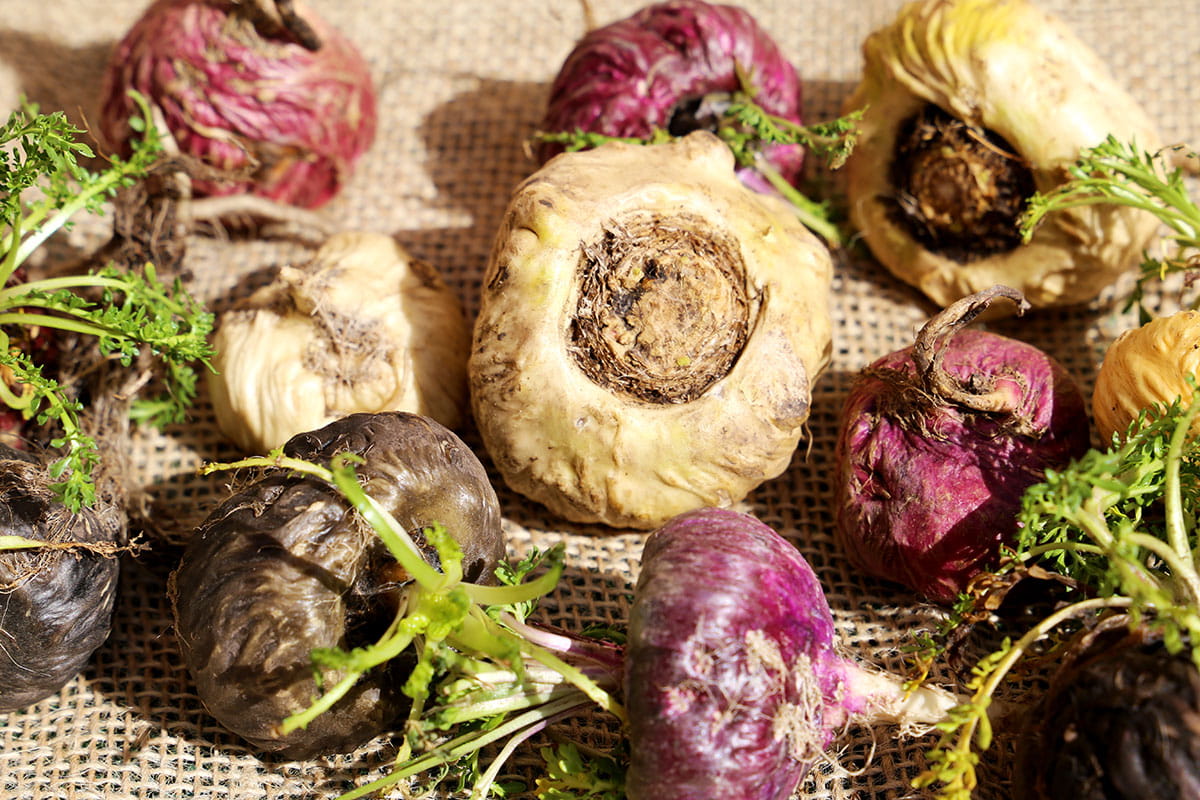
Figure 1: The hardy maca plant is native to the highlands of the Peruvian Andes. The tuber is used by the indigenous population as a strengthening medicinal food.
The South American Inca have valued the maca plant as a medicinal and strengthening agent for thousands of years. Here, the dried and pulverised tuber is a popular ingredient in dietary supplements. Whether maca can actually be effective for loss of libido, erectile problems, stress and menopausal complaints is explained in this blog article. You will also find information on the different types of maca and tips on choosing a suitable maca product.
Maca: The Inca’s traditional tonic in brief
The maca plant is a true survivor: it grows at around 4,000 metres altitude on the barren high plateaux of the Peruvian Andes. To withstand the sometimes extreme weather conditions the plant requires great hardiness. It is therefore no surprise that, according to legend, Inca shamans prescribed consumption of the maca root to their warriors, hoping that the maca’s resilience would transfer to them.
Maca (Lepidium meyenii) is a member of the cress family, Brassicaceae. The plant has been cultivated and used as a medicine and food in South America for over 2,000 years. The tubers taste slightly sweet. In Peru, maca is a staple ingredient of the traditional dish mazamorra, an aromatic sweet porridge. The maca tuber is also regarded as a natural aphrodisiac. For the production of dietary supplements, the roots are first gently dried and then ground to powder to best preserve the plant’s valuable constituents.
Yellow, red or black maca? The different maca varieties
There are several types of maca that differ slightly in their composition and are suited to different uses. The roots can be distinguished by their colour. Generally, the higher the content of certain secondary plant compounds (anthocyanins) in the tuber, the darker its colour. Yellow maca is the most common type and is mainly used to increase physical energy and endurance. Black maca is considered the most potent and valuable variety. In traditional naturopathy it is used, among other things, to promote male fertility as well as sexual performance and testosterone production. Red maca is often associated with hormonal imbalances and menopausal complaints. Red maca powder also has the highest potassium content among the maca varieties.
Valuable constituents contained in the maca plant
It is no surprise that the Inca used the maca root as an energising food for their warriors so they could recover quickly after battles. The root has an impressively high nutrient density. In addition to complex carbohydrates, proteins and fibre, it contains several important vitamins (e.g. vitamin C, vitamin E) and minerals (e.g. calcium, magnesium, iron, zinc). Furthermore, the maca root contains numerous essential amino acids, including lysine, leucine and phenylalanine. Essential amino acids cannot be synthesised by the body and therefore must be obtained from the diet. Last but not least, the nutrient-rich maca plant contains various secondary plant compounds such as beta-sitosterol and campesterol as well as valuable antioxidants.
Main effects and applications of maca
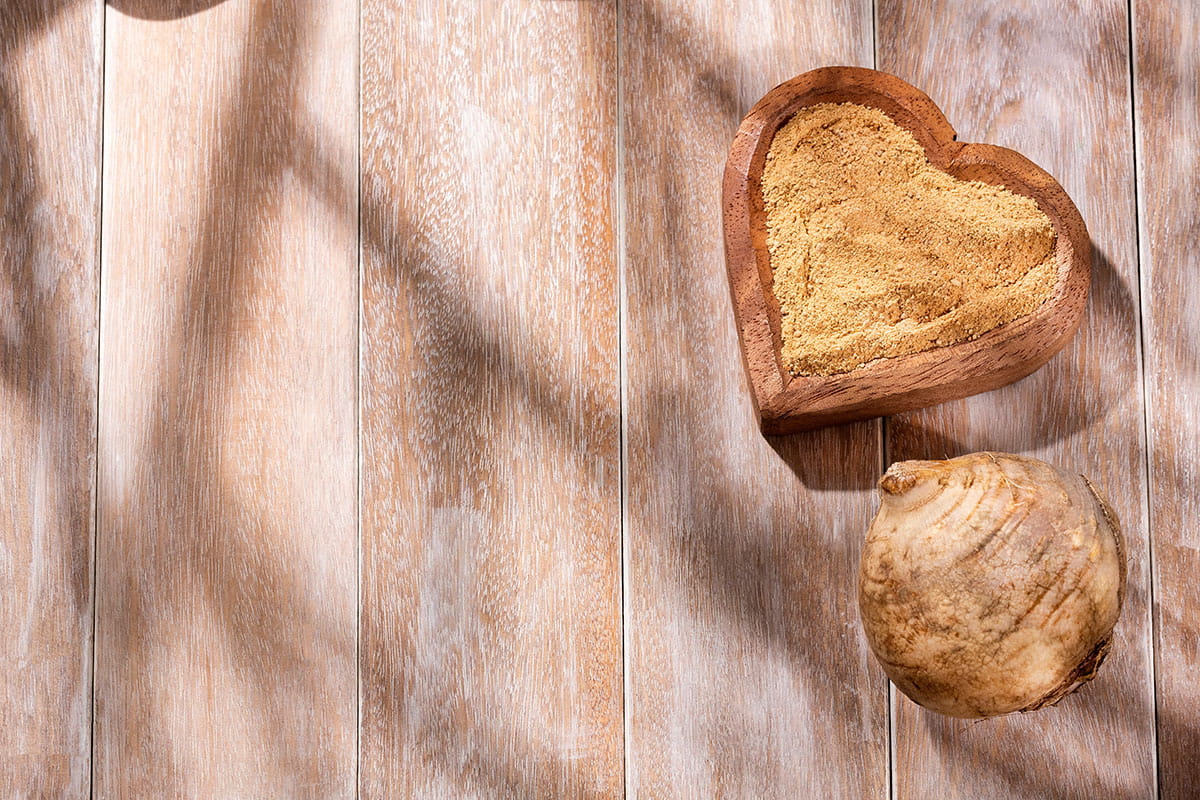
Figure 2: Maca is a versatile medicinal plant traditionally used, among other things, for sexual disorders, stress and menopausal complaints.
Most people primarily associate maca with a potential libido- and fertility-enhancing effect. However, the versatile tuber can do much more. Its wide range of effects makes it a popular medicinal plant that can positively influence physical and mental health in many ways. Below we present some of the main effects and uses of maca.
Reduced libido and erectile dysfunction
Maca has traditionally been used as an aphrodisiac. The effect of the "love root" on libido was also investigated in a study of 16 women with so-called SSRI-induced sexual dysfunction.[1] SSRI stands for selective serotonin reuptake inhibitors, a class of antidepressants whose use often leads to sexual dysfunction. In the mentioned study, participants took either 1.5 grams or 3 grams of maca powder per day. The higher dose led to a significant increase in libido. The researchers also observed very good tolerability of the maca powder.
The potency-enhancing and aphrodisiac effects of maca powder in men have also been confirmed by several studies. In a Peruvian randomised, placebo-controlled, double-blind study, male participants took either 1.5 grams maca powder, 3 grams maca powder or a placebo daily for eight weeks. Sexual desire increased significantly in both maca groups without parallel changes in testosterone or oestra‑diol levels.[2]
Stress and depression
Adaptogens are natural substances said to help the body adapt better to various stressors. Like ginseng, cordyceps and ashwagandha, maca is considered an adaptogen. The exact mechanism of action has not yet been clarified or scientifically confirmed. However, several studies with postmenopausal women suggest stress- and anxiety‑reducing effects of maca. In a study involving only Chinese postmenopausal women, maca intake was also associated with a reduction in depressive symptoms.[3]
Unfulfilled desire to have children
When conception remains unsuccessful, sparse, slow or non‑viable sperm are often the cause. Several studies provide indications that maca may contribute to improvements in sperm quality in the long term and thus improve male fertility. In a study at the Universidad Peruana Cayetano Heredia in Lima, nine healthy men aged 24 to 44 were given either 1.5 grams or 3 grams of maca daily. After four months, regardless of dose, increases in semen volume and sperm count per ejaculation as well as an overall improvement in sperm motility were observed. However, due to the small number of participants and the lack of a placebo control, the data must be interpreted with caution. Further clinical human studies are required to confirm the results.[4]
Memory and concentration
In the Andes, maca has been used for centuries as a physical and mental strengthening agent. Even schoolchildren consume the root because it is reputed to support concentration and learning ability. Indeed, there are some animal studies that confirm a positive effect of maca on cognitive functions. For example, a 2011 study found that black maca can improve memory performance and learning ability in mice.[5] Other animal studies have also shown a neuroprotective effect of maca, which researchers primarily attribute to the root’s antioxidant and anti‑inflammatory properties. To establish to what extent these promising results for cognitive performance translate to humans, further human studies are needed.
Menopausal complaints
Night sweats, difficulty falling asleep and mood swings are just some of the complaints many women face during the menopause. In naturopathy, maca is frequently recommended to alleviate these symptoms. In a study with 20 healthy postmenopausal women, participants who took 2 grams of gelatinised maca daily for two and eight months showed increased oestra‑diol and decreased FSH levels. The improvement in hormonal balance was accompanied by an increased overall sense of well‑being.[6] In a second part of the study, the hormone‑balancing effects of longer‑term maca intake were confirmed. In addition, the participants reported a marked reduction in typical menopausal complaints such as hot flushes, fatigue, mood swings, headaches and reduced libido.[7]
From maca capsules to maca powder: How to find a suitable product
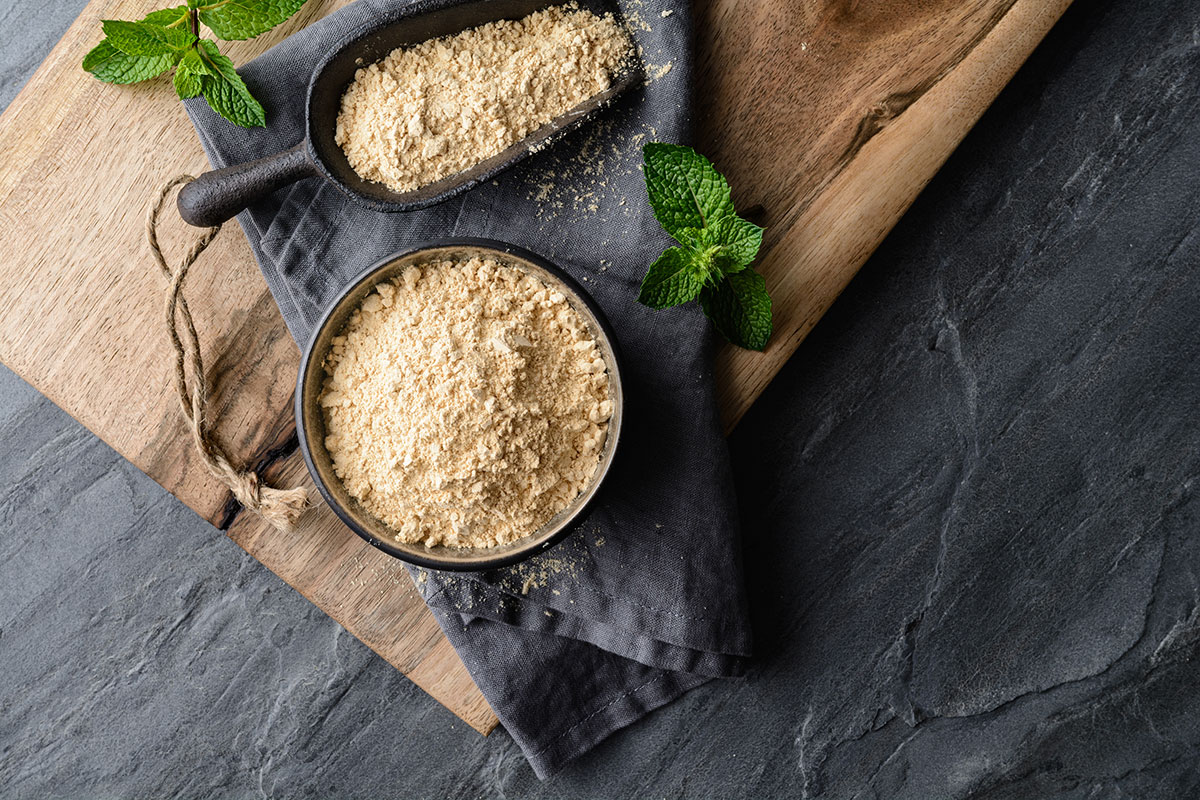
Figure 3: When buying a dietary supplement containing maca, in addition to quality and purity, pay attention to the type and form in which the maca powder is presented.
If you decide to take maca as a dietary supplement, you can choose from a wide variety of products. In addition to maca capsules and tablets, maca powder is extremely popular. You can easily add the powder to shakes, smoothies or quark dishes. When choosing a product, pay particular attention to high quality and a secure origin of the ingredients. The vegan Organic Maca Powder (raw powder) from Unimedica contains only raw powder from organically grown yellow maca root. The maca plants used are cultivated in the high Andes without pesticides or fertilisers.
Which maca variety you choose depends, among other things, on the intended use. Red maca is usually recommended primarily to support hormonal balance and for menopausal complaints, while black maca is mainly mentioned in connection with improving sperm quality and concentration. At Unimedica you will find a suitable product for every need: the highly concentrated Organic Maca Red capsules from Unimedica combine maca with natural vitamin C from organic acerola extract. The Maca Black capsules from Unimedica additionally contain the essential trace element zinc.
Not only the maca variety but also the form in which the maca root is presented can vary from product to product. Gelatinised maca, as found in the Organic Maca Powder gelatinised from Unimedica, is considered particularly well tolerated and is fully water‑soluble. Mechanical gelatinisation makes maca easier for the body to process, which is associated with high bioavailability. If you are looking for a product that contains other valuable active ingredients in addition to maca, the Maca + L‑Arginine Complex forte from Unimedica might be just the thing for you. In addition to valuable maca extract, the vegan capsules contain the protein‑building amino acid L‑arginine, zinc and the vitamins C, B6 and B12.
How to take maca supplements correctly and dosage
There are several factors that can influence the optimal maca dosage. In addition to personal preferences and needs, the form of administration is also decisive. For maca powder a typical dose is 3 to 5 grams (about one teaspoon) of maca per day. The maca content of capsules and tablets can vary greatly, so recommended daily doses range from 1,000 to 3,000 milligrams. Follow the manufacturer's recommended intake and consult your treating physician for an individually appropriate dosage.
To avoid the body becoming accustomed and to support natural regulation, cyclical use is often recommended for adaptogens—maca included. For example, you could take a maca product for a period of eight to twelve weeks followed by a one‑ to four‑week break. The application and break times should be tailored to the chosen product and treatment goal. Because maca can have a stimulating effect, the root should preferably be taken in the morning or before midday. Early intake is also advisable to support a stable hormone level throughout the day. Maca should be avoided in the evening or shortly before bedtime to prevent stimulation interfering with sleep.
Possible side effects and interactions of maca
When used in usual dosages, the maca root is considered safe and well tolerated. In rare cases, intake can cause mild side effects such as headaches or digestive complaints. If your stomach reacts sensitively to maca, it may help to reduce the daily dose or opt for gelatinised maca, which is usually easier to digest due to its special processing. People with hormone‑dependent conditions (e.g. PCOS, endometriosis, thyroid disorders) should definitely seek medical advice before beginning a maca product. Pregnant and breastfeeding women should refrain from supplements containing maca or not take them without medical consultation due to the currently insufficient state of research.
[1] Dording CM, Fisher L, Papakostas G, Farabaugh A, Sonawalla S, Fava M, Mischoulon D. A double-blind, randomized, pilot dose-finding study of maca root (L. meyenii) for the management of SSRI-induced sexual dysfunction. CNS Neurosci Ther. 2008 Fall. https://pubmed.ncbi.nlm.nih.gov/18801111/.
[2] Gonzales GF, Córdova A, Vega K, Chung A, Villena A, Góñez C, Castillo S. Effect of Lepidium meyenii (MACA) on sexual desire and its absent relationship with serum testosterone levels in adult healthy men. Andrologia. 2002 Dec. https://pubmed.ncbi.nlm.nih.gov/12472620/.
[3] Stojanovska L, Law C, Lai B, Chung T, Nelson K, Day S, Apostolopoulos V, Haines C. Maca reduces blood pressure and depression, in a pilot study in postmenopausal women. Climacteric. 2015 Feb. https://pubmed.ncbi.nlm.nih.gov/24931003/.
[4] Gonzales GF, Cordova A, Gonzales C, Chung A, Vega K, Villena A. Lepidium meyenii (Maca) improved semen parameters in adult men. Asian J Androl. 2001 Dec. https://pubmed.ncbi.nlm.nih.gov/11753476/.
[5] Rubio J, Qiong W, Liu X, Jiang Z, Dang H, Chen SL, Gonzales GF. Aqueous Extract of Black Maca (Lepidium meyenii) on Memory Impairment Induced by Ovariectomy in Mice. Evid Based Complement Alternat Med. 2011. https://pubmed.ncbi.nlm.nih.gov/18955369/.
[6] Meissner HO, Kapczynski W, Mscisz A, Lutomski J. Use of gelatinized maca (lepidium peruvianum) in early postmenopausal women. Int J Biomed Sci. 2005 Jun. https://pmc.ncbi.nlm.nih.gov/articles/PMC3614576/.
[7] Meissner HO, Mscisz A, Reich-Bilinska H, Kapczynski W, Mrozikiewicz P, Bobkiewicz-Kozlowska T, Kedzia B, Lowicka A, Barchia I. Hormone-Balancing Effect of Pre-Gelatinized Organic Maca (Lepidium peruvianum Chacon): (II) Physiological and Symptomatic Responses of Early-Postmenopausal Women to Standardized doses of Maca in Double Blind, Randomized, Placebo-Controlled, Multi-Centre Clinical Study. Int J Biomed Sci. 2006 Dec. https://pmc.ncbi.nlm.nih.gov/articles/PMC3614647/.
Figure 1: ADVTP/shutterstock.com; Figure 2: Luis_Echeverri/shutterstock.com; Figure 3: Marcus_Z-pics/shutterstock.com

