
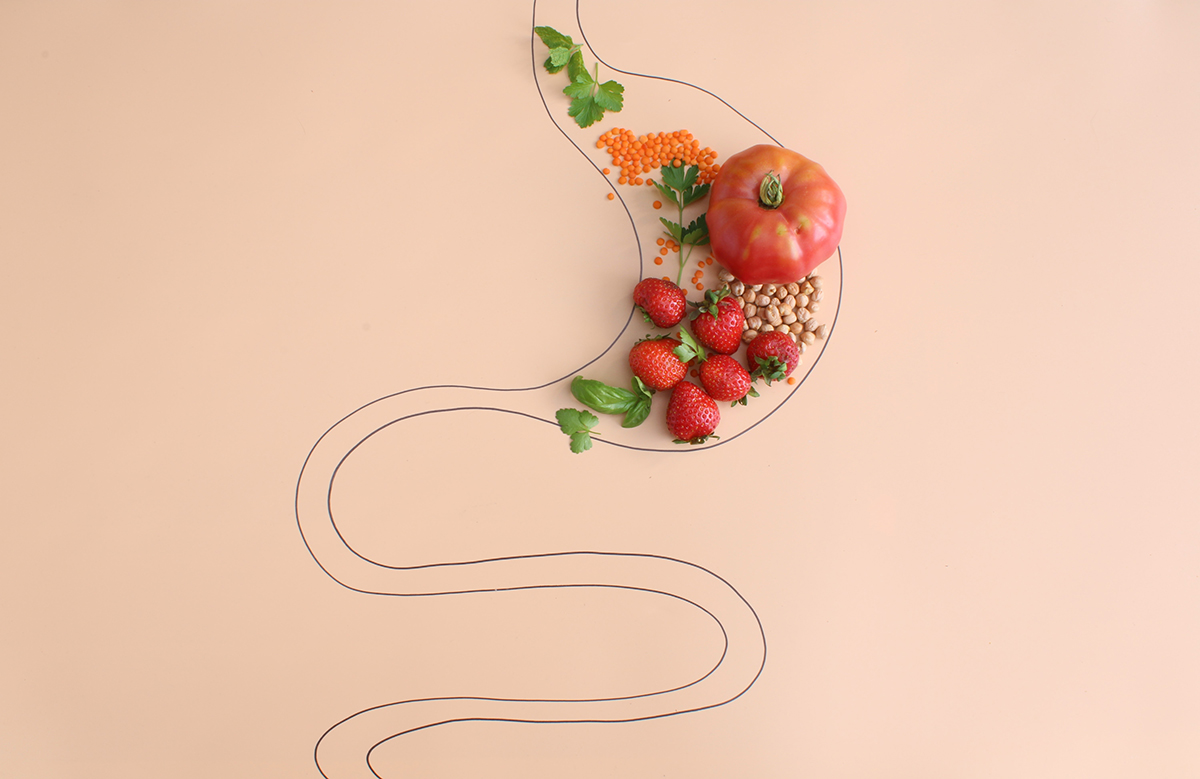
Figure 1: A healthy gut is the key to greater wellbeing, contentment and resilience. Medicinal plants have played an important role here for thousands of years.
A healthy gut is a key element for holistic health, as it not only serves digestion and nutrient absorption but also influences our immune system, the hormonal system, communication with our brain and many other physiological processes in the human body.
Medicinal plants can provide important support for gut health, a fact increasingly examined and confirmed by scientific studies. Compared with pharmaceuticals, medicinal plants contain a variety of natural active compounds – from vitamins and minerals to secondary plant compounds such as flavonoids and essential oils. The active substances that nature offers can protect the intestinal mucosa, support a health-promoting gut microbiota, inhibit inflammation or contribute to stress reduction. Many medicinal plants have long been used in naturopathy and repeatedly attract attention through new research.
The following article presents three medicinal plants, their modes of action for a healthy gut and scientific findings to introduce you to the great possibilities of phytotherapy in the field of gut health. This list is by no means exhaustive, as there are many other medicinal plants that have a positive effect on the gut. But let us begin with these three promising medicinal plants:
1. Peppermint (Mentha piperita)
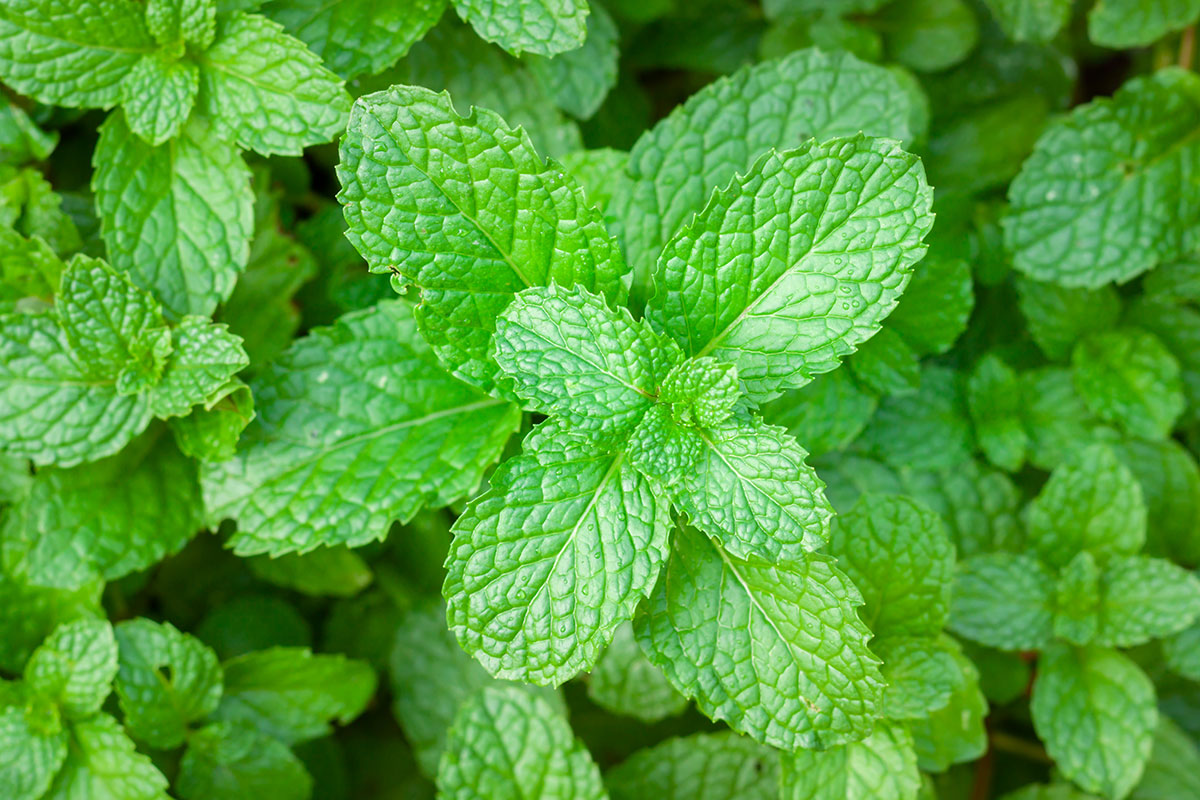
Figure 2: Peppermint has antispasmodic and calming effects on the musculature of the gastrointestinal tract. As a brewed tea it is very popular for its aroma.
Peppermint is a well-studied medicinal plant with regard to promoting gut health. It is known for its intense, refreshing aroma. Particularly characteristic of peppermint is its high menthol content, one of the main constituents of the essential oil, responsible for the plant’s intense, refreshing scent and especially potent. In addition to the essential oil, peppermint contains a variety of other health-promoting substances, including bitter compounds, phenolic acids, tannins and flavonoids.[1]
Together, these constituents act to reduce flatulence, relieve spasms and relax the musculature of the gastrointestinal tract. Furthermore, bile secretion is increased, allowing more effective digestive processes.1
Particularly the oil obtained from peppermint is used in gastroenterology. Peppermint oil has the ability to block calcium influx into the smooth muscle cells of the gut, which leads to muscle relaxation and relief from cramps. In addition, peppermint oil can modulate the sensitivity of the central and visceral nervous systems. [2] Thus, peppermint oil reduces hypersensitivity reactions and pain sensitivity in the gut, which is especially beneficial in functional bowel disorders.[3]
Moreover, peppermint oil has antimicrobial and anti-inflammatory properties and exerts a regulatory effect on the entire digestive system. In particular, peppermint oil has an inhibitory effect against bacteria such as streptococci and Escherichia coli, which can cause diarrhoea or intestinal inflammation. The anti-inflammatory and antibacterial effects of peppermint also support a healthy balance of the gut microbiota.3
The use of peppermint oil in gastroenterology is well documented. Due to the mechanisms described, peppermint oil is mainly used successfully for functional bowel disorders, such as irritable bowel syndrome, and for functional abdominal pain in children.2 A 2019 meta-analysis and a 2022 meta-analysis each examined the efficacy of peppermint oil in patients with irritable bowel syndrome and confirmed significant improvements in symptoms such as abdominal pain and bloating [4],[5] Even the S3 guideline "Irritable Bowel Syndrome" lists peppermint oil as an appropriate therapy option for treating and alleviating the typical symptoms of irritable bowel syndrome.[6]
Peppermint can be used in various ways. The leaves can be brewed as a tea infusion, while the essential oil is often used in capsule or drop form.
However, caution: people with hypersensitivity to menthol should avoid taking peppermint preparations. As peppermint increases bile flow, people with biliary tract diseases, such as pre-existing gallstones, should consult a suitable practitioner beforehand.
2. Chamomile (Matricaria chamomilla)

Figure 3: Thanks to its highly active essential oil, chamomile has a very distinctive aroma and a slightly bitter taste – it is a true boon for digestion.
Chamomile is a very well-known and frequently used medicinal plant. The flowers of chamomile are especially important in naturopathy and contain a variety of bioactive substances. Among the most important constituents of chamomile are the blue essential oil composed of bisabolol and chamazulene, flavonoids, terpenes, coumarins, polysaccharides and mucilages.[7] Due to this diversity of active compounds, chamomile has numerous positive effects on several bodily processes, including gut health, and serves as a valuable support here.
A central property of chamomile is its anti-inflammatory effect. The bioactive substances it contains, such as apigenin and bisabolol, inhibit the activity of factors that promote inflammatory processes. They thus block certain enzymes involved in the formation of prostaglandins – molecules that, when released in greater amounts, cause blood vessel dilation and inflammation. Because of this effect, chamomile is particularly interesting for the treatment of inflammatory bowel diseases.[8]
In addition to its anti-inflammatory properties, the apigenin contained in chamomile is antiparasitic, antifungal and antibacterial. There is evidence that apigenin may also have a positive influence on a healthy gut microbiota. The extent of this effect is the subject of further research.8
Chamomile also promotes relaxation of the smooth muscle of the gastrointestinal tract and thus provides relief from gastrointestinal cramps and functional bowel disorders. This relaxing effect is related to its content of flavonoids.[9],[10] Furthermore, chamomile has an analgesic effect, so it can particularly help with acute abdominal pain. [7],[11]
Besides these direct effects on gut health, chamomile has a calming action. Apigenin binds to GABA receptors in the brain, which leads to a reduction in stress and associated gut complaints.[12]
Chamomile can be used in various forms. Dried flowers can traditionally be prepared as a tea. Alternatively, chamomile can be used in the form of extracts or essential oils.
Due to its many positive properties, chamomile is a versatile and suitable medicinal plant for gut health with a low-risk side-effect profile. Nevertheless, people who are allergic or hypersensitive to Asteraceae (daisy family) plants should refrain from using it.
3. Dandelion (Taraxacum officinale)
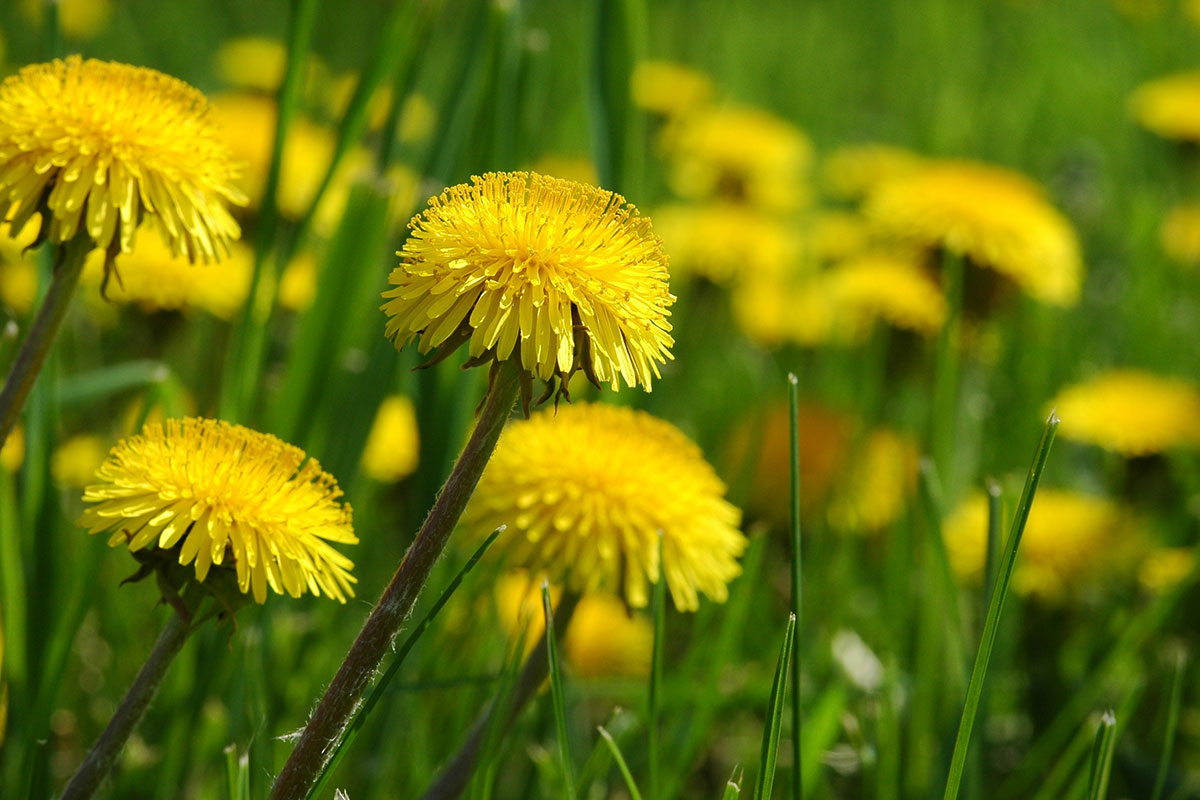
Figure 4: The colour of the dandelion’s bright yellow flowers is reminiscent of the colour of bile. The bitter constituents of the root stimulate bile flow and thus aid digestion.
Dandelion is another potent and effective plant for the gut. The strength of the dandelion is already evident from where it grows: this plant can even grow through small gaps in asphalt. The fleshy taproot of the dandelion can reach up to one metre (sometimes even deeper) into the soil. At fruit maturity the plant with its radiant yellow flower turns into a seed head (commonly called a “blowball”) with parachute-like seeds.
In addition to bitter compounds, dandelion contains mucilages, phytosterols, flavonoids, triterpenes, tannins, coumarins, inulin, vitamin C and various minerals. The list of health-promoting substances in dandelion is therefore almost as long as the list of its health benefits:
The relatively large amount of bitter compounds stimulates the flow of digestive juices and liver functions. This accelerates elimination of waste and toxins. By stimulating bile flow, fat digestion is also promoted. Dandelion is antispasmodic, appetite-stimulating and helps with general digestive complaints such as bloating or a feeling of fullness. Dandelion also has anti-inflammatory effects. Its constituents furthermore exert a regulatory effect on the composition of the gut microbiota. [13]
A 2022 review examined the efficacy of dandelion for the prevention and treatment of gastrointestinal diseases and reported indications that dandelion may have a positive influence both on the composition and balance of the gut microbiota and a protective and regenerative effect on the intestinal mucosa. The review also names anti-inflammatory, antimicrobial and immunomodulatory properties of dandelion and thus its potential in treating gastrointestinal diseases, such as chronic inflammatory bowel diseases. However, further research is needed to validate these indications.[14]
A 2024 study confirmed the efficacy of polysaccharides contained in dandelion for the prevention and treatment of acute intestinal inflammations caused by lipopolysaccharides. This study describes that the polysaccharides can restore the intestinal barrier, inhibit the expression of pro-inflammatory factors and increase those of anti-inflammatory factors. In addition, the polysaccharides act as antioxidants and have a positive effect on the composition of the gut microbiota.[15]
Dandelion can be taken as a salad, brewed as a tea, consumed as plant sap (the white milky sap found in all parts of the dandelion, especially the stems), as freshly pressed juice from the whole plant or as a dandelion root extract to exert its effects.
As dandelion stimulates bile flow, people with existing gallstones should avoid taking dandelion preparations or consult a suitable practitioner beforehand.
Conclusion
Medicinal plants can be a valuable support for a healthy gut. Natural plant-derived substances such as those in peppermint, chamomile and dandelion can promote gut health through their anti-inflammatory, antibacterial, antioxidant or regulatory properties. Polyphenols alone promote a healthy intestinal mucosa and thus strengthen the gut barrier[16].
The medicinal plants described illustrate the diverse possibilities of phytotherapy. Medicinal plants can be used both to promote general gut health and to treat and alleviate various complaints of the gastrointestinal tract. At the same time, natural approaches are often well tolerated. Nevertheless, it is important to consider individual needs and circumstances and to seek professional advice if in doubt.
Be inspired and discover the power of medicinal plants for your gut health!
Disclaimer
This article does not replace treatment by a qualified practitioner. The basis of this contribution is studies and current literature. It must not be used for self-diagnosis or self-treatment. If necessary, discuss any inspirations from this article with a practitioner you trust.
Biographical
Vivian Zajac holds a degree in health education (B.Sc.) and is a trainee Heilpraktiker with a special focus on holistic health and prevention. In a further training course to become a gut health consultant she dedicated herself in 2022 to her passion, gut health. In her free time she is also intensively involved with topics around health, naturopathy and biohacking, acquires knowledge and repeatedly tries out new things herself. Methods such as breathwork, cold-water immersion, strength training, healthy nutrition and an optimised supply of micronutrients are a fixed part of her life. Vivian Zajac not only loves optimising her own health further but also sharing her knowledge and enthusiasm – both privately and professionally. For her, a holistic view of the person is essential.
References
[1] Zhao H, Ren S, Yang H, Tang S, Guo C, Liu M, Tao Q, Ming T, Xu H. Peppermint essential oil: its phytochemistry, biological activity, pharmacological effect and application. Biomed Pharmacother. 2022 Oct;154:113559. doi: 10.1016/j.biopha.2022.113559. Epub 2022 Aug 19. PMID: 35994817. https://www.sciencedirect.com/science/article/pii/S0753332222009489?via%3Dihub#sec0090 Accessed 01.12.2024
[2] Scarpellini E, Broeders B, Schol J, Santori P, Addarii M, Boccuto L, Carbone F, Abenavoli L, Tack J. The Use of Peppermint Oil in Gastroenterology. Curr Pharm Des. 2023; 29(8):576-583. DOI 10.2174/1381612829666230328163449. PMID: 36994979. https://pubmed.ncbi.nlm.nih.gov/36994979/ Accessed: 01.12.2024
[3] Chumpitazi BP, Kearns GL, Shulman RJ. Review article: the physiological effects and safety of peppermint oil and its efficacy in irritable bowel syndrome and other functional disorders. Aliment Pharmacol Ther. 2018 Mar;47(6):738-752. doi: 10.1111/apt.14519. Epub 2018 Jan 26. PMID: 29372567; PMCID: PMC5814329. https://pmc.ncbi.nlm.nih.gov/articles/PMC5814329/ Accessed: 01.12.2024.
[4] Alammar N, Wang L, Saberi B, Nanavati J, Holtmann G, Shinohara RT, Mullin GE. The impact of peppermint oil on the irritable bowel syndrome: a meta-analysis of the pooled clinical data. BMC Complement Altern Med. 2019 Jan 17;19(1):21. doi: 10.1186/s12906-018-2409-0. PMID: 30654773; PMCID: PMC6337770. https://pmc.ncbi.nlm.nih.gov/articles/PMC6337770/ Accessed 01.12.2024
[5] Ingrosso MR, Ianiro G, Nee J, Lembo AJ, Moayyedi P, Black CJ, Ford AC. Systematic review and meta-analysis: efficacy of peppermint oil in irritable bowel syndrome. Aliment Pharmacol Ther. 2022 Sep;56(6):932-941. doi: 10.1111/apt.17179. Epub 2022 Aug 9. PMID: 35942669. https://pubmed.ncbi.nlm.nih.gov/35942669/ Accessed 01.12.2024
[6] Layer P et al. Update S3-Guideline Irritable Bowel Syndrome: Definition, Pathophysiology, Diagnostics and Therapy. Joint guideline of the German Society for Gastroenterology, Digestive and Metabolic Diseases (DGVS) and the German Society for Neurogastroenterology and Motility (DGNM). Z Gastroenterol 2021; 59: 1323–1415. DOI 10.1055/a-1591-4794. https://register.awmf.org/assets/guidelines/021-016l_S3_Definition-Pathophysiologie-Diagnostik-Therapie-Reizdarmsyndroms_2022-02.pdf Accessed: 01.12.2024
[7] Sah A, Naseef PP, Kuruniyan MS, Jain GK, Zakir F, Aggarwal G. A Comprehensive Study of Therapeutic Applications of Chamomile. Pharmaceuticals. 2022; 15(10):1284. https://www.mdpi.com/1424-8247/15/10/1284 Accessed 01.12.2024
[8] Wang M, Firrman J, Liu L, Yam K. A Review on Flavonoid Apigenin: Dietary Intake, ADME, Antimicrobial Effects, and Interactions with Human Gut Microbiota. Biomed Res Int. 2019 Oct 16;2019:7010467. doi: 10.1155/2019/7010467. PMID: 31737673; PMCID: PMC6817918. https://pmc.ncbi.nlm.nih.gov/articles/PMC6817918/ Accessed 05.12.2024
[9] Srivastava JK, Shankar E, Gupta S. Chamomile: A herbal medicine of the past with bright future. Mol Med Rep. 2010 Nov 1;3(6):895-901. doi: 10.3892/mmr.2010.377. PMID: 21132119; PMCID: PMC2995283. https://pmc.ncbi.nlm.nih.gov/articles/PMC2995283/ Accessed 01.12.2024.
[10] Sándor Z, Mottaghipisheh J, Veres K, Hohmann J, Bencsik T, Horváth A, Kelemen D, Papp R, Barthó L, Csupor D. Evidence Supports Tradition: The in Vitro Effects of Roman Chamomile on Smooth Muscles. Front Pharmacol. 2018 Apr 6;9:323. doi: 10.3389/fphar.2018.00323. PMID: 29681854; PMCID: PMC5897738. https://pmc.ncbi.nlm.nih.gov/articles/PMC5897738/ Accessed 27.11.2024
[11] Dai YL, Li Y, Wang Q, Niu FJ, Li KW, Wang YY, Wang J, Zhou CZ, Gao LN. Chamomile: A Review of Its Traditional Uses, Chemical Constituents, Pharmacological Activities and Quality Control Studies. Molecules. 2022 Dec 23;28(1):133. doi: 10.3390/molecules28010133. PMID: 36615326; PMCID: PMC9822300. https://pmc.ncbi.nlm.nih.gov/articles/PMC9822300/ Accessed 05.12.2024
[12] Losi G, Puia G, Garzon G, de Vuono MC, Baraldi M. Apigenin modulates GABAergic and glutamatergic transmission in cultured cortical neurons. Eur J Pharmacol. 2004 Oct 11;502(1-2):41-6. doi: 10.1016/j.ejphar.2004.08.043. PMID: 15464088. https://pubmed.ncbi.nlm.nih.gov/15464088/ Accessed 05.12.2024
[13] Fan M, Zhang X, Song H, Zhang Y. Dandelion (Taraxacum Genus): A Review of Chemical Constituents and Pharmacological Effects. Molecules. 2023 Jun 27;28(13):5022. doi: 10.3390/molecules28135022. PMID: 37446683; PMCID: PMC10343869. https://pmc.ncbi.nlm.nih.gov/articles/PMC10343869/#sec5-molecules-28-05022 Accessed 05.12.2024
[14] Li Y, Chen Y, Sun-Waterhouse D. The potential of dandelion in the fight against gastrointestinal diseases: A review. J Ethnopharmacol. 2022 Jul 15;293:115272. doi: 10.1016/j.jep.2022.115272. Epub 2022 Apr 8. PMID: 35405251 https://www.sciencedirect.com/science/article/abs/pii/S0378874122003117?via%3Dihub Accessed 05.12.2024
[15] Li Z, Li X, Shi P, Li P, Fu Y, Tan G, Zhou J, Zeng J, Huang P. Modulation of Acute Intestinal Inflammation by Dandelion Polysaccharides: An In-Depth Analysis of Antioxidative, Anti-Inflammatory Effects and Gut Microbiota Regulation. Int J Mol Sci. 2024 Jan 24;25(3):1429. doi: 10.3390/ijms25031429. PMID: 38338707; PMCID: PMC10855136. https://www.mdpi.com/1422-0067/25/3/1429 Accessed 05.12.2024
[16] Yang G, Bibi S, Du M, Suzuki T, Zhu MJ. Regulation of the intestinal tight junction by natural polyphenols: A mechanistic perspective. Crit Rev Food Sci Nutr. 2017 Dec 12;57(18):3830-3839. doi: 10.1080/10408398.2016.1152230. PMID: 27008212. https://pubmed.ncbi.nlm.nih.gov/27008212/ Accessed 05.12.2024
Figure 1: Food_Photo_Master/shutterstock.com; Figure 2: BestPhotoStudio/Shutterstock.com; Figure 3: voranat/shutterstock.com; Figure 4: AustralianCamera/shutterstock.com

