
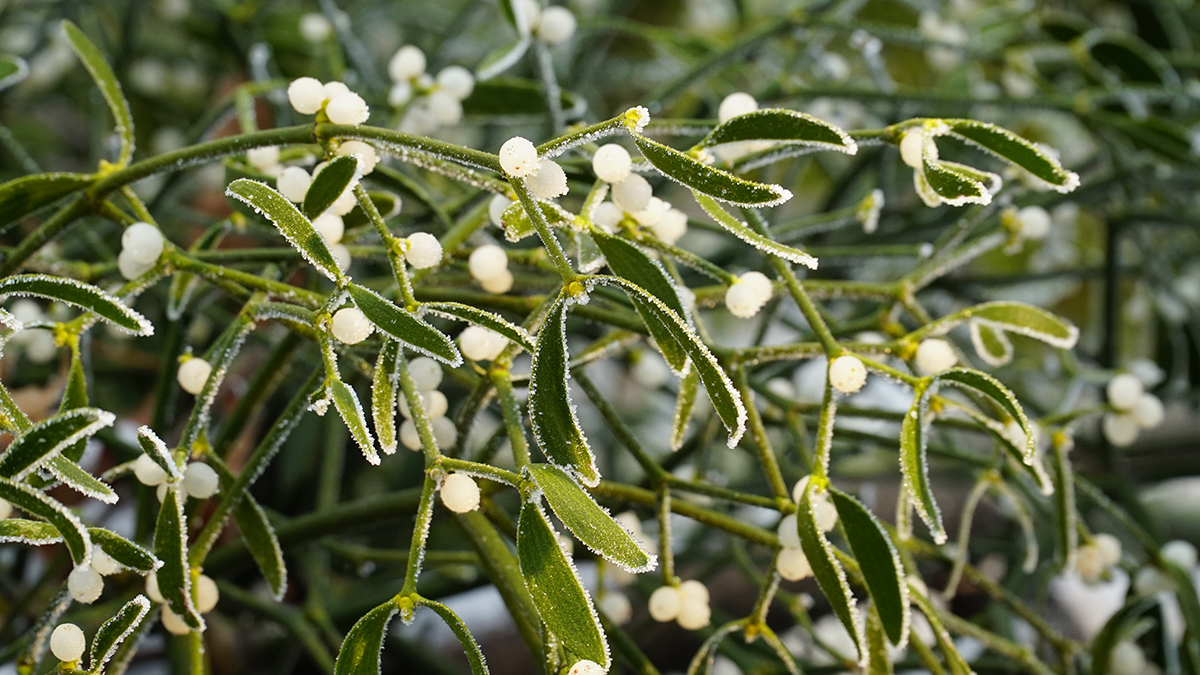
Figure 1: The mistletoe is both a symbol of mysticism and a medicinal plant. Its properties are highly valued in many cultures.
Considered one of the most important medicinal plants of our time, mistletoe is used for many of today’s most pressing illnesses. It makes an important contribution to holistic cancer therapy and helps with heart and nervous system diseases. It is also used for women’s ailments, many age-related complaints and stress-related phenomena (e.g. burnout). [1]
Mistletoe, Latin Viscum album, was already regarded as sacred in antiquity and, in European tradition, has been associated for centuries with numerous customs and rituals – as a mystical plant it reflects the culture and traditions of different eras.
Mistletoe between tradition, superstition and modernity
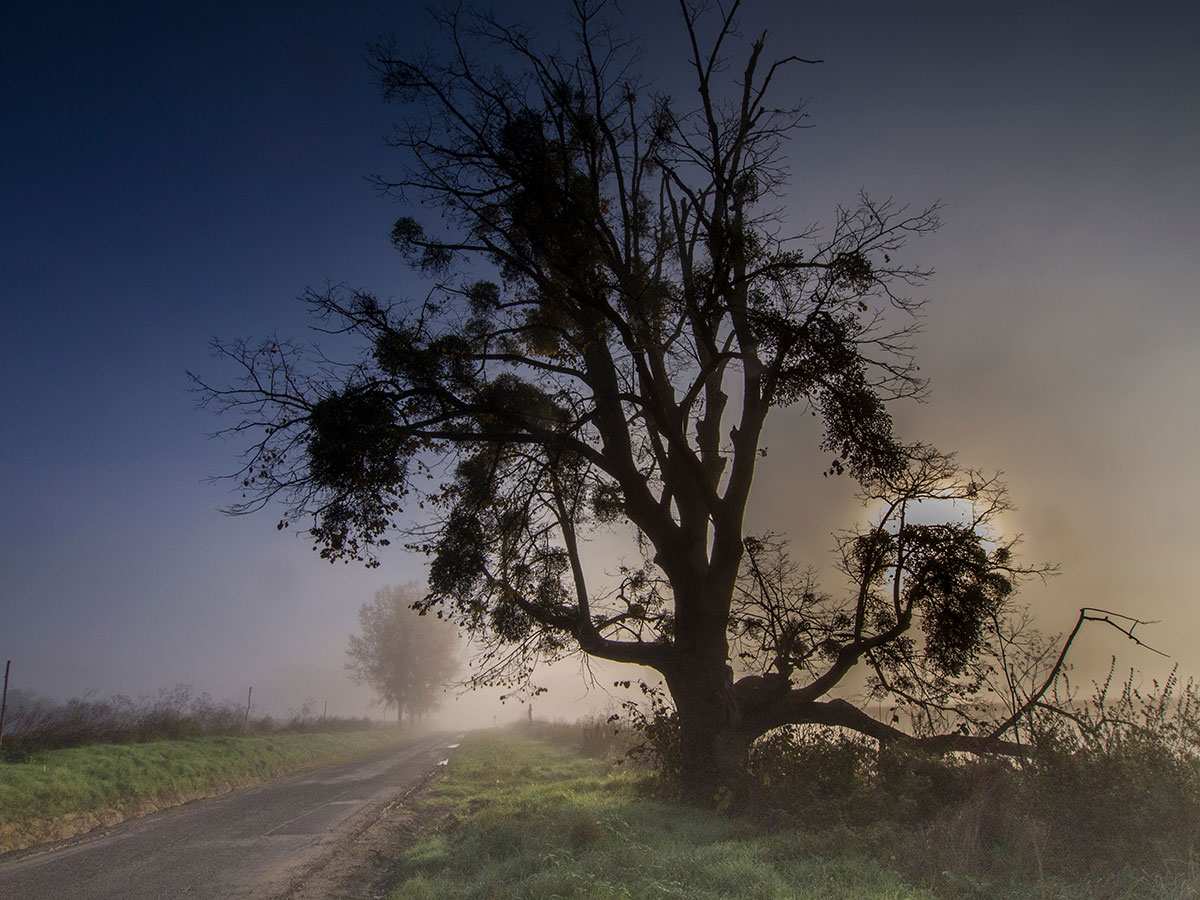
Figure 2: In earlier times the appearance of mistletoe was interpreted as mysterious and unusual. Today the plant’s medical properties are the focus of research.
It can easily survive the cold of winter, withstand frost and ice and even produce its berries around the winter solstice. For that reason alone the Celts attributed special healing powers to the mistletoe and even called it “Omnia sanantem” – the all-healing. In English-speaking countries the custom of hanging a sprig of mistletoe at Christmas is well known: anyone standing underneath may be kissed. Here too people long believed that mistletoe brought good luck and kept evil influences away. Mistletoe sprigs have traditionally been placed on doors and windows to protect the home.
Indeed, the places where mistletoes occur often appear mysterious and enigmatic. Many of the trees hosting mistletoe grow gnarled or with twisted trunks and branches. In earlier times people therefore believed that mistletoe stood at the gates of another world.
Mistletoe – an extraordinary plant
It was the botanist Karl von Tubeuf who first studied the pharmacology of Viscum album intensively and thus laid the foundation in 1907 for the mistletoe’s present importance in medicine. Tubeuf wrote of mistletoe: “Nothing about this plant is normal.” [2]
In fact, despite possessing its own chlorophyll metabolism – which would allow it to feed independently of a host – the plant lives as a hemiparasite on the sap of its host tree. Mistletoe grows very slowly and can reach an impressive age. It only begins to flower in its fifth year and, once the mistletoe bears fruit for the first time, it spreads explosively.
The mistletoe in no way displays the typical characteristics of ordinary plants: it grows as a hemiparasite in the tree canopy without forming its own roots. Instead it anchors itself with a “haustorium” in the wood of the host tree, from which it draws water and mineral nutrients. Although it can carry out photosynthesis, it remains largely dependent on the tree. Growth occurs from April to June, with a pause in summer and dormancy through the winter. Its stems and leaves reorient daily until the plant attains its spherical shape by the end of June. This form of self-centring is unique in the plant kingdom.
Mistletoe in medical use
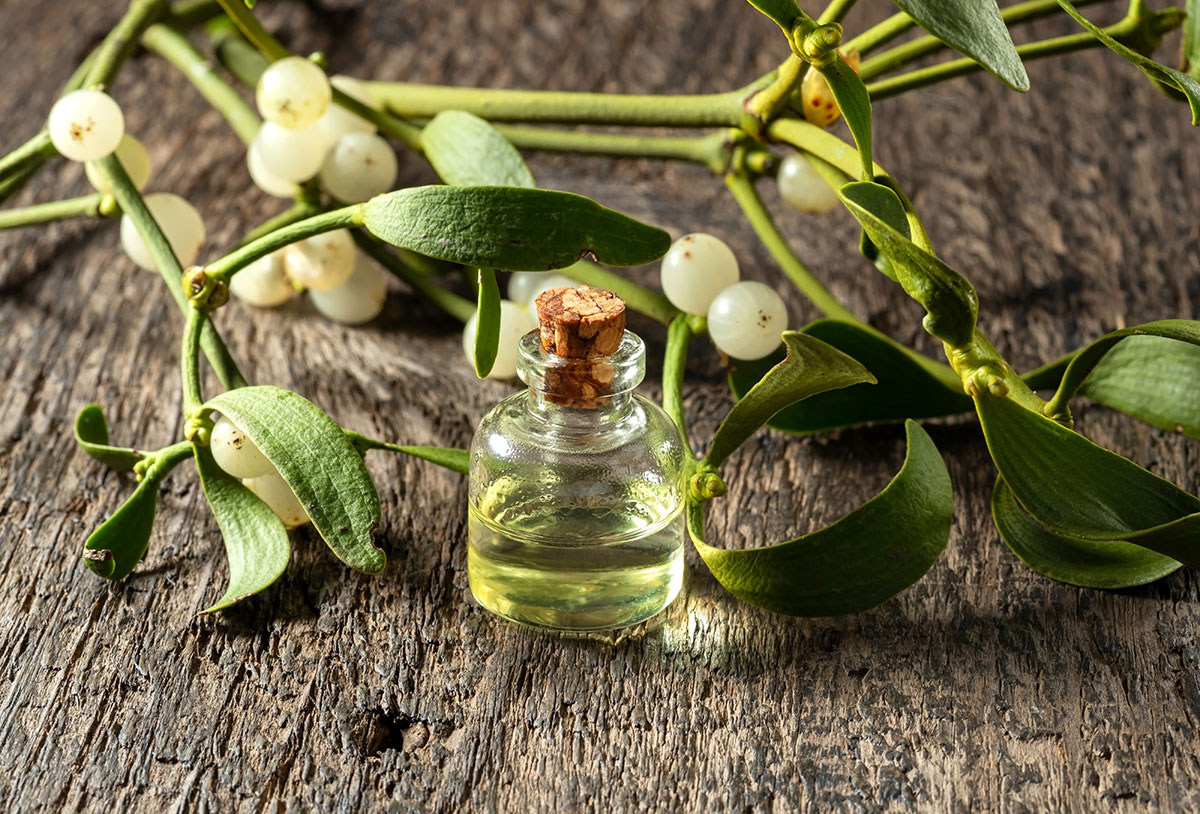
Figure 3: The constituents of mistletoe have a broad range of activity. The plant extracts are used primarily in complementary medicine.
It has been demonstrated in numerous scientific studies that mistletoe is not only of mythic significance but also has medically proven effects.
Phytotherapeutics made from the leaves of mistletoe have a broad spectrum of activity and are used for age-related complaints, cardiovascular diseases, osteoarthritis and to strengthen the immune system. Furthermore, Viscum album is an important medicinal plant in complementary cancer therapy and is used for spleen disorders, menstrual complaints, infertility, ulcers, arthritis and epilepsy. [3] [4]
The best-known indications for mistletoe are:
- Cancer therapy
Mistletoe preparations have been used for decades in complementary cancer therapy. They can strengthen the immune system, improve quality of life and alleviate the side effects of chemo- or radiotherapy. Studies show that mistletoe therapies can prolong survival in certain cancers. [5]
- Blood pressure regulation
Mistletoe has blood-pressure-regulating effects, particularly in mild hypertension. It relaxes the vessels and promotes circulation, which explains its use in cardiovascular diseases. [6]
- Calming effect
The plant has traditionally been used to treat nervousness, insomnia and stress-related complaints. It has a mild sedative effect. [7]
- Menstrual complaints
There are currently no specific studies proving the direct efficacy of mistletoe therapy for menstrual complaints such as pain or irregularities. However, there is research on the treatment of gynaecological conditions such as endometriosis with mistletoe preparations. These studies indicate that mistletoe has anti-inflammatory and immunomodulatory properties and thereby alleviates symptoms commonly associated with endometriosis that lead to menstrual complaints. [8]
- Anti-inflammatory and analgesic
Mistletoe contains constituents with anti-inflammatory effects that can, among other things, relieve rheumatic complaints. [9]
Cancer therapy – the use of mistletoe as a “plant-derived cytostatic”
Mistletoe therapy as known today originally stems from suggestions by Rudolf Steiner, the founder of anthroposophic medicine. As early as 1917 Steiner proposed the use of mistletoe as a remedy, particularly for the treatment of tumours. Since then mistletoe therapy has established itself as an integrative approach often used alongside conventional cancer treatments. [10]
Viscum album is remarkable not only for its peculiar growth form and way of life but also for its chemical composition, which makes it interesting for therapeutic use. Two groups of substances are central: the viscotoxins and the mistletoe lectins. Viscotoxins are small proteins with cytotoxic properties capable of directly damaging tumour cells. Mistletoe lectins, by contrast, are glycoproteins that stimulate the immune system by activating immune cells and supporting the body’s defence against tumours. These two groups of substances act synergistically and are crucial for the effectiveness of mistletoe therapy.
Mistletoe therapy has proven itself in supportive cancer care, as evidenced by numerous clinical studies. Of a total of 157 studies examined, 97% show positive results regarding the efficacy of mistletoe therapy. The benefits can be summarised in several areas:
Safety and tolerability: The therapy is considered safe and causes few side effects, making it suitable for a broad patient group. [11] Improvement in quality of life: Patients report increased wellbeing and improved quality of life during and after treatment. [12] Optimization of conventional therapies: Mistletoe preparations can enhance the effectiveness of chemotherapy and radiotherapy by alleviating side effects such as nausea, vomiting or diarrhoea and making the therapy more tolerable. [13] Immunomodulation: Mistletoe supports the immune system by stimulating specific and non-specific defence mechanisms, thereby strengthening the natural immune response against tumours. [14] Reduction of tumour-related symptoms: Symptoms such as pain and fatigue syndrome are significantly alleviated by mistletoe therapy. Studies also show that preparations can inhibit cancer cell growth and may help prevent relapses or metastases. [15] Possible extension of survival time: Early studies suggest that long-term use in combination with conventional therapies could improve survival chances. [16]
Mistletoe therapy is now used for many tumour types, including breast, ovarian, colorectal, liver and lung cancers. Its effects are generally used within an integrative cancer treatment plan to complement conventional treatments such as chemotherapy or radiotherapy. The patient’s quality of life is the central concern, since mistletoe strengthens the immune system. [17]
Not all mistletoes are the same: Do different host trees produce different effects?
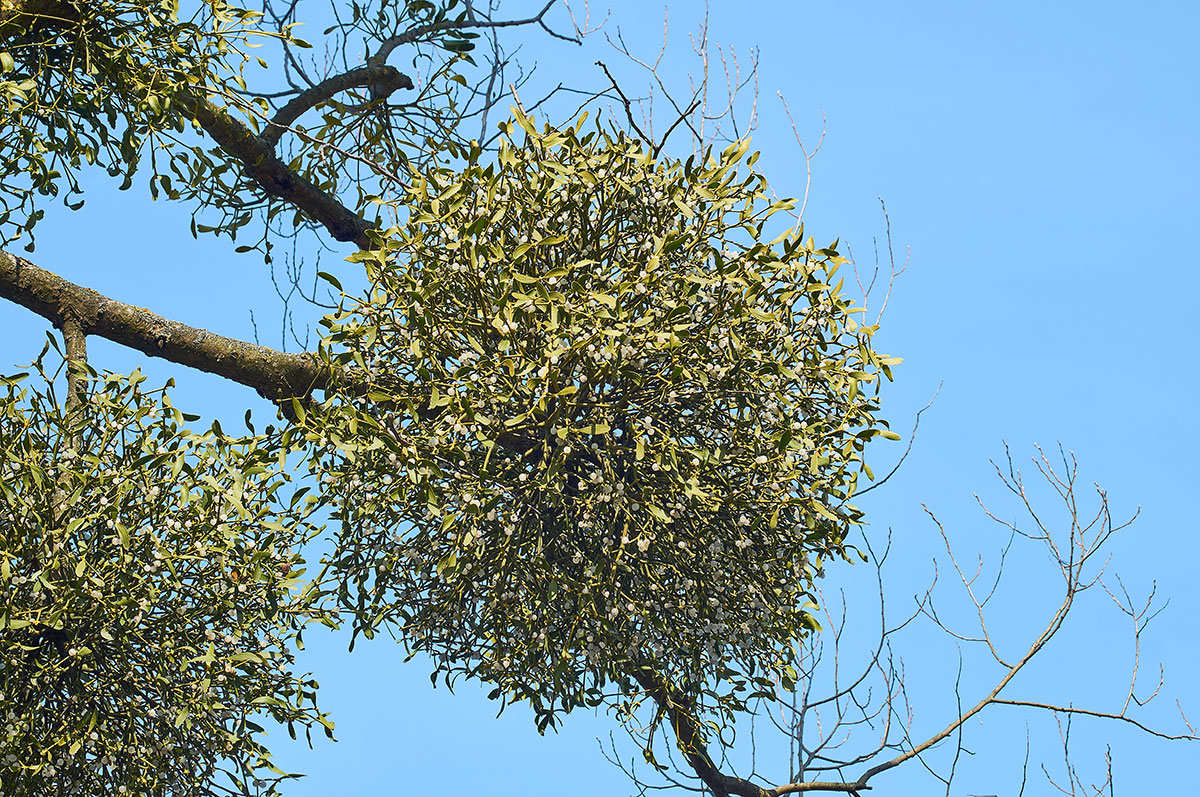
Figure 4: The effect of a mistletoe preparation can vary depending on the host tree. The host influences the biochemical composition of the hemiparasite.
Interestingly, it makes a big difference whether the mistletoe grows on an apple tree or on a birch. The biochemical properties of mistletoe depend strongly on the specific host tree.
In Central Europe there are three subspecies of mistletoe (Viscum album) that differ by their host plants: the broadleaf (deciduous) mistletoe grows on various deciduous trees such as poplars and apple trees, avoiding beech and walnut; the fir mistletoe is restricted to firs; while the pine mistletoe mainly infects pines and occasionally spruces.
Depending on the tumour type and the individual condition of the patient, an appropriate preparation is chosen. This individualisation is a central aspect of anthroposophic medicine. Mistletoe therapy has been validated by numerous studies, particularly for improving the quality of life of cancer patients suffering from exhaustion or pain or for strengthening the immune system. [18]
Examples of mistletoe use in clinical research:
|
Mistletoe type |
Host plant |
Indications |
Studies/Sources |
|
Broadleaf mistletoe |
Various deciduous trees (e.g. poplar, apple, oak) |
Breast cancer, ovarian cancer, colorectal cancer |
Piao et al., 2004: Broadleaf mistletoe improves quality of life and alleviates chemotherapy side effects. [link] |
|
Fir mistletoe |
Fir |
Lung cancer, skin cancer |
Frequently used for lung and skin cancers. It shows anti-inflammatory and immunomodulatory properties. [link] |
Modern mistletoe therapy focuses on standardised extracts from mistletoes that are injected subcutaneously (under the skin) under medical supervision. Treatment is individually tailored and based on tumour type, medical history and patient tolerability. The aim is to stimulate the immune system, reduce side effects of cancer therapy and improve quality of life. [19]
Dosing is carried out in escalating concentrations and the therapy is regularly monitored to exclude allergic reactions. Mistletoe preparations are established as an adjunct therapy and complement conventional approaches such as chemotherapy or radiotherapy. [20]
Is mistletoe toxic and how is it used?
In traditional herbal medicine tea made from mistletoe leaves and stems is often used, although cold extraction is considered the better method to preserve the healing properties. In traditional formulations each mistletoe type is processed specifically to achieve the desired effect.
It is important to note that mistletoes contain toxic substances such as viscotoxins, which can cause allergic reactions and inflammation. Therefore mistletoe should always be taken only under medical supervision. Because of the potential hazard, mistletoe sprigs should also be kept safely out of reach of children and animals.
For further information on the use and risks of mistletoe in herbal medicine it is advisable to consult detailed sources or speak with an experienced practitioner.
Conclusion
The mistletoe’s remarkable botanical traits, which earlier inspired its medicinal use, are particularly notable.
Moreover, clinical studies – of which 97% demonstrated positive effects of mistletoe therapy – have well documented the plant’s benefits. In addition to the effects described above, debate continues as to whether mistletoe therapy can reduce the risk of relapses in chronic diseases and extend survival. Final results are still pending. The effect, however, appears to depend strongly on individual factors.
Disclaimer
Mistletoe preparations should always be taken in consultation with a naturopathic doctor or therapist to avoid interactions with other medications and to ensure individual dose adjustment. This article does not replace treatment by a qualified practitioner. The basis of this article is studies and current literature. It must not be used for self-diagnosis or self-treatment. Discuss any inspirations from this article with a practitioner you trust.
Biography
Jannyn Sass is a freelance medical journalist, holds a degree in communications, is an author and mother of three. She worked as a communications expert in design and software agencies and for a tech investor in Berlin.
Since her youth she has been fascinated by the larger contexts that can lead to sickness or health in a person’s life. Jannyn studied business communication to explore systemic connections and the facets of interpersonal communication. During her studies and an intensive experience in Australia she realised there must be more to life.
She began studying alternative medical approaches, spent three years learning Traditional Chinese Medicine in Berlin and trained as a health coach. Her main interest is researching the effects of consciousness techniques and natural substances on the body, mind and soul of humans, animals and plants. She is particularly engaged with meditation therapy.
Privately she loves crossing mountains and valleys, bathing in cold rivers and discovering the magic of nature.
Sources
[1] https://www.mistel-therapie.de/wissenschaftliche-informationen/lebensqualitaet#c329
[2] https://www.degruyter.com/document/doi/10.1515/9783486747416/html
[3] https://pmc.ncbi.nlm.nih.gov/articles/PMC7340679/
[4] https://pmc.ncbi.nlm.nih.gov/articles/PMC7340679/
[5] https://pubmed.ncbi.nlm.nih.gov/19729932/
[6] https://pmc.ncbi.nlm.nih.gov/articles/PMC7340679/#Tab2
[7] https://pubmed.ncbi.nlm.nih.gov/30458281/
[8] https://www.endonews.com/mistletoe-as-a-potential-candidate-for-endometriosis-treatment
[9] https://pmc.ncbi.nlm.nih.gov/articles/PMC7340679/
[10] https://gesundheitsberater.de/misteltherapie/
[11] https://pubmed.ncbi.nlm.nih.gov/23033982/
[12] https://pubmed.ncbi.nlm.nih.gov/19729932/
[13] https://pubmed.ncbi.nlm.nih.gov/21289969/
[14] https://pubmed.ncbi.nlm.nih.gov/16334172/
[15] https://www.mistel-therapie.de/wissenschaftliche-informationen/lebensqualitaet#c329
[16] https://pubmed.ncbi.nlm.nih.gov/11347286/
[17] https://www.sciencedirect.com/science/article/abs/pii/S1876382021001104
[18] https://pmc.ncbi.nlm.nih.gov/articles/PMC7340679/
[19] https://pubmed.ncbi.nlm.nih.gov/23033982/
[20] https://pmc.ncbi.nlm.nih.gov/articles/PMC7340679/
Recommended reading
https://www.narayana-verlag.de/Heilmittel-der-Sonne-Margret-Madejsky-Olaf-Rippe/b24553
https://www.narayana-verlag.de/Die-Mistel-in-der-Tumortherapie-Rainer-Scheer-Hans-Becker/b2387
https://www.narayana-verlag.de/Die-Mistel-in-der-Tumortherapie-2-Rainer-Scheer-Hans-Becker/b16250
https://www.narayana-verlag.de/Die-Mistel-eine-Heilpflanze-unserer-Zeit-Olaf-Rippe/b22620
Figure 1: Nellia/shutterstock.com; Figure 2: FoTonBuijs/shutterstock.com; Figure 3: Madeleine_Steinbach/shutterstock.com; Kozak_Sergii/shutterstock.com

