
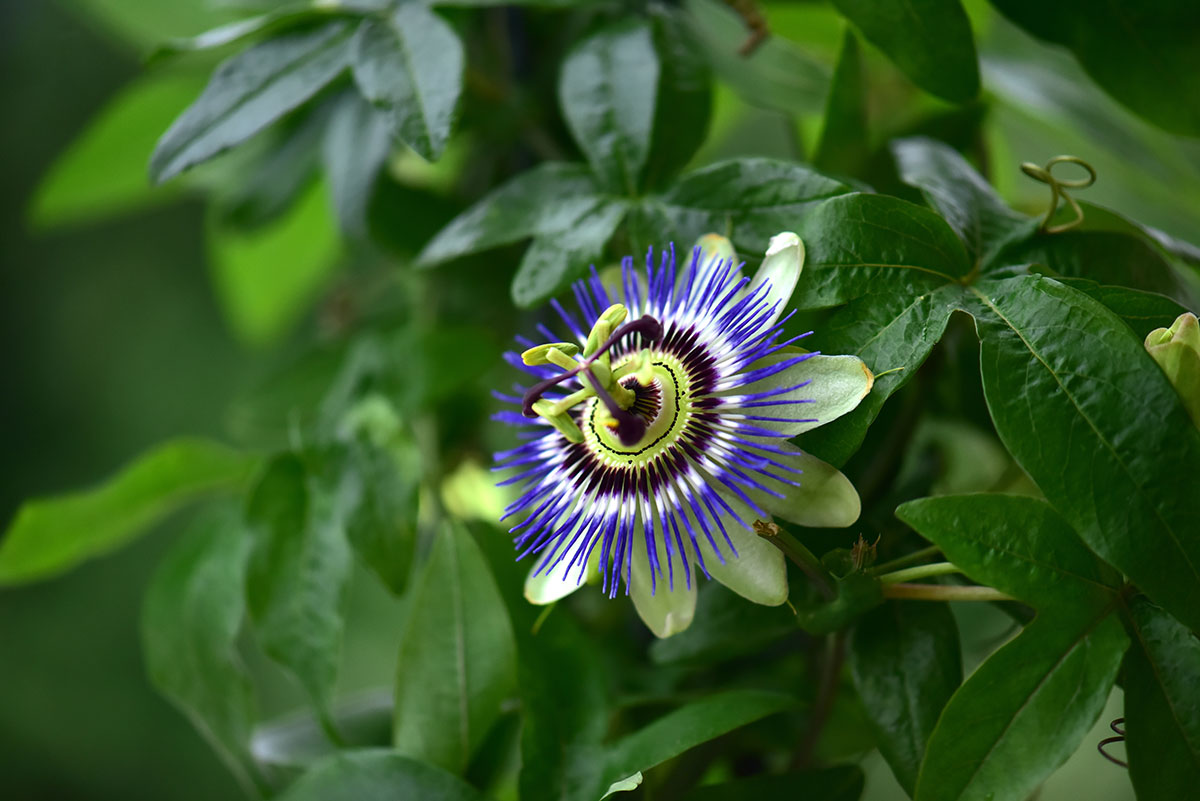
Figure 1: The passionflower is a popular medicinal and ornamental plant that can have positive effects on both body and mind.
The passionflower’s overwhelmingly beautiful blooms make it a popular ornamental plant. But as a medicinal plant, Passiflora has also been valued for centuries for its potentially anxiolytic and sleep-promoting properties. In this blog article you will learn which valuable constituents are contained in the passionflower and for which complaints the plant is commonly used. You will also receive important tips and information for choosing a dietary supplement containing passionflower as well as guidance on correct use and dosage.
Passionflower: ephemeral beauty with a fascinating history
The passionflower was originally cultivated by the indigenous peoples of the Americas for its edible fruits. The Aztecs used the herb as a medicinal plant, particularly for insomnia and nervousness. However, the passionflower did not receive its unusual name until the 16th century. Missionaries in South America at that time assigned a Christian symbolism to the plant, interpreting the various flower parts as representations of the instruments of Christ’s Passion. In the 17th century Passiflora was initially introduced to Europe as an ornamental plant. It is now also recognised here as a medicinal plant and was even named Medicinal Plant of the Year in 2011.
The flowers of the passionflower are true masterpieces of nature. The outer floral layer consists of five usually brightly coloured sepals. Inside are five petals and five stamens surrounding the centre of the flower. A conspicuous star-shaped style, formed from the ovary, the styles and the stigmas, completes the complex structure of the flower. The beauty of the passionflower, however, is extremely fleeting: each flower blooms for only a single day and emits a pleasant aroma during that time.
Worldwide there are over 400 different species and numerous subgenera of passionflower. Many produce delicious edible fruits known as passionfruit and grenadilla. Most passionflowers originate from the tropical rainforests of Central and South America. Some species, however, also grow in North America, Australia and Asia. The most widely cultivated species include various cultivars of Passiflora caerulea, the blue passionflower.
The valuable constituents of the passionflower
For therapeutic purposes, all parts of the passionflower except the root are used. Both the leaves and the flowers contain valuable constituents responsible for Passiflora’s reputation as a medicinal plant. The so-called flavonoids are regarded as the central active substances. These secondary plant compounds can, due to their antioxidant and anti-inflammatory properties, reduce the risk of various chronic diseases (e.g. cardiovascular diseases).[1] In addition, passionflower contains alkaloids, coumarins, glycosides and essential oils, among other constituents.
The passionflower as a medicinal plant: common uses
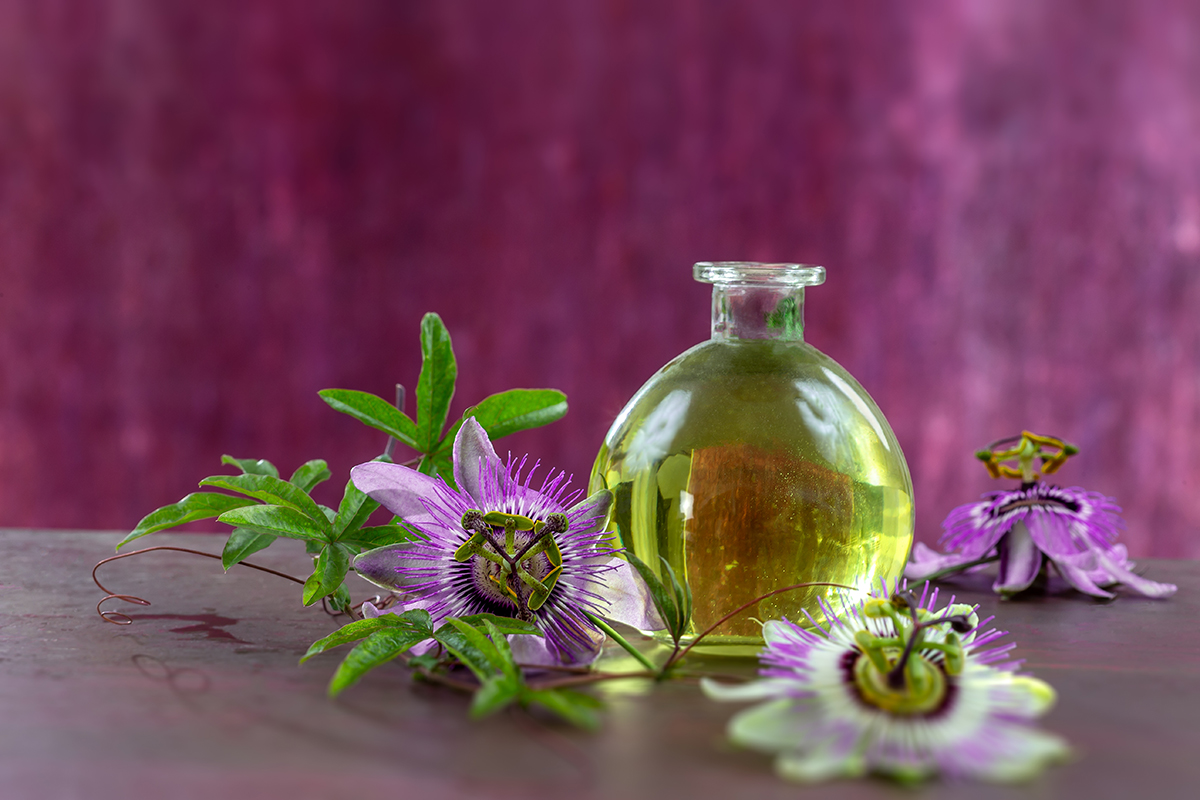
Figure 2: In naturopathy, extracts from the passionflower are mainly used for stress and anxiety disorders.
Although passionflower has long been used in traditional naturopathy to treat stress-related symptoms, there are only a few clinical studies on the therapeutic efficacy of the plant. Enthusiastic users of passionflower extracts, however, report numerous positive effects on body and mind. Researchers attribute the calming and anxiolytic effects of passionflower to its likely influence on the metabolism of the neurotransmitter GABA (gamma-aminobutyric acid).[2]
Sleep disturbances and inner restlessness
Many people swear by an evening cup of passionflower tea for a restorative night’s sleep. The herb is also said to have positive effects on inner restlessness, tension and increased excitability. Indeed, teas and extracts from passionflower are commonly used for mild difficulties falling asleep. However, study results in this area are inconsistent, so the sleep-promoting effect of the herb has not yet been scientifically confirmed. In a French observational study, 639 participants took a homeopathic remedy containing passionflower for four weeks. A large proportion of the participants subsequently reported a significant improvement in their own sleep quality through taking the passionflower preparation.[3]
Depressive moods and anxiety
Passionflower preparations are often recommended for mild depressive moods as a natural complement to conventional therapies. As studies emphasise, combination therapy of passionflower with other medicinal herbs such as St John’s wort or valerian is superior to monotherapy for depressive symptoms.[4] In a small double-blind, placebo-controlled study, 36 participants with mild generalized anxiety disorder took either 45 drops of Passiflora extract daily or 30 milligrams of oxazepam for four weeks. In both cases an alleviation of anxiety was observed, with no significant differences found between the positive effect of the passionflower extract and that of oxazepam. The researchers concluded that passionflower extract can be effectively used to treat mild anxiety disorders.[5] In addition, oral administration of Passiflora can help relieve preoperative anxiety.[6] Using passionflower extract as a natural sedative also has the advantage that, unlike many psychopharmaceuticals, it does not have a muscle-relaxing effect. Therefore, performance is usually not impaired even if taken during the day.
How to find a suitable dietary supplement with passionflower
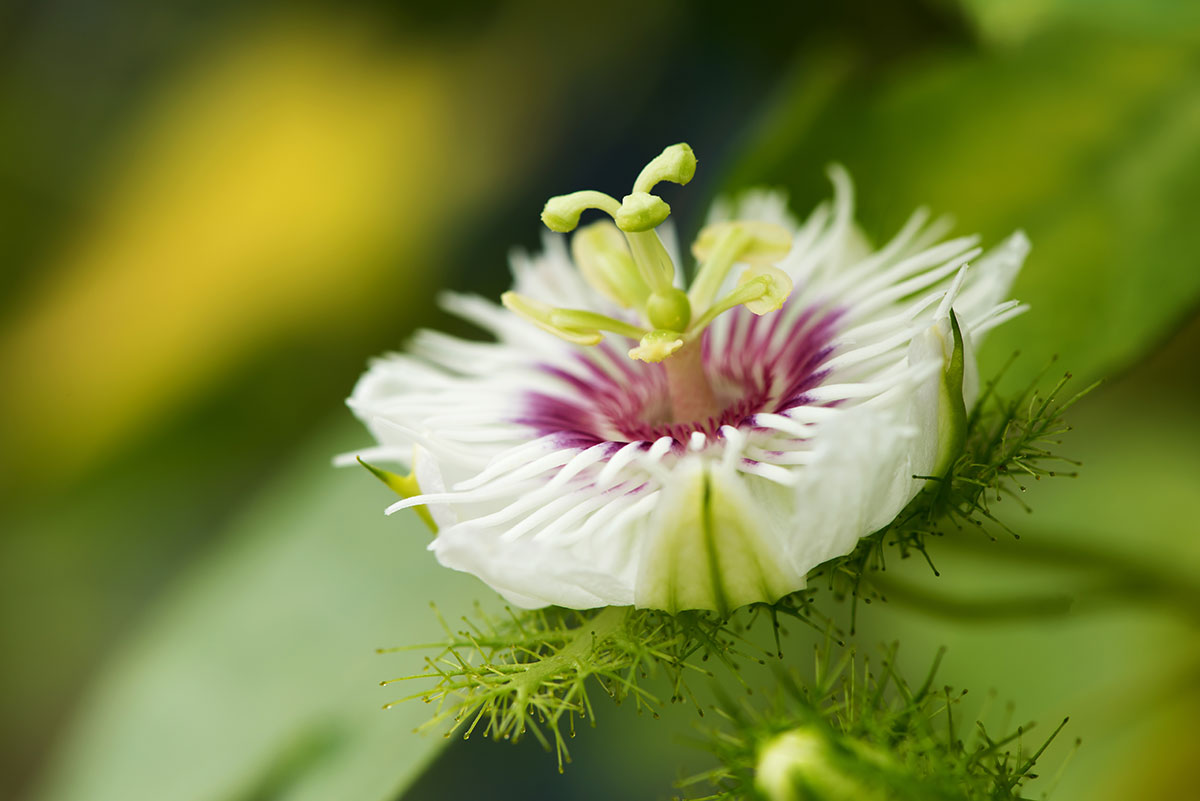
Figure 3: Before buying a preparation containing passionflower, you should check, among other things, the flavone content and whether the product contains unnecessary additives.
The range of products containing passionflower available in online shops, organic stores and pharmacies is large. In addition to teas, dietary supplements are extremely popular as they make it particularly easy to benefit from the valuable constituents of the passionflower. While the composition and active ingredient content in teas can vary greatly, passionflower preparations offer the advantage of standardised dosing. Capsules, tablets and drops are among the most popular and common forms of administration.
If you want to buy a preparation containing passionflower, you should pay particular attention to high product quality, the flavone content and possible additives when making your choice. For the Passionflower capsules by Unimedica only high-quality extract from the herb of Passiflora is used. The herb is gently air-dried and then extracted. The vegan capsules with a purely plant-based capsule shell made of cellulose contain 750 milligrams of passionflower extract in a 12:1 ratio, of which 15 milligrams are flavones, per daily dose (2 capsules).
In addition, passionflower is a common component of combination preparations that contain other herbal active ingredients. The vegan Glücksvitamine* capsules by Unimedica are a high-quality nutrient complex with carefully selected amino acids and plant compounds as well as high-dose B vitamins and vitamin D. In addition to passionflower extract, the complex contains lemon balm, St John’s wort, tyrosine and tryptophan, a precursor of the “feel-good hormone” serotonin.
Correct use and dosing of passionflower preparations
No general dosing recommendations can be given for dietary supplements containing passionflower. The amount of passionflower extract to be used daily varies depending on the purpose of application, the chosen product and your personal preferences. Recommended daily doses range from 300 milligrams up to 1,000 milligrams of passionflower extract. It is therefore advisable to consult your treating physician before starting use, who can recommend a dosage tailored to you.
It is also important to know that taking passionflower requires a little patience. It can take several weeks before a noticeable effect first occurs. If you feel very sleepy or drowsy from using dietary supplements containing passionflower, it may be sensible to reduce the daily dose. Immediately after a high-dose intake you should not drive or operate heavy machinery. For mild anxiety or stress, it can be useful to spread the use of passionflower preparations over the day. To improve sleep quality, taking the preparation about 30 to 60 minutes before going to bed is recommended in order to benefit from the passionflower’s potentially calming and sleep-promoting effects.
Possible side effects and interactions of passionflower
If used in a usual dosage, passionflower is considered safe and well tolerated. Only in rare cases can the use of passionflower preparations lead to drowsiness, dizziness or gastrointestinal complaints. If you take sedatives (e.g. benzodiazepines, barbiturates) at the same time, medical consultation is necessary in advance, as passionflower can enhance the sedative effect of some medicines. Pregnant women, breastfeeding mothers and children should also refrain from dietary supplements containing Passiflora as a precaution, since the safety of use for these groups has not been sufficiently studied to date.
Biography
Katharina Korbach regularly writes blog posts about medicinal plants and natural active substances for Narayana Verlag. She developed an interest in language early on and began writing her own literary texts. A serious illness during her final school year prompted an intense engagement with health and nutrition topics that continues to this day. After repeated failures of conventional medical treatments, she decided on a more self-effective, naturopathic therapeutic approach. A plant-based diet was an important key on her path to recovery.
Katharina studied Cultural Studies (B.A.) and Applied Literary Studies (M.A.). In 2022 she published her debut novel “Sperling” with Berlin Verlag. Today she lives in Berlin as a freelance author, medical editor and lecturer. She prefers to spend her free time with friends or doing barre training. She also loves to travel and try out new vegan recipes.
[1] Bondonno NP, Dalgaard F, Kyrø C, Murray K, Bondonno CP, Lewis JR, Croft KD, Gislason G, Scalbert A, Cassidy A, Tjønneland A, Overvad K, Hodgson JM. Flavonoid intake is associated with lower mortality in the Danish Diet Cancer and Health Cohort. Nat Commun. 2019 Aug 13. https://pubmed.ncbi.nlm.nih.gov/31409784/.
[2] Elsas SM, Rossi DJ, Raber J, White G, Seeley CA, Gregory WL, Mohr C, Pfankuch T, Soumyanath A. Passiflora incarnata L. (Passionflower) extracts elicit GABA currents in hippocampal neurons in vitro, and show anxiogenic and anticonvulsant effects in vivo, varying with extraction method. Phytomedicine. 2010 Oct. https://pmc.ncbi.nlm.nih.gov/articles/PMC2941540/.
[3] Villet S, Vacher V, Colas A, Danno K, Masson JL, Marijnen P, Bordet MF. Open-label observational study of the homeopathic medicine Passiflora Compose for anxiety and sleep disorders. Homeopathy. 2016 Feb. https://pubmed.ncbi.nlm.nih.gov/26828002/.
[4] Fiebich BL, Knörle R, Appel K, Kammler T, Weiss G. Pharmacological studies in an herbal drug combination of St. John's Wort (Hypericum perforatum) and passion flower (Passiflora incarnata): in vitro and in vivo evidence of synergy between Hypericum and Passiflora in antidepressant pharmacological models. Fitoterapia. 2011 Apr. https://pubmed.ncbi.nlm.nih.gov/21185920/.
[5] Akhondzadeh S, Naghavi HR, Vazirian M, Shayeganpour A, Rashidi H, Khani M. Passionflower in the treatment of generalized anxiety: a pilot double-blind randomized controlled trial with oxazepam. J Clin Pharm Ther. 2001 Oct. https://pubmed.ncbi.nlm.nih.gov/11679026/.
[6] Movafegh A, Alizadeh R, Hajimohamadi F, Esfehani F, Nejatfar M. Preoperative oral Passiflora incarnata reduces anxiety in ambulatory surgery patients: a double-blind, placebo-controlled study. Anesth Analg. 2008 Jun. https://pubmed.ncbi.nlm.nih.gov/18499602/.
Figure 1: Blacky/shutterstock.com; Figure 2: JPC-PROD/shutterstock.com; Figure 3: wasanajai/shutterstock.com

