
The 5 most fascinating resins and their uses
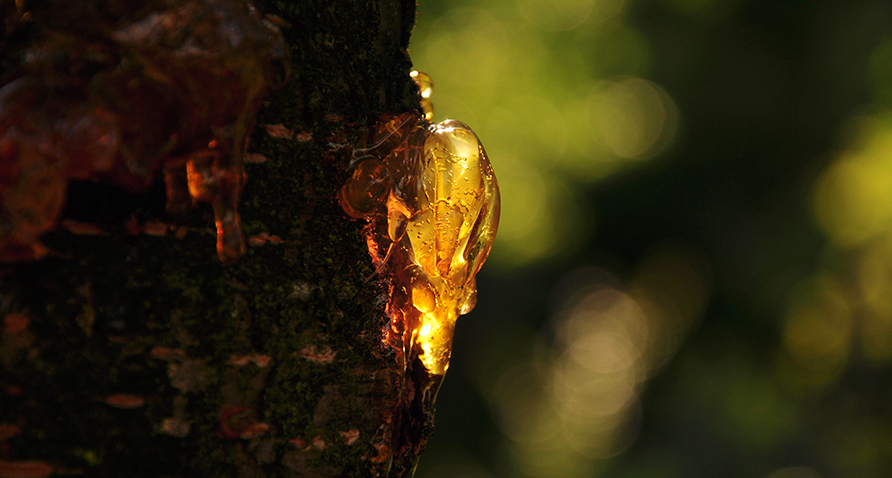
Figure 1: The valuable constituents of tree resins have been used for medicinal purposes for thousands of years. Among other things, they possess antimicrobial properties.
Most people know resins as incense and are surprised to learn that many resins can also be used internally. Resins have been known for their medicinal properties for millennia.
Resins have long been used medicinally in numerous cultures — for example for wound healing. Like liquid gold or honey, resin oozes from a tree when it is injured. This natural defence mechanism, provided by nature to the tree, effectively protects it from invading microbes and pests. As a result, resins possess remarkable properties that are antimicrobial, antiparasitic, antibacterial and antifungal. [1]
This article highlights both traditional uses and the latest scientific findings on these resins and their medical applications. Learn
- why resins are used in traditional medicine,
- what resins can be used for,
- why resins are considered pain relievers, and
- how specifically frankincense, myrrh and native resins can help.
Why resins are used in traditional medicine
The naturally viscous, aromatic substances contain a complex mix of bioactive molecules, including terpenes, sesquiterpenes and organic acids, which have anti-inflammatory, antimicrobial and antioxidant properties. This makes them interesting for both internal and external use. [2]
Traditional use of resins as ointments for wound healing
Resins — also called balms — have a long tradition in the treatment of poorly healing wounds and abrasions, especially in the form of ointments. [3] The sticky substances serve trees such as pines, larches and spruces as protection against injuries and infections. These properties also make them valuable for human wound care. For open sores or ulcers, a resin gel not only provides protection and promotes healing but also delivers rapid pain relief. [4] [5] This versatile action makes resins a tried-and-tested home remedy in wound care and beyond.
Internal applications of resins in naturopathy
Not only are their external uses interesting, their internal applications are too. Administered as teas, tinctures, capsules or powders, they can, for example, relieve spasms in the gastrointestinal tract, promote digestion and alleviate complaints such as bloating or cramps. Resins can also be applied to mucous membranes, for instance in the mouth and throat, e.g. for inflammation of the gums and oral mucosa. A tree resin tincture can, for example, be helpful for dental fistulas by acting antibacterially and supporting healing. Furthermore, resins such as myrrh or frankincense can even be used as an ingredient in homemade toothpaste to care for teeth naturally and protect against inflammation. Resins also show anti-inflammatory properties for sore throats. [6]
Which resins are particularly significant medically?
Frankincense and myrrh were regarded as the greatest treasures of antiquity and remain unquestionably valuable to this day. But many native resins are also deeply rooted in medical tradition. Whether spruce, fir, larch or Swiss pine resin — they are all traditionally popular in naturopathy for supporting wound healing, relieving respiratory conditions and easing pain because of their diverse healing qualities.
1. Frankincense: an ancient remedy with modern applications
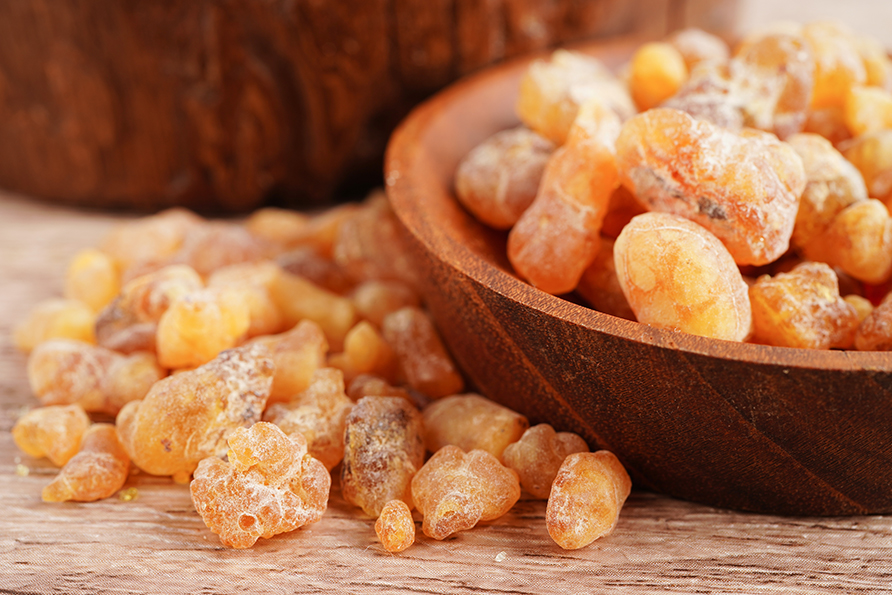
Figure 2: Frankincense is the subject of numerous scientific studies. The resin has been found to have anti-inflammatory properties, among others.
Frankincense, the resin of Boswellia trees, has a history of medicinal use stretching back thousands of years. It is particularly valued in Ayurvedic and Arabic healing traditions for its anti-inflammatory properties. In modern medicine, frankincense is increasingly being investigated for the treatment of chronic inflammatory conditions. [7] Special attention is paid to the contained boswellic acids, as these substances can inhibit inflammatory enzymes and thus be very supportive in diseases such as arthritis [8] [9], Crohn’s disease and ulcerative colitis. Frankincense is also being researched for neurological diseases and even in cancer therapy. [10] Early results show that boswellic acids have neuroprotective and antitumour properties. [11] [12]
Besides its beneficial effect on arthritis [13], this gum-like resin is mentioned in traditional Ayurvedic texts as an effective remedy for fever (antipyretic), skin and blood disorders, cardiovascular diseases, sore spots in the mouth, sore throats, bronchitis, asthma, cough, vaginal discharge, hair loss, jaundice, haemorrhoids, syphilitic conditions, irregular menstruation and stimulation of the liver. [14] Frankincense is also diaphoretic, astringent, diuretic and acts both internally and externally as a stimulant. [15]
Particularly noteworthy is frankincense’s effectiveness in inflammatory bowel diseases. [16] Clinical studies demonstrate a reduction in symptoms such as abdominal cramps and diarrhoea. Frankincense not only supports the healing of the intestinal mucosa but also promotes the balance of the gut flora, which is especially relevant in leaky gut syndrome. [17] [18] In addition to its anti-inflammatory effect on the body and immune system [19], frankincense is also credited with a calming and mood-enhancing effect. [20]
However: not all frankincense species have the same medicinal efficacy. Indian frankincense (Boswellia serrata) is the best known and most commonly used species.
Crucial for the effectiveness of frankincense resin in treating conditions such as asthma, colitis and even heavy menstrual bleeding is the dosage of boswellic acid. Studies suggest that a standardised extract of frankincense resin with a defined content of boswellic acids is particularly effective. Typical daily doses of frankincense extract recommended range from 500 to 3,000 mg, divided into two to three administrations. [21] In contrast to Western medicine, which often focuses on isolated active ingredients, the Ayurvedic tradition uses the whole resin. This contains more than 200 substances, including essential oils, mucilages and bitter principles that act together.
2. Myrrh and guggul – their areas of application
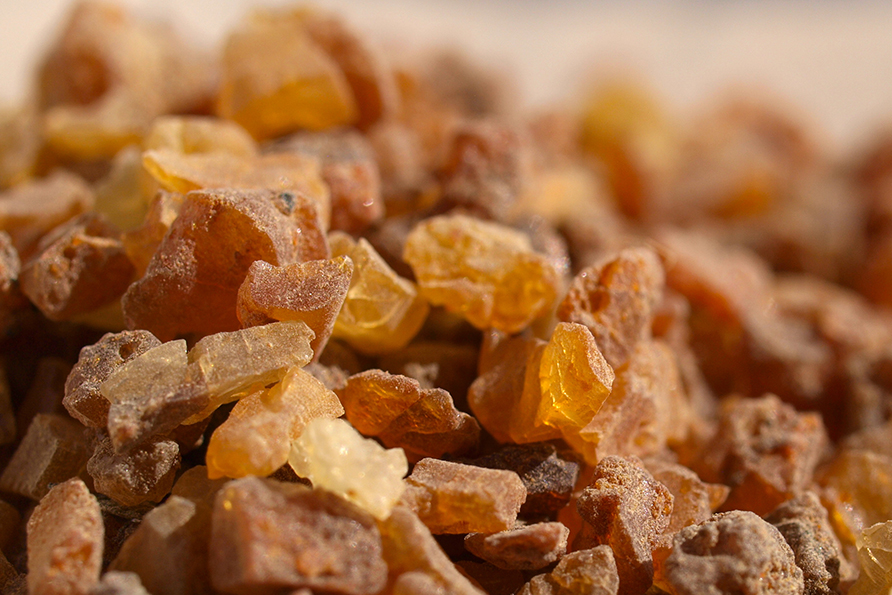
Figure 3: Myrrh is mainly used for gum inflammation and oral ulcers.
Frankincense and myrrh are both resinous substances with millennia of use. Both have anti-inflammatory and antimicrobial properties. The main difference lies in their action: while frankincense is used broadly for inflammation throughout the body, myrrh is particularly effective in the mouth and throat. This targeted action makes myrrh resin a valued remedy for gum inflammation and oral ulcers.
Myrrh is of interest because it can exhibit antimicrobial activity even against resistant bacterial strains. [22] Its efficacy has also been demonstrated for digestive problems and inflammatory bowel diseases such as Crohn’s disease.
In India a special type of myrrh is used: the resin of Commiphora mukul, also called guggul. It is one of the most important remedies in Ayurvedic medicine and is prized for its strongly cleansing and regenerating properties. Guggul is said to cleanse the lungs and mucous membranes and to have a balancing effect on menstrual complaints and polycystic ovary syndrome (PCOS) [23] [24]. Guggul is traditionally used in Ayurveda for the treatment of obesity, arthritis and cardiovascular diseases. [25]
Modern studies show that guggul can also help lower LDL cholesterol levels. An anti-inflammatory effect has also been demonstrated. [26] Guggul may also be potentially helpful in thyroid disorders. [27]
3. Fir resin and spruce resin — for poorly healing wounds
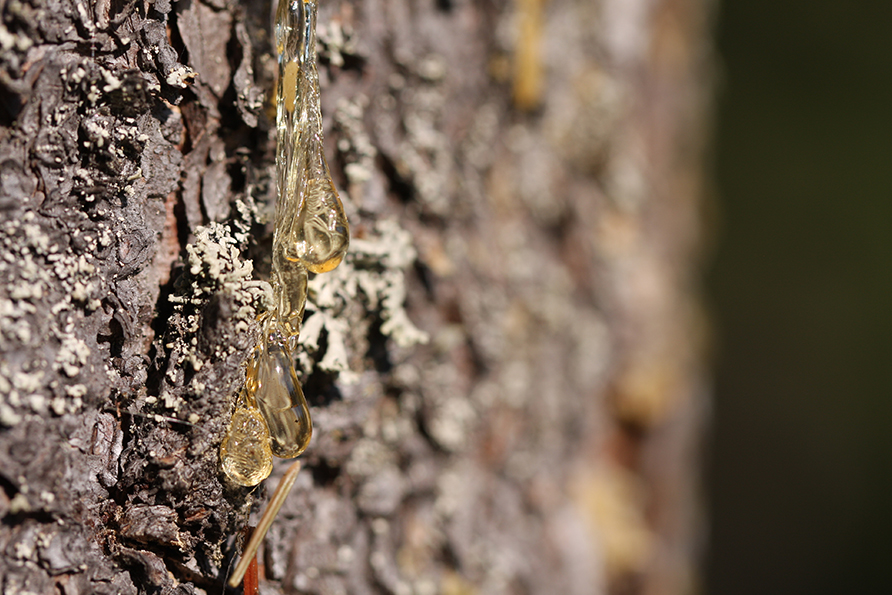
Figure 4: The constituents of spruce resin promote natural wound healing.
Fir resin is traditionally recommended as a supportive remedy for diabetes, particularly because of its positive effect on poorly healing wounds and chronic inflammation. [28] People with diabetes often suffer from wound healing disorders, where natural resins that trees produce for self-healing can be helpful. These resins promote tissue regeneration and have anti-inflammatory effects, which favour the healing process.
Spruce resin is also used in traditional natural medicine for wound care. It forms a protective film over the wound that shields it from external influences such as microbes. The constituents of spruce resin, including resin acids, coumaric acid and lignans, promote natural wound healing and contribute to inhibiting bacterial growth by slightly lowering the wound pH. This significantly reduces the risk of infection, making spruce resin an effective and natural option in wound treatment.
4. Larch resin as tar ointment for wounds and skin irritations
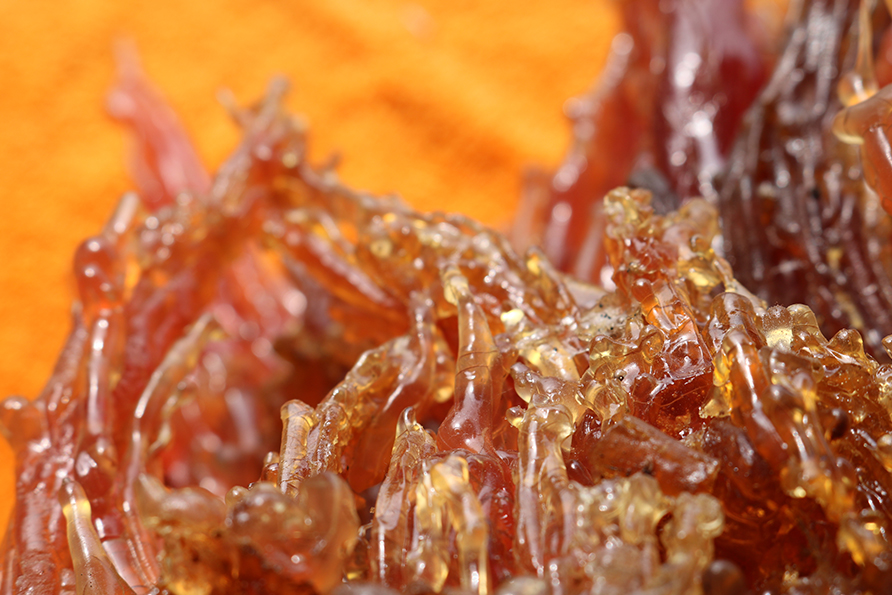
Figure 5: Tar ointment made from larch resin is a popular traditional remedy for respiratory conditions.
Traditionally, larch resin — also called larch tar — was used for skin ulcers, cracked skin and to support regeneration. This is now also scientifically confirmed: one study, for example, shows that larch resin has antimicrobial and anti-inflammatory properties, making it particularly effective for
- chronic skin problems,
- poorly healing wounds, and
- against various respiratory pathogens.
Particularly in respiratory diseases, where its expectorant and anti-inflammatory properties are valued, larch resin is used. [29]
Meanwhile, the antimicrobial properties of larch resin ointment are well documented in studies. [30] Research results show, for example, that larch resin contains essential oils and resin acids such as laricinolic acid, which act both anti-inflammatory and antimicrobial. These properties make it a valuable agent in the treatment of wounds, ulcers and skin irritations. [31]
5. Dragon’s blood for skin injuries and digestive problems
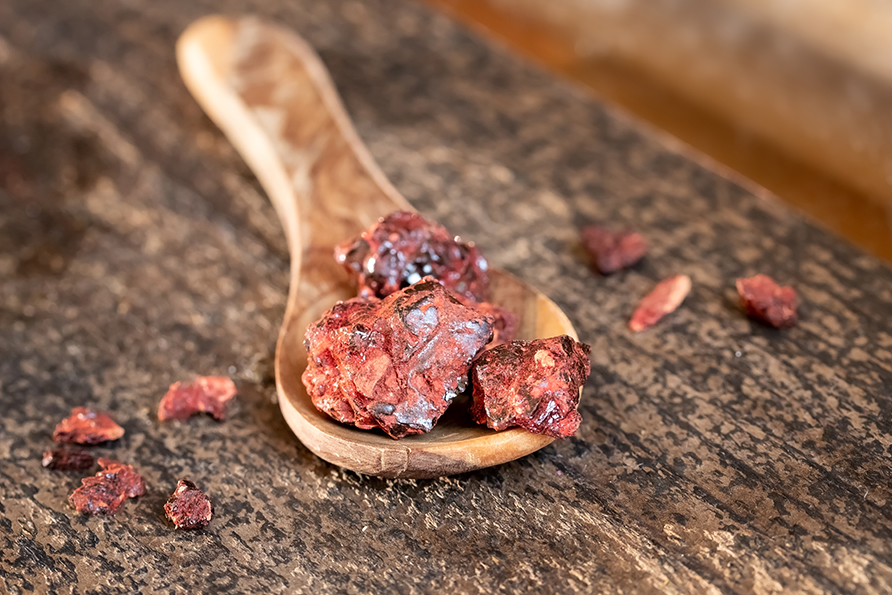
Figure 6: Dragon’s Blood — fiery resin from the tropical rainforest. It forms a protective film over superficial wounds.
Sangre de Drago, also known as Dragon’s Blood, is a deep-red resin from the Croton lechleri tree, which grows mainly in the tropical rainforests of South America. A remarkable feature of this tree is that it can live up to 1,000 years. Its strongest effect is as a natural wound healer. Among indigenous peoples of South America, Dragon’s Blood is applied externally to skin injuries or inflammations directly to the affected area. It forms a protective film that prevents dirt and bacteria from entering. At the same time, the red resin promotes wound healing and is traditionally described as a ‘plaster from nature’.
The action of Dragon’s Blood is due to its rich composition of secondary plant compounds. Proanthocyanidins and tannins exert strong antioxidant and anti-inflammatory effects, while the alkaloid taspine supports cell regeneration. This combination makes Dragon’s Blood effective in treating cuts, abrasions, ulcers and inflammatory skin conditions. It is also used in naturopathy for mucosal problems such as gum inflammation or small mouth ulcers with success.
Besides external application, Dragon’s Blood can be used internally, e.g. in diluted form, for digestive problems or inflammatory bowel diseases. Its antimicrobial properties help combat bacteria and fungi while supporting healing of the gastrointestinal tract.
Dragon’s Blood has proven effective for treating diarrhoea, wounds, tumours, gastric ulcers, herpes infections, itching, pain and insect bites among other conditions. Clinical studies with Sangre de Drago products have shown positive results in the treatment of travel-related diarrhoea and watery diarrhoea as well as symptoms from insect bites. [32]
Some studies and case reports also suggest an immune-strengthening effect.
Resins at a glance
|
Resin |
Main actions |
Traditional uses |
Scientific findings |
|
Frankincense |
Anti-inflammatory, analgesic, immunomodulatory |
Asthma, arthritis, inflammatory bowel diseases, skin problems |
Inhibits leukotriene synthesis, antioxidant and antitumour effects |
|
Myrrh / Guggul |
Antiseptic, wound-healing, anti-inflammatory, cholesterol-lowering |
Wound healing, mouth and throat inflammations, digestive problems |
Guggul lowers LDL cholesterol, regulates the FXR receptor, supports skin regeneration |
|
Fir resin |
Wound-healing, anti-inflammatory, antibacterial |
Wound care, diabetes-related wound healing disorders |
Promotes tissue regeneration, protects against infections via contained resin acids |
|
Spruce resin |
Protects against microbes, supports wound healing, lowers wound pH, reduces bacterial growth |
Modern wound care, natural medicine |
Contains resin acids and lignans that promote wound healing and prevent infections |
|
Dragon’s Blood |
Strongly antiseptic, wound-healing, astringent, antioxidant |
Traditional wound care, gastrointestinal complaints, inflammatory diseases |
Promotes collagen formation, protects against oxidative stress, accelerates healing of skin lesions |
Conclusion
Resins from various plant species have established themselves as valuable remedies over millennia and are used today in both traditional and modern medical applications. Resins such as frankincense, myrrh and Dragon’s Blood are particularly convincing due to their anti-inflammatory, antimicrobial and regenerative properties. While frankincense and myrrh have a long history in the treatment of inflammation and wounds, Dragon’s Blood shows strengths in wound healing and supporting the gastrointestinal tract. Valued in naturopathy, resins can be applied externally as ointments and plasters, but can also be used internally to promote healing and strengthen the immune system.
Biography
Jannyn Sass is a freelance medical journalist, graduate in communications, author and mother of three children. She has worked as a communications expert in design and software agencies as well as for a tech investor in Berlin.
Since her youth she has been fascinated by the larger contexts that can lead to illness or health in a person’s life. Jannyn studied business communication to explore systemic connections and facets of interpersonal communication. During her studies and an intensive experience in Australia, she realised that there must be more to life.
She began studying alternative medical disciplines, trained for three years in Traditional Chinese Medicine in Berlin and qualified as a health coach. Her main interest is investigating the effects of consciousness techniques and natural substances on the body, mind and soul of people, animals and plants. She is particularly involved with meditation therapy.
In her private life she loves traversing mountains and valleys, bathing in cold rivers and discovering the magic of nature.
Disclaimer
The intake of resins should always be done in consultation with a naturopathic doctor or therapist to avoid interactions with other medications and to ensure individual dosage adjustment. If an allergy is suspected, this can be tested with the resin diluted on the inside of the elbow.
[1] https://onlinelibrary.wiley.com/doi/epdf/10.1155/2013/709865
[2] https://www.researchgate.net/publication/334431694_Evaluation_of_antibacterial_and_antioxidant_activity_of_methanol_needle_extracts
[3] https://liebertpub.com/doi/pdf/10.1089/wound.2013.0492
[4] https://www.researchgate.net/publication/24266254_Resin-Salve_from_Norway_Spruce_-_A_Potential_Method_to_Treat_Infected_Chronic_Skin_Ulcers
[5] https://noe.orf.at/magazin/stories/3068140/
[6] https://www.heilpraxisnet.de/heilpflanzen/myrrhe/?utm_source=chatgpt.com#google_vignette
[7] https://pmc.ncbi.nlm.nih.gov/articles/PMC3309643/
[8] https://link.springer.com/article/10.1186/s12906-020-02985-6
[9] https://newsnetwork.mayoclinic.org/n7-mcnn/7bcc9724adf7b803/uploads/2014/08/MCHL201408_SR2.pdf
[10] https://koreascience.kr/article/JAKO201534168452514.page
[11] https://link.springer.com/article/10.1186/1472-6882-11-129
[12] Book: Gold, Weihrauch und Myrrhe. Hamann, Brigitte
[13] https://www.sciencedirect.com/science/article/abs/pii/S0944711314000750
[14] https://www.uniklinik-freiburg.de/fileadmin/mediapool/08_institute/rechtsmedizin/pdf/Addenda/Paper_21-01/Weihrauch.pdf
[15] https://pmc.ncbi.nlm.nih.gov/articles/PMC3309643/
[16] https://www.sciencedirect.com/science/article/abs/pii/S0944711310000620
[17] https://www.thieme-connect.com/products/ejournals/abstract/10.1055/s-2001-15802
[18] Book: Gold, Weihrauch und Myrrhe. Hamann, Brigitte
[19] https://www.sciencedirect.com/science/article/abs/pii/S0944711310000620
[20] https://pmc.ncbi.nlm.nih.gov/articles/PMC3309643/
[21] https://www.uniklinik-freiburg.de/fileadmin/mediapool/08_institute/rechtsmedizin/pdf/Addenda/Paper_21-01/Weihrauch.pdf
[22] https://www.researchgate.net/publication/355782465_Evaluation_of_Antimicrobial_Activity_of_Commiphora_myrrh
[23] https://www.mdpi.com/2504-3900/103/1/2
[24] https://pubmed.ncbi.nlm.nih.gov/36944117/
[25] https://www.longlifenutri.com/blogs/news/a-natural-remedy-for-cholesterol-and-thyroid-health
[26] https://onlinelibrary.wiley.com/doi/10.1111/j.1527-3466.2007.00023.x
[27] https://pubmed.ncbi.nlm.nih.gov/15798994/
[28] https://www.sciencedirect.com/science/article/abs/pii/S0378874116325879
[29] https://pmc.ncbi.nlm.nih.gov/articles/PMC8300756/
[30] https://bioresources.cnr.ncsu.edu/resources/active-anti-microbial-effects-of-larch-and-pine-wood-on-four-bacterial-strains/
[31] https://www.natura-naturans.de/phytotherapie/pflanzenportrait/die-heilkraft-der-laerche/
[32] https://pubmed.ncbi.nlm.nih.gov/14736360/
Image 1: TetCher/Shutterstock.com, Image 2: sweet_tomato/Shutterstock.com, Image 3: visuals-and-concepts/Shutterstock.com, Image 4: Jody./Shutterstock.com, Image 5: Gosia-2/Shutterstock.com, Image 6: Madeleine Steinbach/Shutterstock.com

