
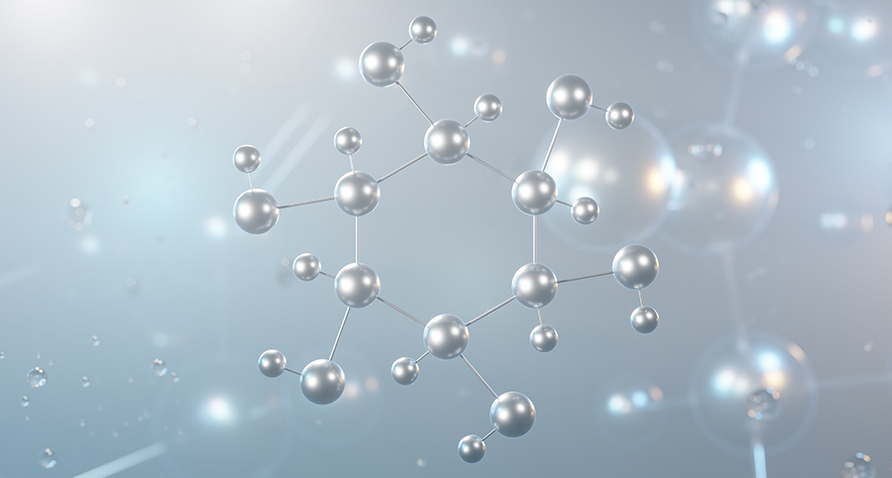
Figure 1: Myo-Inositol is classed as a vitaminoid and is important, among other things, for human hormonal and cellular metabolism.
The sugar alcohol myo-inositol plays an important role in various metabolic processes. A sufficient supply of this vitaminoid can be particularly beneficial for women with PCOS and those struggling to conceive. This blog article discusses, among other things, the effects and main uses of myo-inositol. You will also learn what to look for when choosing a myo-inositol supplement and what possible side effects inositol intake may bring.
What is Myo-Inositol?
Myo-inositol is the most common and biologically active form of inositol (also: inosit). Inositol is the cyclic alcohol cyclohexanehexol. The substance is produced mainly in the kidneys but can also be taken in smaller amounts through the diet.[1] Before researchers discovered that inositol can be synthesised from glucose in the body, the alcohol was classified with the B vitamins.
In the meantime, inositol is regarded as a vitaminoid. Vitaminoids fulfil similar functions to vitamins but, unlike them, are not essential for the organism. In some cases (e.g. in certain illnesses) the body's own production of vitaminoids is not sufficient. In such circumstances it may be sensible to supplement the relevant vitaminoid as a dietary supplement.
Myo-inositol is involved in numerous physiological processes. Among other things, the compound plays an important role in cellular metabolism and hormone regulation. As a so-called "second messenger", myo-inositol is able to transmit signals delivered to the cell from the outside (extracellular) into the cell (intracellular). As an endogenous messenger substance, myo-inositol contributes, among other things, to the proper metabolism of the hormones insulin, TSH and FSH.
Inositol, Myo-Inositol and D-Chiro-Inositol: what are the differences?
If you look into myo-inositol you will quickly come across various terms that can cause confusion. It starts with the fact that inositol is still often mistakenly referred to as vitamin B8, even though its classification as a B vitamin is now considered outdated. The term D-chiro-inositol also frequently appears in connection with inositol. Myo-inositol and D-chiro-inositol are different forms of inositol, i.e. inositol isomers. Since myo-inositol is the most common form of inositol, the terms "inositol" and "myo-inositol" are often used synonymously.
In total, nine inositol isomers are known; they essentially share the same structure but differ in the arrangement of their atoms and therefore in their mode of action. Many supplement manufacturers combine myo-inositol and D-chiro-inositol with the aim of supporting the effects of myo-inositol. More recent studies, however, indicate that a too-high proportion of D-chiro-inositol in the ovaries can impede oocyte maturation and worsen oocyte quality.[2]
Effects and important uses of Myo-Inositol
Figure 2: Medical uses of myo-inositol include PCOS as well as type 2 diabetes and infertility.
The number of large randomised trials on the efficacy of myo-inositol is still small. However, the results of existing studies suggest that oral administration of myo-inositol may have positive effects in various conditions due to the substance's antioxidant, hormone-regulating and calming properties. Below we briefly present some of the main applications of myo-inositol.
Polycystic ovary syndrome (PCOS)
Polycystic ovary syndrome (PCOS) is one of the most common endocrine disorders worldwide in women of reproductive age. The severity of the hormonal disorder can vary from person to person. Common symptoms include an irregular menstrual cycle, absent ovulation, insulin resistance, cyst formation on the ovary, weight gain and elevated blood glucose levels. Women with PCOS also often develop hyperandrogenism, an increased production of male sex hormones (androgens). A high level of male sex hormones such as testosterone can be associated with hair loss, skin blemishes and increased hair growth on the body (e.g. on the arms and legs and in the intimate area).
The use of inositol in PCOS has proven effective and safe in numerous studies.[3] A 2019 study found that myo-inositol could be more effective in infertile women with PCOS and a normal BMI than the drug metformin, which is often used in PCOS and type 2 diabetes.[4]
Insulin resistance and type 2 diabetes
In insulin resistance, the insulin and glucose balance of cells is disturbed, which results in a rise in blood sugar levels. A common consequence of insulin resistance is type 2 diabetes. PCOS is often associated with peripheral insulin resistance, which can eventually lead to type 2 diabetes and overweight. Accordingly, several studies have already investigated the effect of myo-inositol in PCOS patients suffering from insulin resistance.
A double-blind study involved 42 women with PCOS.[5] Over four months, some participants received 4 grams of inositol and 400 µg folic acid daily, while the placebo group received only 400 µg folic acid. It was found that in the inositol/folic acid group, compared with the placebo group, insulin resistance as well as blood glucose, blood lipid and insulin levels and fertility improved significantly. Regardless of whether polycystic ovary syndrome is present, inositol appears to be able to reduce the risk of cardiovascular disease by regulating blood lipid levels.[6]
Infertility and unmet desire to have children
Inositol can improve the quality of human oocytes and sperm and is therefore often recommended for infertility and reduced fertility. As early as 2002 a Chinese research team showed that concentrations of myo-inositol in human follicular fluid obtained during in vitro fertilisation (IVF) were significantly higher in oocytes that later proved fertilisable.[7] In a double-blind randomised study conducted on men with idiopathic infertility, a clear increase in sperm concentration was demonstrated following myo-inositol supplementation.[8]
Mental health
There are also repeated suggestions of a possible positive effect of inositol on mental health. Since the vitamin-like substance is found in particularly high concentrations in the human brain, this assumption is plausible. However, due to the insufficient state of research on the efficacy of inositol in mental disorders, no definitive conclusions can yet be drawn. Smaller studies from the 1990s suggest that several weeks of high-dose inositol may reduce the frequency of panic attacks.[9]
In which foods is Myo-Inositol naturally found?
Inositol is present in numerous animal and plant foods. In plant-based foods, inositol is often bound to phytic acid. This compound, which is particularly abundant in wholegrain products and seeds, is considered an "antinutrient" because it can bind to minerals such as calcium, zinc, iron and magnesium and reduce their absorption in the intestine.[10] However, a mineral deficiency due to phytic acid intake is unlikely unless the diet is very unbalanced, for example consisting almost exclusively of grains and pulses.
The best natural sources of inositol include:
- Grapefruit juice (470 mg per 120 millilitres)
- Peanut butter (91 mg per 30 grams)
- Brussels sprouts (40 mg per 100 grams)
- Green beans (54 mg per 100 grams)
- Roast beef (9 mg per 40 grams)
- Ham (5.7 mg per 40 grams, i.e. 2 slices)
- Skimmed milk (5 mg per 120 millilitres)
Myo-Inositol supplements: what to look out for
Figure 3: Besides ingredient purity, when buying an inositol product you should also check which form of inositol is contained.
To ensure an adequate supply of myo-inositol, many people choose to take supplements such as capsules, tablets or powder containing inositol. Compared with consuming foods, supplementation has the advantage that inositol can be provided in larger amounts. This can be important for the therapeutic efficacy of the vitaminoid.
When choosing a product, make sure that the active ingredient is actually myo-inositol. This is the form of inositol most commonly found in the human body and in nature and the one most thoroughly researched. Also check that the product has a high degree of purity and contains no harmful or unnecessary additives.
Myo-inositol is a common component of active ingredient complexes in which ingredients are combined for a specific application. The Myo Inositol Complex by Unimedica supports numerous metabolic processes. The vegan capsules contain, per daily dose (4 capsules), 2000 milligrams of myo-inositol as well as vitamin B6 (pyridoxine) and vitamin B9 (folic acid). Both vitamins contribute to normal blood formation. Vitamin B6 also supports regulated hormonal activity. Women wishing to conceive in particular can benefit from the high-quality ingredients of the complex.
How to take and dose Myo-Inositol preparations correctly
Depending on the manufacturer and the chosen product, recommended intake directions for myo-inositol can vary. A typical daily dose is 2 to 4 grams. Myo-inositol powder can usually be dissolved easily in water or juice, while capsules and tablets should be taken once or several times a day with sufficient fluid. For many conditions (e.g. PCOS and infertility) myo-inositol products are generally used over a longer period of several months. Studies have not found side effects during long-term use of inositol at usual dosages. Only at very high doses of 12 grams of inositol per day have mild side effects such as bloating and diarrhoea occasionally been reported.[11]
There are also some groups of people who should not take inositol or should do so only after consulting a doctor. These include, in addition to pregnant and breastfeeding women, people with autoimmune, thyroid or kidney diseases and those taking medications such as insulin or metformin.
Biography
Katharina Korbach regularly writes blog posts about medicinal plants and natural active substances for the Narayana Verlag. From an early age she was interested in language and wrote her own literary texts. A serious illness during her final school exams prompted an intensive engagement with health and nutrition topics that continues to this day. After repeated failures of conventional medical treatments, she opted for a more self-effective, naturopathic therapeutic approach. A plant-based diet was an important key in her path to recovery.
Katharina studied Cultural Studies (B.A.) and Applied Literary Studies (M.A.). In 2022 she published her debut novel "Sperling" with Berlin Verlag. She now works as a freelance author, medical editor and lecturer in Berlin. She likes to spend her free time with friends or at barre training. She also loves to travel and try out new vegan recipes.
[1] Croze ML, Soulage CO. Potential role and therapeutic interests of myo-inositol in metabolic diseases. Biochimie. 2013 Oct. https://pubmed.ncbi.nlm.nih.gov/23764390/.
[2] Isabella R, Raffone E. CONCERN: Does ovary need D-chiro-inositol? J Ovarian Res. 2012 May 15. https://pubmed.ncbi.nlm.nih.gov/22587479/.
[3] Scioscia M, Fascilla F, Bettocchi S. Re: Inositol treatment of anovulation in women with polycystic ovary syndrome: a meta-analysis of randomised trials. BJOG. 2018 Feb. https://pubmed.ncbi.nlm.nih.gov/28815934/.
[4] Pourghasem S, Bazarganipour F, Taghavi SA, Kutenaee MA. The effectiveness of inositol and metformin on infertile polycystic ovary syndrome women with resistant to letrozole. Arch Gynecol Obstet. 2019 Apr. https://pubmed.ncbi.nlm.nih.gov/30847561/.
[5] Costantino D, Minozzi G, Minozzi E, Guaraldi C. Metabolic and hormonal effects of myo-inositol in women with polycystic ovary syndrome: a double-blind trial. Eur Rev Med Pharmacol Sci. 2009 Mar-Apr. https://pubmed.ncbi.nlm.nih.gov/19499845/.
[6] Parazzini F. Resveratrol, inositol, vitamin D and K in the prevention of cardiovascular and osteoporotic risk: a novel approach in peri- and postmenopause. Minerva Ginecol. 2014 Oct. https://pubmed.ncbi.nlm.nih.gov/25245999/.
[7] Chiu TT, Rogers MS, Law EL, Briton-Jones CM, Cheung LP, Haines CJ. Follicular fluid and serum concentrations of myo-inositol in patients undergoing IVF: relationship with oocyte quality. Hum Reprod. 2002 Jun. https://pubmed.ncbi.nlm.nih.gov/12042283/.
[8] Calogero AE, Gullo G, La Vignera S, Condorelli RA, Vaiarelli A. Myoinositol improves sperm parameters and serum reproductive hormones in patients with idiopathic infertility: a prospective double-blind randomized placebo-controlled study. Andrology. 2015 May. https://pubmed.ncbi.nlm.nih.gov/25854593/.
[9] Benjamin J, Levine J, Fux M, Aviv A, Levy D, Belmaker RH. Double-blind, placebo-controlled, crossover trial of inositol treatment for panic disorder. Am J Psychiatry. 1995 Jul. https://pubmed.ncbi.nlm.nih.gov/7793450/.
[10] Brouns F. Phytic Acid and Whole Grains for Health Controversy. Nutrients. 2021 Dec 22. https://pmc.ncbi.nlm.nih.gov/articles/PMC8746346/.
[11] Carlomagno G, Unfer V. Inositol safety: clinical evidences. Eur Rev Med Pharmacol Sci. 2011 Aug. https://pubmed.ncbi.nlm.nih.gov/21845803/.
Image 1: SergeiShimanovich/Shutterstock.com, Image 2: siam.pukkato/Shutterstock.com, Image 3: Anna Gawlik/Shutterstock.com

