
One of the simplest and most effective home remedies for colds is inhalation. It is no coincidence that inhalation has a long and fascinating history, deeply embedded in the medical history and culture of many peoples. For millennia, people have known about the healing power of warm vapours, plants and their essences, which can be taken in by breathing vapour or smoke. Inhalation was used not only to ease respiratory complaints. In antiquity, for example, the Egyptians used the forces of nature for healing and care. Even then, herbs, resins and aromatic plants were used to produce vapours believed to have healing effects. Egyptian priests and healers used steam inhalation from herbs such as mint and frankincense, which had both disinfectant and soothing effects. [1]
In TCM, herbs such as eucalyptus and ginger were used to harmonise the "Qi" – the life energy – in the body. In Ayurveda, the millennia-old Indian system of medicine, inhalation is also part of preventative health care. Herbs such as tulsi (holy basil) and sandalwood were considered healing and were widely used to treat colds, coughs and respiratory conditions. Even today, inhalation remains a popular and time-tested home remedy in many cultures for relieving colds and other respiratory complaints. Modern inhalation devices such as steam inhalers and nebulisers make application easier and allow targeted and straightforward use.
How can inhalation be integrated into everyday life as a simple and natural method to relieve respiratory complaints and moisturise the airways? In this article you will find the 5 best practical tips and a selection of recommendations for inhalants such as essential oils and herbs.
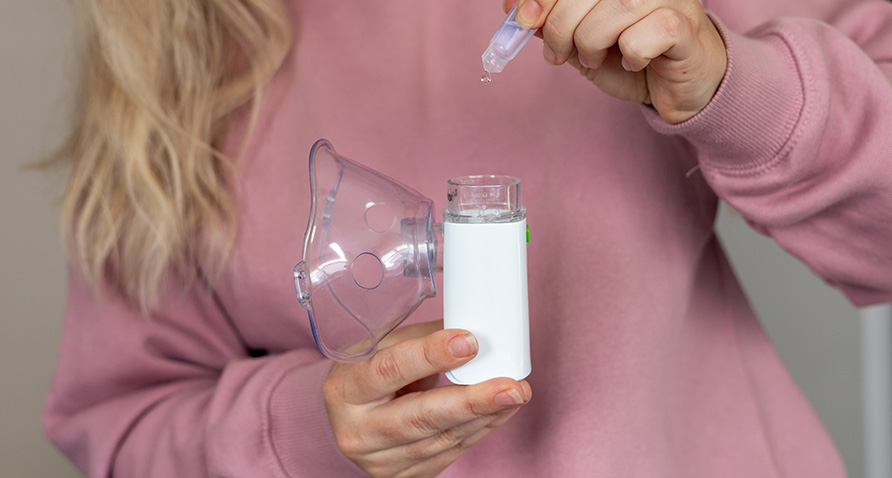 Figure 1: When inhaling, it is important which inhalant is used and at what dose.
The 5 best practical tips: What to consider when inhaling
Whether for colds, relaxation or as a cosmetic steam inhalation – the right technique and choice of ingredients make a big difference. But what should you pay attention to so that inhalation can exert its full effect?
A selection of natural inhalants
Many traditional inhalations for colds use natural active substances that clear the airways, reduce inflammation and loosen mucus. Traditionally used inhalants that can be effective include, for example:
1. Saltwater inhalation: Why it is so popular
- Effect:
- Moisturises the mucous membranes, loosens mucus and reduces swelling. This can be helpful for conditions such as colds, coughs, sinusitis or asthma.
- Usage:
- Mix 1 litre of hot water with 1–2 teaspoons of sea salt or table salt.
- Bend over the bowl, drape a towel over your head and inhale the warm steam for 10–15 minutes.
2. Chamomile inhalation: How chamomile works and how to use it
- Effect:
- Chamomile contains active compounds such as bisabolol, which have anti-inflammatory effects. It soothes inflamed mucous membranes and has antibacterial properties. The warm steam helps to loosen mucus in the nose and bronchi. Suitable for a blocked nose or sinusitis, to relieve coughs and sore throats, or for irritated facial skin (chamomile is also well suited here due to the warm steam).
- Usage:
- Add 1–2 tablespoons of dried chamomile flowers or a chamomile tea bag to hot water.
- Inhale the rising steam gently.
3. Ginger inhalation: How it works and when to use it
- Effect:
- Ginger inhalation is a natural home remedy used for colds, coughs, sinusitis or a blocked nose. Ginger contains numerous bioactive compounds such as gingerol, which are anti-inflammatory, mucus-loosening and circulation-promoting. It reduces inflammation and helps loosen mucus, improves circulation and relieves sore throats. Ginger also has an invigorating effect when feeling tired.
- Usage:
- Use 1–2 tablespoons of freshly grated ginger or 5–6 slices of fresh ginger.
- Pour over 1 litre of hot water (approx. 60–70 °C) and inhale for as long as is comfortable.
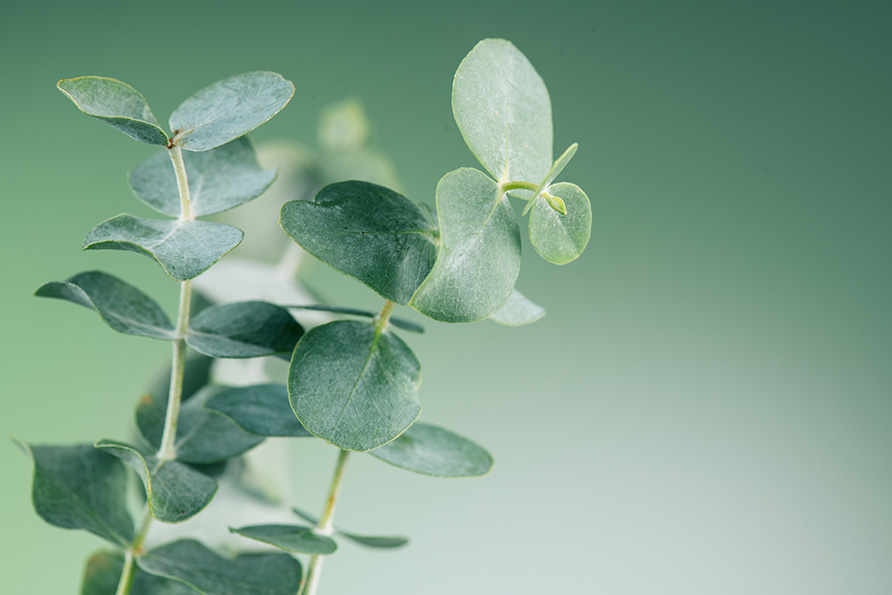 Figure 2: One of the best-known essential oils for inhalation is eucalyptus oil.
4. Which essential oil is suitable for which complaints as an inhalant?
- Eucalyptus oil:
- Eucalyptus oil is a powerful essential oil that is particularly effective for blocked airways, coughs or colds. Its mucus-loosening and anti-inflammatory properties help to ease breathing.
- Peppermint oil:
- Peppermint oil is a refreshing essential oil that is particularly helpful for colds, a blocked nose and sinusitis. Its cooling effect opens the airways and also provides a feeling of invigoration.
- Thyme oil:
- Thyme oil is an essential oil used for colds, bronchitis and other respiratory illnesses due to its antiviral, antibacterial and anti-inflammatory properties. It supports healing and strengthens the airways.
- Usage:
- Add 1–2 drops of an essential oil to a bowl of hot water (do not overdose).
- Alternatively, you can use ready-made essential oil blends for colds.
Note: Essential oils should be used with caution in sensitive people and children.
5. Combination of salt and essential oils
- Effect:
- The combination of salt and essential oils is particularly effective, as salt soothes and moisturises the mucous membranes while the essential oils exert their respective effects. This method is excellent for treating colds, sinusitis, coughs or a blocked nose.
- Usage:
- Mix 1 litre of hot water with 1 teaspoon of salt and 1–2 drops of essential oil.
- Inhale the steam.
Important tips for use:
- Water temperature: The water should be hot but not boiling to avoid scalding.
- Duration: 10–15 minutes of inhalation time is sufficient.
- Frequency: 2–3 inhalations per day can help relieve symptoms.
- Rest afterwards: Take a break after inhaling and avoid draughts.
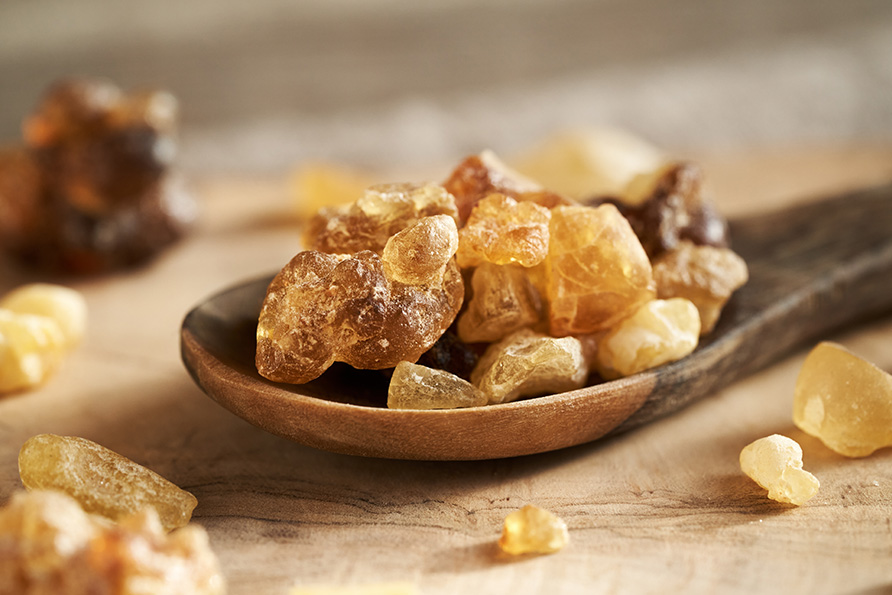 Figure 3: Frankincense extract is also traditionally well suited for inhalation.
The 8 most remarkable studies on inhalation
There are some fascinating and remarkable studies that examine the various effects of inhalation on body and mind. This research expands the classical understanding of inhalation therapy and shows how versatile the subject can be. Here are some notable examples:
1. Inhalation of rose scent for better sleep
A Japanese study investigated how inhaling rose scent improves sleep quality. Participants who inhaled rose scent before falling asleep reported significantly deeper and more restorative sleep compared with the control group. This may be related to the calming effects of certain aromatic compounds on the nervous system. [2]
2. Inhalation to boost cognitive performance
A US study found that inhaling peppermint oil can enhance cognitive performance. Participants who inhaled peppermint oil showed improved concentration and reaction times in various tests. The researchers suggest that peppermint oil may increase oxygen uptake in the brain and thereby enhance attention. [3]
3. Lavender inhalation for pain reduction
An interesting study in the field of pain therapy showed that lavender oil inhalation can reduce pain sensitivity in patients with chronic pain. The researchers found that lavender affects the activity of certain pain receptors in the brain while exerting a calming effect on the nervous system. [4], [5]
4. Eucalyptus inhalation to reduce stress among hospital staff
A study of hospital staff in Korea examined the effect of eucalyptus inhalation on stress and emotional burden. Participants inhaled eucalyptus oil before their shift and reported improved mood and reduced stress, which was attributed to the calming and clarifying effects of eucalyptus. [6]
5. Effects of saline inhalations on lung function in athletes
In athletes who regularly suffer from asthma and respiratory problems, a study of saline inhalations showed promising results. Inhalation of a hypertonic saline solution improved lung function and reduced susceptibility to respiratory infections. The researchers suggest that the salt has a cleansing and decongestant effect on the airways. [7]
6. Frankincense inhalation to relieve anxiety
Frankincense is a well-known remedy in traditional medicine and has also been investigated in various studies for its potential effects on people with anxiety disorders. The results showed that inhalation of frankincense lowered heart rate and blood pressure and made participants generally feel more relaxed and less anxious. This may be due to the calming and anti-inflammatory properties of boswellic acids in frankincense. [8]
7. Cannabis inhalation in migraine patients
Some remarkable studies dealt with the inhalation of medical cannabis to treat migraine attacks. Researchers found that inhalation of THC- and CBD-containing vapour could significantly reduce the frequency and intensity of migraine attacks in some patients. [9], [10]
8. Inhalation of essential oils to boost the immune system
Other studies investigated the influence of essential oils, such as thyme, on immune cells. The researchers found that inhalation of this essential oil can increase the activity of certain immune cells. This shows that inhalation can be much more than just therapy for respiratory diseases. It can affect body and psyche in many ways and even influence the immune system and performance. [11], [12]
Conclusion
Inhalation is a time-tested method to care for the airways, relieve symptoms and invigorate the senses – whether for colds, stress or relaxation. With the right technique and appropriate ingredients, such as essential oils or herbs, you can fully exploit the benefits of this natural application.
Biography
Jannyn Sass is a freelance medical journalist, holds a degree in communications, is an author and mother of three. She worked as a communications expert in design and software agencies as well as for a tech investor in Berlin.
Since her youth she has been fascinated by the larger contexts that can lead to illness or health in a person's life. Jannyn studied business communication to discover systemic connections and the facets of interpersonal communication.
During her studies and an intense experience in Australia, she realised there had to be more to life. She began studying alternative medical systems, spent three years studying Traditional Chinese Medicine in Berlin and trained as a health coach.
Her main interest is researching the effects of consciousness techniques and natural substances on the body, mind and soul of humans, animals and plants. She is particularly concerned with meditation therapy. Privately, she loves traversing mountains and valleys, bathing in cold rivers and discovering the magic of nature.
Disclaimer
This article does not replace treatment by a qualified therapist. The basis of this article is studies and current literature. It must not be used for self-diagnosis or self-treatment. Discuss any inspirations from this article with a therapist you trust, if appropriate.
Sources:
[1] https://www.sciencedirect.com/science/article/pii/S1744388123000312
[2] https://www.researchgate.net/profile/Kamel-Abdi/publication/362449770_The_effects_of_Rosa_damascene_aromatherapy_on_anxiety_and_sleep_quality_in_burn_patients_A_randomized_clinical_trial/links/6318b34a0a70852150d6bf39/The-effects-of-Rosa-damascene-aromatherapy-on-anxiety-and-sleep-quality-in-burn-patients-A-randomized-clinical-trial.pdf
[3] https://www.naturalhealthresearch.org/peppermint-essential-oil-shown-to-improve-mental-functioning/
[4] https://www.iasp-pain.org/publications/pain-research-forum/papers-of-the-week/paper/a-neural-circuit-for-lavender-essential-oil-induced-antinociception/
[5] https://www.mdpi.com/1420-3049/28/9/3771
[6] https://minds.wisconsin.edu/bitstream/handle/1793/82009/303_5.pdf?sequence=1
[7] https://natad2.org/wp/wp-content/uploads/2024/05/Foundational_Asthma_The-role-of-airway-inflammation-and-bronchial-hyperresponsiveness-in-athletes-asthma_2018.pdf
[8] https://www.sciencedirect.com/science/article/abs/pii/S0023969021000023
[9] https://practicalneurology.com/articles/2021-may/medical-cannabis-for-migraine-pain
[10] https://norml.org/news/2024/02/29/clinical-trial-inhaled-cannabis-effective-at-relieving-migraine-pain/
[11] https://www.alive.com/health/take-thyme-for-respiratory-health/
[12] https://www.frontiersin.org/journals/nutrition/articles/10.3389/fnut.2024.1380962/full
Image 1: Kandybka Alina/Shutterstock.com, Image 2: Subbotina Anna/Shutterstock.com, Image 3: Madeleine Steinbach/Shutterstock.com

