
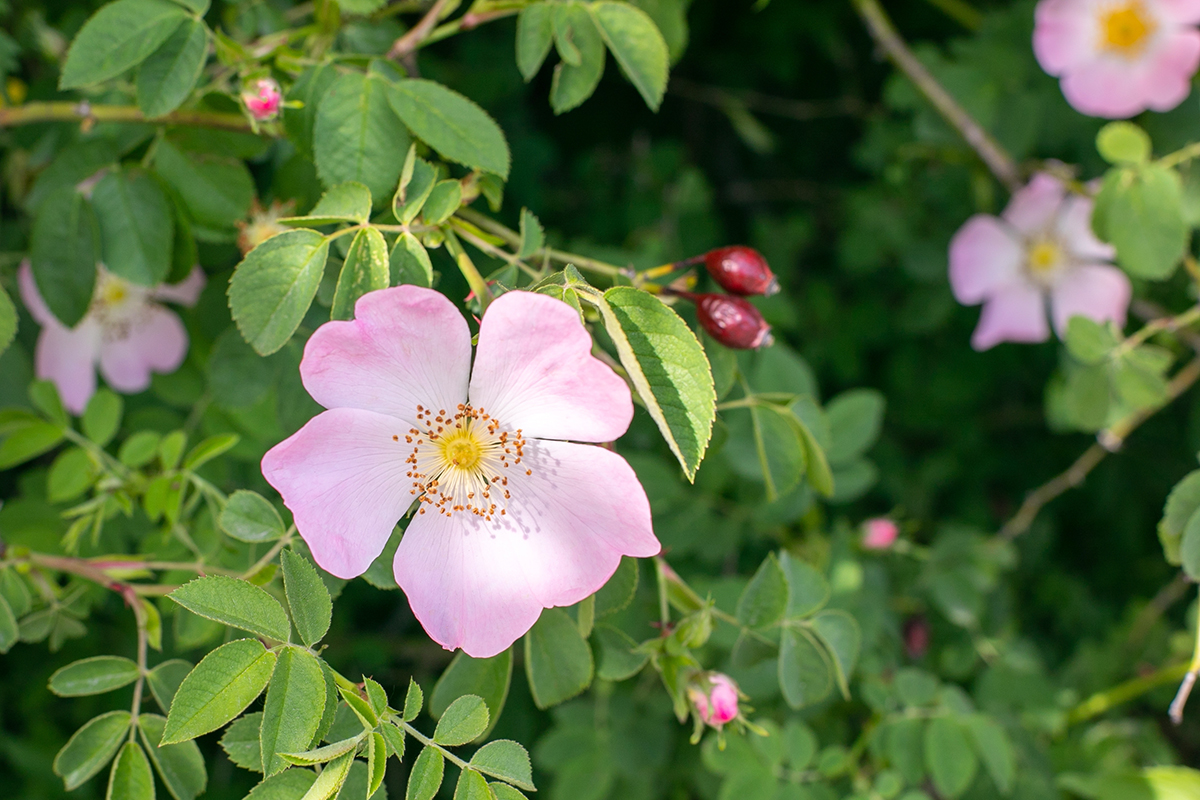
Figure 1: The first wild roses bloomed around 25 to 30 million years ago. To this day the rose is prized for its intoxicating fragrance, its beauty and its healing properties.
Those who think the rose is defined only by its magnificent blooms and intoxicating scent are mistaken. Wild roses have been valued for millennia in many cultures as versatile medicinal plants. Rose products such as high-quality rose oil and rose water contain the essence of the rose and are used both in beauty care and to alleviate health complaints. In this blog article you will learn which valuable constituents are found in the rose and what the plant is commonly used for. You will also receive helpful tips for choosing high-quality rose products.
The "Queen of Flowers": A brief profile of the rose
In June and July, the main flowering period for most rose species, it is almost impossible to resist the beauty and scent of these splendid flowers. The individual, slightly rounded petals resemble a heart, which is why the rose is also regarded as the flower of love and passion. In many cultures the rose was accordingly closely associated with their love goddesses: the ancient Greeks dedicated the flower to the goddess Aphrodite, the ancient Romans to Venus and the Germanic peoples to the love goddess Freya.
The symbolic meaning of the rose, however, developed relatively late. Fossil finds show that wild roses already existed around 25 to 30 million years ago. In China, where the plant is originally native, it was used for a long time exclusively as food. When seafarers brought the rose to Europe in the 16th and 17th centuries, they laid the foundation for European rose cultivation. Numerous hybrids and cultivars were developed as a result. Today there are around 30,000 different rose varieties found across the entire Northern Hemisphere. In late summer some of them, especially the wild roses, form spherical fruits that we know as rose hips.
How are rose oil and rose water produced?
Rose oil and rose water are primarily obtained from the flowers of the Damask rose (Rosa damascena) and partly from the white rose (Rosa alba) and the gallica or red rose (Rosa gallica). The production process is extremely labour-intensive. To this day the rose petals are harvested by hand. It takes a whole 4,000 to 5,000 kilograms of rose petals to produce one kilogram of essential rose oil! After harvesting, the petals are distilled, producing rose water (rose hydrolat) as a by-product. During distillation the water-soluble phenylethyl alcohol (PEA), an important component of the rose petal scent, is almost completely transferred into the rose water. This is why rose water smells considerably stronger than the more concentrated rose oil.
What makes the Damask rose so special?
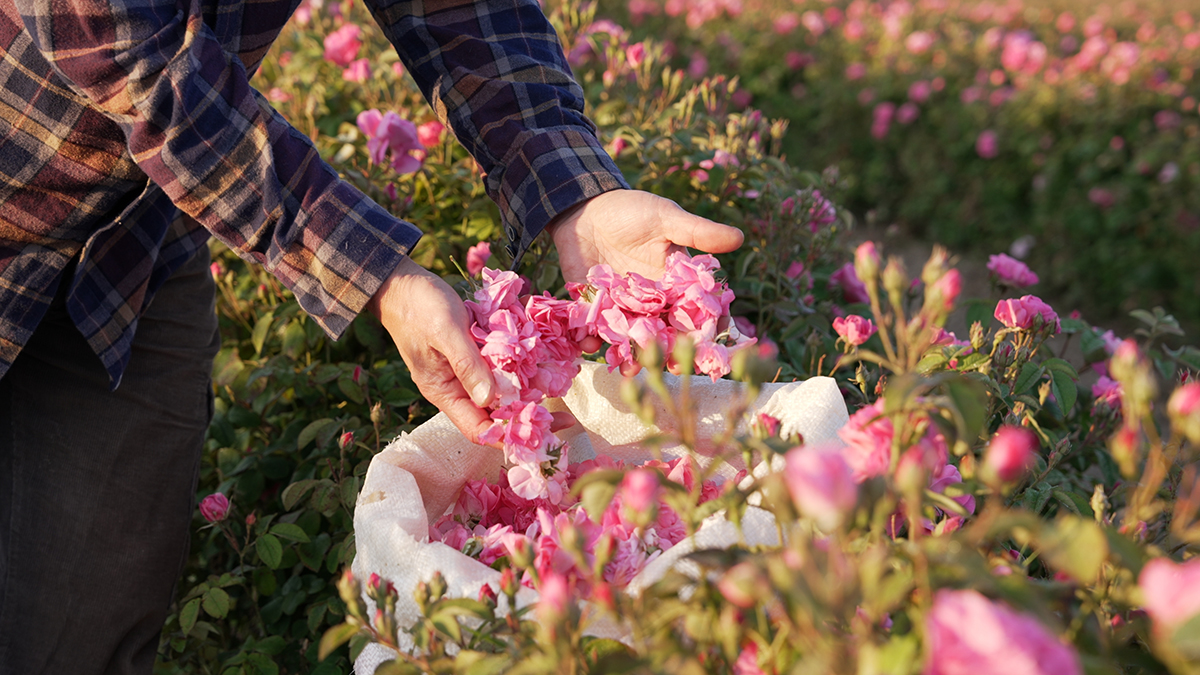
Figure 2: Compared with other rose oils, Damask rose oil is distinguished by a particularly elegant, heavy and floral scent.
The designation as "Medicinal Plant of the Year 2013" brought renewed attention to the Damask rose. However, this fascinating rose variety has been appreciated for much longer: the Damask rose was cultivated in Persian gardens over 3,000 years ago and reached Europe in the 13th century with the Crusaders. The rose bears double flowers and blooms in the spring in a bright pink. It is also known as a cultivated rose for its high essential oil content. It is frequently used in natural cosmetics and aromatherapy. In traditional herbal medicine Rosa damascena has been used to treat abdominal and chest pains, to support heart health and for menstrual and digestive complaints.
Precious Damask rose oil is mainly produced in Bulgaria, but also in Turkey and Afghanistan. Depending on their origin, rose oils have slightly different scent profiles. Bulgarian rose oil emits a very full, deep scent with a sweet and slightly spicy note.
These precious constituents are found in rose oil and rose water
The cosmetic and naturopathic benefits of the rose are mainly due to its valuable constituents. Rose oil consists of over 400 components. These include, besides alcohols such as geraniol, nerol and citronellol, the substances damascone and farnesol, which give the oil a delicate floral note. Distilled rose oil resembles a highly complex natural perfume. Important for scent fixation and the skin-care properties are the so-called stearoptenes. These are odourless, heavy molecules that are also responsible for rose oil solidifying at cooler temperatures below 18 °C. In addition, roses contain various flavonoids and tannins.[1] Rose water, by contrast, contains only a small proportion of essential oil. Instead it contains many important vitamins (e.g. vitamin B and vitamin C) as well as natural antioxidants.
The rose in naturopathy: Key effects and areas of use
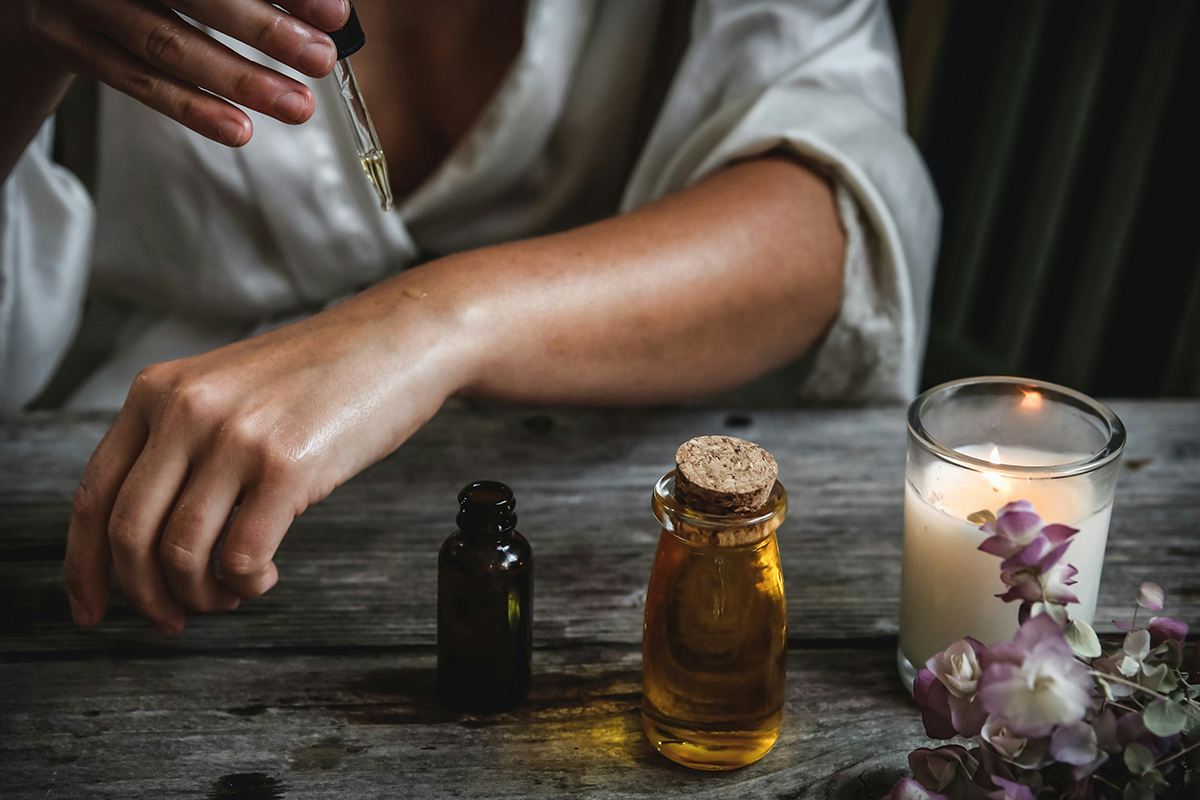
Figure 3: Because of its various effects the rose has traditionally been used as a medicinal plant for sleep problems, anxiety, insect stings and inflammations.
The active substances contained in the rose can have many positive effects on body and mind. Scientifically confirmed effects of the Damask rose include its antimicrobial, antioxidant, analgesic (pain-relieving), anti-inflammatory, antidiabetic and antidepressant properties.[2] Rose oil is also said to have an aphrodisiac effect. Below we present some of the rose's naturopathic applications.
Inflammation and swelling
Because of its anti-inflammatory and antibacterial properties the rose is often used for gum inflammation and other inflammations of the oral cavity. Gargling with water containing two to three drops of rose oil can already reduce the inflammation. The rose petals are also a popular home remedy for insect stings. To relieve itching and swelling, you can crush a few petals and dab the exuding juice onto the sting site. You can also use the rose as a natural eye compress by placing fresh rose petals on closed eyes for about 10 minutes. The essential oil in the petals is particularly soothing for swollen and irritated eyes.
Premenstrual syndrome (PMS)
A study from Shiraz University investigated for the first time the effects of Damask rose essential oils on typical complaints in the premenstrual phase. The phenomenon known as premenstrual syndrome (PMS) manifests in many menstruating women as symptoms such as mood swings, headaches, skin blemishes, cravings and irritability. In the study, 66 female students with a normal cycle were assigned to either a treatment or a control group. The treatment group inhaled the scent of a rose oil at a concentration of four per cent twice daily for five minutes during the week before the first menstrual bleeding for two months. The second group followed the same procedure but inhaled sweet almond oil for the inhalation. While no improvement in symptoms was observed in the control group after two months, the rose oil group experienced a statistically significant reduction in PMS-specific symptoms across all measured categories.[3]
Anxiety, depression and stress
That the Damask rose can help reduce anxiety, depression and stress has been confirmed, among other things, by a meta-analysis.[4] However, the researchers note that larger clinical trials are necessary to substantiate the Damask rose's potential in these areas. In naturopathy, rose oil has long been said to have a mood-lifting and relaxing effect. You can test this yourself by dabbing a few drops of rose oil on the inside of the wrists, the neck and/or the temples during stressful times.
Sleep problems
Aromatherapeutic inhalations and the oral intake of Damask rose preparations can, according to studies, improve sleep quality.[5] It is advisable to add rose oil to a fragrance lamp or a diffuser so that it distributes evenly throughout the bedroom. As a sweet and floral room fragrance, rose oil can help you relax and fall asleep more quickly. You can mix the oil with other essential oils such as orange oil if you wish. Rose oil is also excellent as a bath additive. About four drops of oil in the bathwater are enough to enjoy its relaxing effect. A rose oil bath before bedtime can be regenerating and prepare you for a restful sleep.
From cosmetics to culinary uses: Other applications of the rose
The rose is by far not used only for medical purposes. Below you will find a selection of other popular uses for rose products.
Natural cosmetics and skincare
From rose face creams and rose scrubs to hand creams and lip balms with rose: the versatile and fragrant flower is indispensable in cosmetic and care products. Rose oil and rose water are considered true beauty elixirs in skin care. Rose oil scores with very good tolerability and is suitable for all skin types. It is ideal for moisturising care, especially for mature, sensitive and dry skin. Using rose oil can refine the skin's appearance, reduce redness and improve skin firmness. Due to its antibacterial properties rose oil is also often used to combat blackheads and spots. Rose water, on the other hand, is ideal as a refreshing body and face spray and for gentle facial cleansing.
Hair care
Rose oil promotes hair softness and combability. It is suitable, among other things, as a base oil for making a nourishing hair mask. You can optionally mix the oil with a few drops of argan oil and then massage the mixture thoroughly into damp hair. After about half an hour's application time, you should rinse the mask out thoroughly. Dry scalp also benefits from the application of moisturising rose oil.
Culinary uses
The rose is an integral part of Turkish and Persian cuisine. Rose petals and rose oil give desserts in particular, but also sauces, salad dressings and fillings a special floral flavour. Rose water can also be used to refine drinks such as summer spritzers and cocktails. If you add a few drops of rose oil with honey to freshly brewed tea, you get a rose tea infusion that not only tastes delicious but is also used as a natural remedy for stomach pain.
Tips for choosing a high-quality rose product
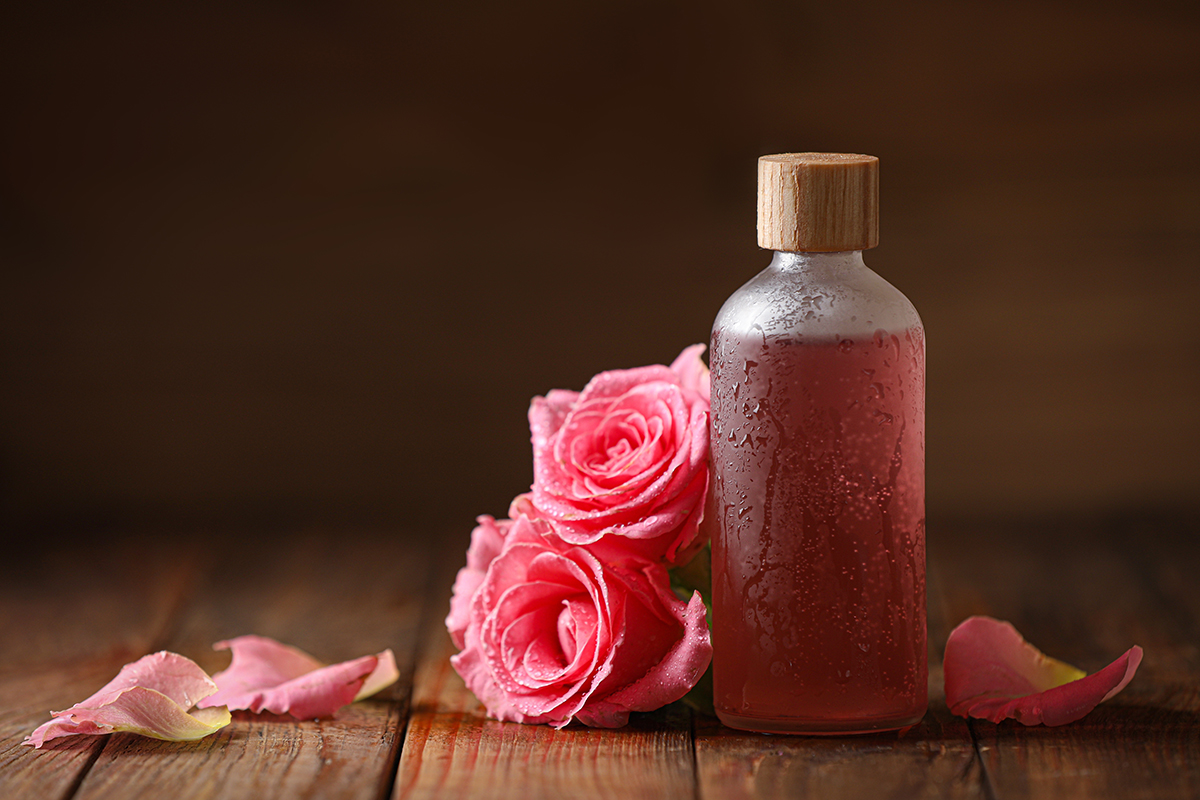
Figure 4: Before choosing a particular rose oil or rose water, make sure the product does not contain inferior, diluting ingredients.
When buying a rose product, first and foremost pay attention to the high quality and purity of the ingredients. Some manufacturers add inferior additives or other essential oils in larger quantities to dilute the precious rose oil and offer the product at a lower price overall. Cheap rose oils are also often synthetically produced and their scent is not comparable to that of real rose oil. The organic rose water from Unimedica is free from artificial ingredients and additives. The fragrant petals of the Damask rose used come from certified organic cultivation in Bulgaria, a renowned provenance for rose products. The pure rose water is suitable for skin and hair care and can also be used as a refreshing body spray.
If you want to use rose water in cooking, you should of course ensure that it is a product suitable for oral consumption. Caution is advised here, as rose essence that should be used only cosmetically is sometimes also labelled as rose water.
How to use rose oil and rose water correctly
In principle the rose can be used both internally and externally. With rose products you should always read the manufacturer's information to find out which type of application the product is intended for. To gently care for your skin, you can spray rose water directly onto the face and remove it after a short time with a cotton pad. Rose oil should always be diluted before use. Apply the oil best to damp skin. This creates a water–oil emulsion that can easily be absorbed without drying out the skin. For hair care, rose water can simply be distributed through towel-dried hair. In summer it is advisable to keep a small bottle of rose water in the refrigerator. That way you always have a cooling and wonderfully fragrant refreshment on hand when needed.
[1] Mileva M, Ilieva Y, Jovtchev G, Gateva S, Zaharieva MM, Georgieva A, Dimitrova L, Dobreva A, Angelova T, Vilhelmova-Ilieva N, Valcheva V, Najdenski H. Rose Flowers-A Delicate Perfume or a Natural Healer? Biomolecules. 2021 Jan 19. https://pubmed.ncbi.nlm.nih.gov/33478154/.
[2] Mahboubi M. Rosa damascena as holy ancient herb with novel applications. J Tradit Complement Med. 2015 Oct 30. https://pubmed.ncbi.nlm.nih.gov/26870673/.
[3] Heydari N, Abootalebi M, Jamalimoghadam N, Kasraeian M, Emamghoreishi M, Akbarzaded M. Evaluation of aromatherapy with essential oils of Rosa damascena for the management of premenstrual syndrome. Int J Gynaecol Obstet. 2018 Aug. https://pubmed.ncbi.nlm.nih.gov/29788545/.
[4] Rasooli T, Nasiri M, Kargarzadeh Aliabadi Z, Rajabi MR, Feizi S, Torkaman M, Keyvanloo Shahrestanaki S, Mohsenikhah M, Rezaei M, Abbasi M. Rosa Damascena mill for treating adults' anxiety, depression, and stress: A systematic review and dose-response meta-analysis of randomized controlled trials. Phytother Res. 2021 Dec. https://pubmed.ncbi.nlm.nih.gov/34405933/.
[5] Ghorbani Rami MS, Nasiri M, Aghili Nasab MS, Jafari Z, Torkaman M, Feizi S, Farahmandnia B, Asadi M. Effect of Rosa damascena on improvement of adults' sleep quality: a systematic review and meta-analysis of randomized controlled trials. Sleep Med. 2021 Nov. https://pubmed.ncbi.nlm.nih.gov/34508987/.
Images: Chelsea Shapouri/unsplash.com, 2217653079/shutterstock.com, 2514909783/shutterstock.com, 2305659959/shutterstock.com

