
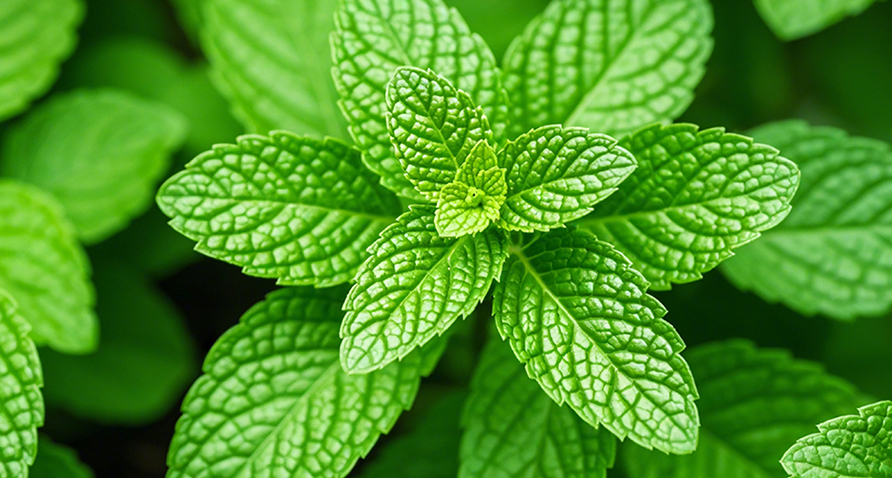
Figure 1: Peppermint oil is extracted from the leaves of the peppermint plant. Body and mind can benefit from its valuable constituents and its invigorating scent.
Peppermint oil is an ancient remedy obtained from the leaves of the peppermint herb. Because of its health-promoting and caring properties, the essential oil is widely used in both medical and cosmetic fields. This blog article provides further information on common uses of peppermint oil. You will also learn how the valuable oil is produced and what to look for when choosing a product containing peppermint oil.
Peppermint: a medicinal herb with a distinctive scent
Peppermint (Mentha piperita) belongs to the mint genus and has been valued as a medicinal herb for centuries. Its genus name Mentha is said to go back to the nymph Minthe, into whom Hades, the Greek god of the underworld, supposedly fell hopelessly in love. His wife Persephone was not pleased by this love and, according to the legend, transformed poor Minthe into a fragrant plant: peppermint.
The peppermint we know today probably originated from a cross between water mint and spearmint. The plant’s relatively high menthol content, compared with other mint species, gives it the sharp taste that earned peppermint its name. Equally unmistakable is the herb’s typical fresh-spicy aroma. It is no wonder that peppermint leaves are often enjoyed as a tea or used as a flavouring in meat dishes, chocolate and cocktails. In Europe there are many other wild mint species besides peppermint, such as field mint, Moroccan mint, orange mint or Cossack mint.
What is peppermint oil and how is it obtained?
The peppermint oil contained in peppermint leaves is particularly valued in naturopathy. The colourless to slightly yellow-tinted oil is released as soon as peppermint leaves are crushed between the fingers. For medical and cosmetic use, peppermint oil is obtained from the peppermint herb by steam distillation. The main constituents of peppermint oil include menthol (35–45%) and menthone (15–20%). The essential oil also contains various tannins, monoterpenes, enzymes, B vitamins, as well as calcium, potassium and flavonoids.
The optimal menthol and menthone content is often an indicator of the oil’s quality and efficacy, especially in applications such as aromatherapy, pharmacy and cosmetics.
The effects and medical uses of peppermint oil

Figure 2: Its cooling, antimicrobial and antiviral properties make peppermint oil a popular natural remedy.
Because of its many valuable constituents, peppermint oil has been used for centuries to treat various health complaints. The oil acts, among other things, as an antimicrobial, antiviral and antifungal agent. The menthol it contains stimulates the skin’s cold receptors, so peppermint oil can also produce a subjective cooling effect. Its characteristic scent is stimulating and refreshing.
Below we present some conditions and physical complaints for which peppermint oil is commonly used.
Irritable bowel syndrome
Irritable bowel syndrome (IBS) is a common condition. Those affected typically suffer from hard-to-classify gastrointestinal complaints. In addition to cramp-like abdominal pain, bloating, constipation and unpredictable diarrhoea are common symptoms that can greatly reduce quality of life. As a herbal alternative or natural supplement to drug therapy, peppermint oil has proven effective. The oil promotes digestion and helps release trapped intestinal gas. In addition, peppermint oil can support relaxation of the intestinal muscles and positively influence the gut environment by inhibiting the growth of harmful intestinal bacteria.
A 2019 meta-analysis underlines the positive effects of peppermint oil in irritable bowel syndrome. After evaluating 12 randomised clinical trials with a total of 835 patients, the researchers concluded that peppermint oil is an effective and safe medicine for treating IBS symptoms. As its rate of side effects is low, peppermint oil is recommended for self-medication by adults with IBS.[1]
Peppermint oil is usually taken for IBS in the form of enteric-coated capsules. The capsule shell acts as a protective layer to prevent the capsules dissolving in the stomach before the peppermint oil can take effect in the large intestine.
Tension-type headache
In ancient Rome people used to place peppermint leaves on their temples to relieve headaches. In fact, menthol in peppermint and peppermint oil can have a local anaesthetic effect at high concentrations. It also inhibits the action of neurotransmitters such as serotonin and substance P, which are significant factors in the development of headaches. When the essential peppermint oil is applied to the forehead and temples, a cold stimulus is triggered, which can relieve headache pain and relax the muscles.
The use of peppermint oil has proven particularly effective for the most common form of headache, so-called tension-type headache. A tension-type headache can last up to seven days and often occurs after prolonged periods of sitting at a computer or driving.
In a strictly controlled clinical study at the University of Kiel, the efficacy of peppermint oil for headaches was compared with the painkiller paracetamol and with a placebo. After just 15 minutes there was a significant reduction in headache pain with peppermint oil compared with the placebo. No difference was found between the effectiveness of 10% peppermint oil and 1 g of paracetamol. This suggests that peppermint oil can indeed be effective as an herbal remedy for tension-type headaches.[2]
Colds
Inhaling peppermint oil can help clear the bronchi and loosen mucus during respiratory infections. To do this, simply fill a bowl with about two litres of hot water and add one to two drops of the essential oil. Drape a towel over your shoulders and head, then lean over the bowl with your eyes closed and breathe deeply several times. You will likely soon notice how the antibacterial and expectorant properties of peppermint oil help you breathe more freely. A peppermint bath, where you add a few drops of peppermint oil to the bathwater, can also be soothing and wonderfully relaxing.
Muscle tension
Peppermint oil has antispasmodic and circulation-promoting effects, which is why it is often used for tense and hardened muscles. For application, mix a few drops of peppermint oil with a suitable carrier oil such as almond or coconut oil. You can then apply the mixture to the affected areas and rub in thoroughly. The rubs not only help to loosen muscle tension but also provide a long-lasting cooling and pleasantly refreshing effect.
Peppermint oil: cosmetic applications
Because of its essential oils and other caring ingredients, peppermint oil is a popular component in care and cosmetic products. Cooling creams, shampoos and lotions containing peppermint oil can also be made at home. Peppermint oil also has the advantage of extending the shelf life of cosmetics and care products. Below are some examples of peppermint oil uses in body care and cosmetics:
- Massage oil: The refreshing and stimulating scent of peppermint oil is pleasant for both body and mind. To use the essential oil for massages, it should be combined with a high-quality carrier oil.
- Body and facial oil: Our skin can particularly benefit from the caring properties of peppermint oil. Especially in summer, products containing the essential oil provide a pleasant cooling effect.
- Hair or beard shampoo: The cooling effect of peppermint oil can soothe the scalp, which is why the oil is often included in shampoos. Peppermint oil is also popular as a mild beard shampoo that prepares the facial skin for shaving.
- Bath additive: If essential oil is mixed with a suitable emulsifier such as sea salt, honey or cream, it becomes a wonderfully scented bath additive.
- Fragrance oil: Aromatherapy aims to improve psychological and physical well-being through the use of essential oils. Peppermint oil is also frequently used for this purpose. It can be used as a small inhaler for on-the-go or at home with the help of an oil burner or aroma stone. Simply add 5 to 10 drops of peppermint oil to the burner or aroma stone and enjoy a unique fragrance experience that delights the senses.
Notes on buying peppermint oil and peppermint oil products
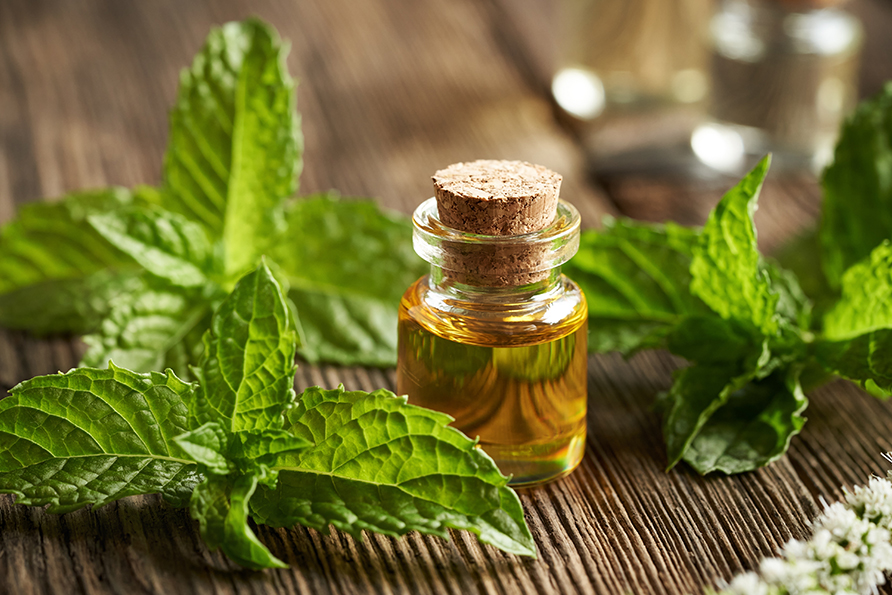
Figure 3: When choosing a product containing peppermint oil, pay particular attention to the composition and quality of the ingredients.
Peppermint oil is available in different variants and forms. Peppermint oil drops are generally not for ingestion but are intended exclusively for external use. By contrast, peppermint oil capsules, which are mainly used for stomach complaints such as irritable bowel syndrome, should be taken with a glass of water before meals. If you choose to buy peppermint oil capsules, be sure they are enteric-coated so that the oil reaches the intestine unharmed.
It is also important to distinguish between mint oil and peppermint oil. Mint oil refers to any oils obtained from the mint genus (Mentha). Therefore, a mint oil may have a milder aroma and a lower proportion of essential oils. To be medically effective, the product should contain at least 1.2 percent essential oil.
Another important quality feature is the method of production. A good oil is obtained by gentle steam distillation and should come from certified organic cultivation. The 100% pure essential oil is suitable for skin care and convinces with a fresh scent profile that enlivens body and mind. Once opened, peppermint oil should ideally be used within one year.
Possible side effects and contraindications
Because of its high menthol content, peppermint oil can cause skin irritation if overdosed. Therefore, be sure never to apply peppermint oil undiluted. With correct use and dosage, however, peppermint oil is considered to have few side effects and to be safe.
Only people with an allergy to peppermint or menthol should avoid using the essential oil. To rule out an allergic reaction, it is advisable always to perform a patch test before using a product containing peppermint oil for the first time. For this purpose, apply a small amount to the inside of the elbow and wait 24 hours. If you notice symptoms such as itching or a rash during this time, you should refrain from using peppermint oil. The same applies to patients with bile duct diseases, liver disease and epilepsy, as well as to people with injured or irritated skin.
[1] Alammar N, Wang L, Saberi B, Nanavati J, Holtmann G, Shinohara RT, Mullin GE. The impact of peppermint oil on the irritable bowel syndrome: a meta-analysis of the pooled clinical data. BMC Complement Altern Med. 2019 Jan 17. https://pubmed.ncbi.nlm.nih.gov/30654773/.
[2] Göbel H, Heinze A, Heinze-Kuhn K, Göbel A, Göbel C. Oleum menthae piperitae (peppermint oil) in the acute treatment of tension-type headache. Schmerz. 2016 Jun.
Image 1: Rapit Design/Shutterstock.com, Image 2: New Africa/Shutterstock.com, Image 3: Madeleine Steinbach/Shutterstock.com

