
Propolis: The precious bee resin and its effects
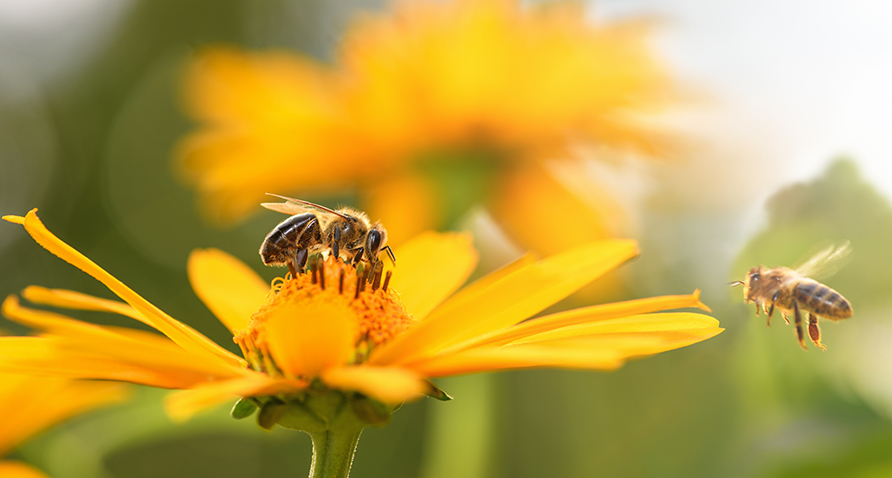
Figure 1: With propolis, bees protect the hive from intruders, infections and fungal infestation. Humans can also benefit from this valuable natural substance.
Many of us learn as children that bees make honey from floral nectar. But did you know that worker bees also produce propolis? This antibacterial and antiviral resin is primarily used to care for and protect the hive. Humans can also make use of the effects of this valuable natural substance. In this blog article you will learn more about the constituents of propolis and its possible applications in natural medicine and cosmetics. You will also receive helpful tips on choosing and correctly using propolis products.
What is propolis?
Propolis refers to a unique mixture of various substances that bees produce and use to protect and repair their hives. It is a pure natural substance, also known as bee glue. The term “propolis” derives from the Greek words “pro” (= “before”) and “polis” (= “city”). Every returning bee must crawl over a kind of propolis carpet before entering the hive – in a figurative sense, “before the city”. This measure serves to disinfect them. In addition, bees seal cracks and gaps with propolis so that other insects, draughts or moisture cannot enter the hive.
Propolis is also often used inside the hive: the increased humidity and higher temperatures inside provide an ideal environment for pathogens such as bacteria, fungi and viruses to multiply. Due to its antimicrobial properties, propolis can inhibit the growth of these organisms. Bees also coat individual brood cells with a thin layer of propolis to protect the brood from germs.
The use of propolis has a long tradition: the resin was already used in ancient Egypt for embalming mummies. Later, Roman military doctors used the substance for wound disinfection. With the rapid developments of modern medicine, propolis was long almost forgotten before the Danish bee researcher Karl Lund Aagaard (1919–1985) drew renewed attention to the natural substance.
How is propolis collected and processed?
In every hive there is a clear division of roles: drones mate with the queen, who provides the offspring. A portion of the worker bees, normally responsible for food gathering, produce propolis. To do this, the insects use their mouthparts (mandibles) to remove resins from the buds and twigs of various trees and herbs. They then transport the propolis to the hive, where they work it with the help of salivary secretions until it becomes soft and malleable. A bee colony produces about 50 to 200 grams of this valuable natural substance per year.
Beekeepers obtain propolis by first placing a plastic grid into the hive. Once the bees have sealed the holes with propolis, the grids are removed and frozen. The bee glue can then be ground and processed into propolis products such as ointments, capsules or tinctures.
Propolis and its valuable constituents
Propolis consists of more than 300 natural compounds, including many important vitamins, minerals, amino acids and trace elements. The substance is also rich in polyphenols (especially flavonoids and phenolic acids).[1] These secondary plant compounds are found in many fruits and vegetables and are particularly valued for their antioxidant properties. Essential oils, pollen, waxes and salivary secretions are also present in propolis.
However, the composition of these constituents can vary greatly depending on the region, season, hive location and the plant species from which the resin is obtained. This variability is also reflected in the different colourings of the mixture. Propolis can be yellow-brown, dark brown, greenish or even brick-red. The aroma of the resin is often described as aromatic, spicy and resinous, while the taste is dominated by bitter and sharp notes.
Propolis in natural medicine: effects and areas of application
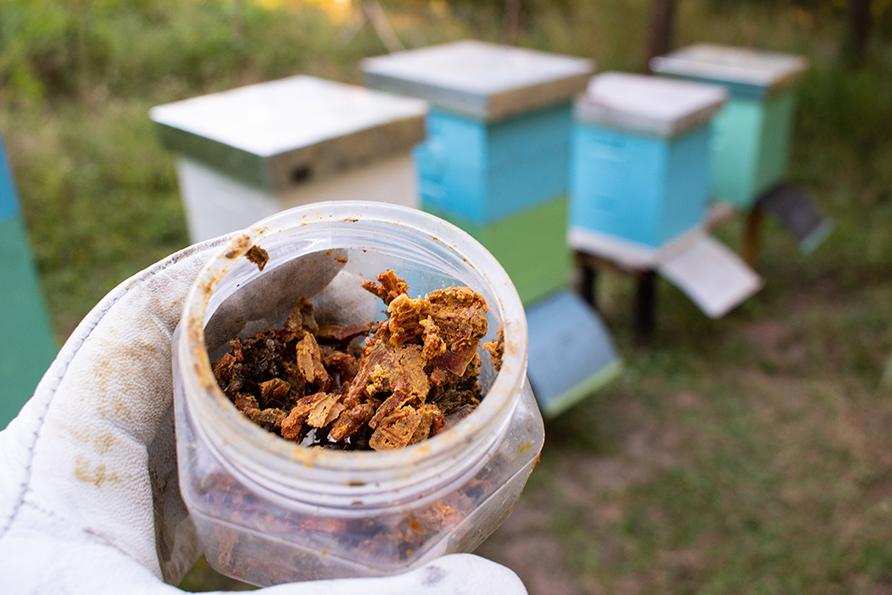
Figure 2: The evidence for the effects of propolis on humans is insufficient. Nevertheless, bee resin is frequently used in natural medicine and is especially valued for its antioxidant and anti-inflammatory properties.
Due to its many valuable constituents, propolis has a broad spectrum of effects. The substance is attributed with anti-inflammatory, antioxidant, antimicrobial, cell-protective and immunomodulatory properties. However, only a few effects of the bee resin are scientifically proven. Most studies conducted so far are animal experiments or in vitro studies. That, of course, does not mean that propolis is ineffective in humans. Many reports attest to the positive health effects of the resin, for example for digestive complaints, allergies, skin problems or gynaecological and oral conditions.[2] Below we present some of the main applications of propolis.
Infections and inflammation
The antioxidant, antibacterial and antiviral potential of propolis makes it a popular natural remedy used for various infections. A study at the University of Naples Federico involved 122 participants with upper respiratory tract infections. Approximately half of the patients applied a propolis spray (polyphenol content 15 mg/ml) three times daily, five days a week. The control group did not take propolis. After the eight-week study period, symptoms in the propolis group had decreased by 83 per cent, while no symptom reduction was observed in the control group.[3]
Propolis can also support wound healing.[4] The resin acts anti-inflammatory and soothing on damaged skin in the case of minor cuts and grazes as well as insect stings. Another popular application is for herpes. Several in vitro and in vivo studies have shown that propolis can have positive effects on both cold sores and genital herpes.[5] In a randomised, controlled, double-blind study, the effects of a lip balm with 0.5% propolis extract were compared with a cream containing 5% aciclovir. In the majority of participants suffering from herpes labialis, typical herpes symptoms such as swelling, burning and pain resolved significantly faster with propolis than in the aciclovir group. In addition, the use of propolis was free of side effects.[6]
Oral health
Traditionally, propolis is used to prevent and treat gum irritation, periodontitis and aphthae, and to care for the throat and pharyngeal mucosa. A review investigating the effectiveness of propolis in periodontitis (a chronic inflammation of the supporting structures of the teeth) provided promising indications of possible positive effects. In most of the studies included in the review, clinical parameters improved significantly more through the use of propolis than with conventional therapies. The researchers therefore conclude that propolis could be usefully employed in future as an adjunct to conventional periodontitis treatment.[7]
Skin conditions
Many people with skin conditions such as psoriasis or acne swear by propolis products like propolis ointments and propolis creams. Propolis is also often recommended for treating spots due to its antibacterial and anti-inflammatory properties. For shingles, a viral disease typically accompanied by a very itchy rash, washing with a propolis tincture and applying a propolis ointment can be soothing and promote healing.
Digestion, immune system and mental health
Propolis is said to promote and harmonise digestion. As around 80 per cent of the immune system is located in the gut, this can also have a positive effect on the body’s immune defence. The antioxidant polyphenols and flavonoids in propolis can help neutralise free radicals and reduce oxidative stress in the body. Strengthening digestion and the immune system can also improve general wellbeing. In addition, studies provide initial indications that propolis could alleviate symptoms of moderate depression.[8] However, research into the effectiveness of propolis for depression is still in its infancy, so these study results should be interpreted with caution.
Protective and caring: propolis in natural cosmetics
The soothing effect of propolis makes the natural bee wax a popular ingredient in natural cosmetic products. Irritated and sensitive skin in particular can benefit from the use of high-quality propolis products such as the bee ointment from Unimedica. The well-tolerated product supplies moisture and protects stressed skin with a delicate lipid film. For stressed hair and irritated scalp, a propolis shampoo such as the Cistus & Propolis Shampoo from Unimedica convinces with particularly gentle and balancing care.
Tips for buying products containing propolis
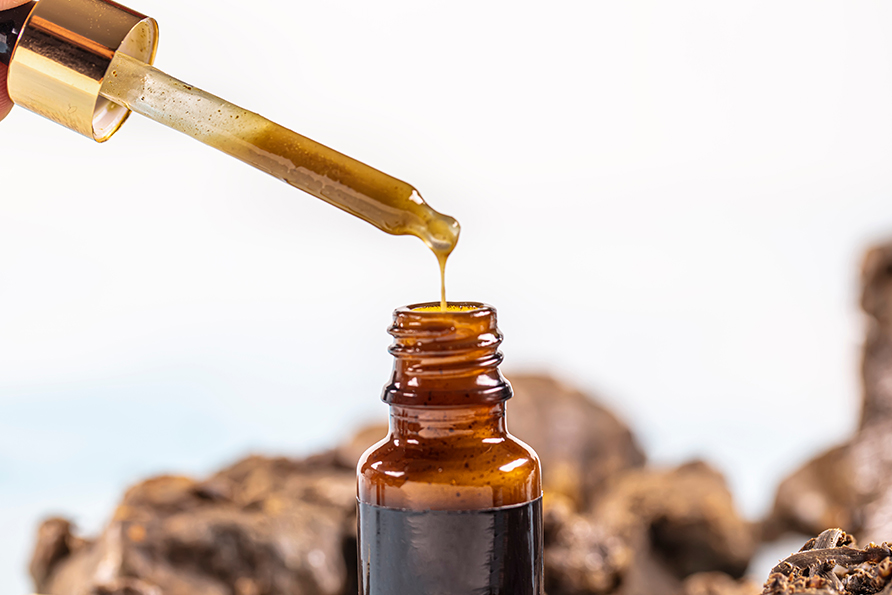
Figure 3: Among the most important aspects to consider when purchasing propolis products are quality as well as the propolis and polyphenol content of the product.
The range of propolis products available on the market is large and includes dietary supplements (e.g. capsules, powders), natural cosmetics (e.g. ointments, shampoos), homeopathic products (e.g. tinctures, drops) as well as lozenges, suppositories, chewable sweets and sprays. Which propolis product is right for you depends, among other things, on your personal preferences and the intended purpose of use.
In any case, before choosing a product you should check the propolis and polyphenol content. Depending on the area and goal of application, a higher or lower concentration may be recommended. The propolis tincture from Unimedica contains 40% propolis extract in high-quality beekeeping grade and is therefore very suitable for natural skin care. The organic propolis drops from Unimedica contain 10% propolis extract, which corresponds to 200 milligrams of propolis, of which 6 milligrams are polyphenols, per daily dose. The water-soluble and alcohol-free drops can be taken as a dietary supplement and to support general wellbeing.
When purchasing a propolis preparation, you should also ensure that it is a high-quality pure natural product. This is also the case with the propolis capsules from Unimedica, which contain 1000 milligrams of propolis extract per daily dose (2 capsules) and allow particularly uncomplicated intake.
How to use propolis products correctly: what to bear in mind
If you wish to take propolis as a dietary supplement, the question of the appropriate dosage arises quickly. As dosing and intake recommendations vary considerably from product to product, it is not possible to give general recommendations here. Instead, consult your treating physician, who can recommend an individually suitable preparation.
When using natural cosmetic products containing propolis, note that they can cause allergic reactions in some people. If you have known allergies to bee or wasp stings, honey or pollen, an allergy test should be carried out first. Apply the propolis product initially to only a small area of skin. If no unpleasant symptoms such as itching or redness occur after a few hours, you can use the product on larger areas.
If you suffer from irritated skin or a rash, you should apply a propolis ointment or cream several times daily to the previously cleansed affected area. For general oral care or for treating irritation and inflammation in the mouth, dilute a few drops of propolis in water and then rinse or gargle with it. Alternatively, you can also use a special propolis mouth spray or a propolis mouthwash.
Possible side effects of propolis
As already mentioned, the use of propolis can, in rare cases, trigger allergic reactions in people sensitive to bee products. Skin contact with propolis then often leads to allergic symptoms such as redness, itchy rashes and swelling. Interactions of propolis with certain medications are also possible. If you are taking, for example, anticoagulant medications or antidepressants, you should use propolis only after medical consultation. As the evidence on the safety of propolis for pregnant and breastfeeding women is currently inadequate, it is advisable to avoid using propolis during pregnancy and lactation.
[1] Farooqui T, Farooqui AA. Beneficial effects of propolis on human health and neurological diseases. Front Biosci (Elite Ed). 2012 Jan 1. https://pubmed.ncbi.nlm.nih.gov/22201913/.
[2] Pasupuleti VR, Sammugam L, Ramesh N, Gan SH. Honey, Propolis, and Royal Jelly: A Comprehensive Review of Their Biological Actions and Health Benefits. Oxid Med Cell Longev. 2017. https://pubmed.ncbi.nlm.nih.gov/28814983/.
[3] Esposito C, Garzarella EU, Bocchino B, D'Avino M, Caruso G, Buonomo AR, Sacchi R, Galeotti F, Tenore GC, Zaccaria V, Daglia M. A standardized polyphenol mixture extracted from poplar-type propolis for remission of symptoms of uncomplicated upper respiratory tract infection (URTI): A monocentric, randomized, double-blind, placebo-controlled clinical trial. Phytomedicine. 2021 Jan. https://pubmed.ncbi.nlm.nih.gov/33091857/.
[4] Oryan A, Alemzadeh E, Moshiri A. Potential role of propolis in wound healing: Biological properties and therapeutic activities. Biomed Pharmacother. 2018 Feb. https://pubmed.ncbi.nlm.nih.gov/29287194/.
[5] Nolkemper S, Reichling J, Sensch KH, Schnitzler P. Mechanism of herpes simplex virus type 2 suppression by propolis extracts. Phytomedicine. 2010 Feb. https://pubmed.ncbi.nlm.nih.gov/19682876/.
[6] Jautová J, Zelenková H, Drotarová K, Nejdková A, Grünwaldová B, Hladiková M. Lip creams with propolis special extract GH 2002 0.5% versus aciclovir 5.0% for herpes labialis (vesicular stage) : Randomized, controlled double-blind study. Wien Med Wochenschr. 2019 May. https://pubmed.ncbi.nlm.nih.gov/30406509/.
[7] Luque-Bracho A, Rosales Y, Vergara-Buenaventura A. The benefits of propolis in periodontal therapy. A scoping review of preclinical and clinical studies. J Ethnopharmacol. 2023 Mar 1. https://pubmed.ncbi.nlm.nih.gov/36400346/.
[8] Varzaghani V, Sharifi M, Hajiaghaee R, Bagheri S, Momtaz S, Tarassoli Z, Razmi A. Propolis add-on therapy alleviates depressive symptoms; A randomized placebo-controlled clinical trial. Phytother Res. 2022 Mar. https://pubmed.ncbi.nlm.nih.gov/35072307/.
Image 1: Bk87/Shutterstock.com, Image 2: Nenadmil/Shutterstock.com, Image 3: Mehmet Cetin/Shutterstock.com

