
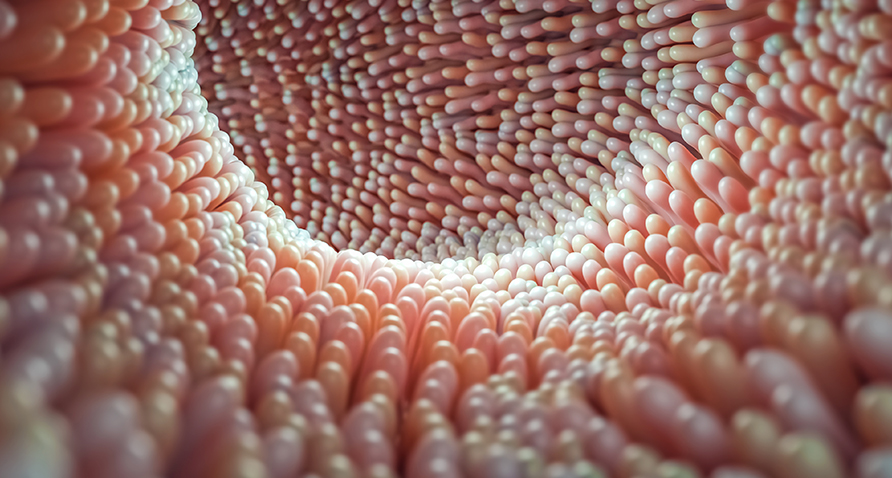
Figure 1: Our gut can do more than just digest. It influences many processes in our body and supports the immune system, nervous system and hormones alike.
The importance of the gut and gut health is becoming increasingly well known and popular. But why is that?
The gut is far more than just the site of digestion and nutrient absorption. It is responsible for many other functions and influences numerous processes in our body. For example, the gut affects our immune system, nervous system and the entire hormonal system. It is no wonder, then, that gut health is becoming an increasingly popular topic in the health sector.
Our gut is colonised by many microbes. Countless and diverse types of microbes are found especially in the large intestine. The entirety of these residents living in our gut is called the gut microbiota or gut flora. It forms a protective layer and is complemented by other protective layers – the intestinal mucosa and the gut-associated immune system.
Some diseases can be linked to the gut microbiota. These include chronic inflammatory bowel diseases, overweight and obesity, but also diabetes mellitus, autoimmune diseases, allergies, asthma, atopic dermatitis and other skin conditions, migraine, Alzheimer’s disease and depression. Even certain personality traits can be associated with the gut microbiota.
Consequently, the gut influences many physiological processes and organs. The gut can therefore be viewed as a key element for holistic health. Below you will find 10 tips on how to strengthen the health of this important organ!
1. Eat your way to health! – A fibre-rich and balanced diet
The basis for a healthy gut is a balanced and as varied as possible diet that is rich in vitamins, minerals and other micronutrients. Dietary fibre is particularly beneficial for gut health because it regulates intestinal motility and adds bulk to the stool.
The fibre contained in foods cannot be digested by our small intestine and therefore reaches the large intestine undigested. There it binds water and swells. This increases stool volume, which shortens the time the stool remains in the bowel. The reason for this is the stimulation of intestinal movements by pressure on the intestinal wall. By increasing stool volume, more and faster pressure is exerted on the intestinal wall and the stool is transported further until it is finally excreted. Plant foods such as legumes, whole grains, vegetables, nuts and seeds are particularly rich in fibre. It is important to pay attention to which fibre-rich foods you tolerate well and which suit you.
2. Let the microbes thrive! Feed them with prebiotic foods
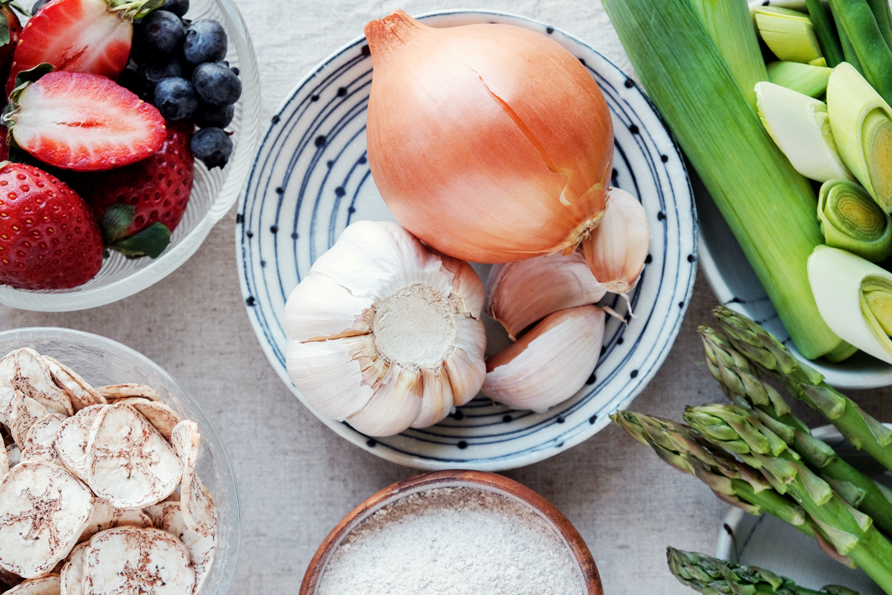
Figure 2: Prebiotic foods promote the growth of beneficial gut bacteria. This strengthens the diversity and stability of the gut microbiota.
Prebiotic foods are indigestible food components that promote the healthy development of gut microbes by increasing the growth and activity of beneficial gut bacteria. Because prebiotics are indigestible, they reach the large intestine intact, where they serve as food for the beneficial bacteria living there. The breakdown of prebiotics produces new health-promoting substances, such as short-chain fatty acids. These serve as an energy source for our intestinal mucosal cells and lower the pH in the gut. This creates an environment that suppresses harmful gut bacteria. The gut microbiota is thus promoted in its diversity and stability. The short-chain fatty acids formed also have anti-inflammatory effects.
Now it is important to know: what are prebiotic foods and where can I find them?
Most prebiotics belong to the group of soluble fibres. One example is inulin, which is found in onions, garlic, bananas, artichokes, chicory and sweet potatoes. Other prebiotics are fructooligosaccharides, which are present in garlic, onions, leeks, asparagus and bananas. Galactooligosaccharides are another group of prebiotics and are found, for example, in green peas, lentils, kidney beans and chickpeas. The beta-glucans found in algae, mushrooms, seaweed and oats also act as prebiotic compounds. Polyphenols also have prebiotic effects and are present, for example, in blueberries. Other foods that can increase your intake of prebiotics include psyllium husk, acacia fibre and tiger nuts.
Have you heard of resistant starch? This forms when you cool starchy foods such as cooked rice, potatoes or pasta. Part of the starch is converted into resistant starch, which your body can no longer use as an energy source, but which serves as food for your beneficial gut bacteria. So you not only save a few calories but also do your gut a favour! By the way, the resistant starch remains present even if you reheat the cooled foods.
3. Probiotics – bacteria that work for your health
That is why you should include probiotic foods such as fermented vegetables, sauerkraut, kimchi, yoghurt, kefir, kombucha or miso in your diet:
Fermentation was traditionally used to preserve foods. Then as now, certain types of bacteria are used to start the fermentation process and are then ingested with the fermented food. The bacteria contained in them reach the gut as living microorganisms and colonise it. They then act alongside the body's own bacteria as “good gut bacteria” and promote a healthy gut microbiota. Probiotics have a positive influence on the immune system, support the gut’s protective barrier function and counteract “bad gut bacteria”.
Fermentation is still practised today, but in industrial production the product is often reheated afterwards, which also kills the beneficial bacteria contained in the food. If you want to buy a probiotic food, it is important to ensure that it has not been heated/pasteurised. Alternatively, you can try fermenting food yourself. (In the book “Meine vegane Speisekammer” by Sylwia Gervais you will, for example, find many recipe ideas for fermenting).
In the field of dietary supplements, many products containing probiotics are on the market. Random use of probiotic supplements is not necessarily recommended. When used sensibly in consultation with a practitioner after a detailed stool analysis, they can, however, be good support for a healthy gut microbiota.
4. Water – our life elixir
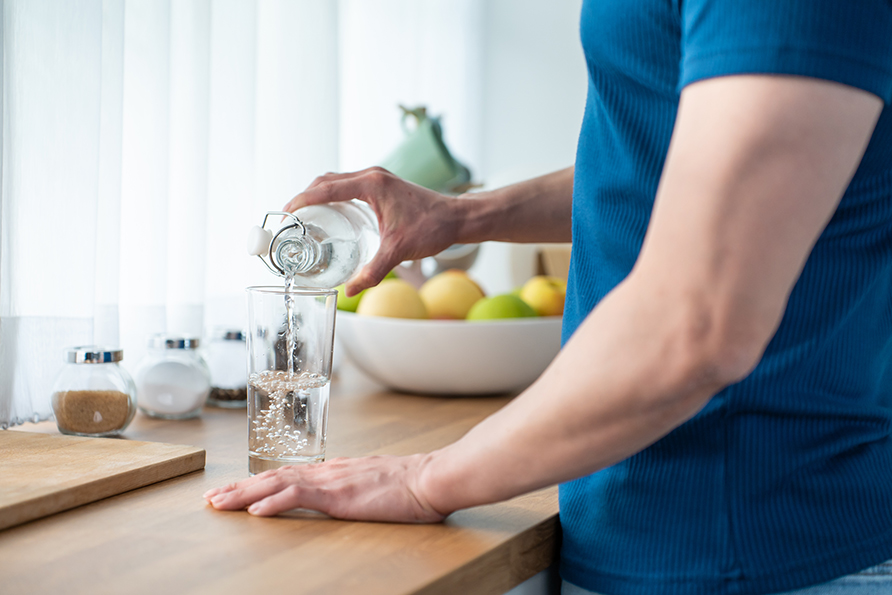
Figure 3: Water is a real giver of life – for us and our gut flora.
Adequate fluid intake (water and unsweetened herbal teas) also contributes to your gut health. Your gut needs water for the swelling of fibre. With the help of water, bulkier and softer stool can be formed, which is easier to transport through the bowel with all its convolutions. Water also supports nutrient absorption by serving as a carrier fluid for digestive enzymes and as a transport aid for nutrients. The intestinal mucosa also needs water to fulfil its protective function, as water is required for mucus production.
Adequate fluid intake supports intestinal motility, promotes digestion, has positive effects on the gut microbiota and helps to eliminate toxins. So drink enough water or unsweetened herbal teas. Adults are recommended to drink two to three litres a day. It is important to factor in physical activity or things like sauna visits and, if necessary, increase fluid intake.
5. Chewing as a key skill – Eating properly
Not only the “what”, but also the “how” of food intake is important. Eating properly has a major impact on our gut health. Thorough and effective chewing increases the production of enzyme-containing saliva and thus improves the digestion of carbohydrates in the mouth. Good chewing also leads to fewer fermentative processes in the gut and therefore to less bloating and abdominal pain. The residence time of the food bolus in the digestive tract is shortened and the nutrients and vital substances from the foods can be better utilised. In addition, your feeling of satiety sets in more quickly if you chew sufficiently and well.
Take your time when eating. Use all your senses and enjoy your meal mindfully. To make that possible, avoid distractions such as smartphones or television during meals.
6. Give yourself a break sometimes – How digestive pauses strengthen gut health
Give your gut time between meals to work and to recover from short periods of high activity. Breaks are essential for your gut, because only during periods without work can cleansing and repair tasks take place. The gut needs time without food intake to reorganise and regenerate so that it is ready again to carry out its tasks at the next meal.
Regeneration leads to a strengthening of the gut’s barrier function. Constant eating overloads your gut. Meal breaks are also necessary for blood sugar regulation and promote a healthy gut microbiota.
7. Get enough sleep!
Our sleep–wake rhythm controls the circadian rhythm and this in turn controls some bodily processes, including gut function. Sleep quality and the sleep–wake rhythm influence gut motility, the gut microbiota and inflammatory reactions. Adequate sleep and good sleep quality therefore have many benefits for our gut health.
Synchronization with the circadian rhythm is promoted, the regeneration of gut cells is improved and inflammation and imbalances are counteracted. So do feel free to get a really good night’s sleep! Pay attention to your sleep hygiene!
8. Take a deep breath – Relaxation and stress management

Figure 4: Good stress management and regular relaxation have anti-inflammatory effects in the gut.
One event follows the next, we feel we cannot do justice to everything, demand to perform more and better… We all know what it feels like when we are really stressed.
And that has an impact on our gut health. We release large amounts of stress hormones that weaken our gut barrier and reduce blood flow to the gut. Stress acts pro-inflammatory, also in the gut. Stress cannot be avoided. What matters is how you deal with it.
Your gut will thank you for good stress management and relaxation! Which techniques you use is not important. What matters is that they do you good and relax you! Whether yin yoga, walking, journaling, breathing techniques, meditation, cold water immersion, strength training, using the sauna or something else…
9. Get moving!
Regular physical activity and exercise keep you fit and healthy! But with movement you not only stimulate your metabolism but also intestinal activity. Exercise increases blood flow to the gut and has a positive effect on the diversity and composition of the gut microbiota. Movement prevents imbalances, supports the immune system and promotes barrier function. Regular physical activity counteracts inflammation and influences our hormonal system. For example, physical fitness supports the balance of hormones involved in regulating appetite and satiety – leptin and ghrelin.
Exercise therefore has many benefits for your gut and your overall health! Even better is exercise that brings you joy. Sport and movement can also be a tool for stress management. This way you can combine two benefits at once.
10. Beware of toxins! – What you should avoid
Of course you already know that sugar is not healthy. But how does sugar consumption affect gut health? Sugar intake impairs the performance of the immune system. One reason for this is that sugar promotes the destruction of the gut flora. You need a healthy gut flora for the absorption of sufficient micronutrients. At the same time, pathogenic – that is, disease-causing – bacteria, fungi and parasites love sugar and feed on it. They can therefore multiply more easily when there is a lot of sugar in the body.
At the same time, our immune system is weakened by sugar consumption. Added to this is the fact that sugar contains no essential micronutrients and therefore the substances required for its metabolism must be taken from the body's existing reserves. That is not a good combination! Try to keep your sugar consumption low. Of course it is fine to enjoy a piece of your favourite chocolate now and then, perhaps just not every day and not in large quantities.
It is not only important to limit the consumption of obviously very sugary foods. Many highly processed industrial products contain a lot of sugar, but also many other harmful substances such as trans fats, additives and preservatives. For the sake of your gut and your health, you should preferably remove highly processed products from your diet entirely or at least reduce them to a minimum!
Conclusion
So you can see – our gut is a fascinating organ that we can support in many ways through our lifestyle and simple habits. A healthy gut is a good foundation for a healthy body. Have you already started to take loving care of your gut? Have fun trying out what suits you and your gut!
About the author
Vivian Zajac holds a degree in health education (B.Sc.) and is a trainee naturopath with a special focus on holistic health and prevention. In a training course to become a gut health consultant, she devoted herself to her passion—gut health—in 2022. In her free time she also engages intensively with topics related to health, naturopathy and biohacking, acquires knowledge and repeatedly experiments on herself. Methods such as breathwork, cold water immersion, strength training, healthy eating and as optimal a supply of micronutrients as possible are a fixed part of her life. Vivian Zajac not only loves to continuously optimise her own health but also to share her knowledge and enthusiasm—both privately and professionally. For her, a holistic view of the person is essential.
Sources:
Literature
Introduction:
Bierbach E. Naturheilpraxis Heute Lehrbuch und Atlas. 13 Digestive tract 579–641. 6th edition 2019. Elsevier GmbH.
Bischoff S. The intestinal microbiome – how it influences us humans. Endo-Praxis. 2017 May; 33(02):85-9.
Enders G. Darm mit Charme – Alles über ein unterschätztes Organ. 17th edition 2024. Ullstein Buchverlage GmbH. 153–270
Johnson KVA. Gut microbiome composition and diversity are related to human personality traits. Hum Microb J 2020; DOI: 10.1016/j.humic.2019.100069. https://www.sciencedirect.com/science/article/pii/S2452231719300181?via%3Dihub Accessed 08.10.2024
Kim N. et al. Correlation between gut microbiota and personality in adults: A cross-sectional study. Brain Behavior and Immunity 2018; 69: 374–385. https://pubmed.ncbi.nlm.nih.gov/29278751/ Accessed 09.10.2024
Mayer EA. Gut feelings: the emerging biology of gut–brain communication. Nat Rev Neurosci. 2011 Jul 13;12(8):453–66. doi: 10.1038/nrn3071. PMID: 21750565; PMCID: PMC3845678. https://www.ncbi.nlm.nih.gov/pmc/articles/PMC3845678/ Accessed 08.10.2024
Zielinski J. “Superkomplex” Mikrobiom. Ernährung & Medizin. 2023; 38:179–183. Thieme.
For tip 1:
Bolte LA, Vich Vila A, Imhann F, Collij V, Gacesa R, Peters V, Wijmenga C, Kurilshikov A, Campmans-Kuijpers MJE, Fu J, Dijkstra G, Zhernakova A, Weersma RK. Long-term dietary patterns are associated with pro-inflammatory and anti-inflammatory features of the gut microbiome. Gut. 2021 Jul;70(7):1287–1298. DOI: 10.1136/gutjnl-2020-322670. https://gut.bmj.com/content/70/7/1287 Accessed 08.10.2024
Conlon MA, Bird AR. The impact of diet and lifestyle on gut microbiota and human health. Nutrients 2014; 7: 17–44 DOI: 10.3390/nu7010017. https://www.mdpi.com/2072-6643/7/1/17 Accessed 08.10.2024
For tip 2:
Fachgesellschaft für Ernährungstherapie und Prävention (FET). Resistant starch: A hidden ally of gut health. 2024. https://fet-ev.eu/resistente-staerke/ Accessed 10.10.2024
Gervais S. Meine vegane Speisekammer – Gesunde Vorräte einfach selbst machen. 2022. Hölker Verlag. pp. 72 ff.
Macfarlane GT, Steed H, Macfarlane S, Bacterial metabolism and health-related effects of galacto-oligosaccharides and other prebiotics, Journal of Applied Microbiology, Volume 104, Issue 2, 1 February 2008, Pages 305–344, https://doi.org/10.1111/j.1365-2672.2007.03520.x https://academic.oup.com/jambio/article/104/2/305/6718888?login=false Accessed 08.10.2024
Roberfroid M, Gibson GR, Hoyles L, et al. Prebiotic effects: metabolic and health benefits. British Journal of Nutrition. 2010;104(S2):S1–S63. doi:10.1017/S0007114510003363 https://www.cambridge.org/core/journals/british-journal-of-nutrition/article/prebiotic-effects-metabolic-and-health-benefits/F644C98393E2B3EB64A562854115D368 Accessed 08.10.2024
Wang S, Xiao Y, Tian F, Zhao J, Zhang H, Zhai Q, et al. Rational use of prebiotics for gut microbiota alterations: Specific bacterial phylotypes and related mechanisms. Journal of Functional Foods. 2020 Mar;66:103838. https://www.sciencedirect.com/science/article/pii/S1756464620300621 Accessed 09.10.2024
For tips 2 and 3:
Bengmark S. Integrative medicine and human health - the role of pre-, pro- and synbiotics. Clin Transl Med. 2012 May 28;1(1):6. doi: 10.1186/2001-1326-1-6. PMID: 23369440; PMCID: PMC3552567. https://www.ncbi.nlm.nih.gov/pmc/articles/PMC3552567/ Accessed 08.10.2024
Bischoff SC, Köchling K. Pro- und Präbiotika. Aktuelle Ernährungsmedizin 2012; 37(05): 287–306. Thieme
Douglas LC, Sanders ME. Probiotics and prebiotics in dietetics practice. J Am Diet Assoc. 2008 Mar;108(3):510–21. doi: 10.1016/j.jada.2007.12.009. Erratum in: J Am Diet Assoc. 2008 Aug;108(8):1381. PMID: 18313433. https://pubmed.ncbi.nlm.nih.gov/18313433/ Accessed 08.10.2024
Markowiak P, Śliżewska K. Effects of Probiotics, Prebiotics, and Synbiotics on Human Health. Nutrients. 2017 Sep 15;9(9):1021. https://www.ncbi.nlm.nih.gov/pmc/articles/PMC5622781/ Accessed 09.10.2024
For tip 3:
Maftei NM, Raileanu CR, Balta AA, Ambrose L, Boev M, Marin DB, et al. The Potential Impact of Probiotics on Human Health: An Update on Their Health-Promoting Properties. Microorganisms. 2024 Jan 23;12(2):234. https://www.ncbi.nlm.nih.gov/pmc/articles/PMC10891645/ Accessed 09.10.2024
For tip 4:
Barry M Popkin, Kristen E D'Anci, Irwin H Rosenberg, Water, hydration, and health, Nutrition Reviews, Volume 68, Issue 8, 1 August 2010, Pages 439–458, https://doi.org/10.1111/j.1753-4887.2010.00304.x https://www.ncbi.nlm.nih.gov/pmc/articles/PMC2908954/ Accessed 08.10.2024
Vanhaecke T, Bretin O, Poirel M, Tap J. Drinking water source and intake are associated with distinct gut microbiota signatures in US and UK populations. The Journal of Nutrition, Volume 152, Issue 1, January 2022, Pages 171–182 https://www.ncbi.nlm.nih.gov/pmc/articles/PMC8754568/ Accessed 08.10.2024
For tip 5:
Miquel-Kergoat S, Azais-Braesco V, Burton-Freeman B, Hetherington MM. Effects of chewing on appetite, food intake and gut hormones: A systematic review and meta-analysis. Physiol Behav. 2015 Nov 1;151:88–96. doi: 10.1016/j.physbeh.2015.07.017. Epub 2015 Jul 15. PMID: 26188140. https://www.sciencedirect.com/science/article/pii/S0031938415300317?via%3Dihub Accessed 09.10.2024
For tips 6 and 7:
Alexandre Martchenko, Sarah E Martchenko, Andrew D Biancolin, Patricia L Brubaker, Circadian Rhythms and the Gastrointestinal Tract: Relationship to Metabolism and Gut Hormones, Endocrinology, Volume 161, Issue 12, December 2020, bqaa167, https://doi.org/10.1210/endocr/bqaa167 https://academic.oup.com/endo/article/161/12/bqaa167/5909225?login=false Accessed 08.10.2024
For tip 8:
Enders G. Darm mit Charme – Alles über ein unterschätztes Organ. 17th edition 2024. Ullstein Buchverlage GmbH. pp. 141 ff.
For tip 9:
Min L, Ablitip A, Wang R, Luciana T, Wei M, Ma X. Effects of Exercise on Gut Microbiota of Adults: A Systematic Review and Meta-Analysis. Nutrients. 2024 Apr 5;16(7):1070. doi: 10.3390/nu16071070. PMID: 38613103; PMCID: PMC11013040.https://www.ncbi.nlm.nih.gov/pmc/articles/PMC11013040/ Accessed 08.10.2024
Monda V, Villano I, Messina A, Valenzano A, Esposito T, Moscatelli F, Viggiano A, Cibelli G, Chieffi S, Monda M, Messina G. Exercise Modifies the Gut Microbiota with Positive Health Effects. Oxid Med Cell Longev. 2017;2017:3831972. DOI: 10.1155/2017/3831972. https://www.ncbi.nlm.nih.gov/pmc/articles/PMC5357536/ Accessed 08.10.2024
For tip 10:
Satokari R. High intake of sugar and the balance between pro- and anti-inflammatory gut bacteria. Nutrients 2020; 12: 1348 DOI: 10.3390/nu12051348. https://www.mdpi.com/2072-6643/12/5/1348 Accessed 09.10.2024
Martinez JE, Kahana DD, Ghuman S, Wilson HP, Wilson J, Kim SCJ, Lagishetty V, Jacobs JP, Sinha-Hikim AP, Friedman TC. Unhealthy Lifestyle and Gut Dysbiosis: A Better Understanding of the Effects of Poor Diet and Nicotine on the Intestinal Microbiome. Front Endocrinol (Lausanne). 2021 Jun 8;12:667066. doi: 10.3389/fendo.2021.667066. PMID: 34168615; PMCID: PMC8218903. https://www.ncbi.nlm.nih.gov/pmc/articles/PMC8218903/ Accessed 09.10.2024 (also for tips 1 and 9)
Recommended reading:
Enders G. Darm mit Charme – Alles über ein unterschätztes Organ. 17th edition 2024. Ullstein Buchverlage GmbH.
Hasler G. Die Darm-Hirn-Connection. 2020. Klett-Cotta.
Katz SE. The Art of Fermentation – an in-depth exploration of essential concepts and processes from around the world. 2012. Chelsea: Chelsea Green Publishing.
Image 1: MattL_Images/Shutterstock.com, Image 2: SewCreamStudio/Shutterstock.com, Image 3: Hananeko_Studio/Shutterstock.com, Image 4: fizkes/Shutterstock.com

