

Figure 1: Magnesium L-threonate is to date the only known magnesium compound capable of crossing the blood–brain barrier. The unique neuro-magnesium has recently become available in the EU.
Until now, magnesium L-threonate was not authorised as a food in the European Union. This is now changing following a decision by the European Commission permitting the sale of magnesium L-threonate in the form of the branded raw material Magtein® as a novel food in the EU from November 2024. Magnesium L-threonate is a special form of magnesium that has the ability to cross the blood–brain barrier. In this blog article you can read more about the effects and potential uses of this fascinating neuro-magnesium. You will also find further information on the authorisation of magnesium L-threonate (Magtein®) as a novel food and on possible side effects.
What is magnesium L-threonate?
Magnesium L-threonate (MgT) is a special form of magnesium developed by researchers at the Massachusetts Institute of Technology (MIT). The compound consists of magnesium and L-threonic acid, a degradation product of ascorbic acid (vitamin C). The combination of magnesium and L-threonic acid gives magnesium L-threonate a unique molecular structure that allows it to efficiently pass the blood–brain barrier and thereby reach neurons in the brain. As it can help increase magnesium concentration in the central nervous system, magnesium L-threonate is sometimes referred to as neuro-magnesium.
How does magnesium L-threonate differ from other forms of magnesium?
To date, more than ten magnesium compounds are known, each with different properties, benefits and bioavailabilities. For example, magnesium chloride is readily absorbed through the skin and is therefore often used topically. Magnesium glycinate is appreciated by people with sensitive stomachs because it is considered particularly well tolerated and has little laxative effect.
Magnesium L-threonate is the most recently developed magnesium formulation specifically designed to support brain health and cognitive function. It is currently the only known magnesium compound proven to be able to cross the blood–brain barrier. In addition, magnesium L-threonate is well absorbed by the digestive system and scores highly for overall bioavailability.
From November 2024: Novel food authorisation in the EU for the branded raw material Magtein®
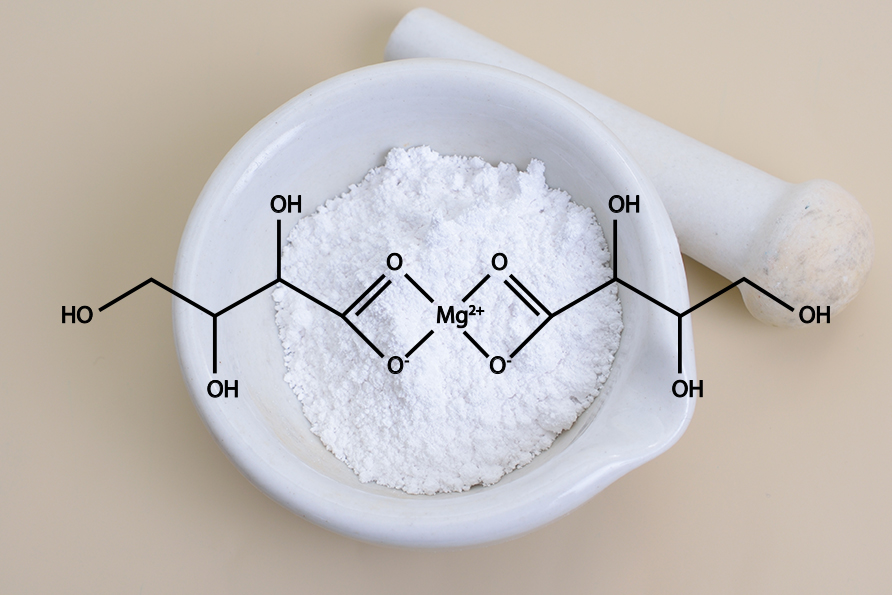
Figure 2: As a novel food, magnesium L-threonate (Magtein®) may be sold in the EU as a food supplement from 7 November 2024.
On 17 October 2024 the European Commission issued Implementing Regulation (EU) 2024/2694, which authorises the placing on the market of magnesium L-threonate (Magtein®) as a novel food.[1] Products containing Magtein® – a patented, tested form of magnesium L-threonate – may be marketed in the EU from 7 November 2024. In general, the term “novel foods” refers to foods or ingredients that were not used to a significant degree for human consumption in the EU before 15 May 1997. Foods imported or developed later must undergo a strict approval procedure in the interest of consumer protection before they may be sold. Besides magnesium L-threonate, examples of novel foods include collagen, chia seeds and various insect products.
On 30 January 2024 the European Food Safety Authority (EFSA) confirmed in an opinion that magnesium L-threonate is safe under the proposed conditions of use and constitutes a bioavailable source of magnesium.[2] EFSA assumes exclusive use of magnesium L-threonate as a food supplement for adults. The authority advises pregnant and breastfeeding women against taking Magtein®.
Effects and potential applications of magnesium L-threonate
Magnesium L-threonate is considered particularly promising for brain health. However, as it is a relatively newly developed magnesium compound, few clinical studies on its efficacy have been carried out so far. Below we present selected conditions for which studies have shown positive effects following the use of magnesium L-threonate.
Neurodegenerative diseases
Although further clinical studies are needed to confirm the efficacy and safety of magnesium L-threonate in neurodegenerative diseases such as dementia or Alzheimer’s, early research in this area has produced promising results. In animal studies with mice modelling Alzheimer’s disease, treatment with magnesium L-threonate led to a reduction in β-amyloid plaques in the brain and protected against synaptic and memory loss.[3]
An open-label pilot study investigated the effects of magnesium L-threonate in older adults with mild to moderate dementia. After a twelve-week treatment period, improvements in cognitive function and brain activity were observed.[4] It is suspected that magnesium L-threonate may not only help preserve cognitive abilities but also slow brain ageing and improve overall memory performance. This was also shown in a landmark placebo-controlled double-blind study published in December 2022 in the journal Nutrients.[5] In the study, 109 healthy Chinese adults received either two grams of Magtein® or a placebo daily for one month. Participants who took the magnesium L-threonate preparation scored higher in standardized cognitive tests compared with the placebo group. Notably, cognitive performance improved significantly with magnesium L-threonate intake, particularly among the older study participants.
Anxiety and stress
Magnesium plays an important role in the regulation of neurotransmitters such as GABA (gamma-aminobutyric acid), which can have calming effects. The mineral exerts a relaxing effect on the nervous system, which can contribute to reduced stress and anxiety. Many people also report that magnesium helps them relax and fall asleep more quickly. The calming and potentially anxiolytic effects of magnesium in general and magnesium L-threonate in particular have been confirmed in several animal studies.[6] Experiments with rats also point to a possible antidepressant effect of magnesium L-threonate.[7] However, larger clinical trials are needed to determine the extent to which people suffering from anxiety and stress may benefit from taking magnesium L-threonate.
Chronic pain
Many researchers believe that magnesium L-threonate may be useful for reducing chronic pain. Among other things, the use of the neuro-magnesium for neuropathic pain that typically occurs after chemotherapy is discussed. It is assumed that such pain is primarily due to reduced magnesium levels. Accordingly, it may be sensible to administer magnesium L-threonate preventively before chemotherapy.
A study conducted at a tertiary hospital in Shanghai also examined the potential pain-relieving effects of magnesium L-threonate in cancer patients. The study participants were exclusively patients with advanced cancer receiving opioid therapy. Subjects were randomised into two groups: one group received oral magnesium L-threonate in addition to opioid therapy, the other group received a placebo. The results showed that the group taking magnesium L-threonate experienced significantly better pain relief and subsequently required a lower opioid dose than the placebo group. The required opioid dose adjustment was significantly smaller in the magnesium group than in the placebo group.[8]
Does magnesium L-threonate occur in natural foods?
Magnesium L-threonate is a synthetically produced magnesium compound specifically developed to improve magnesium uptake in the brain. Consequently, the substance does not occur in natural foods. However, you can increase your magnesium levels through diet by choosing foods high in magnesium. These include:
- Nuts and seeds (e.g. cashews, almonds, pumpkin seeds)
- Wholegrain products (e.g. oats, wholemeal bread, quinoa, brown rice)
- Green leafy vegetables (e.g. spinach, chard, kale)
- Fish (e.g. salmon, mackerel)
- Pulses (e.g. chickpeas, beans, lentils)
- Dark chocolate
It is also advisable to consume coffee only in moderate amounts and with about a two-hour gap before or after a magnesium-rich meal. The diuretic effect of caffeine can be associated with increased excretion of minerals, including magnesium.[9]
Magnesium L-threonate as a food supplement
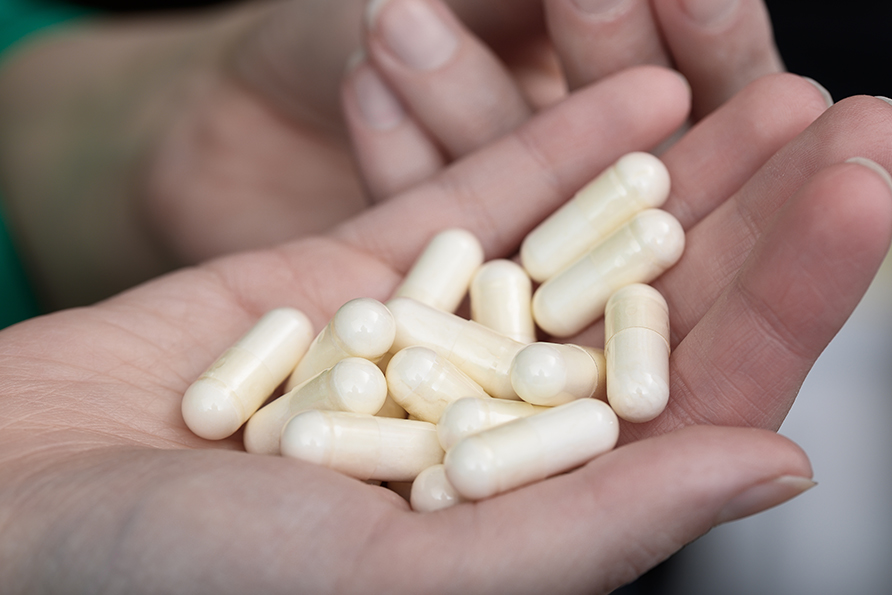
Figure 3: When buying a magnesium L-threonate product, you should make sure that the patented and clinically tested branded raw material Magtein® is included.
If you are considering taking magnesium L-threonate as a food supplement, you can choose from capsules, tablets, powders and specialised solutions. Regardless of the form you opt for, it is important to pay attention to certain points when purchasing. First, you should ensure that the product contains the branded raw material Magtein®. Magnesium L-threonate products that do not contain Magtein® have not been clinically tested and are not officially authorised for sale in the EU.
You should also check the magnesium content of the product you choose. According to the new EU regulation, 250 milligrams of elemental magnesium from the compound magnesium L-threonate are authorised. This corresponds to approximately 3,472 milligrams of the raw material Magtein®. The ideal daily dose for you depends, among other things, on your general health status and your specific goals. If you have not previously taken magnesium L-threonate, it is advisable to start with a low dose and increase it slowly if necessary. Many people prefer to take magnesium L-threonate in the evening to benefit from the calming and potentially sleep-promoting effects of the mineral.
Possible side effects and contraindications of magnesium L-threonate
Magnesium L-threonate is generally well tolerated and considered safe when taken at recommended dosages. Due to its calming properties, drowsiness and fatigue are possible side effects. In cases of overdose, diarrhoea, nausea and abdominal cramps may occur, which are attributable to magnesium’s mild laxative effect.[10]
There are also some groups of people who should not take magnesium or should do so only after consulting a doctor. These include, in addition to pregnant and breastfeeding women, people with kidney disease. Impaired kidney function can lead to excess magnesium in the body, which can cause muscle weakness and, in the worst case, even heart rhythm disturbances. People with low blood pressure and those taking medications such as antibiotics or blood pressure drugs should consult their treating physician before taking magnesium L-threonate.
[1] Food Compliance International: Commission authorises magnesium L-threonate as a novel food. 2024 Oct 18. https://foodcomplianceinternational.com/industry-insight/news/4828-commission-authorizes-magnesium-l-threonate-as-a-novel-food (accessed: 06.11.2024).
[2] EFSA (2024): Safety of magnesium l‑threonate as a novel food pursuant to regulation (EU) 2015/2283 and bioavailability of magnesium from this source in the context of Directive 2002/46/EC. January 2024. https://www.efsa.europa.eu/en/efsajournal/pub/8656 (accessed: 06.11.2024).
[3] Li W, Yu J, Liu Y, Huang X, Abumaria N, Zhu Y, Huang X, Xiong W, Ren C, Liu XG, Chui D, Liu G. Elevation of brain magnesium prevents synaptic loss and reverses cognitive deficits in Alzheimer's disease mouse model. Mol Brain. 2014 Sep 13. https://pubmed.ncbi.nlm.nih.gov/25213836/.
[4] Wroolie TE, Watson K, Chen K, Balzafiore D, Reiman E, Rasgon N. OPEN LABEL TRIAL OF MAGNESIUM L-THREONATE IN PATIENTS WITH DEMENTIA. Innov Aging. 2017 Jun 30. https://pmc.ncbi.nlm.nih.gov/articles/PMC6242385/.
[5] Zhang C, Hu Q, Li S, Dai F, Qian W, Hewlings S, Yan T, Wang Y. A Magtein®, Magnesium L-Threonate, -Based Formula Improves Brain Cognitive Functions in Healthy Chinese Adults. Nutrients. 2022 Dec 8. https://pubmed.ncbi.nlm.nih.gov/36558392/.
[6] Abumaria N, Yin B, Zhang L, Li XY, Chen T, Descalzi G, Zhao L, Ahn M, Luo L, Ran C, Zhuo M, Liu G. Effects of elevation of brain magnesium on fear conditioning, fear extinction, and synaptic plasticity in the infralimbic prefrontal cortex and lateral amygdala. J Neurosci. 2011 Oct 19. https://pubmed.ncbi.nlm.nih.gov/22016520/.
[7] Chen Y, Zhang Y, Lin W, Tang Y, Chen L, Gao Y, Gao G, Luo X, Chen A, Lin C. Role of magnesium-L-Threonate in alleviating skin/muscle incision and retraction induced mechanical allodynia and anxiodepressive-like behaviors in male rats. Brain Res. 2023 Oct 15. https://pubmed.ncbi.nlm.nih.gov/37406874/.
[8] Wu S, Jin T, Ma B, Ji Y, Huang X, Wang P, Liu X, Krylov BV, Liu X, Ma K. Oral application of magnesium-L-threonate enhances analgesia and reduces the dosage of opioids needed in advanced cancer patients-A randomized, double-blind, placebo-controlled trial. Cancer Med. 2023 Feb. https://pubmed.ncbi.nlm.nih.gov/36703238/.
[9] DGE (January 2022): Selected questions and answers on magnesium. https://www.dge.de/fileadmin/dok/gesunde-ernaehrung/faq/DGE-FAQ-Magnesium-2022.pdf (accessed: 06.11.2024).
[10] National Institutes of Health Office of Dietary Supplements. Magnesium: Fact sheet for health professionals. https://ods.od.nih.gov/factsheets/Magnesium-HealthProfessional/ (accessed: 06.11.2024).
Image 1: earth phakphum/Shutterstock.com, Image 2: spline_x/Shutterstock.com, Image 3: PawelKacperek/Shutterstock.com

