
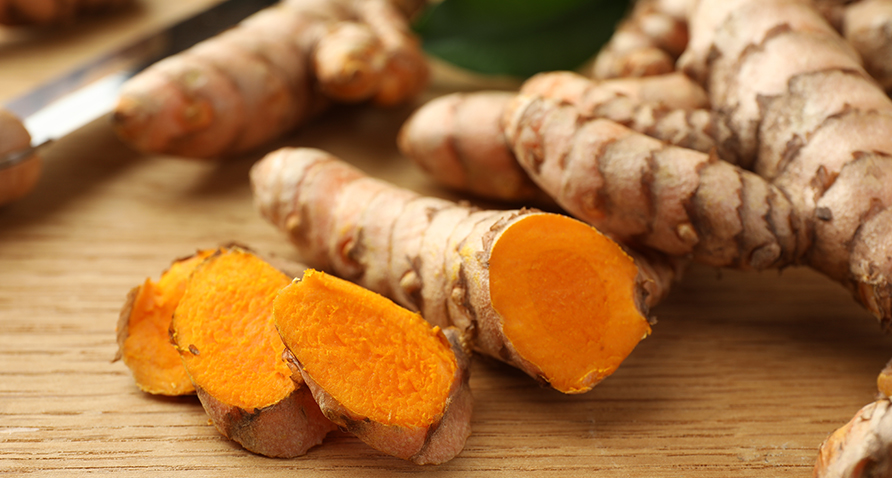
Figure 1: Turmeric is often counted among the "superfoods" because of its many health-promoting properties. Among other effects, the plant acts as an antioxidant and has anti-inflammatory properties.
Turmeric is rightly considered a true "power root": the colourful spice and traditional Ayurvedic remedy scores with many health-promoting properties. As a member of the ginger family, the plant has anti-inflammatory, detoxifying and antioxidant effects. In this blog article you will learn how turmeric differs from the active ingredient curcumin, how turmeric works in the body, and what to look for when choosing a turmeric product.
What is turmeric?
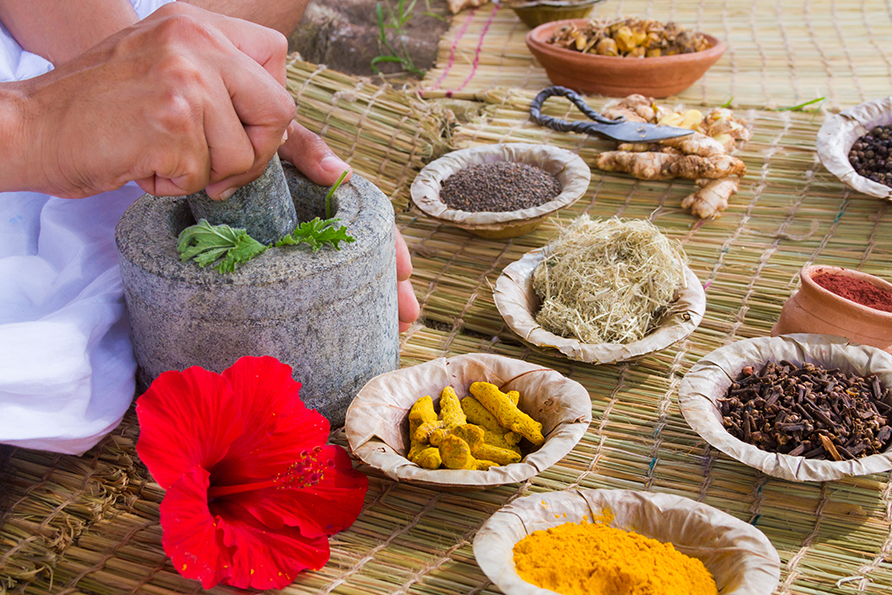
Figure 2: In the Indian healing art of Ayurveda, turmeric has been used and revered as a medicinal plant for thousands of years.
The origins of turmeric — also called yellow root or saffron root — lie in India and Southeast Asia. The herbaceous plant belongs to the ginger family and also grows naturally in places such as Thailand and China as well as on Java and Sumatra. There are about one hundred species within the genus Curcuma, with Curcuma longa being the best-known variety. The plant thrives at temperatures between 20 and 30 degrees Celsius and with sufficient rainfall. Turmeric can reach heights of up to one metre. Its underground, orange rhizome stores particularly many valuable nutrients. The rhizomes are processed fresh or ground as a spice or dye.
In Ayurveda and in TCM (Traditional Chinese Medicine), turmeric has been used for millennia as a remedy, including for gastrointestinal complaints. Marco Polo mentioned the spice for the first time in one of his travel journals in the early 12th century. In the 13th century, turmeric reached Europe from China via India along the Silk Road. Since then the exotic plant has been very popular here as well and is often classified as a "superfood" because of its valuable constituents and properties.
Turmeric and curcumin: what is the difference?
When people refer to turmeric, they usually mean the whole turmeric root. More than 300 different substances are stored in turmeric. In addition to resins, proteins, sugars and essential oils, the root contains the active ingredient curcumin in a small proportion of two to five per cent. Curcumin belongs to the group of curcuminoids and gives turmeric its characteristic golden-yellow to orange colour. The valuable plant compound is used as an ingredient in curry blends and as an additive to colour foods such as mustard or margarine.
However, because curcumin is not water-soluble, only a small proportion passes from the digestive tract into the bloodstream. Intake of curcumin through the diet — for example as part of curry mixes containing turmeric — therefore only occurs in small amounts. It can therefore be sensible to take dietary supplements containing turmeric in which curcumin is present in concentrated and highly dosed form.
Turmeric and its health effects

Figure 3: Turmeric is used, among other things, for digestive complaints and for the prevention and alleviation of chronic inflammation.
The effects of the turmeric constituent curcumin have already been investigated in numerous studies. It should be emphasised, however, that a large proportion of these investigations were cell culture and animal studies. Clinical trials researching the effects of curcumin in humans are far less common, which is why some of the health-promoting effects attributed to curcumin have not yet been unequivocally proven by studies.
Nevertheless, it is undisputed that turmeric can have a variety of positive effects on health, among other things due to its antioxidant and anti-inflammatory properties. Below we present some of the most important indications and modes of action of turmeric and curcumin:
Gastrointestinal complaints
One of the most popular and oldest uses of turmeric is for digestive complaints. That turmeric can relieve mild gastrointestinal issues such as an unpleasant feeling of fullness after eating, sluggish bowels or bloating is confirmed, among others, by the Committee on Herbal Medicinal Products (HMPC) of the European Medicines Agency.[1] Turmeric stimulates digestion by promoting the formation of digestive juices. Turmeric also supports overall gut health by having a positive effect on the gut flora.
In addition, a study with mice found that intestinal inflammation could be prevented when the mice were given curcumin five days prior to exposure to the bowel-damaging agent. The study results at least suggest that curcumin could exert the same gut-protective effect in humans and thus contribute to the prevention of intestinal inflammation.
Gallbladder and fat digestion
Turmeric can stimulate bile flow and improve fat digestion. In a randomised study, 12 healthy subjects were given synthetic curcumin at doses of 20 mg, 40 mg and 80 mg. After two hours the average gallbladder contraction was 34% (20 mg), 51% (40 mg) and 72% (80 mg). A significant increase in bile flow in the participants was also observed.[2]
Functional disorders of the gallbladder (gallbladder dyskinesias) are typically characterised by impaired and slowed bile flow. Here too, the use of turmeric can be sensible. Severe pain that often occurs after consuming fatty meals in gallbladder dyskinesia can be avoided by an accelerated bile flow. Turmeric is also capable of helping to prevent the formation of gallstones.
Anti-inflammatory properties
Turmeric is frequently noted for its ability to inhibit and prevent inflammation. In fact, curcumin can have strong anti-inflammatory effects by acting on key biomolecules of inflammatory signalling pathways.
Chronic inflammatory processes in the body are usually measured by so-called CRP levels. The higher the CRP level, the higher the risk of chronic inflammation (e.g. rheumatic diseases, Crohn’s disease) or cardiovascular diseases (e.g. arteriosclerosis). In a meta-analysis, participants were asked to take curcumin daily for more than four weeks, after which the participants’ CRP levels dropped significantly.[3]
Antioxidant properties
Turmeric is not only an excellent anti-inflammatory agent but also an antioxidant.[4] On an immunological level, the plant can support the body’s defences and the normal function of the immune system. Already a six-week intake is sufficient to reduce the amount of free radicals in the body and at the same time increase antioxidant levels (SOD, glutathione).[5]
Osteoarthritis
Because of its pain-relieving and generally healing effects, turmeric is often used to treat osteoarthritis. Patients benefit from the antioxidant and anti-inflammatory properties of the turmeric plant, which complement and reinforce each other. This was demonstrated, among other things, by a randomised, double-blind, placebo-controlled study conducted with 40 people suffering from mild to moderate knee osteoarthritis. For six weeks the participants took a preparation containing 1500 mg of curcumin daily (in three doses) or a placebo. Afterwards the group that had taken curcumin not only reported less pain but was overall more mobile than the placebo group.[6]
In another study conducted in 2014, it was again shown that turmeric/curcumin can achieve effects similar to a painkiller. The study divided 367 knee osteoarthritis patients into two groups. One group took 1500 mg of curcumin daily for one month, the other 1200 mg of ibuprofen. Both groups experienced significant pain relief.[7] Although these results are promising, curcumin should always be taken by osteoarthritis patients only as a complement to a comprehensive and holistic treatment concept.
Reduction of cholesterol levels
Taking turmeric supplements as an adjunct to therapy aiming to lower cholesterol levels can be sensible. In one study, 100 participants took a daily dose of 1000 mg of curcumin for two months. After eight weeks, the participants’ cholesterol and blood lipid levels had decreased significantly.[8] Due to its ability to lower cholesterol, regulate blood lipids and act as an antioxidant, turmeric can also help reduce the risk of stroke and heart attack.
Dietary supplements with turmeric
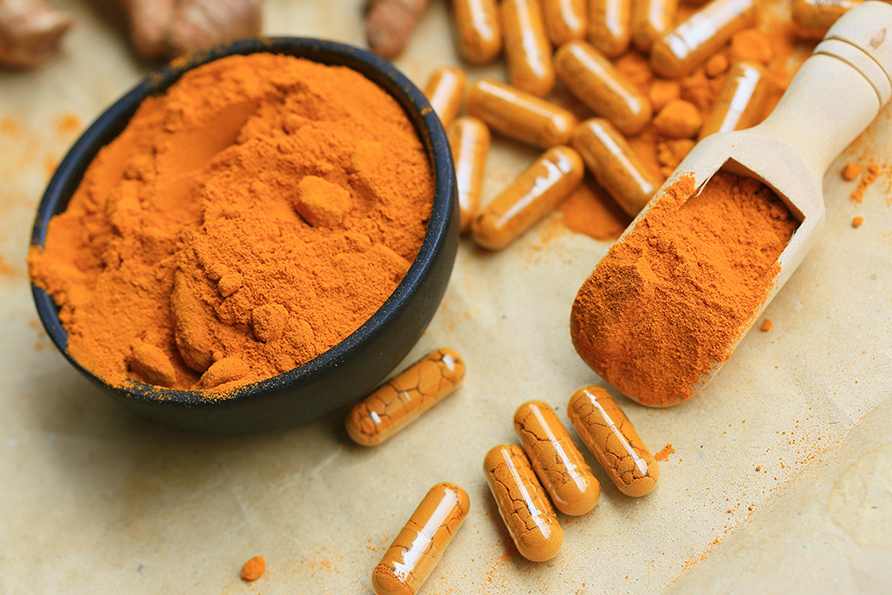
Figure 4: Turmeric and curcumin products are available as capsules, drops or powders.
If you wish to take turmeric as a dietary supplement, you can choose from a wide range of available products. Turmeric capsules typically contain turmeric powder or an extract with a particularly high curcumin content. In addition, turmeric and curcumin are also available in powder or drop form. In any case, make sure that the raw materials used in the products are organically produced and do not contain any concerning additives.
Because curcumin is fat-soluble, it is normally difficult for the body to absorb. Accordingly, the aspect of bioavailability is particularly relevant when buying a turmeric product. The Curcumin Oil Capsules from Unimedica consist of liquid Curcumin Novasol®. The patented formula provides a 185-fold increase in the bioavailability of the extract compared with other powdered turmeric products.
Some products also contain additional natural substances that increase the bioavailability of curcumin. A particularly popular combination is turmeric with black pepper. Black pepper contains large amounts of piperine. This valuable plant compound helps the body to better absorb and process the curcuminoids contained in turmeric. Corresponding products are available in different dosages. The Turmeric with Piperine capsules from Unimedica, for example, contain 300 mg curcuminoids and 10 mg piperine, while the Turmeric Forte with black pepper capsules from Unimedica are more highly dosed with 450 mg curcuminoids and 19 mg piperine.
Another important criterion when choosing a turmeric supplement is the quality and purity of the ingredients. For example, the Organic Turmeric Powder from Unimedica contains only pure turmeric powder in raw food quality. Turmeric powder is versatile. It is suitable for flavouring rice dishes, soups or smoothies and can also be used to prepare "golden milk" (also called a "turmeric latte"). If you prefer to take the spices turmeric, ginger and black pepper in capsule form rather than as a milk drink, you should choose products such as the Organic Turmeric & Ginger with Organic Black Pepper capsules from Unimedica.
How should turmeric be taken?
Because turmeric is a fat-soluble substance, it is best taken with a meal containing fat. Turmeric capsules are usually taken once daily, swallowed whole with plenty of liquid. If the products are highly dosed, however, a multi-day interval between individual doses may be sensible. Follow the manufacturer's recommended intake and, if necessary, consult your doctor to find a suitable regimen. In general, it is advisable to start with a lower dose and first observe how well you tolerate the curcumin. If tolerated well, the dose can then be gradually increased.
Possible side effects of turmeric
As a spice, turmeric is considered safe for healthy people and can be regularly incorporated into the diet without concern. Only at very high doses does it occasionally cause unwanted side effects such as bloating, diarrhoea or nausea.
The risk of overdose from turmeric is also low. As a 2018 review notes, apart from occasional gastrointestinal complaints, even a very high daily dose of 6 g of curcumin over four to seven weeks is not expected to cause adverse side effects.[9] To ensure safe intake, the European Food Safety Authority (EFSA) recommends not consuming more than 3 mg of curcumin per kilogram of body weight per day.[10]
Who should avoid taking turmeric?
There are some groups of people who should not take turmeric supplements. These include people with an allergy to curcumin and people with gallstones. While turmeric is very suitable for preventing gallstones, its use is not recommended if gallstones have already formed. Because curcumin stimulates bile flow, there is otherwise a risk of biliary colic.
Also exercise caution if you are taking medications at the same time. Curcumin can interact with liver enzymes and thus affect the efficacy of drugs. In particular, when taking anticoagulants, chemotherapeutic agents or medications for liver diseases, turmeric should be taken only after medical consultation. As the data on this is still incomplete, pregnant and breastfeeding women should likewise avoid turmeric-containing dietary supplements as a precaution.
[1] EMA (2019). Turmeric: Summary for the public. https://www.ema.europa.eu/en/documents/herbal-summary/turmeric-summary-public_en.pdf (accessed: 18/04/2024).
[2] Rasyid, A., Rahman, A. R. A., Jaalam, K., and Lelo, A. (2002). Effect of different curcumin dosages on human gall bladder. Asia Pacific Journal of Clinical Nutrition 11.
[3] Panahi Y et al. (2016). Effects of curcumin on serum cytokine concentrations in subjects with metabolic syndrome: A post-hoc analysis of a randomised controlled trial. Biomedicine & Pharmacotherapy.
[4] Hewlings, S. J. and Kalman, D. S. (2017). Curcumin: A Review of Its Effects on Human Health.
[5] Panahi Y et al. (2015). Antioxidant and anti-inflammatory effects of curcuminoid-piperine combination in subjects with metabolic syndrome: A randomised controlled trial and an updated meta-analysis. Clinical Nutrition.
[6] Panahi Y et al. (2014). Curcuminoid treatment for knee osteoarthritis: a randomised double-blind placebo-controlled trial. Phytotherapy Research.
[7] Kuptniratsaikul V et al. (2014). Efficacy and safety of Curcuma domestica extracts compared with ibuprofen in patients with knee osteoarthritis: a multicenter study, Clinical Interventions in Aging.
[8] Panahi Y et al. (2014). Lipid-modifying effects of adjunctive therapy with curcuminoids—controlled trial. Complementary Therapies in Medicine.
[9] Soleimani V et al. (2018). Turmeric (Curcuma longa) and its major constituent (curcumin) as nontoxic and safe substances: Review. Phytotherapy Research.
[10] BfR (2021). Curcumin in dietary supplements: The health-acceptable daily intake can be exceeded. Opinion No. 040/2021 of the BfR.
Image 1: New Africa/Shutterstock.com, Image 2: Nila Newsom/Shutterstock.com, Image 3: Kmpzzz/Shutterstock.com, Image 4: Thanthima Limsakul/Shutterstock.com

