
Help with lack of energy: How to strengthen your mitochondria
Here is the article "Mitochondria: How important they are for cellular health"
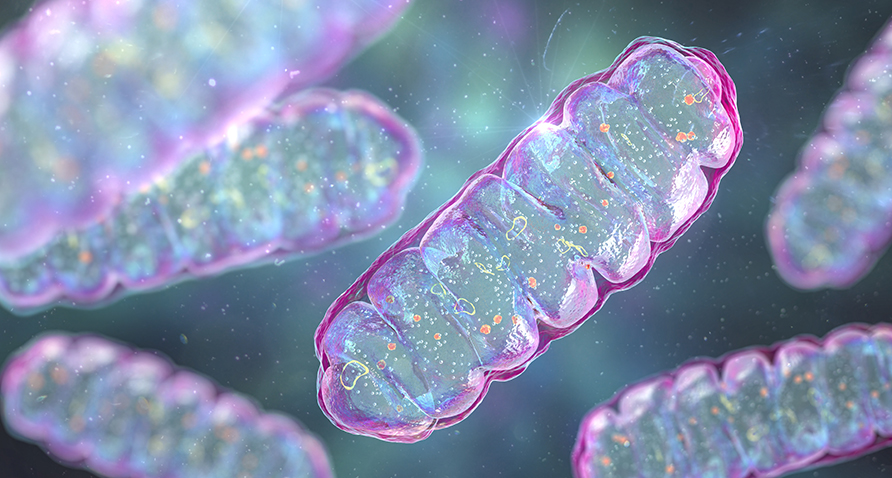
Figure 1: Mitochondria are regarded as the powerhouses of our cells. They perform a variety of functions in the body.
Mitochondria are present in every body cell and are primarily responsible for our energy. If they are damaged by trauma, stress, environmental toxins, medications or as a result of infections, this has a direct impact on our energy levels. Those affected feel tired and exhausted and often suffer from chronic fatigue syndrome.
Recent research has also shown a direct link between mitochondrial dysfunction and various chronic diseases.
So can mitochondrial function be strengthened, and if so, how? In this article you will learn,
- how micronutrients can be used in mitochondrial dysfunctions, [1]
- why heavy metal detoxification is important,
- how mitochondria can be effectively supported.
How the condition of mitochondria can affect our body
Mitochondria are not called the "powerhouses of the cell" for nothing, as they are the energy suppliers of the human body. By producing ATP (adenosine triphosphate) they ensure that our cells receive the energy needed for all vital processes. That is why mitochondria are found in almost all human cells – from skin cells to heart muscle cells – with particularly energy-hungry cells often containing thousands of mitochondria. The more mitochondria a cell has, the more ATP it can generate and the more capable it is.

Figure 2: Fatigue and exhaustion are among the first signs of mitochondrial dysfunction
Fatigue and exhaustion as a consequence of mitochondrial dysfunction:
Conversely, damaged mitochondria can affect the body in ways that can be accompanied by exhaustion. It has been shown, for example, that mitochondrial dysfunctions underlie chronic fatigue syndrome (ME/CFS). This condition often occurs after a viral infection and is characterised by an intolerance to physical and mental exertion: even minor efforts often lead to a worsening of symptoms, which frequently occurs delayed – usually only hours later or the following day. This delayed reaction makes it difficult for those affected to assess their limits and to avoid a so-called "crash" experience. Some patients with Long Covid also meet the diagnostic criteria for ME/CFS. [2]
The role of mitochondria in Long Covid:
Mitochondria play an important role, especially in patients with Long Covid who experience chronic exhaustion: "In the muscle cells of Long Covid patients we could detect unusual changes. The mitochondria, the 'energy factories' of the cells, function less well in muscle tissue and produce less energy than usual," explains Rob Wüst, Professor in the Department of Human Movement Sciences at the Free University of Amsterdam and a member of the research team. Normally mitochondria convert sugar and oxygen into energy and supply the body in the form of adenosine triphosphate (ATP). But in people affected by Long Covid this energy conversion process appears to be disturbed. [3] [4]
Mitochondria and the immune system:
In recent years the understanding of the role of mitochondria has expanded considerably. Newer studies have increasingly shown that mitochondria, as the "powerhouses of the cell", are not solely responsible for energy production. They are also extraordinarily important for the immune system. [5]
Mitochondria in degenerative diseases:
Degenerative diseases such as Alzheimer’s, Parkinson’s or muscle weakness are also closely linked to mitochondrial dysfunctions. Mitochondria produce reactive oxygen species (ROS) during energy conversion, which cause oxidative stress and can damage cells. If mitochondria work less efficiently due to mutations in their own genes, energy production decreases and oxidative stress increases. This process can jeopardise mitochondrial stability and, in extreme cases, trigger programmed cell death (apoptosis). The result: a combination of energy shortage, oxidative stress and cell death – all driving factors for degenerative diseases such as Parkinson’s, Alzheimer’s, osteoarthritis or heart disease. [6] [7]
Getting mitochondrial function tested
To determine the status of your mitochondria, the condition of mitochondria can be assessed in the following ways:
- As a direct measurement of metabolic performance. Here ATP production, oxygen consumption, CO2 production and membrane potential are examined,
- As an indirect measurement of metabolic performance by checking whether fermentation processes are increased,
- Measurement of mitochondrial density and mitochondrial gene activity. [8]
Determining mitochondrial status makes sense if you suffer from the following symptoms/conditions:
- Post-acute infection syndrome (PAIS, e.g. Long-/Post-COVID)
- CFS (chronic fatigue syndrome)
- Chronic inflammatory diseases (autoimmune diseases)
- Mitochondrial performance capacity of athletes and monitoring of training success
- Monitoring progress during therapy for mitochondrial performance deficits. [9]
Key micronutrients for mitochondria
Mitochondrial dysfunction is often based on a relative deficiency of micronutrients. [10] Micronutrients are essential for optimal mitochondrial function and thus for the body's overall energy production and cellular health.
Specific compounds for mitochondria:
- Coenzyme Q10 (ubiquinone) is one of the most important supports for mitochondria. The coenzyme can increase mitochondrial function. It neutralises dangerous free radicals that arise during high exertion and therefore high energy turnover, such as during sport. This protects mitochondria and cells from destruction. [11] In older people or those with reduced mitochondrial function, taking coenzyme Q10 can support energy metabolism and thus increase general physical and mental vitality. In summary: without coenzyme Q10 there is no cellular energy and thus no life. [12]
- Pyrroloquinoline quinone (PQQ) is a powerful antioxidant and plays an important role in mitochondrial health. It supports the formation of new mitochondria (mitochondrial biogenesis) and thus contributes to improved cellular energy and reduction of oxidative stress. PQQ also helps stabilise the function of existing mitochondria and protects them from damage by reactive oxygen species (ROS). [13]
- L‑Carnitine is an important nutrient for mitochondria – it protects cell membranes and helps eliminate toxic metabolic by-products. [14]
- Alpha‑lipoic acid acts as a cofactor in mitochondrial metabolic processes and has antioxidant properties – it can promote mitochondrial function, increase overall energy levels and reduce cellular stress. [15]
- Glutathione is often called the master antioxidant. Indeed, it is an important intracellular antioxidant that can protect the cell from reactive oxygen species (ROS). A lack of glutathione is associated with various mitochondrial diseases. Supplementation with glutathione can be achieved via its precursors. These are the so‑called cysteine donors that help to restore glutathione levels and thereby eliminate excessive radical oxygen species in mitochondrial diseases. One of these cysteine donors is N‑acetylcysteine. [16]
- Resveratrol is a natural plant polyphenol that increases the number of mitochondria. As a dietary supplement it is being investigated in many clinical studies in patients with mitochondrial myopathies. [17]

Figure 3: Pyrroloquinoline quinone (PQQ) is a natural antioxidant found for example in green pepper, kiwi, tofu and green tea. Fermented foods are also particularly rich in this valuable compound.
Medicinal mushrooms:
- Reishi (Ganoderma lucidum) is often called the "mushroom of immortality" and is an adaptogen that helps stabilise the body under stress and regulate immune function. The antioxidant and anti‑inflammatory properties of reishi help protect mitochondria from oxidative stress, which is particularly beneficial for cellular health. [18]
- Cordyceps contains bioactive compounds such as cordycepin, which have been shown to improve ATP production and oxygen utilisation, thereby increasing mitochondrial energy. In addition, cordyceps can support immune function and protect the body from inflammatory processes. [19]
- Hericium (lion's mane) is not only important for cognitive health but also contains compounds such as hericenones that promote cell regeneration. Studies show that hericium has anti‑inflammatory properties that protect mitochondria and optimise cellular energy. [20]

Figure 4: Medicinal mushrooms such as reishi protect mitochondria from the harmful effects of oxidative stress, which can significantly impair the organelles' capacity to produce energy.
Plant compounds:
- Sulforaphane, found for example in broccoli, is not only a valuable anti‑ageing agent but also promotes mitochondrial health. It increases production of NAD, an important coenzyme for cellular metabolism that is often produced in lower amounts with age. It supports cellular health and promotes ATP production, which is crucial for cellular energy supply. [21]
- Curcumin, the active ingredient in turmeric root, has a variety of positive effects on mitochondria. It can improve both function and health of mitochondria. [22]
Key vitamins for mitochondria:
- Vitamin B1 (thiamine) is often used in mitochondrial diseases alone or together with other active substances. [23]
- Vitamin B2 (riboflavin) is essential for energy production in mitochondria and, due to its antioxidant properties, indispensable for correct cellular function. [24] Riboflavin is used in some mitochondrial diseases with neurological disorders. [25]
- Vitamin B3 (niacin): Niacin directly supports the respiratory chain in mitochondria, optimising the conversion of food into usable energy.
- Vitamin B6: This vitamin is necessary for various enzymatic reactions in metabolism.
- Vitamin B12: Vitamin B12 is essential for energy metabolism.
- Biotin: Biotin is crucial for fat metabolism and energy production.
- Folate: Folate is essential for DNA synthesis and cell division.
- Vitamin C: As a strong antioxidant, vitamin C protects mitochondria from oxidative stress.
- Vitamin D: Vitamin D influences many bodily functions, including mitochondrial health.
Key minerals and trace elements for mitochondria:
- Selenium, zinc and copper are of great importance for mitochondria as they are essential components of antioxidant enzymes such as superoxide dismutase (SOD) and glutathione peroxidase.
- Magnesium is necessary for the storage and release of energy in cells. It is an essential component of ATP (adenosine triphosphate), the cells' primary energy source.
- Calcium has an important role in cellular signalling and is crucial for muscle contraction.
Heavy metals burden mitochondrial activity
Heavy metals and environmental toxins can impair mitochondrial function. Heavy metals such as mercury, lead and cadmium can inhibit mitochondrial enzymes responsible for ATP production. They promote both apoptosis and the production of reactive oxygen species (ROS). This oxidative stress can damage mitochondrial DNA and impair the function of the respiratory chain. Heavy metals can also disrupt the biogenetic mechanisms of mitochondria, meaning that cells produce fewer new mitochondria overall. This results in cells producing less energy. [26]
Conclusion:
Well‑functioning mitochondrial activity is crucial for our health, as mitochondria are responsible for our energy while also strengthening the immune system and regulating cellular metabolism. Mitochondrial dysfunction can lead to chronic fatigue and a range of degenerative diseases. To strengthen mitochondria, an adequate supply of essential micronutrients such as coenzyme Q10, omega‑3 fatty acids and B vitamins should be ensured. In addition, heavy metal detoxification and targeted therapies can support mitochondrial health and improve quality of life.
Recommended books:
https://www.narayana-verlag.de/Methylenblau-Mark-Sloan/b31439
https://www.narayana-verlag.de/Glutathion-Doortje-Cramer-Scharnagl/b18254
Biography:
Jannyn Sass is a freelance medical journalist, graduate in communications management (Dipl.-Kommunikationswirtin), author and mother of three children. She worked as a communications expert in design and software agencies as well as for a tech investor in Berlin.
Since her youth she has been fascinated by the larger contexts that can lead to illness or health in a person’s life. Jannyn studied business communication to explore systemic connections and the facets of interpersonal communication. During her studies and an intensive experience in Australia, it became clear to her that there must be more to life.
She began studying alternative medical systems, studied Traditional Chinese Medicine for three years in Berlin and trained as a health coach. Her main interest is to investigate the effects of consciousness techniques and natural substances on the body, mind and soul of humans, animals and plants. She is particularly engaged with meditation therapy.
Privat she loves crossing mountains and valleys, bathing in cold rivers and discovering the magic of nature.
Disclaimer:
This article does not replace treatment by a qualified therapist. The basis of this contribution is studies and current literature. It must not be used for self-diagnosis or self-treatment. If necessary, discuss inspirations from this article with a therapist you trust.
Sources:
[1] https://pubs.rsc.org/en/content/articlehtml/2023/ra/d3ra03313a
[2] https://www.spektrum.de/news/long-covid-mitochondrien-unter-verdacht/2203078
[3] https://www.spektrum.de/news/long-covid-mitochondrien-unter-verdacht/2203078
[4] https://www.aerztezeitung.de/Medizin/Studie-zu-Long-COVID-Mitochondrien-produzieren-weniger-Energie-445986.html
[5] https://pubs.rsc.org/en/content/articlehtml/2023/ra/d3ra03313a
[6] https://pubmed.ncbi.nlm.nih.gov/11280029/
[7] https://journals.lww.com/neur/fulltext/2004/52040/diagnostic_approach_for_adult_mitochondriopathy.27.aspx
[8]https://portlandpress.com/clinsci/article/127/6/367/70836/The-Bioenergetic-Health-Index-a-new-concept-in
[9] https://www.labor-bayer.de/de/fachinformationen/fachartikel-des-monats/fachartikel-details/der-mitochondrien-funktionstest.html
[10] https://www.mdpi.com/1422-0067/23/5/2717
[11] https://sportaerztezeitung.com/rubriken/kardiologie/2681/mitochondriale-medizin/
[12] https://pubmed.ncbi.nlm.nih.gov/20017723/
[13] https://www.mdpi.com/2218-273X/11/10/1441
[14] https://www.mdpi.com/2072-6643/12/8/2178
[15] http://www.er-leben.de/media/pdf/f4/56/9b/105504_Leseprobe.pdf
[16] https://pubs.rsc.org/en/content/articlehtml/2023/ra/d3ra03313a
[17] https://pubs.rsc.org/en/content/articlehtml/2023/ra/d3ra03313a
[18] https://www.researchgate.net/publication/270471205_The_Immunomodulating_Effects_of_Reishi
[19] https://pmc.ncbi.nlm.nih.gov/articles/PMC7898063/
[20] https://www.sciencedirect.com/science/article/abs/pii/S0141813018355399
[21] https://pubs.rsc.org/en/content/articlehtml/2023/ra/d3ra03313a
[22] https://iubmb.onlinelibrary.wiley.com/doi/abs/10.1002/biof.1566
[23] https://pubs.rsc.org/en/content/articlehtml/2023/ra/d3ra03313a
[24] https://pubs.rsc.org/en/content/articlehtml/2023/ra/d3ra03313a#cit21
[25] https://pubs.rsc.org/en/content/articlehtml/2023/ra/d3ra03313a
[26] https://www.mdpi.com/1422-0067/24/19/14459
Image 1: Kateryna Kon/Shutterstock.com, Image 2: fizkes/Shutterstock.com, Image 3: New Africa/Shutterstock.com, Image 4: Photoongraphy/Shutterstock.com

