

Figure 1: The stone pine (Pinus cembra) is rare. Its high-quality oil is notable for its valuable constituents and its characteristic sharp aroma.
It grows at dizzying heights in the harsh mountain climate of the Alps: the stone pine. The precious stone pine oil is obtained from the needles and branches of this rare tree. The essential oil is often used in aromatherapy because of its sharp, relaxing scent. It is also frequently used in naturopathy. In this blog article we explain how stone pine oil is produced and how it works. You will also learn which ailments stone pine oil is commonly recommended for and what to look for when buying a stone pine product.
The stone pine: gnarled tree with a characteristic scent
The stone pine (Pinus cembra), often also called Swiss stone pine or arve, is native to the high-altitude regions of the Alps and the Carpathians. At elevations between 1,800 and 2,400 metres the tree must often withstand extreme climatic conditions. To remain resilient and protect itself against the harsh environment, the plant produces strong aromatic oils that have been valued for their beneficial properties for hundreds of years. It is therefore no surprise that the stone pine has earned the nickname "Queen of the Alps".
The stone pine only begins to flower between May and June once it is around forty years old. The evergreen tree is easy to recognise thanks to its needle-like shoots arranged in many clusters. Its characteristic fresh, slightly resinous scent is unmistakable. The stone pine can reach heights of up to 25 metres and needle lengths of up to eleven centimetres. Because it is rare, the stone pine is a protected species in Austria. It grows slowly and can live for up to a thousand years.
How is the precious stone pine oil obtained?
Traditionally, stone pine (arve) oil is extracted by steam distillation. This gentle method is intended to ensure that the delicate constituents and the authentic pure scent are preserved as far as possible. To distil one litre of stone pine oil, around one hundred kilograms of plant material – mainly cones, branches and needles – are required. During distillation the steam separates and dissolves the soluble components from the plant material. It then condenses in a specialised cooling system into a liquid from which the essential oil is separated. The distilled stone pine oil is thin and ranges from clear to yellowish in colour.
No stone pines need to be felled to produce stone pine oil. Instead, residual wood from logging and surplus young trees are usually processed. The leftover material serves as fuel for the distillation, so no fossil fuels are required.
Which constituents are found in the stone pine?
Stone pine wood contains approximately 80 different substances with a variety of properties. In addition to essential oils, the stone pine contains flavonoids, amino acids and trace elements.[1] Many of the stone pine's constituents are attributed with anti-inflammatory and antibacterial effects. This includes the compound pinosylvin, commonly regarded as the main active ingredient of the stone pine. Pinosylvin protects the tree from damage by bacteria and fungi. In humans the substance can have calming and mood-elevating effects, among others. Another important compound is limonene, a substance that acts as an insecticide and is responsible for the turpentine-like smell of stone pine oil.
The effects of stone pine oil on the body
Stone pine oil has long been used in naturopathy for the treatment and prevention of various complaints. The precious oil is said to have anti-inflammatory, antiseptic, circulation-promoting, pain-relieving and expectorant properties. However, there is a lack of scientific evidence to support these claims, which are largely based on positive anecdotal experience. A study by the Institute for Noninvasive Diagnostics at Joanneum Research in Graz did, however, find that sleeping in a stone pine bed can significantly reduce average heart rate and improve the cardiovascular response to everyday demands.[2]
Which ailments is stone pine oil commonly used for?
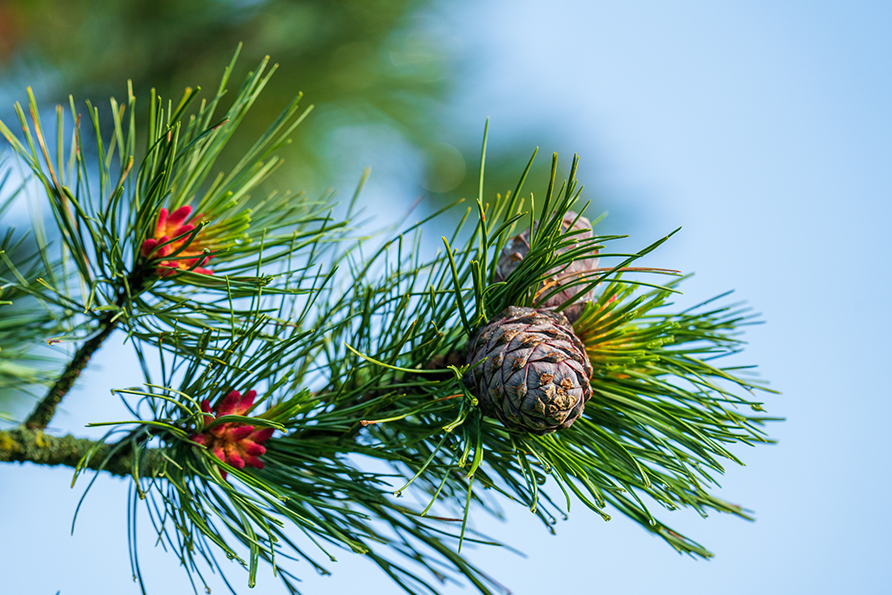
Figure 2: Because of its antimicrobial, anti-inflammatory and relaxing properties, stone pine oil is often used for respiratory infections and sleep problems.
Our health and well‑being can benefit from the stone pine in many ways. The tree's valuable and abundant oil is suitable for both internal and external use. Below we present some conditions for which stone pine oil is often recommended.
Colds
Respiratory infections and sinus conditions are among the most common uses for stone pine oil. The essential oils clear the airways and act as expectorants and circulation promoters. Stone pine oil also has high antimicrobial activity, for example against the pathogens Sacina lutea and Staphylococcus aureus.[3] By killing harmful bacteria and viruses, the oil can help tackle the cause of respiratory illnesses rather than merely alleviating symptoms. For colds and coughs inhalation with stone pine oil can be very soothing. Simply add a few drops of oil to hot water, for example in a kitchen bowl. Drape a towel over your head and lean over the bowl so that the hot steam cannot escape. It is advisable to inhale for around 10 to 20 minutes.
Sleep problems and stress
The long-term study from Joanneum Research in Graz mentioned earlier concluded that stone pine wood can significantly reduce heart rate, which supports improved sleep and recovery. However, because the study included only 15 participants the strength of the evidence is limited. Independently of this, many people report the calming and relaxing effect of the stone pine, which supports a restful night's sleep.
In addition to sleeping in a stone pine bed, using stone pine oil and stone pine spray can also promote restorative sleep and general relaxation. As a room fragrance you can disperse the oil with a diffuser or a fragrancing lamp. Stone pine oil has the major advantage that it not only masks bad odours but also cleans and disinfects the air in the room. If you suffer from sleep problems, try putting a few drops of stone pine oil on your pillow before going to bed. With its wonderfully sharp scent the essential oil creates a cosy atmosphere in the bedroom and can help ease you gently to sleep.
Muscle and joint pain
Stone pine oil is also often used as a massage oil for muscle tension or rheumatic complaints. Rubs have a tension‑relieving, circulation‑promoting and stress‑reducing effect. Relaxing full baths with stone pine oil are another option and are particularly soothing for muscle soreness, other types of muscular pain and tension headaches. Three to five drops of the aromatic oil in the bathwater are enough for the full effect. Optionally you can mix the stone pine oil with a little sea salt, honey or other essential oils.
Skin blemishes
Due to its antibacterial and anti‑inflammatory properties stone pine oil is often used in skincare. Natural cosmetics such as creams or lotions containing stone pine oil help the skin build a defence against bacteria and can help prevent the formation of pimples and acne. However, stone pine oil should never be applied directly to the skin. Use the oil only in combination with a suitable carrier oil (e.g. almond, coconut or olive oil), otherwise skin irritation may occur.
Further uses for stone pine oil
As should be clear by now, stone pine oil has a very wide range of uses. In addition to treating health complaints the oil is useful in many other areas. As a room scent it is a secret weapon against unpleasant tobacco odour and also has an air‑purifying effect. The oil is also very effective against moths and house dust mites.[4] To use stone pine oil as an insecticide, you can put one to two drops on your vacuum cleaner filter or spray your mattresses and cupboards with a stone pine spray. In addition, stone pine oil can be used in oral care, as an after‑shave balm, as a sauna infusion or for the care of wooden surfaces.
Oil, spray or salve: the full range of stone pine products
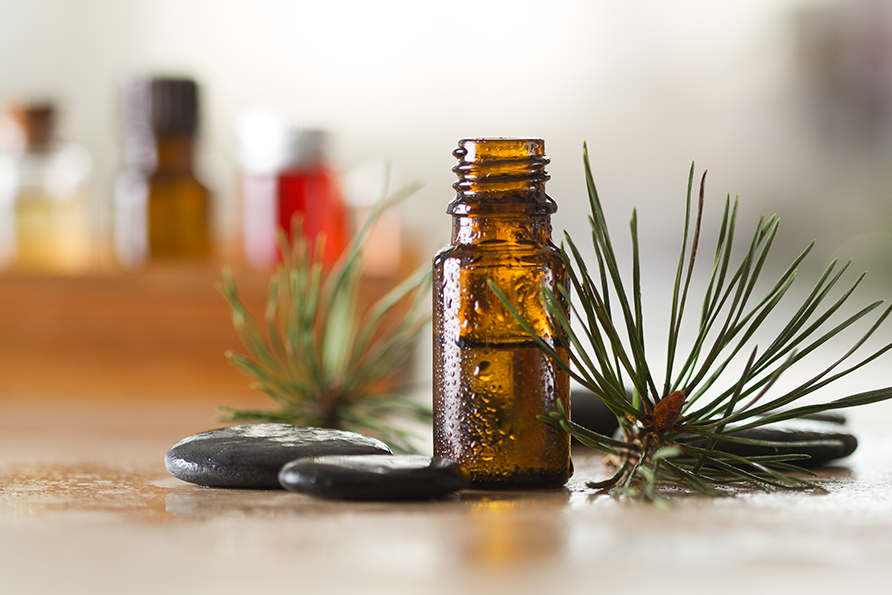
Figure 3: Before choosing a product containing stone pine oil, you should check whether it is a high‑quality, 100% natural essential oil.
There are numerous ways to enjoy the natural power of the stone pine. From room and pillow sprays to pure stone pine oil, stone pine resin salves, stone pine schnapps and stone pine syrup, a wide range of stone pine products is available. Which product is right for you mainly depends on the intended use. The Organic stone pine oil by Unimedica is excellent as a room fragrance and for seasoning and flavouring food and drinks. You can also use the pure arve oil for a tea infusion. Simply add one to two drops of stone pine aroma to a teaspoon of honey.
Before choosing a product containing stone pine oil, always check that it contains exclusively 100% pure natural essential stone pine oil obtained by steam distillation. Make sure it is a high‑quality product with no inferior oils or additives mixed in. The stone pine spray by Unimedica contains exclusively stone pine oil obtained from needles and branches of wild‑growing stone pines. The spray is produced in certified facilities in Germany and can be used both as a room fragrance and as a pillow spray.
How well tolerated are the stone pine essential oils?
Essential stone pine oil is a pure natural product generally regarded as well tolerated and safe. Allergic reactions are very rare. If you use the oil as a room scent in a diffuser you usually do not need to worry about tolerance. If you wish to use stone pine oil for skin care, perform a patch test before use and always use only a small amount of the concentrated oil. Children and adolescents can also use stone pine products safely in lower doses – with the exception of alcoholic stone pine schnapps. Pregnant and breastfeeding mothers should use stone pine oil only after consulting a physician.
[1] Alperth F, Schneebauer A, Kunert O, Bucar F. Phytochemical Analysis of Pinus cembra Heartwood-UHPLC-DAD-ESI-MSn with Focus on Flavonoids, Stilbenes, Bibenzyls and Improved HPLC Separation. Plants (Basel). 2023 Sep 25. https://pubmed.ncbi.nlm.nih.gov/37836128/.
[2] Grote V, Frühwirth M, Lackner HK, Goswami N, Köstenberger M, Likar R, Moser M. Cardiorespiratory Interaction and Autonomic Sleep Quality Improve during Sleep in Beds Made from Pinus cembra (Stone Pine) Solid Wood. Int J Environ Res Public Health. 2021 Sep 16. https://pmc.ncbi.nlm.nih.gov/articles/PMC8472742/.
[3] Apetrei, C. L., Spac, A., Brebu, M., Tuchilus, C., Miron, A. Composition, and antioxidant and antimicrobial activities of the essential oils of a full-grown Pinus cembra L. tree from the Calimani Mountains (Romania). J. Serb. Chem. Soc. 2013.
[4] Holzmann, R., & Strubreiter, A. Evaluierung der antimikrobiellen Wirkung von Zirbenholz (Pinus cembra L.). Holzforschung Austria. 2012.
Image 1: CristiDumi/Shutterstock.com, Image 2: Chamois huntress/Shutterstock.com, Image 3: colors/Shutterstock.com

