
Click here for the article "Help with lack of energy: How to strengthen your mitochondria"
How healthy mitochondria counteract tiredness and exhaustion and why they are indispensable for our well‑being
They are not called the powerhouses of the cell for nothing: the mitochondria. These small cellular organelles play a crucial role in the human body's energy production. They ensure that we have enough energy available. If their form or function is impaired, this can manifest, for example, as lack of drive, tiredness and exhaustion. Mitochondrial dysfunction can also have very serious consequences such as brain fog, tremors, dizziness or diseases like diabetes or cardiovascular disorders.
What lies behind the so‑called mitochondriopathies, how important are mitochondria for our energy levels and are they even decisive for a youthful appearance? What are mitochondria and how can cellular energy be increased?
Find out more about these questions in the following magazine article.
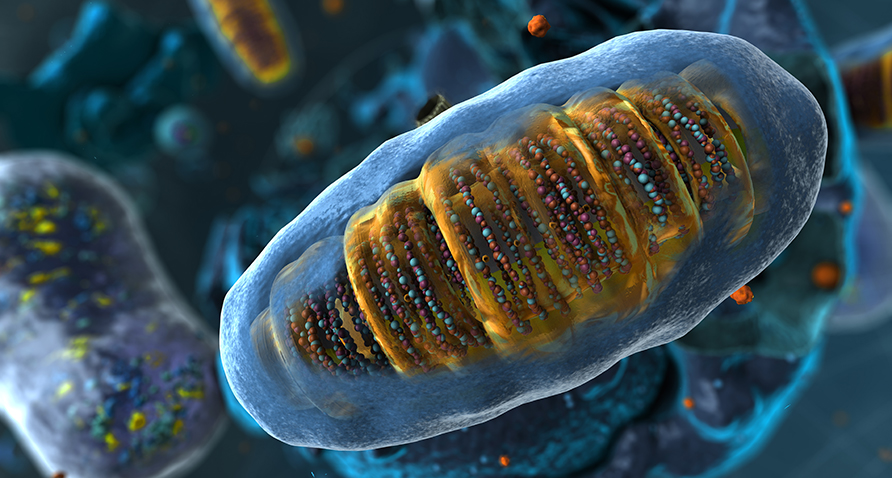
Figure 1: Mitochondria regulate many processes in the body. They are important for energy production, but also for the immune system.
Why healthy mitochondria are important
Mitochondria are tiny organelles known as the "powerhouses" of the cell. Although they themselves are no larger than 0.5 to 1 micrometre (µm), their role in the human body is all the more important.
Mitochondria provide a good energy level
Mitochondria provide our energy: they produce adenosine triphosphate (ATP), which our cells need to carry out an enormous variety of functions. This energy is essential for all processes in the body, from muscle movement to cell repair. Mitochondria are largely responsible for ensuring that our body gets the energy it needs.

Figure 2: A high mitochondrial energy level is associated with vitality, performance and mental clarity.
Mitochondria also regulate the immune system
Mitochondria are much more than mere energy suppliers. For example, the organelles decisively regulate our immune system. They support the action of certain signalling molecules, such as interferon. These signalling molecules are enormously important for repelling viral infections but also for eliminating cancer cells. Interferons are released by immune cells when the body needs to respond to viral infections or other threats such as tumour cells. Mitochondria are essential for the immune system because they amplify the signalling pathways that lead to interferon production. This triggers a kind of "alarm" when a cell is threatened by viral or bacterial infections.
Mitochondria have multiple functions
Fundamentally, mitochondria regulate the cell cycle and are largely responsible for cell division. Mitochondria are also involved in the production of steroid hormones in certain tissues. Furthermore, they play a role in the body's calcium balance, which is important for various signalling processes. Part of the urea cycle also takes place in mitochondria, where toxic ammonia produced during the breakdown of amino acids is converted into harmless urea.
Mitochondria participate in programmed cell death
Mitochondria are also crucial in apoptosis, the controlled and programmed cell death. Why is that important? Apoptosis is particularly important to eliminate potentially cancerous cells. When cells mutate or have DNA damage, apoptosis can prevent them from growing uncontrollably.
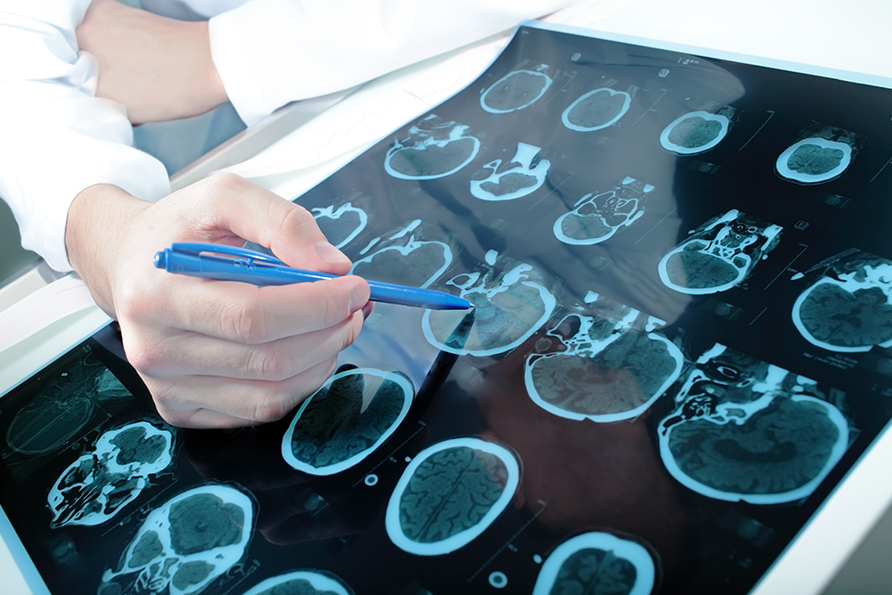
Figure 3: If apoptosis does not work, damaged cells can multiply and form tumours.
In summary: no apoptosis without mitochondria! They not only initiate pro‑apoptotic signals but, through their interaction with various proteins, are also crucial to the progression of apoptosis.
Do mitochondria control ageing processes?
Mitochondria may play a major role in ageing. This is the view of the mitochondrial theory of ageing by Professor Anthony Linnane, an Australian biochemist and mitochondria researcher known in medical research particularly for his work on the role of mitochondria in cellular ageing and chronic diseases. According to his theory, also known as MFRTA (Mitochondrial Free Radical Theory of Aging), the ageing process is caused by progressive mitochondrial dysfunction.
Prof. Linnane's thesis proposes that mitochondrial DNA (mtDNA) accumulates more and more mutations due to oxidative damage over the course of life. As a result, mitochondria become increasingly inefficient, leading to a decline in energy production, increased cellular stress and the production of more reactive oxygen species (ROS), which can cause further damage. Linnane postulated that these damages to mtDNA influence the ageing of cells and tissues. Cells are less able to regenerate. Their normal functions are impaired, contributing to the deterioration of organ function and the emergence of age‑related diseases. This theory therefore links the accumulation of mitochondrial defects with the biological ageing process and degenerative diseases such as neurodegenerative disorders and heart disease. [1] [2]
How do mitochondrial damages affect health?
Interestingly, mitochondria have their own DNA, the mtDNA. This is independent of the DNA in the cell nucleus. If the mitochondria themselves or the mtDNA are damaged, they cannot function efficiently. This in turn can lead to exhaustion, tiredness and other problems because the body can no longer extract enough energy from nutrients. Mutations in mtDNA can lead to further mitochondrial diseases, which are often associated with cellular energy problems.
The symptoms of a so‑called mitochondriopathy can be diverse and include:
- Loss of energy: constant tiredness and exhaustion.
- Cognitive impairments: concentration problems and sleep disturbances.
- Physical complaints: muscle pain and increased susceptibility to infections.
- Psychological symptoms: anxiety and depressive moods[2][4].
Varied clinical pictures – from encephalopathies to myopathies
Mitochondrial myopathies are, for example, particularly feared. This group of disorders leads to muscle weakness and fatigue due to disturbances in the muscle's energy production. The mitochondria are no longer able to produce sufficient energy (in the form of ATP) for muscle cells. As muscles require a lot of energy to function properly, mitochondrial defects can lead to muscle weakness and other symptoms. [3]
Another consequence of damaged mitochondria can be encephalopathies. The so‑called mitochondrial encephalopathies affect the brain and can cause symptoms such as dementia, coordination problems and seizures. Patients suffer from muscle weakness, seizures and stroke‑like episodes. [4]
Researcher Giovanna Sonsalla has studied mitochondria in connection with neurodegenerative diseases, particularly their significance in Parkinson's disease. [5] She emphasised that mitochondria play a key role in energy metabolism and the regulation of cell death, and that dysfunctions of these organelles can contribute to cell damage and the progression of neurodegenerative diseases. [6]
Furthermore, mitochondrial dysfunction can lead to liver diseases [7], type 2 diabetes [8] or cardiovascular diseases [9]. But neurological disorders such as Parkinson's disease [10], Alzheimer's disease [11] and amyotrophic lateral sclerosis [12] can also be traced back to mitochondrial damage.
Long‑COVID is also increasingly being linked to mitochondrial dysfunctions. A study shows that long‑COVID could be a chronic, self‑sustaining condition induced by the virus. [13] This condition is characterised by mitochondrial dysfunction, in which reactive oxygen species continuously drive inflammation in the body.
Mitochondria and cancer
Recent studies have shown that mitochondrial metabolites and so‑called mtROS are important for the regulation of signalling pathways and cellular damage – both in innate and adaptive immune cells. What does this mean? The abbreviation mtROS stands for mitochondrial reactive oxygen species. These are unstable, highly reactive oxygen compounds and by‑products of mitochondrial energy production. These mtROS are not harmless. At high concentrations they can cause cellular damage because they can attack lipids, proteins and mtDNA – that is, mitochondrial DNA. If too many mtROS are produced, known as oxidative stress, this can lead to cardiovascular diseases or neurodegenerative disorders.
It was once thought that cancer cells did not rely on mitochondria. This assumption shaped the understanding of cancer metabolism for a long time. However, recent research has shown that mitochondria do play a decisive role in tumour growth and perform various important functions there. [14] Disturbed mitochondrial function is therefore closely associated with inflammation, neurodegenerative diseases and the development of cancer. [15]
What causes mitochondriopathies
If a mitochondriopathy, i.e. mitochondrial dysfunction, is not congenital, it is acquired over the course of life. These are referred to as secondary mitochondriopathies. They can be triggered by various factors:
- Lack of micronutrients over a long period [16],
- Environmental toxins such as heavy metals, plasticisers or pesticides [17],
- Electromagnetic pollution such as microwave radiation; Wi‑Fi radiation, for example, showed shortened mitochondrial length as a consequence of exposure in studies [18],
- Viral infections [19]
- Stress on a psychological or physical level; mitochondria respond to stress by producing reactive oxygen species (ROS) generated during cellular respiration. If these ROS cannot be neutralised, cell damage occurs and mitochondrial function further deteriorates. Psychological and physical stress are significant factors that can contribute to the development of mitochondriopathies. [20]
- Antibiotics: antibiotic treatment can alter a cell's energy supply and thus trigger mitochondrial dysfunction. [21]
- Antidepressants can, depending on the drug, have a negative impact on mitochondrial activity. [22]
- Medications such as beta‑blockers can cause mitochondrial toxicity [23]. They lead to increased oxidative stress, changes in mitochondrial dynamics [24] and can activate various mitochondria‑dependent cell death pathways. [25] [26]
How can you support your mitochondria?

Figure 4: Cold applications are good for mitochondria and promote cellular health.
Treating mitochondriopathies requires a holistic approach that includes the following aspects:
- Dietary adjustments: An anti‑inflammatory diet can help support mitochondrial function.
- Micronutrient therapy: The targeted administration of antioxidants and other nutrients is important to support mitochondrial health.
- Stress management: Techniques to reduce psychological and physical stress are crucial for recovery. Overall, it is important to understand the connections between stress and mitochondrial health in order to adopt appropriate therapeutic measures.
- Physical activity: Exercise is essential for good mitochondrial function.
- Reduction of harmful environmental influences
- Cold applications such as cold therapy or cryotherapy are known to have positive effects on mitochondria and cellular health. Research shows that exposure to cold can positively influence mitochondrial function in several ways. Cold exposure promotes mitochondrial biogenesis, i.e. the formation of new mitochondria, particularly in brown adipose tissue. This is the body's adaptation to low temperatures, as more mitochondria are required for heat production.
Conclusion
Mitochondria are of central importance to your body because, as the "powerhouses of the cell", they provide the necessary energy (ATP) for all cellular and bodily functions. A disturbance in mitochondrial function not only leads to loss of energy and exhaustion, but can also favour complex health problems such as chronic fatigue, inflammation, neurodegenerative diseases and even cardiovascular complaints.
Healthy mitochondria are therefore essential for a strong immune system, mental performance and protection against disease. They significantly influence cellular metabolism, immune defence and even cellular ageing. Research shows that environmental factors, nutrition and lifestyle strongly affect mitochondrial health. A holistic approach that includes a balanced diet, essential nutrients, exercise and stress management is crucial to supporting your mitochondria.
The insight that mitochondria are also responsible for ageing and cell regeneration makes them a key to well‑being and the prevention of chronic diseases. That is precisely why mitochondria are an important key to your well‑being and the prevention of chronic diseases.
Recommended books:
- https://www.narayana-verlag.de/Methylenblau-Mark-Sloan/b31439
- https://www.narayana-verlag.de/Glutathion-Doortje-Cramer-Scharnagl/b18254
Sources:
[1] https://iubmb.onlinelibrary.wiley.com/doi/abs/10.1080/152165400410281
[2] James Lee: The Methuselah Project - How the science of anti‑aging can help you live happier, longer and stronger
[3] https://www.researchgate.net/publication/7724498_Mitochondrial_DNA_and_disease
[4] https://link.springer.com/article/10.1007/s10072-019-03863-x
[5] Giovanna Sonsalla is a researcher who completed her doctorate at the Ludwig Maximilian University (LMU) in Munich, specifically at the Graduate School for Systemic Neurosciences.
[6] https://edoc.ub.uni-muenchen.de/28739/
[7] https://www.mdpi.com/1422-0067/15/5/8713
[8] https://docserv.uni-duesseldorf.de/servlets/DerivateServlet/Derivate-43768/Dissertation_Wolff.pdf
[9] https://link.springer.com/article/10.1007/s00391-022-02094-8
[10] https://journals.sagepub.com/doi/abs/10.1177/1073858415574600
[11] https://link.springer.com/article/10.1007/s10072-019-03863-x
[12] https://oparu.uni-ulm.de/server/api/core/bitstreams/5ef84c8a-4358-4c60-b471-d1e67a69bf76/content
[13] https://www.mdpi.com/2227-9059/10/12/3113
[14] https://www.salk.edu/de/Pressemitteilung/Die-Neuverdrahtung-der-Tumormitochondrien-verbessert-die-F%C3%A4higkeit-des-Immunsystems,-Krebs-zu-erkennen-und-zu-bek%C3%A4mpfen/
[15] https://www.sciencedirect.com/science/article/pii/S2213231719303076#bib116
[16] https://sportaerztezeitung.com/rubriken/kardiologie/2681/mitochondriale-medizin/
[17] https://www.grueneliga.de/images/Glyphosat_zusammenfassung.pdf
[18] https://www.sciencedirect.com/science/article/pii/S0013935118300355
[19] https://natuerlich.thieme.de/spezialthemen/erschoepfung/detail/muede-mitochondrien-3711
[20] https://www.lmu.de/de/newsroom/newsuebersicht/news/zellbiologie-wie-mitochondrien-stress-melden.html
[21] https://pmc.ncbi.nlm.nih.gov/articles/PMC5240889/
[22] https://www.sciencedirect.com/science/article/abs/pii/S0149763421002025
[23] https://link.springer.com/article/10.1007/s40264-016-0417-x
[24] https://pubmed.ncbi.nlm.nih.gov/27771494/
[25] https://link.springer.com/chapter/10.1007/978-3-319-28549-8_6
[26] https://pmc.ncbi.nlm.nih.gov/articles/PMC9656474/#B20-ijms-23-13653
Figure 1: Christoph Burgstedt/Shutterstock.com; Figure 2: lzf/Shutterstock.com; Figure 3: sfam_photo/Shutterstock.com; Figure 4: Michele Ursi/Shutterstock.com

