
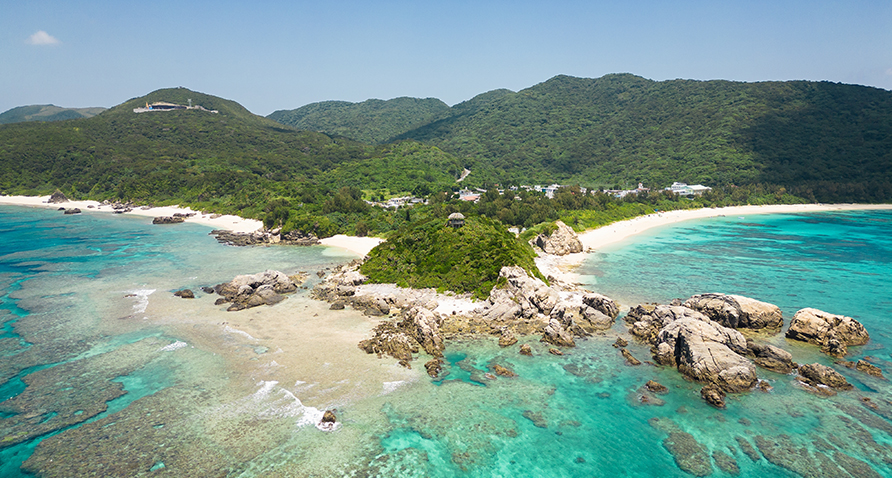
Figure 1: The Sango coral is native to the waters around the Japanese island of Okinawa.
Anyone who wants to remain healthy and vital into old age should ensure an adequate supply of essential nutrients. The Japanese Sango coral supplies more than 70 vital minerals and trace elements in a unique composition. Numerous positive and potentially life-prolonging properties are attributed to the marine coral. In this blog article you will learn in which areas Sango coral is commonly used and how it works. You will also receive helpful tips for choosing a Sango coral dietary supplement and for correct intake and dosage.
Sango coral: the "milk of the centenarians" from Okinawa
The Japanese island of Okinawa is internationally known as the "Island of the Centenarians". It sits on the former coral reef of the Sango marine coral. The valuable fossil coral is still found exclusively in the vicinity of the island. When it rains on Okinawa, the rain flowing through the fossilised reef absorbs the valuable minerals and trace elements of the Sango coral and is simultaneously filtered and purified by the coral. The result is a pure and delicious drinking water of exceptional quality, which is considered one reason for the high life expectancy of Okinawa’s inhabitants.
Because of its unique composition, which is incomparable with any of the roughly 2,500 other coral species, Sango coral is also referred to as "The One" or the "milk of the centenarians". Coral extraction around Okinawa is supported by the Japanese government. Extraction does not involve plundering the living coral reefs; instead, only the broken pieces of the coral skeletons — which the corals form in life and which naturally detach over time — are collected from the seabed around Okinawa. The corals are then ground and often processed into dietary supplements such as Sango coral capsules or Sango coral powder.
Calcium and magnesium with optimal bioavailability
.jpg)
Figure 2: The fascinating marine coral contains over 70 valuable minerals and trace elements in ionised form. It supplies the important minerals calcium and magnesium in the optimally bioavailable ratio of 2:1.
A particularly valuable property of Sango coral is its richness in the minerals calcium and magnesium. In the coral these occur in the ideal ratio of 2:1. When this ratio is present, the human body can absorb calcium and magnesium optimally. In general, the bioavailability of the calcium and magnesium in Sango coral is unusually high because the minerals are present in ionised form, i.e. in the smallest unbound form. As a result, they can penetrate the cells of the intestinal mucosa and easily enter the bloodstream.[1] In particular, the calcium contained in Sango marine coral has an above-average bioavailability of 90%. In conventional preparations, where calcium is often present as calcium carbonate, bioavailability is typically considerably lower at around 20% to 40%. The structure of the calcium in Sango coral is strikingly similar to human skeletal bone, which is why the coral can also be used as a bone substitute material, for example in dental implants.[2]
In combination, calcium and magnesium can exert their important effects in the body optimally. Both minerals contribute to normal energy metabolism, the maintenance of normal bones and teeth, and normal muscle function. They are also important for cell division.
Other minerals and trace elements in Sango coral
In addition to calcium and magnesium, Sango coral contains over 70 other minerals and trace elements. These include the essential trace element iron, which is indispensable for blood formation, the immune system and oxygen transport in the body. Sango coral also contains chromium, which is particularly important for carbohydrate and fat metabolism and can positively influence cholesterol and blood sugar levels. Iodine — essential for the production of thyroid hormones — as well as silicon, boron, potassium, selenium and zinc are also found in Sango marine coral. The concentration of the individual minerals and trace elements can vary, and some are present only in tiny traces, but all contribute to the overall bioavailable mineral composition of Sango coral.
Key indications for Sango coral
Because of its wealth of minerals with high bioavailability, Sango coral is recommended and used for a variety of health conditions. Below we present some of the bodily areas and disorders in which the marine coral is frequently employed.
Bone density and osteoporosis
The importance of calcium for the maintenance of normal bones is well known. If you want to support your bone health, consuming calcium-rich foods such as milk or simply taking high-dose calcium supplements alone is not necessarily effective. An excess of calcium can, on the contrary, weaken bones or exacerbate existing conditions if other essential nutrients — above all magnesium — are not supplied in appropriate amounts.
With its ideal calcium-to-magnesium ratio of 2:1 for the human body, Sango coral can support a healthy bone metabolism. The marine coral is therefore often used to strengthen bones and to help prevent osteoporosis. As a 2012 study showed, the calcium contained in Sango coral, in combination with zeolite, can help prevent bone density loss in postmenopausal women.[3]
Acid–base balance
Excess acidity of the body is widespread. Lifestyle factors such as increased stress or lack of sleep are often responsible for the acid–base balance becoming disturbed. An unfavourable diet dominated by acid-forming foods such as meat, cheese or processed products can also promote excess acidity. If the body is chronically over-acidic, this can lead to mineral deficiencies and serious health problems. To neutralise the acid, the body draws on alkaline bone calcium, which can overall weaken the bones.
The minerals in Sango coral, present in ionised form, act alkalinically. They can help to rebuild mineral reserves and thus contribute to a sustainably balanced acid–base equilibrium. The alkaline property of Sango coral works in several ways: it can both counteract excess acidity and actively contribute to deacidifying the body.
Immune system
Our immune defences can also benefit from taking Sango coral preparations. Some nutrients contained in the coral — especially zinc, iron and selenium — have the ability to support the immune system in defending against bacteria and viruses. Selenium helps protect cells from oxidative stress. Adequate iron supply is crucial for immune function and can help prevent the development of infections.[4]
Does Sango coral actually support a longer life?

Figure 3: The "Okinawa Centenarian Study" found that in addition to moderate exercise and meditation, diet is also a factor that contributes to the unusually high age of Okinawa’s inhabitants.
The island of Okinawa rightly bears the nickname "Island of the Centenarians": compared with other regions of Japan, people here reach a very high age of over a hundred years much more frequently. In addition, the island’s inhabitants are known for their overall good health and vitality. Common causes of death such as cancer, coronary heart disease or strokes are extremely rare in Okinawa.
The Okinawa Centenarian Study, funded by the Japanese Ministry of Health, was initiated in 1975 by Dr Makoto Suzuki. The former cardiologist wanted to find out which factors contribute to the longevity of Okinawa’s inhabitants. Observations of participants who were already 99 years old at the start of the study showed that low stress, regular meditation, moderate exercise and a stable social network are important aspects that promote satisfaction and agility among the island’s residents. Suzuki also emphasises the relevance of Okinawa’s special food culture, which — in addition to abundant sweet potatoes and soy products — includes drinking water that has been filtered by Sango coral and enriched with minerals.[5]
How to find a suitable Sango coral dietary supplement
If you decide to take a Sango coral product, you can choose between different forms of administration. The most common forms are Sango coral capsules and Sango coral powder. But beware: only Sango marine corals possess the potentially health-promoting properties. Products that instead contain Japanese land corals are often cheaper but usually have a poorer calcium-to-magnesium ratio. It also cannot be ruled out that land corals are contaminated with environmental toxins. Before purchasing a corresponding dietary supplement, you should therefore be sure to check that the corals contained in the product are original Sango marine corals.
It is also sensible when selecting a product to pay attention to the amount and ratio of the minerals calcium and magnesium. The highly bioavailable Sango coral capsules from Unimedica contain 3,300 milligrams of Sango coral powder per daily dose with organic calcium and magnesium in the optimal ratio of 2:1.
Correct intake and dosing of Sango coral preparations
If you want to conveniently meet your daily requirement of calcium and magnesium, dietary supplements with Sango coral are a good option. Typically, high-quality products cover half of an adult healthy person’s daily calcium requirement (1,000 mg) and almost the entire daily magnesium requirement (300 to 400 mg).[6][7]
Sango coral capsules are normally taken two to three times daily with sufficient liquid and preferably with a meal. Coral powder should be stirred into water and optionally mixed with lemon juice to further improve bioavailability. The correct dosage depends, among other things, on whether an acute mineral deficiency is present. Before starting supplementation, it is best to speak with your treating doctor, who can recommend an individually appropriate dose.
Possible side effects of Sango marine coral
When taken at the proper dosage, Sango marine coral is generally free of side effects. However, once the body's detoxification processes begin, typical "initial complaints" such as headaches or dizziness may occur. The use of Sango coral products is generally considered tolerable and safe for children as well as for pregnant and breastfeeding women.
[1] Ishitani K, Itakura E, Goto S, Esashi T. Calcium absorption from the ingestion of coral-derived calcium by humans. J Nutr Sci Vitaminol (Tokyo). 1999 Oct. https://pubmed.ncbi.nlm.nih.gov/10683804/.
[2] Soost F et al. Natural coral calcium carbonate as alternative substitute in bone defects of the skull. Mund Kiefer Gesichtschir. 1998 Mar.
[3] Banu J, Varela E, Guerra JM, Halade G, Williams PJ, Bahadur AN, Hanaoka K, Fernandes G. Dietary coral calcium and zeolite protects bone in a mouse model for postmenopausal bone loss. Nutr Res. 2012 Dec. https://pubmed.ncbi.nlm.nih.gov/23244542/.
[4] Bundeszentrum für Ernährung (2023): Das Immunsystem stärken: Essen für eine gute Abwehr – worauf es ankommt. https://www.bzfe.de/ernaehrung/ernaehrungswissen/gesundheit/das-immunsystem-staerken/ (accessed: 14.10.2024).
[5] Akisaka M, Asato L, Chan YC, Suzuki M, Uezato T, Yamamoto S. Energy and nutrient intakes of Okinawan centenarians. J Nutr Sci Vitaminol (Tokyo). 1996 Jun. https://pubmed.ncbi.nlm.nih.gov/8866260/.
[6] DGE (2013): Reference value: Calcium. https://www.dge.de/wissenschaft/referenzwerte/calcium/ (accessed: 14.10.2024).
[7] DGE (2021): Reference value: Magnesium. https://www.dge.de/wissenschaft/referenzwerte/magnesium/ (accessed: 14.10.2024).
Figure 1: AsiaTravel/Shutterstock.com, Figure 2: Victor1153/Shutterstock.com, Figure 3: Nungning20/Shutterstock.com

