
A holistic view on supplementing vitamin B12 in dogs and cats

Figure 1: A vitamin B12 deficiency is often noticeable because animals twitch in their sleep, whine or have restless legs.
The importance of vitamin B12 for animal metabolism
Vitamin B12, also called cobalamin, is not only essential in humans for blood formation, it regulates energy metabolism and is the single most important nutrient for the nervous system. It also strengthens all nerve pathways in animals and is important for emotional balance.
If there is one vitamin you should supplement in your animal, it should ideally be vitamin B12. In my veterinary practice I have found it to be more important than vitamin C or any other vitamins.
Dogs and cats cannot produce this water‑soluble vitamin themselves; it must be taken in with the diet. The B‑vitamin group is mainly found in meat and animal products. Good sources of vitamin B12 are, of course, meat, offal, fish and eggs.
However, many animals cannot tolerate offal (they often react with soft stools or even diarrhoea) and have an overly sensitive digestive tract (today every third dog has at least once in its life had an inflammation of the stomach or intestines!), so it is important to supply this vitamin from outside.
The most common causes of a vitamin B12 deficiency
A vitamin B12 deficiency is often related to reduced absorption capacity and an increased need for essential nutrients. It is like a car driven in the wrong gears that uses more fuel: a four‑legged friend exposed to (positive or negative) stress needs correspondingly more vitamins. At the same time, the digestive organs of our companion animals are becoming less able to digest food adequately. A vicious circle that means pure stress for many dogs and cats.
Chronic stress and poor nutrition
Stress increases the need for vitamin B12, which usually cannot be met through diet alone. A deficiency of vitamin B12 develops, the animals become increasingly nervous and this nervousness in turn affects the stomach. Gastritis, an inflammation of the stomach, can occur.
Poor food and irregular sleeping (cats and dogs need to rest for up to two‑thirds of the day, a puppy needs 20 hours of rest per day!) quickly exacerbate the symptoms. Then no dog trainer can help, often consulted for supposed behavioural problems. In domestic cats we frequently observe regular vomiting and inappropriate urination.
Irregular sleeping and poor intestinal absorption (bioavailability) are the number one cause of vitamin B12 deficiency in our pets in the Western world.
IMPORTANT: Constant entertainment overload strains the nervous system of our pets and can even lead to burnout! That is why restorative sleep is so important!
Ongoing stress also puts the animals into a chronic sympathetic tone, i.e. constant tension and a permanent flight mode. Even if owners interpret behaviour differently, the degree of stress with organic effects can be recognised by the frequency of visible dreaming, i.e. twitches in sleep, and by fine cracks in the tongue. A vitamin B12 deficiency is also associated with the following symptoms:
- Hair loss
- Cracked tongue
- Stiffness of the joints, frequent stretching
- Tendon and ligament weakness, cruciate ligament rupture
- Back problems, intervertebral disc issues, cauda equina
- Muscle tremors
- Restlessness
- Dementia
- Lack of concentration
- Dry eye
- Dreaming, howling and twitching in sleep
This then leads in the longer term to further problems that can additionally be helped by supplementing vitamin B12:
- Recurring diarrhoea
- Weight loss
- Digestive problems
- Loss of appetite, picky eating behaviour
- Lack of drive, grumpiness in the mornings
- Epileptiform seizures
- Fatigue
Other factors that favour a vitamin B12 deficiency are:
- Heavy metals
- Chemical medications
- Pesticides and insecticides
- Too frequent worming
- Parasitic infestation due to poor gut health
- Psychological trauma
- Dry food
- ADHD
Toxins and heavy metals such as aluminium in vaccinations, tick treatments and other chemical drugs can affect the liver so strongly even at first use that an entire cascade of secondary symptoms arises.
Genetic causes
Unfortunately, there is also a congenital reduced uptake of cobalamin (vitamin B12). Imerslund‑Gräsbeck syndrome mainly affects Border Collies, Australian Shepherds, Shar Peis, Komondors, Giant Schnauzers and Beagles. In practice we also see it in Jack Russell Terriers and, in fact, in all rather excitable and easily aroused breeds.
Here, vitamin B12 must be substituted for life, otherwise the problems mentioned above recur.
Cats prone to pale mucous membranes and pancreatic problems should always automatically receive supplementation with vitamin B12 and vitamin B9 (folic acid).
The role of the pancreas and intestine
In both dogs and cats, the pancreas plays an important role in the absorption of vitamin B12. There are interactions here as well. If the pancreas is unwell, less vitamin B12 is absorbed because it produces a sort of enzyme necessary to shuttle the vitamin into the body. If there is too little vitamin B12, a bile acid loss syndrome develops more quickly due to the low irritation threshold ("I was upset by the slightest thing"). Since bile supports the pancreas, both organs — liver and pancreas — become weakened.
IBD (inflammatory bowel disease), leaky gut (a porous intestine leading to many allergies) and SIBO (small intestinal bacterial overgrowth) also lead to a vitamin B12 deficiency with the corresponding vicious circle.
How do I recognise a vitamin B12 deficiency?
Is your animal dreaming? "Dreaming is normal! Isn't it bad if you don't dream?" — I hear that constantly in practice. But do people also twitch their hands and feet in their sleep when they dream?
Dreaming to process things can happen without twitching. Visible dreaming is always linked to nerve overstimulation. This overstimulation can come either from too many external impressions and/or from a poorly nourished nervous system that is mainly lacking vitamin B12. If your animal twitches in its sleep, this can be an indication of a vitamin B12 deficiency.
Tongue diagnosis according to Traditional Chinese Medicine
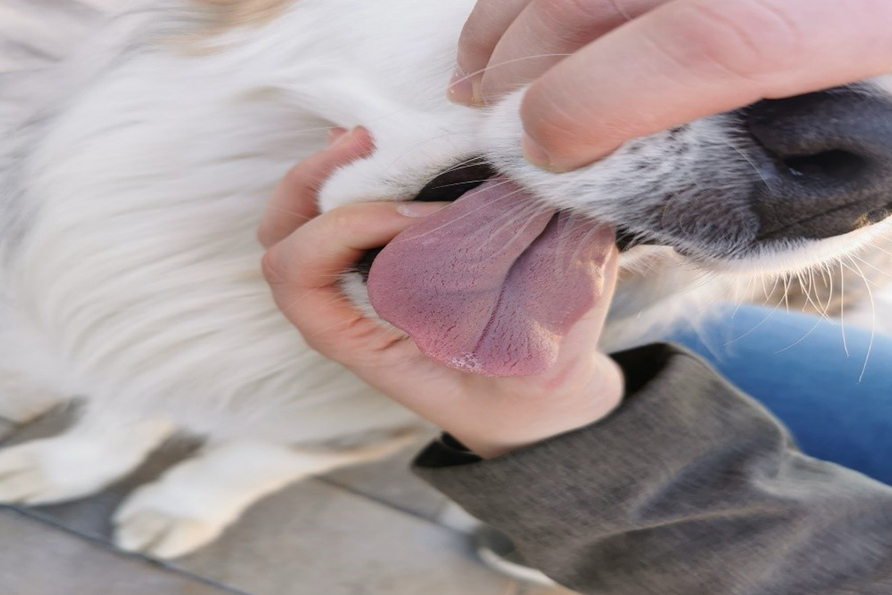
Figure 2: A pale, cracked tongue are signs of a blood deficiency and the consequent symptoms can often be remedied well with vitamin B12 preparations!
In Traditional Chinese Medicine there is tongue diagnosis. You can read almost any illness from the tongue. With a blood deficiency or vitamin B12 deficiency the tongue is often pale, but above all it has many cracks, and the longer the tongue, the more exhausted the animal usually is. Animals can also have burnout! Unfortunately they show it very poorly. The cause is the same as in humans: first overactivity and lack of sleep, then much later the absolute collapse. Many owners then believe the animal is simply old and nothing can be done.
In my practice I rely on the tongue diagnosis proven over millennia. I find it better than an insensitive blood analysis. Blood is merely the transport medium and does not necessarily reflect the actual condition of the body's cells. Blood values can on the one hand be very inaccurate, and on the other hand they can also mislead with false negatives.
How can I prevent a vitamin B12 deficiency in my pet?
The right nutrition is crucial. My central motto is: digestibility before vitamins!
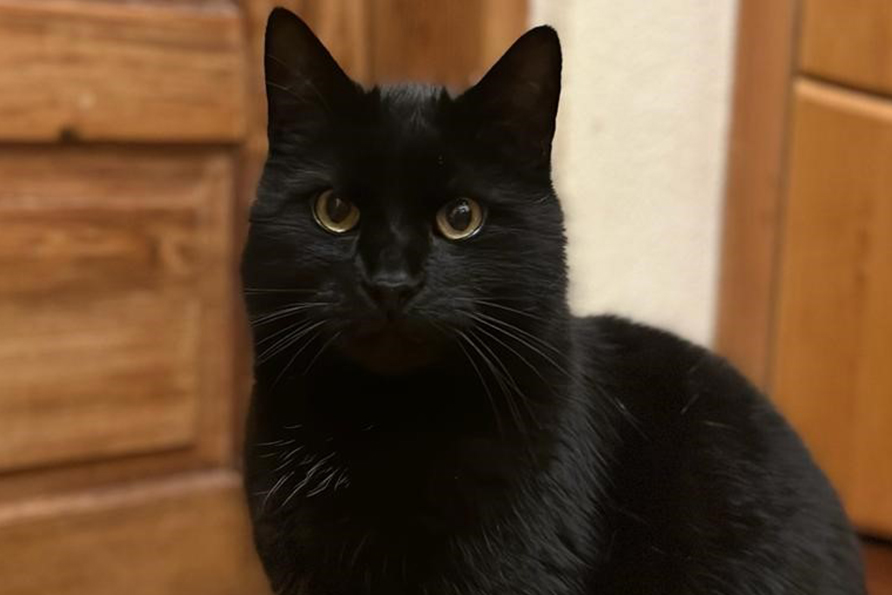
Figure 3: Our 15‑year‑old tomcat Findus (fed exclusively on fresh meat).
Often the many ingredients listed on pet food packaging sound very tempting and one believes that one's pet is supplied with all nutrients. But nature cannot be fooled: carnivores in the wild do not find dried foods. Feeding dry food is like humans eating only dried fruit and dehydrated vegetables. Animals cannot properly digest dry food. Deficiency symptoms only become apparent after years. Again one thinks: my animal is just old!
Additionally, many commercial products contain a range of synthetic vitamins and trace elements. Many also contain toxic sulphates. Copper(II) sulphate and zinc sulphate in the diet burden the liver and kidneys, damage nerves and promote allergies.
Important preventive measures against vitamin B12 deficiency are:
- Regular detoxification and liver support
- Species‑appropriate nutrition without dried components
- Feeding parsley, nettle and all things green
- Goji berries, which have a blood‑forming effect and may be fed in small amounts
- Broccoli and beetroot juice
- Blood and a small amount of offal (less than recommended in most feeding guides)
Digestibility matters more than ingredient lists! Even the most perfect nutrition can cause deficiencies if the food itself cannot be digested.
Strengthening liver and gut
In addition to supplementation, care for the liver and gut is essential. The liver can regenerate well but needs support. Liver herbs and detoxification with zeolite and chlorophyll are crucial. The gut also needs to be repaired to eliminate further damage. This primarily concerns the intestinal mucosa rather than the gut flora. After clear‑cutting a forest, you must first strengthen the soil before replanting.
Holistic approaches pay off
Manual therapies such as craniosacral therapy and acupuncture restore the organs' rhythm and improve blood circulation. Tightening of the fascia around the liver and stomach can loosen, allowing the "juices" to flow again.
Last but not least, the psyche must also be optimally supported. Trauma, shock (noise, renovations, moving) and constant loneliness weaken the liver and promote anaemia.
All these approaches together are decisive for a holistic, sustainable and successful therapy.
Which form of vitamin B12 is right for my animal?
It is also important to know that there are different forms of cobalamin, although usually only one is tested in animals. Reference ranges are also higher than in humans, so I recommend a course of vitamin B12 in drop form or by injection when symptoms suggest a deficiency.
Capsules or powders are absorbed at least 70% less well by a compromised digestive tract. That means that with a true deficiency and the wish for quick improvement we always do a 10‑day injection course of 1000 µg per day. We administer hydroxocobalamin‑acetate, whether for a cat, Jack Russell or Dobermann. They all receive the same dose. Owners can often give these injections at home. One injection per week usually makes no sense. High utilisation raises the dose and the depot is never replenished.
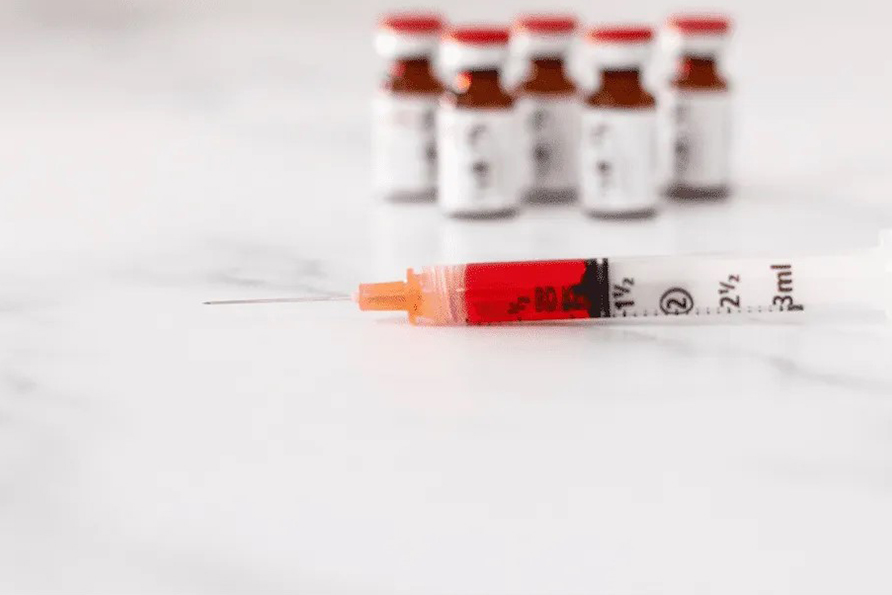
Figure 4: 1000 µg (1 mg) hydroxocobalamin‑acetate (vitamin B12) can correct a vitamin B12 deficiency in almost all animals. In severe acute cases, e.g. suspected epilepsy or pancreatitis, even higher initial doses may be given.
The bioavailability of vitamin B12 preparations is crucial. Cyanocobalamin is absorbed the least and is not optimally bioavailable. Methylcobalamin is ideally incorporated and has good bioavailability.
Hydroxocobalamin and adenosylcobalamin must be converted but can be stored well.
What happens with an excess of vitamin B12?
Not much — the water‑soluble vitamin is excreted in the urine. An expensive urine, nothing more!
Vitamin B12 can be elevated in the following diseases:
- Liver diseases
- Certain cancers
- Various forms of leukaemia, lymphoma and leukosis
- Myelosclerosis
Conclusion
Today vitamin B12 must be supplemented in almost all problems and conditions. An increased vitamin B12 blood result does not automatically rule out substitution. Capsules are poorly absorbed; liquid vitamin B12 is better. Only a holistic approach that addresses all aspects of animal health is promising and leads to long‑term improvements in our animals' health. Stress from overstimulation and an inappropriate lifestyle play a central role in B‑vitamin metabolism.
Biography
Born in Graz and raised on the countryside next to a farm, Eva Fürnschuss was introduced to naturopathy as a child by her herb‑knowledgeable grandmother and mother. Her favourite books were about animals and the pharmacy of nature. During her veterinary studies in Vienna she additionally completed intensive training in classical homeopathy. Through numerous stays abroad in Canada and Scotland she was able to gain new perspectives in veterinary medicine and BARF. A distance‑learning TCVM course at the Qi Institute in Florida followed, as well as an acupuncture course in Germany. Later she dived into the world of medicinal mushrooms and orthomolecular therapy. In her veterinary practice Eva Fürnschuss has been working for over 15 years with an individual selection drawn from all these methods. Together with a healthy diet, this is certainly the secret to successful and sustainably positive therapies.
Eva Fürnschuss lives with her family, three human children and 14 animal protégés in the beautiful Styria in Austria.
VET Alternative - Holistic Veterinarian Mag.a Eva Fürnschuss

