
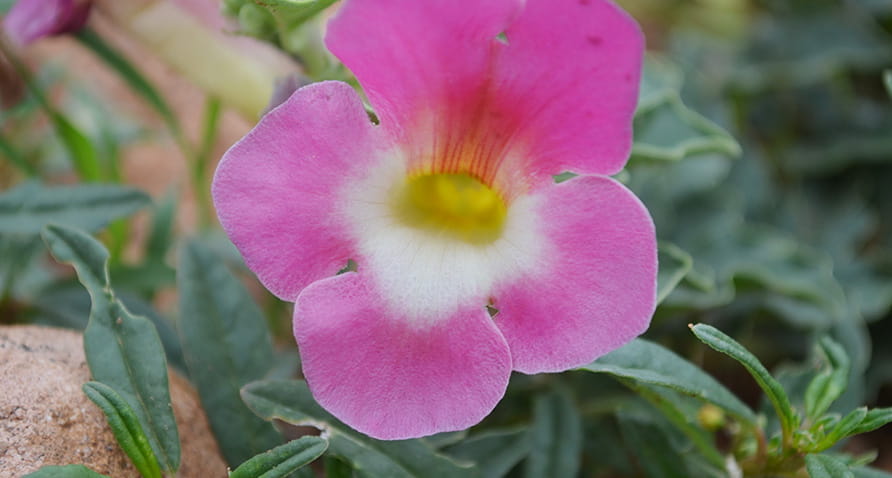
Figure 1: In Africa, devil's claw has been valued for centuries as a medicinal plant. Among other uses, the plant is said to be effective for joint pain and digestive complaints.
Devil's claw is regarded as a natural analgesic. The medicinal plant is primarily used to relieve musculoskeletal pain, for example in degenerative conditions such as osteoarthritis or rheumatism. In this blog article you will find further information on the effects and common indications of African devil's claw. You will also learn what to look for when choosing a devil's claw supplement and which side effects may occur with its use.
Devil's claw: medicinal plant from the African savannah
The African devil's claw (Harpagophytum procumbens) is a time-honoured medicinal plant found exclusively on the African continent. The sesame family plant mainly thrives in the savannahs of Namibia and in Zimbabwe, Botswana and South Africa. Devil's claw has strong, often extensively branched underground roots that can weigh up to 600 grams. Its roots serve the plant as water and nutrient stores, enabling it to survive even extreme drought periods.
When harvested, the main root is left intact so that new storage roots can develop. The roots of devil's claw are then chopped and dried and processed into teas, tinctures, ointments or devil's claw preparations. The plant's red-violet flowers, up to 6 centimetres in size, develop into capsule fruits with arm-like protuberances. After splitting open, the fruits spread widely and become woody. Visually, the split seed capsules resemble strong barbs, which is how devil's claw got its name. The plant spreads across areas by clinging to the fur of animals with the help of its hooks.
The valuable constituents of devil's claw
A large proportion of the active constituents in devil's claw are found in its root. In particular, the bitter compound harpagoside is attributed numerous health-promoting properties. Among other effects, this compound is said to reduce the formation of pro-inflammatory tissue hormones (prostaglandins) and to have anti-inflammatory and analgesic effects. In addition, devil's claw contains other bitter compounds, the so-called iridoids (e.g. procumbid), unsaturated fatty acids, phenylethanol derivatives and flavonoids.
Health effects and indications
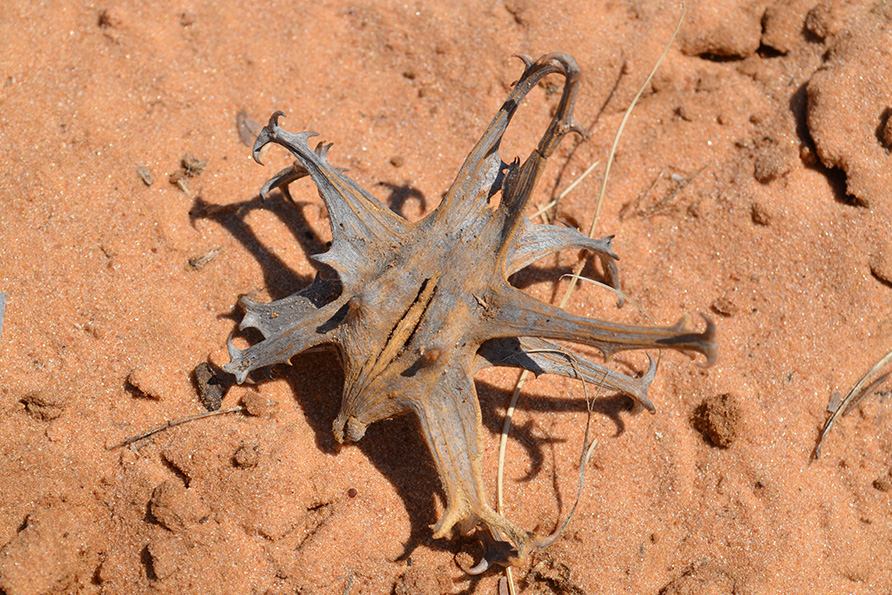
Figure 2: The plant owes its name to its unusually shaped fruits equipped with barbs. Because of its analgesic and anti-inflammatory effects, it is used as a medicinal plant for numerous ailments.
Devil's claw has been an established part of South African folk medicine for centuries. Traditionally the plant is used, for example, for fever, loss of appetite or to ease labour pains. However, efficacy in these areas has not yet been comprehensively proven scientifically. In general, the evidence base for the health effects of devil's claw is insufficient, as many of the studies conducted to date have methodological shortcomings.[1] For example, various animal studies exist on the anti-inflammatory effects of Harpagophytum extracts, but their results cannot be compared due to inadequate characterisation of the plants used. Also, the observation period in many studies was too short to demonstrate the effects investigated for devil's claw.
However, empirical experience with extracts from devil's claw is very good. The Committee on Herbal Medicinal Products (HMPC) of the European Medicines Agency (EMA) therefore concluded that preparations from devil's claw root are suitable for use in mild joint pain, digestive disorders and loss of appetite.[2]
Below we present some of the main mechanisms of action and uses of devil's claw.
Analgesic effect
African devil's claw exerts anti-inflammatory and analgesic effects. The plant is therefore regarded as a natural painkiller and an attractive, low-side-effect alternative to synthetic analgesics. Studies have shown that devil's claw preparations containing at least 50 milligrams of harpagosides per daily dose can be effective for joint and back pain.[3]
Arthritis and rheumatism
Devil's claw is often used particularly for inflammatory joint diseases such as arthritis and for other degenerative conditions of the musculoskeletal system. The analgesic effect of devil's claw in arthritis has been demonstrated in several studies.[4] In a randomised, controlled study, 89 arthritis patients received either 2000 milligrams of devil's claw extract daily (containing 60 milligrams harpagosides) or a placebo for eight weeks. After eight weeks, pain in the devil's claw group was significantly lower compared with the placebo group. In addition, mobility had improved markedly in participants who had taken devil's claw.[5] The researchers however note that larger studies with flawless methodology are needed to definitively demonstrate the efficacy and safety of devil's claw extract in arthritis.
Devil's claw is also frequently used for rheumatic joint and back pain.[6] By reducing joint pain, the plant can help decrease the amount of prescribed pain and rheumatism medication.
Digestive complaints
Bitter substances are rightly considered healthy and digestive-stimulating. In the gut, the secondary plant compounds cause increased secretion of gastric juice and bile and improve bowel motility. It is therefore unsurprising that devil's claw has traditionally been used for digestive complaints such as bloating or an uncomfortable feeling of fullness. The bitter compounds it contains, including the main active ingredient harpagoside, can also have an appetite-stimulating effect.
Tips for choosing a suitable devil's claw product
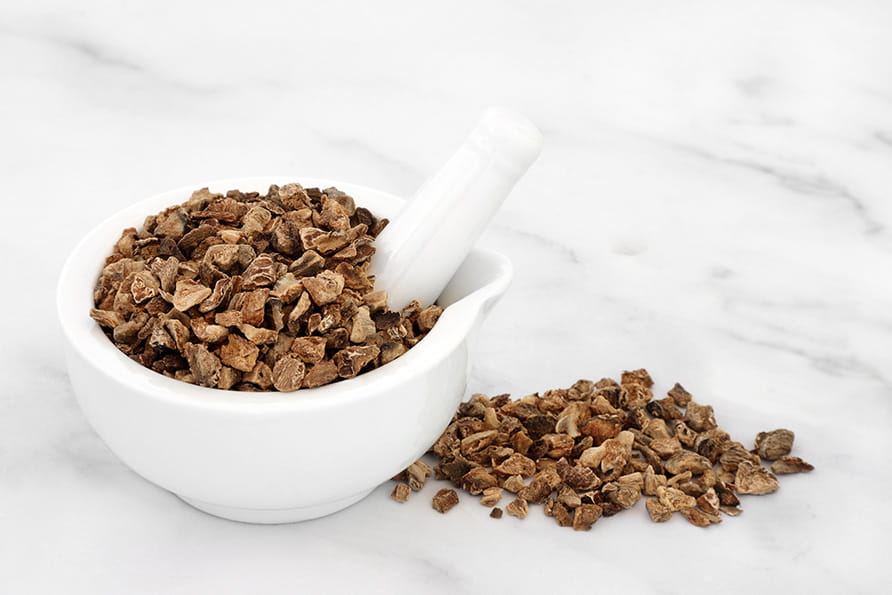
Figure 3: Before you choose a product containing devil's claw for internal use, you should check the harpagoside content of the product.
Devil's claw does not grow wild in Europe. Devil's claw root is, however, available in pharmacies and health food shops in dried, cut or powdered form. As a bitter culinary herb, you can use devil's claw in the kitchen, for example in dips and herb butter or as a salad seasoning. A tea can also be made from the roots as a home remedy for back pain or digestive problems. However, preparation is quite time-consuming due to the long infusion time of at least eight hours. In addition, the bitter taste of devil's claw tea is generally acquired.
Many people therefore turn to devil's claw dietary supplements to benefit from the plant's valuable constituents in a convenient and less strongly flavoured form. Devil's claw preparations are available as aqueous extracts, dry extracts or alcoholic extracts. In most of the studies to date that have demonstrated a positive effect of devil's claw—for example on rheumatic pain in the hip and knee—aqueous or dry extracts were used.[7] It is therefore assumed that these dry or aqueous extracts are overall more effective than alcohol-based extracts.
Before deciding on a particular product, you should definitely check the harpagoside content of the respective preparation. Harpagoside is regarded as the main active constituent of devil's claw, contributing to many of the plant's positive effects. The Devil's claw extract with L‑leucine capsules by Unimedica contain 500 milligrams of devil's claw extract per capsule with 1.2% harpagosides.
In addition to supplementation, devil's claw can also be used externally. High-quality natural cosmetics such as the Devil's claw cream by Unimedica can, when gently massaged in, have a relaxing effect and be extremely soothing for tension. The unique composition of 100% pure essential oils and valuable plant extracts in the cream stimulates circulation, cares for the skin and pampers the senses with its naturally spicy fragrance.
Correct intake and dosing of devil's claw preparations
The amount, timing and frequency of devil's claw extract intake depend, among other things, on the chosen preparation as well as your individual preferences and complaints. Devil's claw capsules are usually taken two to three times daily with a meal and sufficient fluid. A typical daily dose for arthritis and musculoskeletal pain is 1800 to 2400 milligrams of devil's claw root powder (containing 50 to 100 milligrams harpagosides).[8]
It is also important to know that long-term use is usually necessary to achieve the desired effects. The European Scientific Cooperative on Phytotherapy (ESCOP) recommends a treatment period of at least three months with Harpagophytum extract.[9] It is advisable to consult your doctor regarding the appropriate dosage and duration of intake before you start using a devil's claw supplement.
Possible side effects of devil's claw
In general, devil's claw is considered well tolerated. However, people with a sensitive stomach or those who take excessive amounts of devil's claw preparations may experience gastrointestinal problems. Possible mild side effects include nausea, abdominal pain and diarrhoea. Allergic reactions on contact with devil's claw cannot be ruled out.
If you suffer from gallstones, stomach ulcers, heart problems or diabetes, you should not take devil's claw extract. As devil's claw can lower blood sugar levels, it may affect the efficacy of diabetes medications. Interactions with other drugs are also possible. People taking non-steroidal anti-inflammatory drugs such as celecoxib or ibuprofen, blood thinners or acid-reducing medications should only use devil's claw products after consulting a doctor. Due to insufficient data, pregnant and breastfeeding women as well as children under 12 should also avoid using devil's claw preparations.
[1] Harpagophytum procumbens (devil's claw). Monograph. Altern Med Rev. 2008 Sep. https://pubmed.ncbi.nlm.nih.gov/18950251/.
[2] European Medicines Agency (2016): Harpagophyti radix – herbal medicinal product. https://www.ema.europa.eu/en/medicines/herbal/harpagophyti-radix.
[3] Chrubasik S. Wirksamkeit pflanzlicher Schmerzmittel am Beispiel des Teufelskrallenwurzelextrakts [Devil's claw extract as an example of the effectiveness of herbal analgesics]. Orthopade. 2004 Jul. https://pubmed.ncbi.nlm.nih.gov/15150687/.
[4] Brien S, Lewith GT, McGregor G. Devil's Claw (Harpagophytum procumbens) as a treatment for osteoarthritis: a review of efficacy and safety. J Altern Complement Med. 2006 Dec. https://pubmed.ncbi.nlm.nih.gov/17212570/.
[5] Lecomte A, Costa JP. Harpagophytum in osteoarthritis. Double-blind, placebo-controlled study. Le Magazine 1992.
[6] Brendler T. From Bush Medicine to Modern Phytopharmaceutical: A Bibliographic Review of Devil's Claw (Harpagophytum spp.). Pharmaceuticals (Basel). 2021 Jul 27. https://www.ncbi.nlm.nih.gov/pmc/articles/PMC8398729/.
[7] Achmüller A. Harpagophytum Procumbens. Afrikanische Teufelskralle. Österreichische Apotheker-Zeitung. 2021 Aug 16. https://www.oeaz.at/Pharmazie_Tara_Medizin/hmppa-monographien/Afrikanische_Teufelskralle.html (accessed: 15.10.2024).
[8] Harpagophytum procumbens (Devil’s Claw). Altern Med Rev. 2008 Sep 13. https://altmedrev.com/wp-content/uploads/2019/02/v13-3-248.pdf.
[9] Harpagophyti radix. European Scientific Cooperative in Phytotherapy ed. ESCOP Monographs (Stuttgart/New York). 2003.
Figure 1: SC Gardens/Shutterstock.com; Figure 2: SC Gardens/Shutterstock.com; Figure 3: marilyn barbone/Shutterstock.com

