
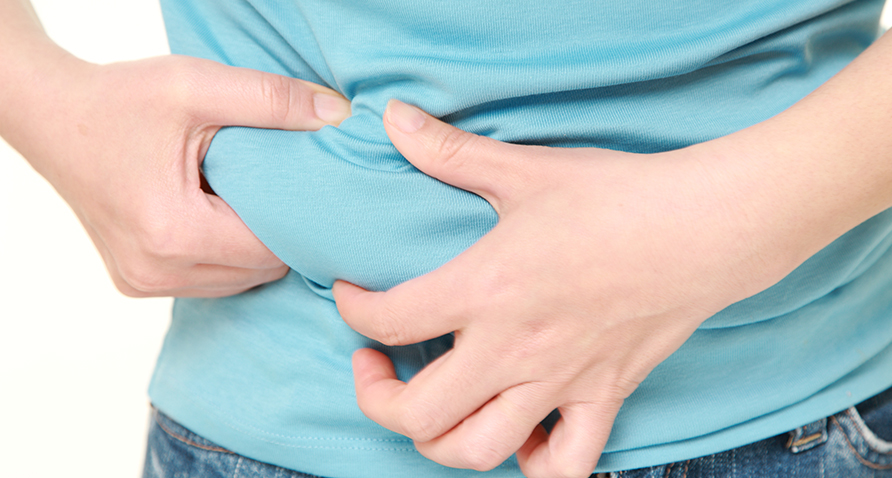
Figure 1: Too much abdominal fat is a serious health risk. Visceral fat can, among other things, promote cardiovascular disease, type 2 diabetes and hormonal disorders.
It is widely known that being overweight poses a health risk. However, when assessing how harmful excess pounds are, not only body weight as such matters but also the location of the fat deposits. Fat in the abdominal area – so‑called visceral fat – is particularly dangerous because it can promote inflammation and thus, among other things, favour cardiovascular disease. In this blog article you will learn how belly fat develops and what makes it so dangerous. You will also receive 8 holistic tips that can help you sustainably reduce your belly fat through lifestyle changes.
What is visceral fat and how does it develop?
Many people find fat pads in the abdominal area aesthetically displeasing. But belly fat (also called “visceral fat” or “visceral adipose tissue”) is much more than an aesthetic problem. To better understand the connection, it is important to know that there are basically two types of body fat, which differ clearly in location and health effects.
Subcutaneous fat is the “layer of fat” that lies directly under the skin – for example at the hips, buttocks and thighs. This subcutaneous adipose tissue primarily serves as an energy store and also has an insulating function. Visceral fat, by contrast, refers to those fat deposits that form deep in the abdominal cavity around organs such as the intestines, liver and pancreas. Unlike subcutaneous fat, abdominal fat is metabolically active. It functions like an organ in its own right, producing hormones and pro‑inflammatory substances. Because it can promote chronic inflammatory processes, visceral fat carries a higher health risk than subcutaneous fat tissue.
The possible triggers for the development of belly fat are varied. Elevated cortisol levels due to stress or lack of physical activity count among the risk factors, as do age (the tendency to form visceral fat increases from around 30 to 40 years), a corresponding genetic predisposition, a prolonged calorie surplus, poor sleep and alcohol consumption.
When does belly fat become a health risk?
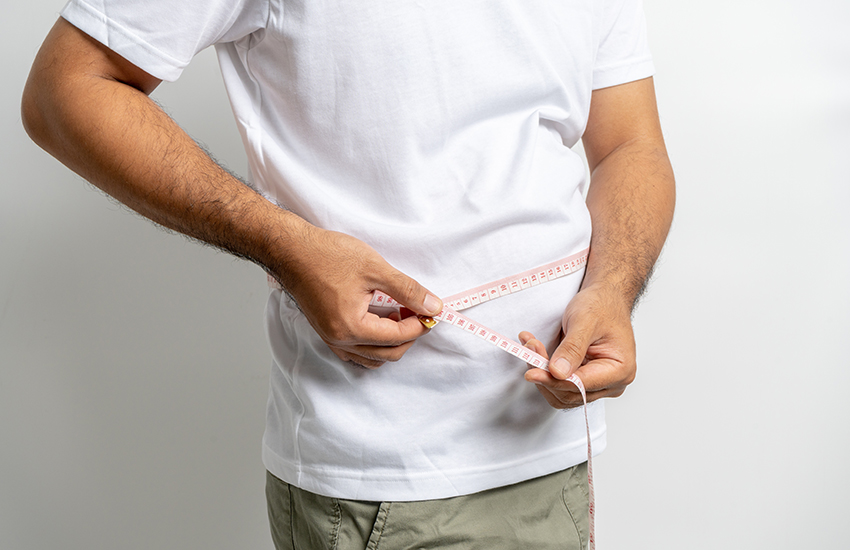
Figure 2: To better assess how problematic your own visceral fat is, measuring waist circumference or determining the waist‑to‑height ratio (WHR) is useful.
A certain amount of fat in the abdominal area is perfectly normal. But how can you tell whether your belly fat already represents a serious health risk? While obese people are very likely to have excess visceral fat, the assessment is more complicated in those who are slightly overweight or of normal weight. Yes: even slim people can have too much abdominal fat. These “thin‑fat” individuals are sometimes referred to as TOFI (short for “thin outside, fat inside”). In them the internal abdominal fat is not visible but hidden between the organs. If visceral fat remains undetected and nothing is done about it, negative health consequences threaten (see next section). In fact, overweight people with a more even fat distribution have only about half the mortality risk of normal‑weight people with excess belly fat.[1]
The body mass index (BMI) therefore provides at best a rough guide. Many athletic people have a BMI that is officially classed as high because muscle mass is relatively heavy. Conversely, slim people can still have worrying fat deposits in the abdominal area while maintaining a BMI in the “green zone”. A more suitable method to assess the health risk from belly fat is therefore to measure waist circumference. For this, a simple tape measure can be used, placed approximately at the level of the navel. The WHO has specified waist circumferences at which the risk for metabolic diseases increases.[2] According to WHO guidelines, a waist circumference of more than 80 centimetres in women and more than 94 centimetres in men is already critical and carries an increased risk for cardiovascular disease and type 2 diabetes mellitus. The WHO advises urgent weight loss from a waist circumference of 88 centimetres (women) and 102 centimetres (men).
Additionally, determining the so‑called waist‑to‑height ratio (WHR) can be useful. This method takes into account both waist circumference and body height (and age) and relates them to each other. The waist circumference divided by height (both in cm) should be below 0.51 (for those under 40 years). From the 40th birthday onwards, the waist circumference may increase by 0.01 per year but should not exceed a maximum of 0.61.
From heart attack to fatty liver: risks and long‑term consequences of visceral fat

Figure 3: Excess visceral fat increases the risk of fatty liver and other organ damage.
In general: the more belly fat we have, the higher the health risk. This is mainly due to the pro‑inflammatory signalling molecules and other metabolically active substances produced by visceral fat. Below you will find a selection of (chronic) diseases that can develop in the long term when visceral fat is excessive.
1. Cardiovascular disease
When discussing the negative consequences of belly fat, the focus is usually on cardiovascular disease. Indeed, visceral fat can promote the development of cardiovascular disease via several pathways. First, pro‑inflammatory signalling molecules such as interleukin‑6 cause the body to remain in a permanent inflammatory state. This can promote hardening and narrowing of the arteries (atherosclerosis). Atherosclerosis in turn often leads to impaired blood flow and is therefore considered one of the main triggers for heart attack and stroke.
In addition, abdominal fat produces plasminogen activator inhibitors (PAI). As an inflammatory factor, PAI inhibits the dissolution of blood clots. This can lead to the formation of larger thrombi which, through blockage of vessels, may result in thrombosis and ultimately, in the worst case, in embolism or heart attack.
2. Insulin resistance
Visceral fat can promote insulin resistance, from which type 2 diabetes mellitus often develops.[3] But how exactly does belly fat cause insulin resistance? Again, it is primarily pro‑inflammatory signalling molecules (cytokines) and free fatty acids produced by visceral fat that are to blame. These substances disrupt insulin signalling, causing muscle and liver cells to respond less well to insulin. The result: glucose can no longer enter the cells and blood sugar rises. If this state persists, insulin resistance often leads to type 2 diabetes.
3. Metabolic syndrome
The metabolic syndrome is a combination of metabolic disturbances that is present when at least three of the following five factors are in an unfavourable range: waist circumference, blood pressure, fasting blood glucose, triglycerides and HDL cholesterol. Studies show that excessive visceral fat increases the risk of meeting the criteria for metabolic syndrome.[4] You can think of belly fat as the engine of the metabolic syndrome. Through inflammation, an influence on lipid metabolism and hormonal changes it can raise waist circumference, blood glucose and triglyceride levels and promote hypertension (high blood pressure).
4. Hormonal disorders
Because it functions like an endocrine organ, visceral fat can significantly affect the hormonal balance. Around 20 hormones and other substances are known to be released by visceral fat into the bloodstream. One of the most important of these is leptin. The hormone produced by fat cells is also known as the “satiety hormone”. It signals to the hypothalamus in the brain that energy stores are full and that hunger can be reduced. If a visceral fat surplus causes very large amounts of leptin to be released, leptin resistance can develop. This creates an easy vicious circle: the satiety signal no longer works properly, leading to persistent appetite and, consequently, often to overweight and further accumulation of belly fat.
5. Organ damage
Direct damage to organs such as the liver and kidneys by visceral fat is also possible. The free fatty acids that visceral fat releases directly into the portal vein can accumulate in the liver (steatosis) and contribute to the development of simple fatty liver (hepatic steatosis). In addition, substances produced by abdominal fat such as leptin and PAI can interfere with the vascular function of the kidney and, among other things, damage its filtering units (glomeruli). Pro‑inflammatory signalling molecules from visceral adipose tissue can further accelerate the progression of organ damage.
Reduce visceral fat: 8 holistic tips against belly fat
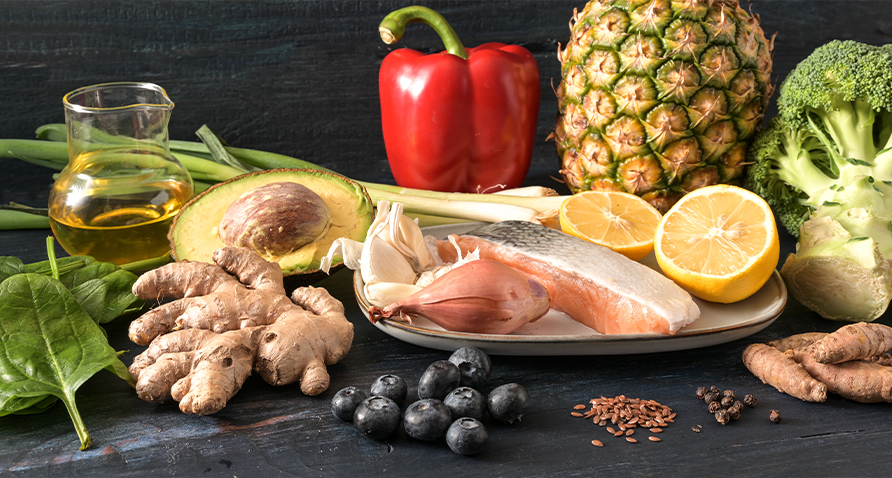
Figure 4: By sensibly adjusting your lifestyle, a reduction in belly fat can already be achieved in a relatively short time.
If you want to lose or significantly reduce belly fat, lifestyle changes are unavoidable. Nutrition, exercise, stress management and sleep are key levers when it comes to reducing visceral fat effectively. Which strategy is right for you depends, among other things, on whether you are of normal weight or overweight. Your exercise programme and daily calorie intake should be tailored to your body weight. But regardless of how much belly fat you are starting with: the good news is that visceral fat responds faster to changes in diet and training than subcutaneous fat tissue. If you consistently implement the following holistic tips, you can usually look forward to a noticeable reduction in your belly fat after 8 to 12 weeks.
- n
- Eat an anti‑inflammatory diet: To counteract the many pro‑inflammatory signalling molecules produced by belly fat, an anti‑inflammatory diet is recommended. In implementing this you can orient yourself to the basic principles of an alkaline‑forming dietary approach, which also acts in an anti‑inflammatory way. Vegetables, fruit, fibre and protein from good sources (e.g. legumes, fish, tofu, lean meat) should appear on the menu more often. Antioxidants from berries, green leafy vegetables and spices such as turmeric and ginger also act anti‑inflammatorily by neutralising free radicals and reducing oxidative stress in the body.n
- Include many protein‑ and fibre‑rich foods: A protein‑rich diet is important for building muscle and preserving muscle mass even in a calorie deficit. Protein is also the most satiating macronutrient, which makes weight loss easier and can prevent cravings. Also make sure your meals are high in fibre. Fibre not only promotes lasting satiety but also serves as “food” for beneficial gut bacteria. These bacteria can produce short‑chain fatty acids such as butyrate, which have anti‑inflammatory effects and can improve insulin sensitivity.n
- Practice intermittent fasting: Not only the amount and composition of calories decide the successful loss of body fat; the timing of food intake also plays a role. People with excess visceral fat are often recommended to try intermittent fasting (e.g. the 16:8 variant). With this form of time‑restricted eating you eat within a fixed eight‑hour window and fast for the remaining 16 hours. During fasting phases the cells have to process insulin less often, which tends to lower insulin levels and promotes visceral fat loss.[5] Fasting also reduces the release of inflammatory signalling molecules from visceral fat and makes it easier to adhere to a calorie deficit. How long and when you fast depends on the individual situation. Women, for example, fast differently from men: intermittent fasting for women should be adjusted to the menstrual cycle to account for hormonal fluctuations, e.g. with shorter fasting periods (12–14 hours) in the follicular phase and longer ones (14–16 hours) in the luteal phase.n
- Choose unsaturated fats: To reduce visceral fat, avoid pro‑inflammatory trans fats (e.g. in processed foods or deep‑fried items). Instead favour monounsaturated fats found in olive and rapeseed oil, avocado and nuts. Anti‑inflammatory omega‑3 fatty acids (e.g. in fatty fish such as salmon, mackerel and herring, as well as in linseed, chia seeds and walnuts) can also be used regularly.n
- Avoid sugar and alcohol: Sugar can cause sharp rises in blood glucose and consequently in insulin levels. Insulin in particular promotes fat storage in the visceral area, which is why sugary products such as soft drinks and sweets should be avoided. The same applies to alcohol, as it can block fat loss and promote inflammatory processes in the liver and abdominal fat.n
- Get moving daily: Without regular physical activity, healthy loss of visceral fat is extremely difficult. A combination of aerobic and resistance training is considered ideal and can support not only the reduction of belly fat but also overall weight loss. Even small bouts of activity – for example a 30 to 60‑minute walk or a light jog – can make a decisive difference. If you also build muscle through regular strength training, you will be rewarded with an increased resting metabolic rate. This means your body burns more calories even at rest, which facilitates fat loss.n
- Establish effective stress management: When we are chronically stressed, the body continuously releases cortisol. The “stress hormone” is known to promote storage of visceral fat, as there are many cortisol receptors in the abdominal area. Cortisol also potentially increases appetite, which can quickly lead to a calorie surplus and the formation of even more visceral fat. Effective stress management, for example including breathing exercises and meditation, should therefore not be neglected.n
- Aim for 7 to 9 hours of sleep: Equally important to conscious relaxation is sufficient, restorative sleep. Sleep is essential for hormone regulation and can also influence appetite during the day. With sleep deprivation, the “satiety hormone” leptin decreases while the “hunger hormone” ghrelin is released in larger amounts. The frequent result: increased food intake and, in the long term, an increase in visceral fat.n
Disclaimer
This article does not replace treatment by a qualified practitioner. The basis of this contribution is formed by studies and current literature. It must not be used for self‑diagnosis or self‑treatment. If necessary, discuss any inspirations from this article with a practitioner you trust.
About the author
Katharina Korbach regularly writes blog posts about medicinal plants and natural active ingredients for Narayana Verlag. She became interested in language early on and began writing her own literary texts. A serious illness during her A‑levels prompted an intensive engagement with health and nutrition topics that continues to this day. After repeated failure of conventional medical treatments, she decided on a more self‑efficacious, naturopathic therapeutic approach. A plant‑based diet was a key element in her recovery journey.
Katharina studied Cultural Studies (B.A.) and Applied Literary Studies (M.A.). In 2022 she published her debut novel “Sperling” with Berlin Verlag. She now lives in Berlin as a freelance author, medical editor and lecturer. She spends her free time preferably with friends or doing barre training. She also loves travelling and trying out new vegan recipes.
[1] Sahakyan KR, Somers VK, Rodriguez‑Escudero JP, Hodge DO, Carter RE, Sochor O, Coutinho T, Jensen MD, Roger VL, Singh P, Lopez‑Jimenez F. Normal‑Weight Central Obesity: Implications for Total and Cardiovascular Mortality. Ann Intern Med. 2015 Dec 1. https://pubmed.ncbi.nlm.nih.gov/26551006/.
[2] WHO (2011): Waist cirumference and waist‑hip ratio: report of a WHO expert consultation. https://www.who.int/publications/i/item/9789241501491.
[3] Tchernof A, Després JP. Pathophysiology of human visceral obesity: an update. Physiol Rev. 2013 Jan. https://pubmed.ncbi.nlm.nih.gov/23303913/.
[4] Shah RV, Murthy VL, Abbasi SA, Blankstein R, Kwong RY, Goldfine AB, Jerosch‑Herold M, Lima JA, Ding J, Allison MA. Visceral adiposity and the risk of metabolic syndrome across body mass index: the MESA Study. JACC Cardiovasc Imaging. 2014 Dec. https://pmc.ncbi.nlm.nih.gov/articles/PMC4268163/.
[5] Dokpuang D, Zhiyong Yang J, Nemati R, He K, Plank LD, Murphy R, Lu J. Magnetic resonance study of visceral, subcutaneous, liver and pancreas fat changes after 12 weeks intermittent fasting in obese participants with prediabetes. Diabetes Res Clin Pract. 2023 Aug. https://pubmed.ncbi.nlm.nih.gov/37315900/.
Figure 1: UV70/shutterstock.com ; Figure 2: Patcharanan/shutterstock.com ; Figure 3: Jo Panuwat D/shutterstock.com ; Figure 5: Maren Winter/shutterstock.com
06.11.2025
n
