
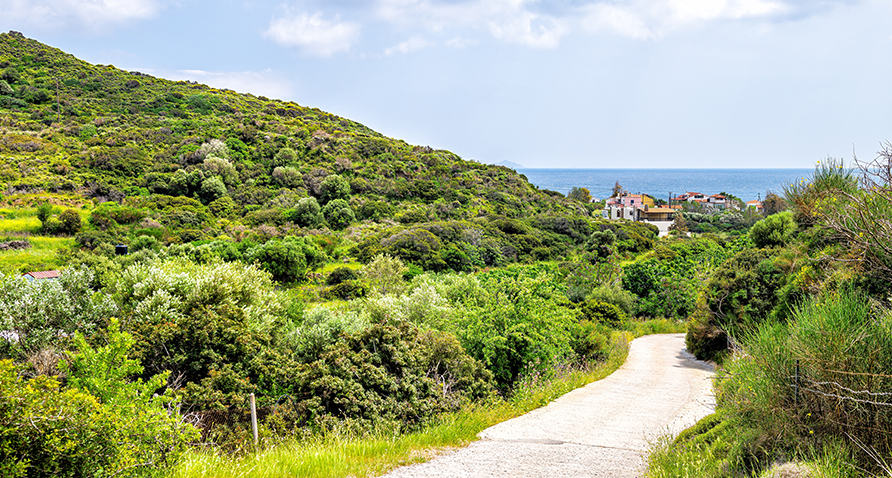
Figure 1: On the Greek island of Ikaria people can enjoy an unusually long and happy life. Why this is so is the subject of scientific research.
Many people are looking for ways and opportunities to improve their own health and extend their lives. 'Longevity' is on everyone's lips. It is therefore worth taking a look at those regions of the world where this seems to happen naturally – the Blue Zones. In these geographic areas a striking number of people not only live to an advanced age but remain physically and mentally healthy. But what makes these places so special? And what insights can we gain from them for our own longevity?
First: What are Blue Zones and where are they located?
The term 'Blue Zones' was popularised by American science journalist Dan Buettner and his research team. In his research he identified five regions in the world where people very frequently live to around 100 years of age – and in good health. The identified regions differ widely in geography, culture and climate. Nevertheless, remarkable similarities in the lifestyles of the inhabitants emerge.
Buettner’s team found that all the regions are more or less isolated. More precisely, the regions are islands, peninsulas or lie in small towns or mountain areas, so that the people living there are exposed to less noise, air pollution or artificial light, for example. Despite their isolated locations there is good access to medical care and clean drinking water. It is also noticeable that the Blue Zones are located in warm, sunny regions, which promotes the production of vitamin D.
These five regions are considered so-called Blue Zones:
- Okinawa (Japan)
- Ikaria (Greece)
- Sardinia (Italy)
- Loma Linda (California - USA)
- Nicoya (Costa Rica)
Natural diet – traditional and plant-based
A central factor in all Blue Zones is a predominantly plant-based and natural diet. Fruit, vegetables, legumes, nuts and seeds are essential components of the daily food intake. These are often home-grown and therefore free from pesticides and other harmful environmental influences. By contrast, meat and animal products are consumed only in limited amounts and sugar and industrially processed foods are hardly part of the diet. Food choices are seasonal and local and preparation is traditional.
With regard to portion size, people in Okinawa, for example, follow the practice of eating only until they are about 80% full. This promotes a healthy metabolism and helps prevent overweight. It is an approach that can be integrated into everyday life with a little mindfulness.
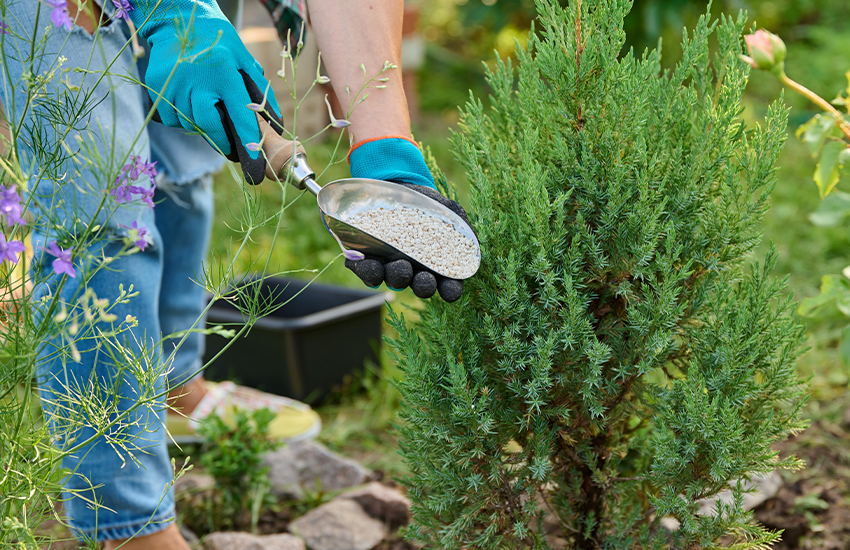
Figure 2: Exercise on the side and without a gym membership – gardening keeps body and mind fit.
Movement as a regular part of the day
People who live in the Blue Zones have an active lifestyle and naturally incorporate movement into their daily routines. Gardening, growing vegetables, manual tasks or walking are on the daily agenda. The high level of everyday activity at moderate intensity supports physical health and overall well‑being.
Social networks – but in real life

Figure 3: Social bonds have a positive effect on mental and physical health.
One of the superpowers of the Blue Zones is community. People there live in a stable social environment with a strong sense of community. Communal activities, mutual support and frequent exchange are part of everyday life. There is a close connection between people, family, neighbours and friends. People remain integrated into the community well into old age. This increases the sense of belonging and also of security. Social inclusion appears to be a key factor for a long and happy life.
Sense of purpose
People who live in the Blue Zones know what to do. Their lives have a clear purpose and everyone has a role. This role is regarded as valuable and beneficial to the community and gives the individual's life a certain structure. Different regions use different terms for this sense of purpose – regardless of what it is called, it appears to have a positive influence on health and longevity. Residents of the Blue Zones know why they get up in the morning.
Rituals that reduce stress
People in the Blue Zones are not free of stress either. What matters is how they deal with it. People there actively reduce their stress levels, whether through regular breaks, midday naps, prayer or meditation. Time is consciously set aside for relaxation.

Figure 4: Slowing down is not laziness but genuine quality of life.
What can we learn from the findings about the Blue Zones?
Even if we do not live in one of these regions and have very different circumstances and living conditions, we can still use some of the insights from the Blue Zones and integrate them into our modern everyday lives. A sugar-reduced diet full of unprocessed and as natural as possible foods or increasing everyday activity, for example by walking or cycling more of our journeys, could be possible starting points. Another way to incorporate some of the findings into one’s own life is to cultivate and consciously strengthen social relationships and thereby build one’s own community. Those who want to emulate the people in the Blue Zones can consciously establish stress management strategies in their daily lives and find a sense of purpose in their everyday existence.
Criticism of the Blue Zones concept
Dan Buettner and his marketing company use the Blue Zones concept commercially, leading to criticism that commercial interests could influence the reporting. Another point of criticism is doubt about the quality of the data on life expectancy and health of people in these regions due to inaccurate and limited documentation. (cf. Amigo)
Conclusion
The findings from the Blue Zones show us that when it comes to the goal of longevity – as with so much else – it is about the journey. A long and healthy life is the result of a lifestyle that seems to require little frills, but is rather characterised by a connection with nature, simplicity, community and mindfulness – in other words, a bit of 'back to our roots'.
Biography
Vivian Zajac holds a B.Sc. in health education and is a trainee naturopath with a special focus on holistic health and prevention. In a training course to become a gut health consultant she devoted herself to her passion, gut health, in 2022. In her free time she is also intensively involved with topics around health, naturopathy and biohacking, acquiring knowledge and continually trying out new things herself. Methods such as breathwork, ice bathing, strength training, healthy nutrition and as optimal a supply of micronutrients as possible are a fixed part of her life. Vivian Zajac not only loves optimising her own health further but also passing on her knowledge and enthusiasm – both privately and professionally. For her, a holistic view of the person is essential.
Amigo I. Shades of blue. Science. 2024 Nov 22;386(6724):840-845. doi: 10.1126/science.adu7169. Epub 2024 Nov 21. PMID: 39571034. https://www.science.org/content/article/do-blue-zones-supposed-havens-longevity-rest-shaky-science Accessed: 14 July 2025.
Buettner D, Skemp S. Blue Zones: Lessons From the World's Longest Lived. Am J Lifestyle Med. 2016 Jul 7;10(5):318-321. doi: 10.1177/1559827616637066. PMID: 30202288; PMCID: PMC6125071. https://pmc.ncbi.nlm.nih.gov/articles/PMC6125071/ Accessed: 14 July 2025.
Poulain M, Herm A, Pes G. The Blue Zones: areas of exceptional longevity around the world. Vienna Yearbook of Population Research. 2013. Vol 11. 87-108. https://austriaca.at/0xc1aa500e_0x00307bb6.pdf
Figure 1: Andriy Blokhin/shutterstock.com ; Figure 2: VH-studio/shutterstock.com ; Figure 3: Rawpixel.com/shutterstock.com ; Figure 4: natrot/shutterstock.com
13.11.2025

