
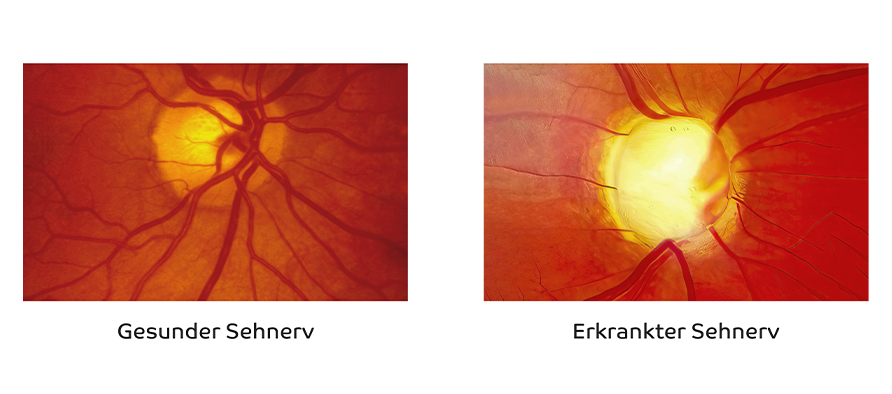
Figure 1: Increased intraocular pressure is a silent threat. Symptoms only appear in the advanced stages.
In Practical Homeopathy® we regard symptoms as valuable clues: signals from our body that show where an imbalance exists and which areas need support. But with glaucoma (or 'green star') it is different: when intraocular pressure rises, the optic nerve can be damaged—often without the affected person noticing at first. As the renowned Mayo Clinic explains:
"Many forms of glaucoma have no warning signs. The changes occur so gradually that a loss of vision is often not noticed until the condition is in an advanced stage."
Early detection is crucial
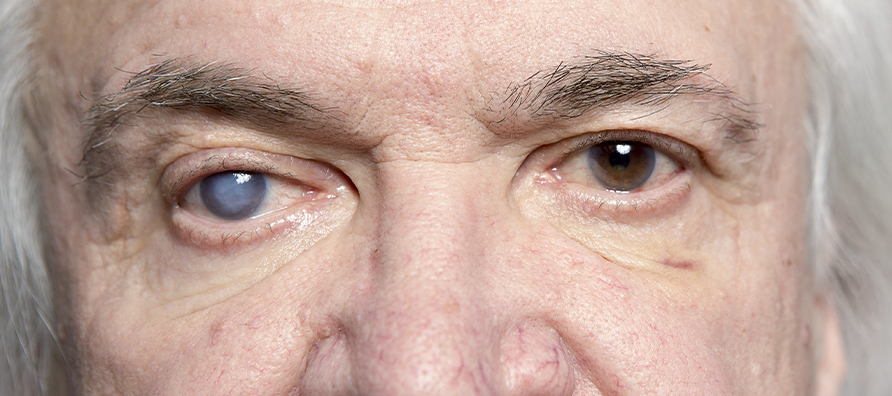
Because advanced glaucoma is often associated with permanent vision loss or even blindness, regular monitoring of intraocular pressure is particularly important.
A simple, non‑invasive test as part of a routine eye examination can provide decisive clues.
We cannot see or feel the pressure in our eyes ourselves—this is why measurement is so essential. If such a test shows elevated values, homeopathy can offer supportive options.
Homeopathic support: Argentum nitricum & Calcarea carbonica
According to the Banerji Protocol, a combination of Argentum nitricum C200 and Calcarea carbonica C30 can be helpful. Both remedies are taken twice daily but at different times. Further information on dosage and potency of the two remedies can be found here.
As I explain to my students: interestingly, Argentum nitricum is not listed among the most frequently mentioned remedies for glaucoma in Dr Robin Murphy's MetaRepertory (4th ed., p. 713) — it appears there only in the third rank. Nevertheless, I trust the Banerjis—every single time, over and over again.
Glaucoma is not a condition that improves quickly. It is a chronic process in which progress often only becomes visible over months or even a year. Nevertheless, I have repeatedly seen cases in my practice that were considered "hopeless" by conventional medicine show a marked improvement.
Monitoring the course: Trust is good – tests are better
Regular pressure measurements are indispensable to be able to assess changes objectively.
These values help evaluate the success of treatment—it is not enough to merely "feel better".
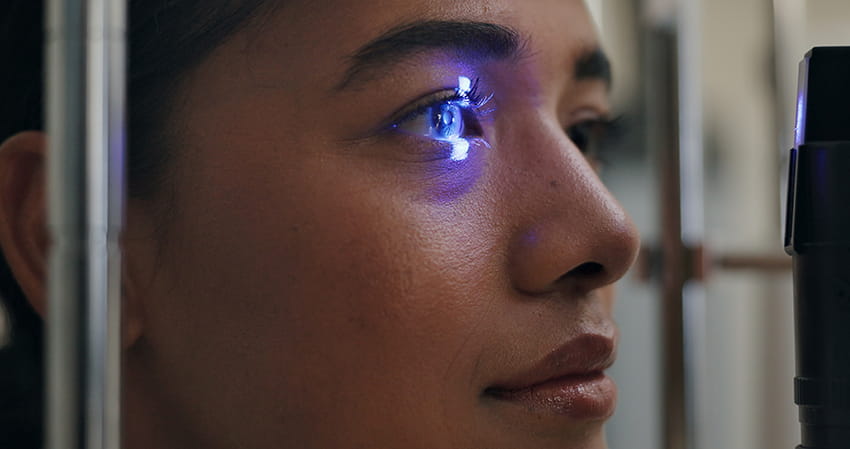
Figure 3: Regular checks of intraocular pressure are indispensable.
If the values improve, the frequency of taking the remedies can be reduced and, with sustained improvement, eventually stopped. It goes without saying that your treating ophthalmologist will very likely not be able to explain the improvement. But numbers don't lie and the results of the measurements should speak for themselves.
However, if improvements do not occur, the treatment should be adjusted or another approach chosen—ideally under the supervision of an experienced homeopath.
Back to basics
Even at school we learned that certain foods can specifically support certain bodily functions. I am not an expert in glaucoma, but my common sense tells me that I can apply that basic school knowledge alongside homeopathy. This holistic perspective is also worthwhile for eye conditions.
Fish oil supports eye health. As you know, I am not a fan of synthetic supplements. That is why I recommend the natural form found in oily wild fish such as salmon, mackerel or sardines. These may be eaten weekly.
Cod liver is an unusual but extremely nutrient‑rich food. One of my colleagues noticed a noticeable improvement after regular consumption (together with Argentum nitricum and Calcarea carbonica)—and loved the creamy taste. Cod liver is very rich, so small amounts are sufficient.
Sunlight is also good for the eyes. Of course I do not mean you should look directly into the sun—that would of course be inadvisable. But sunlight promotes the body's production of vitamin D, which is preferable to synthetic vitamin. A walk in the fresh air is therefore beneficial on many levels.
Homeopathy works—and in combination with conscious nutrition, exercise and regular monitoring it can make a valuable contribution to eye health.
Homeopathy helps—spread the word!
Warmly,
Yours

Book recommendations
https://joettecalabrese.com/blog/glaucoma-increased-intraocular-pressure/
Figure 1: Steve Allen/shutterstock.com + oasisamuel/shutterstock.com ; Figure 2: SERGEI PRIMAKOV/shutterstock.com ; Figure 3: PeopleImages/shutterstock.com
20 November 2025

