
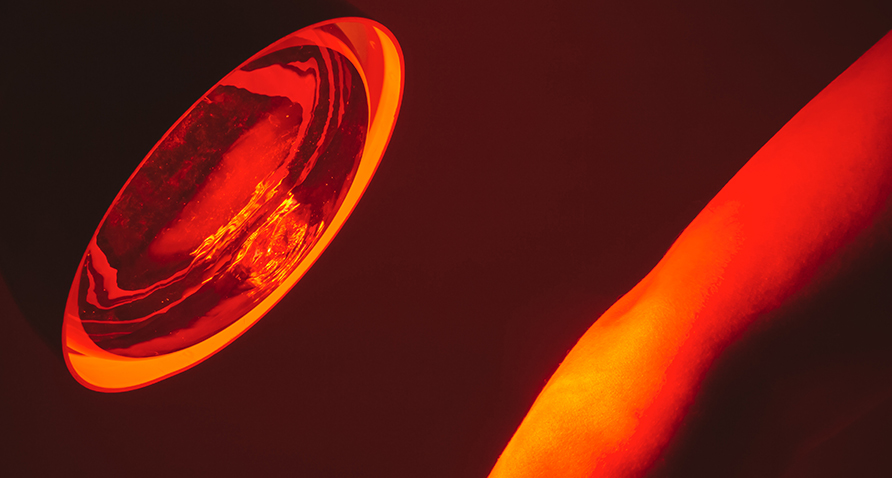
Figure 1: Red light therapy uses red and near-infrared light that acts at the cellular and tissue level. Indications include anti-ageing and skin conditions such as acne vulgaris.
Most people probably wish for fresh, youthful-looking skin. Yet many cosmetics, such as anti-ageing creams, fail to deliver the promised effects. Red light, on the other hand, is said to gently improve various skin conditions and effectively reduce wrinkles. But is that really true? In this blog post you will learn what red light is and how red light therapy can affect the skin. We also present different applications of red light therapy that you can easily perform at home with minimal equipment, such as a red light mask or lamp.
What exactly is red light?
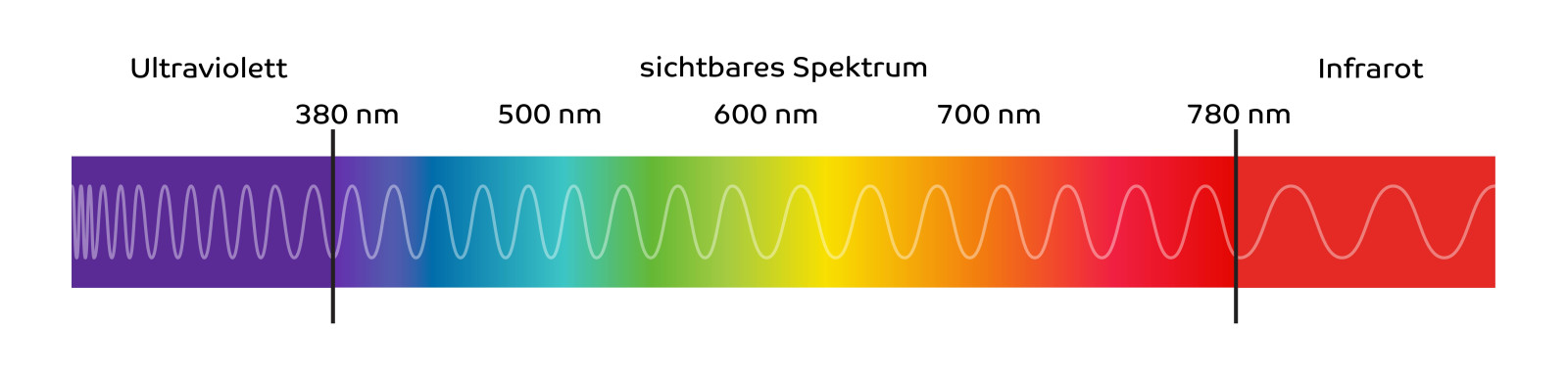
Figure 2: Red light has wavelengths of 620 to 750 nanometres. It can penetrate deeper into the skin than blue or green light, for example.
To understand what defines red light, it is important to know that light fundamentally consists of different wavelengths. Regarding our skin, it is particularly important that individual wavelengths can penetrate to different depths. While ultraviolet light as well as blue or green light only reach the upper layers of the skin, red light can penetrate more deeply. So-called anti-ageing creams act comparatively very superficially, which helps explain why red light has gained importance in recent years especially in the areas of skin health, beauty and well-ageing. Another advantage of red light is that, unlike UV radiation, it does not damage the skin or accelerate ageing.
What is the difference between red light, near-infrared light and far-infrared light?
In essence, three types of light are distinguished, which differ in their wavelengths and thus in their effects:
- Red light: Classical red light lies in the visible spectrum at wavelengths of approximately 620 to 750 nanometres (nm). It can penetrate superficially (about 2 to 3 mm) into the skin and stimulate blood circulation and skin metabolism. Common applications include skin regeneration, wound healing and anti-ageing.
- Near-infrared light: Near-infrared light (NIR) follows red light in the spectrum (wavelengths of approximately 780 to 1,400 nm) but is invisible to the human eye. NIR is, however, felt as pleasant warmth on the skin. It can penetrate so deeply that it can reach muscles, joints and bones and increase mitochondrial activity. In addition, near-infrared light is capable of promoting muscle regeneration as well as collagen formation and skin elasticity. It is therefore used not only in cosmetics but is also popular with athletes.
- Far-infrared light: Far-infrared light is often referred to simply as infrared light. Due to its longer, also invisible wavelengths compared with NIR (approximately 3,000 to 10,000 nm), far-infrared light is primarily used as thermal radiation. It acts less specifically and is therefore especially suitable for wellness and relaxation.
How does red light therapy work?
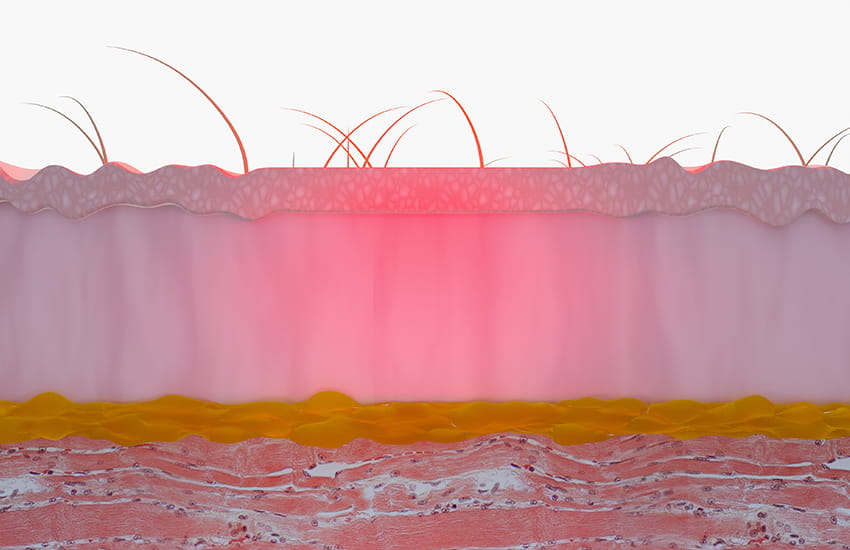
Red light therapy, also known as photobiomodulation or low-level light therapy, uses either visible red light or a combination of red and near-infrared light (NIR). Because NIR can penetrate significantly deeper into the skin than red light, a mixture reaches both more superficial and deeper tissue layers. Fundamentally, red light therapy is a form of light therapy whose central effects are mainly achieved by stimulating ATP production.
The underlying mechanism is as follows: when red light penetrates body cells, it activates the mitochondria, our "cellular powerhouses". The enzyme cytochrome c oxidase in the mitochondria absorbs the light, resulting in increased production of adenosine triphosphate (ATP). Faster energy production in the mitochondria enables skin cells to divide and renew more quickly. In addition, old and damaged cells can be replaced or repaired more rapidly. Put another way: red light can potentially slow skin ageing.[1]
In addition to cellular effects, red light therapy also stimulates collagen production. Collagen is an important structural protein in the body, accounting for around 30 per cent of all proteins. It acts like a scaffold that keeps skin, bones, tendons and ligaments in shape. From around the age of 25, collagen production declines – leading to sagging skin and wrinkle formation. Red light can halt this process by stimulating collagen-producing cells, called fibroblasts. Finally, red light application can increase microcirculation in the skin. Improved blood flow supports the supply of oxygen and nutrients to skin cells and can therefore also help to optimise skin appearance.
Possible effects of red light on the skin
The range of possible effects of red light on the skin is large. Due to its ability to stimulate cell regeneration, boost collagen and elastin production and improve blood circulation, red light can be used both to treat existing skin problems and preventively (e.g. in anti-ageing). Possible long-term effects of red light therapy on the skin include:
- Reduction of fine wrinkles and lines
- Improvement in skin density and elasticity
- Improvement in skin hydration
- Smoother, firmer skin appearance
- Reduction of swelling and dark circles under the eyes
- Relief of skin conditions (e.g. rosacea, psoriasis, acne)
- Accelerated healing of skin injuries
- Reduction of pigment disorders (e.g. age spots and hyperpigmentation)
Skin health, which is the focus of this article, is only one of the bodily areas that red light can positively influence. Red light therapy is also used for muscle recovery, supporting the immune system, treating tissue damage and inflammation, pain relief and dementia prevention. The potential positive effects of red light on mental health are also repeatedly discussed. Many users of red light therapy report positive effects on mood, general well-being and sleep quality.
Evidence on the effectiveness of red light therapy
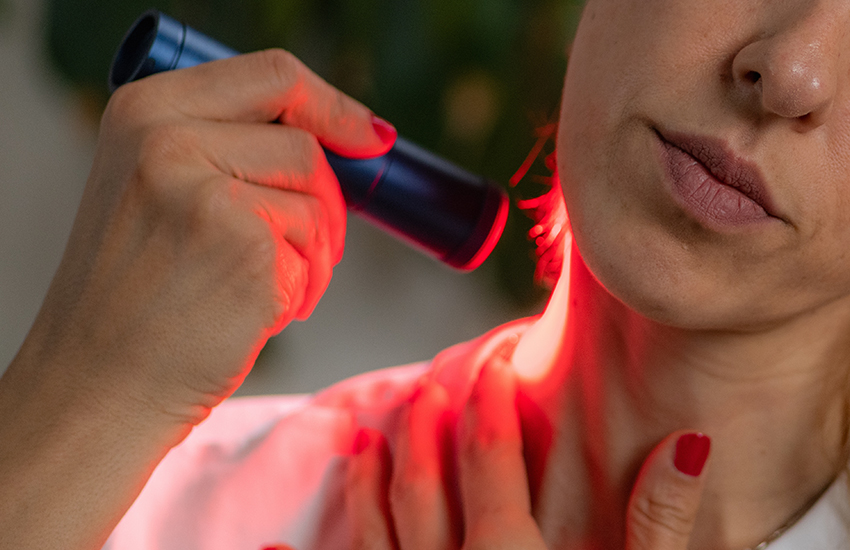
Figure 4: Many effects of red light on the skin – including a reduction in wrinkle volume and improvements in inflammatory skin conditions – have now been confirmed several times by scientific studies.
There are now numerous studies demonstrating the positive effects of red light on skin health and appearance. However, effectiveness strongly depends on factors such as wavelength, irradiation intensity, skin type, treatment duration and frequency. The varying study parameters make comparisons between individual studies difficult.
The results, however, speak for themselves: in a recent study, 20 healthy Caucasian female participants used an LED facial mask twice weekly for twelve minutes each over twelve weeks. The mask's red light had a wavelength of 630 nanometres. Photobiomodulation was able to reduce visible signs of skin ageing. In addition, all participants reported an overall improvement in skin quality. These positive effects of red light therapy persisted for up to one month after the last use of the mask.[2]
Another, larger study also confirmed that photobiomodulation is an effective means of skin rejuvenation. In 137 women aged 40 to 65 years, ten facial treatments with red and amber light were carried out over four weeks. The result was a 30 per cent reduction in wrinkle volume.[3] A meta-analysis further found that red light can support the treatment of acne vulgaris and other skin blemishes.[4] Under common parameters, there is also no evidence that red light acts pro-tumourally, which is why red light therapy is considered oncologically safe.[5]
Mask, lamp or cabin? Popular variants of red light therapy
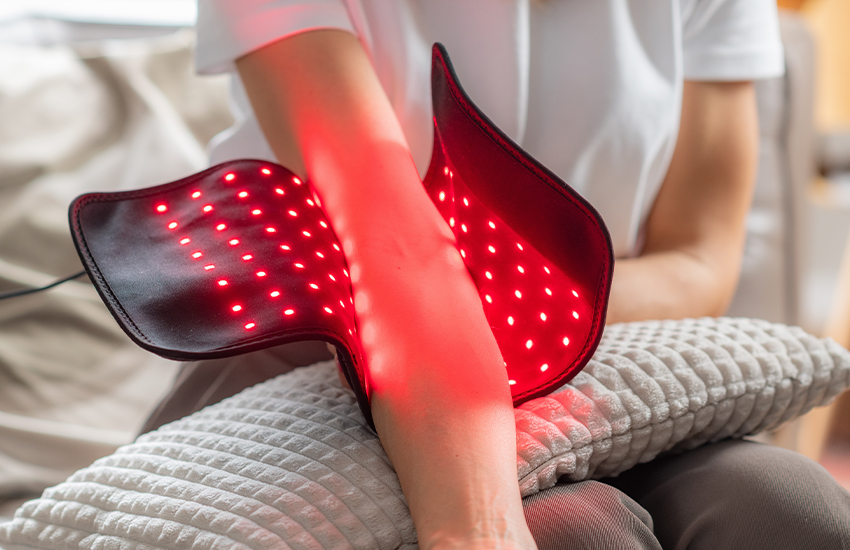
Figure 5: There are different light therapy devices that use red light. For private use, red light masks, mats and lamps are particularly popular.
There are different ways to use red light therapy to support skin health. Which method is right for you depends, among other things, on your individual skin needs, personal preferences and treatment goals. Below we present the most popular red light devices, which – with the exception of the red light cabin – can be used conveniently and independently at home.
1. Red light mask
LED red light masks are a true classic in skin care and prevention. The mask design allows the focus to be placed specifically on the face and neck, where anti-ageing effects are often desired and have been shown to be achievable with red light. The body's own collagen production is stimulated, supporting the reduction of wrinkles and fine lines as well as skin firmness. In addition, the red light mask stimulates cell renewal and can thus potentially slow the natural ageing process of the skin. Results in the treatment of skin conditions such as acne vulgaris with LED red light masks are also promising.[6] However, if you suffer from inflammatory skin conditions, you should always discuss the treatment with your treating doctor beforehand.
2. Red light lamp or panel
In contrast to the red light mask, which emits little heat, red light lamps often produce a stronger warming effect. For this reason, lamps are not primarily used for the skin but rather for issues such as localized muscle tension or cold symptoms (e.g. a blocked nose, earache). Nevertheless, a red light lamp can also positively affect skin health. The effects, however, depend greatly on the specific device. Classic red light lamps often emit a broad spectrum from 600 to 1,000 nanometres – a mix of visible red light and some near-infrared. Red light panels are more specific and usually more efficient, using precisely defined wavelengths. This allows the application to be tailored to skin needs and therapeutic goals.
3. Red light cabin
A red light cabin is a light therapy procedure in which the whole body is irradiated and gently warmed by red light. The wavelengths used – and thus the effects of the treatment – vary from device to device. Infrared cabins and infrared saunas produce noticeable heat and can be particularly effective for relaxation and relieving muscle tension. For skin rejuvenation and cell regeneration, cabin models that use exclusively red light or a mix of red and near-infrared light are sufficient. But beware: "red light cabins" are not the same as the booths found in many solaria. What is often advertised as a "red-light solarium" or "light cabin with red light" also uses red light but typically with a UV component. UV light can produce visible tanning but at the same time can accelerate skin ageing and increase the risk of skin cancer.[7]
How long does it take for red light to work?
If your goal is to support the health and appearance of your skin with red light, you are probably wondering when you can expect the first perceptible and visible results. It is important to emphasise that red light therapy is a gentle method with long-term effects. Rather than expecting radiant, even skin overnight, you should be patient with the treatment. First noticeable anti-ageing effects due to the stimulation of collagen and elastin production are to be expected no earlier than 4 to 8 weeks. There are also individual differences in responsiveness: some people respond quickly to the therapy, while others respond slowly or hardly at all.
Consistency of use is also crucial. Recommended application frequency varies but is generally three to five sessions per week. Make sure to irradiate your skin no more than once a day and not for longer than 10 to 15 minutes. For safe use of a red light lamp, it is also essential to keep a sufficient distance of at least 15 centimetres from the device.
Side effects and contraindications of red light therapy
Red light therapy is considered extremely safe and is generally free of side effects when used correctly. However, if devices are used for too long or incorrectly, skin reactions such as redness, temporary dryness or a feeling of tightness can occur. Direct irradiation of the eyes should be avoided, and it is best to wear protective goggles to prevent eye irritation. It is also not uncommon for skin blemishes to worsen initially with red light therapy.
In certain life situations and with specific conditions, red light therapy is not recommended. Pregnancy and breastfeeding should be refrained from due to a lack of long-term data. The same applies to people with cancer or epilepsy. While taking antibiotics, and in the presence of open wounds or acute infections, the use of red light should always be discussed with a doctor beforehand and, in case of doubt, avoided for safety reasons.
Disclaimer
This article does not replace treatment by a qualified therapist. The basis of this article is formed by studies and current literature. It must not be used for self-diagnosis or self-treatment. Discuss any inspirations from this article with a therapist you trust if necessary.
Biography
Katharina Korbach regularly writes blog posts on medicinal plants and natural active ingredients for the Narayana Verlag. She developed an interest in language early on and began composing her own literary texts. A serious illness during her final school year prompted intensive engagement with health and nutrition topics, which continues to this day. After repeated failures of conventional medical treatments, she opted for a more self-empowering, naturopathic therapeutic approach. A plant-based diet was a key factor in her recovery journey.
Katharina studied Cultural Studies (B.A.) and Applied Literary Studies (M.A.). In 2022 she published her debut novel "Sperling" with Berlin Verlag. She now lives in Berlin as a freelance author, medical editor and lecturer. In her free time she prefers to spend time with friends or at barre training. She also loves travelling and trying out new vegan recipes.
[1] Couturaud V, Le Fur M, Pelletier M, Granotier F. Reverse skin aging signs by red light photobiomodulation. Skin Res Technol. 2023 Jul. https://pubmed.ncbi.nlm.nih.gov/37522497/.
[2] Couturaud V, Le Fur M, Pelletier M, Granotier F. Reverse skin aging signs by red light photobiomodulation. Skin Res Technol. 2023 Jul. https://pubmed.ncbi.nlm.nih.gov/37522497/.
[3] Mota LR, Duarte IDS, Galache TR, Pretti KMDS, Neto OC, Motta LJ, Horliana ACRT, Silva DFTD, Pavani C. Photobiomodulation Reduces Periocular Wrinkle Volume by 30%: A Randomized Controlled Trial. Photobiomodul Photomed Laser Surg. 2023 Feb. https://pubmed.ncbi.nlm.nih.gov/36780572/.
[4] Ngoc LTN, Moon JY, Lee YC. Utilization of light-emitting diodes for skin therapy: Systematic review and meta-analysis. Photodermatol Photoimmunol Photomed. 2023 Jul. Ngoc LTN, Moon JY, Lee YC. Utilization of light-emitting diodes for skin therapy: Systematic review and meta-analysis. Photodermatol Photoimmunol Photomed. 2023 Jul. https://pubmed.ncbi.nlm.nih.gov/36310510/.
[5] Glass GE. Photobiomodulation: A Systematic Review of the Oncologic Safety of Low-Level Light Therapy for Aesthetic Skin Rejuvenation. Aesthet Surg J. 2023 Apr 10. https://pubmed.ncbi.nlm.nih.gov/36722207/.
[6] Ershadi S, Barbieri JS. At-Home LED Devices for the Treatment of Acne Vulgaris: A Systematic Review and Meta-Analysis. JAMA Dermatol. 2025 May 1. https://pubmed.ncbi.nlm.nih.gov/40042878/.
[7] Gonzaga ER. Role of UV light in photodamage, skin aging, and skin cancer: importance of photoprotection. Am J Clin Dermatol. 2009. https://pubmed.ncbi.nlm.nih.gov/19209950/.
Figure 1: Sanem Ozkan/shutterstock.com ; Figure 2: petrroudny43/shutterstock.com ; Figure 3: Ewa Parylak/shutterstock.com ; Figure 4: Microgen/shutterstock.com ; Figure 5: Microgen/shutterstock.com
27.11.2025

