
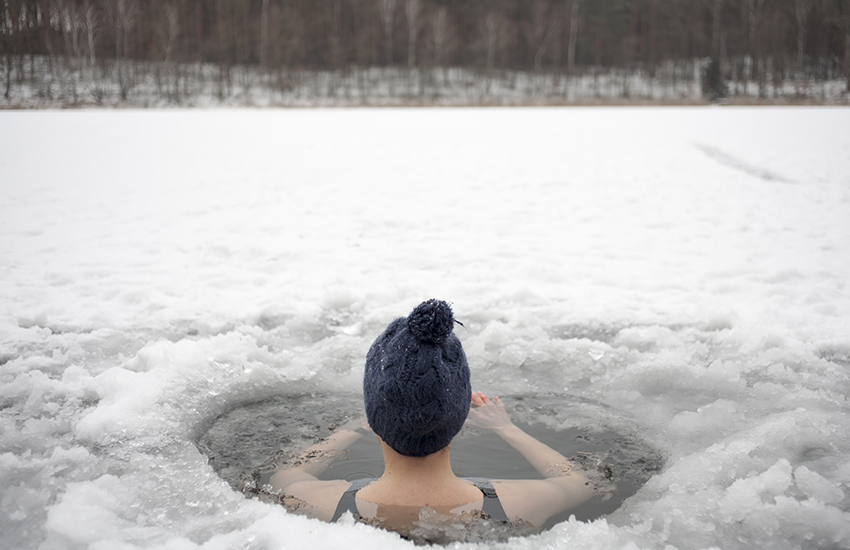
Figure 1: Immersion in the cold: how the body reacts to extreme temperatures.
Whether health enthusiasts, adventurers or athletes – it seems everyone these days plunges into a cold lake or an ice-bath tub in freezing temperatures to strengthen body and mind. What has been practised in Scandinavia for decades is also gaining popularity here. But what lies behind this trend? Is ice bathing really healthy – and does it carry risks? In the following article we will examine these questions and find out what effects ice bathing has on the body, what benefits it can offer and when caution is advised.
In general – what happens in the body in response to a cold stimulus?
During ice bathing, winter swimming or other cold applications the body is exposed to a sudden cold stimulus – a form of thermal stress. This triggers a series of responses in the body: the blood vessels in the skin constrict while the vessels in the body core dilate to minimise heat loss and stabilise core temperature. At the same time heart rate, blood pressure and breathing rate increase due to activation of the sympathetic nervous system, causing hormones to be released. In addition, even a moderate drop in core temperature can stimulate the production of so‑called cold shock proteins. These play a role in cell protection and the regulation of various metabolic processes – an effect that can be induced by an ice bath.[1]
The different responses to cold exposure affect various regulatory mechanisms of the body – such as circulation, metabolism and the immune system. Regular exposure to cold can lead to adaptation of the organism to the cold stimulus, enabling the body to learn improved stress handling and optimised heat regulation.1
What specific benefits does ice bathing bring?
First it is important to point out that the scientific evidence for the individual benefits is still limited. This is partly due to the sometimes small numbers of study participants and a lack of diversity within the sample groups, and partly due to differing study designs. Studies have worked with different temperature ranges, cold applications, participants and research questions, which limits comparability. Larger-scale studies are needed to investigate and substantiate the benefits and long-term effects of ice bathing. Nevertheless, the existing findings provide initial indications of how regular cold exposures can positively affect various bodily functions:
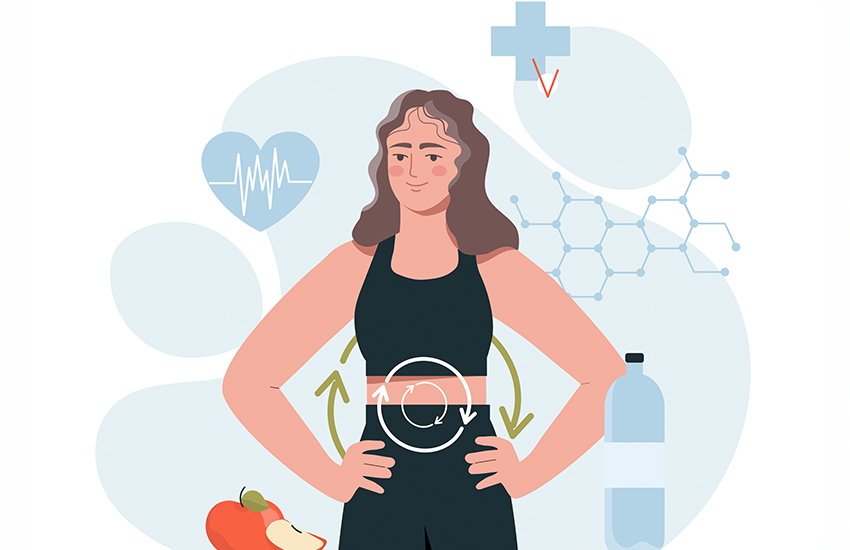
Figure 2: Ice bathing can be a natural "metabolic boost".
Increased metabolism
In addition to white, metabolically inactive adipose tissue, the human body also has brown adipose tissue (brown fat), which is found mainly in the shoulder and neck area. This tissue serves to warm the body in the cold and contains many mitochondria and enzymes that metabolise fats. However, the proportion of this tissue in adults is small, so the effects described are also modest.[2]
Regular cold exposure can, however, cause white adipose tissue to "brown". This produces so‑called beige fat tissue, which, unlike sluggish storage fat, is metabolically active. Beige fat contains more mitochondria and enzymes that reduce fats and carbohydrates. This mechanism leads to increased heat production, an elevated basal metabolic rate and improved metabolic health.1, [3], [4]
Also of interest is the influence of the gut microbiome. In an animal study in which the gut microbiome of piglets was disrupted, they formed less beige fat under cold exposure and the breakdown of fatty acids under cold conditions was reduced.[5] This suggests that a healthy gut microbiome may play a significant role in how much the body benefits from the metabolic effects of ice bathing.
Additionally, energy expenditure is increased simply by thermoregulation: the body must expend energy to stabilise core temperature – which raises calorie burn.
Anti-inflammatory effects & strengthening of the immune system
Another positive effect of cold exposures is the reduction of inflammation through the decrease and conversion of inflammatory substances. At the same time the production of anti-inflammatory signalling molecules is promoted.[6] These processes make ice baths and cold applications interesting both for supporting chronic inflammatory conditions and for recovery after sports exertion.[7] However, there appear to be sex-specific differences: one study showed that a cold stimulus provided no benefit for recovery after exercise in women. In that study, ice bathing in female participants had no positive effect on inflammatory parameters, muscle tissue or strength performance.[8]
Repeated cold exposure can also influence immune system activity. For example, an increase in certain immune cells, particularly lymphocytes, has been observed with regular cold exposure. In a small study, people who practised winter swimming or ice bathing had a lower incidence of illness. Due to the studies’ size and design, however, the significance is not sufficient to draw a general conclusion.[9] Nevertheless, the results and numerous reports point to a potentially positive effect of cold on the body's defence mechanisms.
Effects on the hormonal system – insulin metabolism & stress regulation
Furthermore, ice bathing improves insulin sensitivity, resulting in a more stable blood sugar level. Because of this effect, cold exposures could positively influence existing insulin resistance and help prevent sudden food cravings.3
Another effect of regular ice bathing on the hormonal system is a reduction in the concentration of certain stress hormones, such as cortisol. This effect could in turn be beneficial for stress management.1
Cardiovascular effects
Some studies also suggest that repeated cold applications can favourably influence blood lipid levels. High blood lipids play a role in the development of heart disease. Another cardiovascular risk factor that ice bathing could positively affect is blood pressure. However, ice bathing also places a strain on the heart, so caution is warranted. [10], [11]
General wellbeing and sleep
Some studies show a positive effect of regular cold exposures on pain.1, 3 In particular, ice baths may provide relief for chronic pain conditions such as rheumatoid arthritis or fibromyalgia.[12] There is also evidence that regular cold exposure positively affects sleep quality.12 Some report a calmer and deeper sleep.
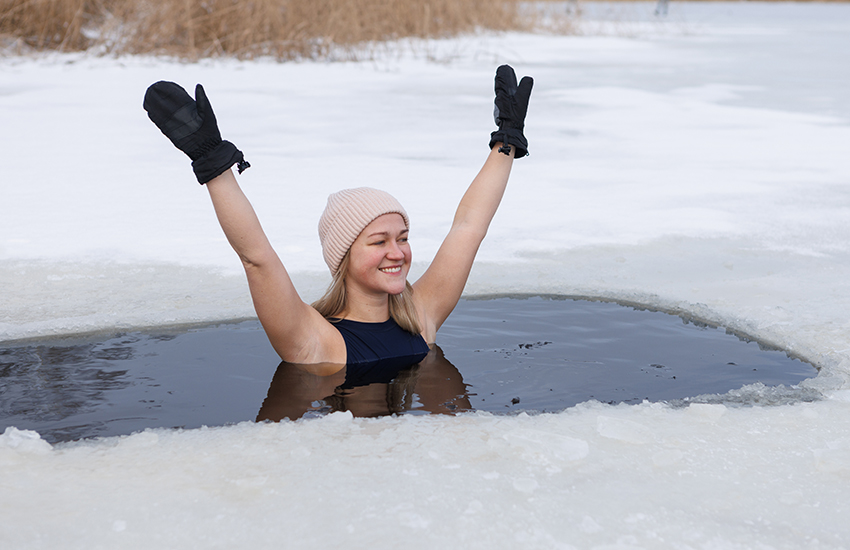
Figure 3: A dip in cold water is invigorating not only physically but also mentally.
Positive effects on mood and psyche
Cold exposures such as ice bathing or winter swimming lead to a marked increase in the hormones noradrenaline and dopamine – neurotransmitters that boost mood, attention and motivation. This leads to an improved and more balanced mood both short- and long-term. The plunge into cold water truly triggers feelings of wellbeing and promotes cognitive functions.6, [13]
There are studies that have examined the impact of regular ice bathing on symptoms of depression and anxiety disorders and found positive results. The proposed explanation is the positive stress response triggered by cold exposure, which strengthens resilience to stress. The body learns to cope with short-term stimuli without releasing excessive stress hormones.1, 12
But does ice bathing also carry risks?
As impressive as the positive effects are – ice bathing is not suitable for everyone. There are some clear contraindications that must be observed. People with cardiac arrhythmias or other heart diseases, high blood pressure, asthma, epilepsy or vascular diseases should avoid ice bathing – or only do so after medical consultation and under professional supervision.
The reason: the cold shock reflex causes an increase in heart and breathing rates. At the same time, the body activates the diving reflex, which signals the heart to slow down. These opposing reactions are usually unproblematic for healthy people, but can pose significant risks for those with existing arrhythmias or heart disease. The danger of hypothermia and associated bodily reactions should also not be underestimated.[14], [15]
For safety it is generally recommended not to go ice bathing alone so that help can be called in an emergency. Those who bathe in a lake or other open water should stay only in areas where they can safely stand.
A recommended option is a professionally guided ice bath under the supervision of a qualified person. This allows not only safety aspects to be considered but also suitable breathing techniques to be taught and practiced.
Equally important is a gradual build-up of cold tolerance. It is therefore sensible not to start ice bathing only when temperatures fall below zero, but to begin cold bathing in autumn and continue throughout the winter. This allows the body to get used to the cold.
Ultimately: safety always has top priority – and pay attention to your body's signals when ice bathing.
Conclusion: the healthy middle way – use the effects of cold mindfully
Ice bathing is far more than a short-lived trend – it is an ancient practice that challenges and strengthens body and mind. Cold exposure can stimulate circulation, activate the immune system and increase wellbeing. There is also evidence that regular cold exposure makes the body more resilient to stress, relieves pain and has anti-inflammatory effects. When used correctly, ice bathing can therefore be an effective component of a healthy lifestyle and a genuine biohack. Crucial is to use the cold mindfully and in a controlled way. The health benefits only unfold if ice bathing is practised regularly and with regard to the individual situation while taking possible risks into account.
Disclaimer
This article does not replace treatment by a qualified practitioner. The basis of this article is studies and current literature. It should not be used for self-diagnosis or self-treatment. Discuss any ideas from this article with a practitioner you trust.
Biography
Vivian Zajac holds a degree in health education (B.Sc.) and is a trainee natural health practitioner with a particular focus on holistic health and prevention. In a further training course to become a gut health consultant she devoted herself in 2022 to her passion for gut health. In her free time she also engages intensively with topics around health, naturopathy and biohacking, acquires knowledge and repeatedly tries out new things herself. Methods such as breathwork, ice bathing, strength training, healthy nutrition and optimal provision of micronutrients are a fixed part of her life. Vivian Zajac loves not only to continually optimise her own health but also to pass on her knowledge and enthusiasm – both privately and professionally. For her, a holistic view of the person is essential.
[1] Esperland D, de Weerd L, Mercer JB. Health effects of voluntary exposure to cold water - a continuing subject of debate. Int J Circumpolar Health. 2022 Dec;81(1):2111789. doi: 10.1080/22423982.2022.2111789. PMID: 36137565; PMCID: PMC9518606. https://pmc.ncbi.nlm.nih.gov/articles/PMC9518606/ Accessed on: 18 Oct 2025.
[2] Harms, M., Seale, P. Brown and beige fat: development, function and therapeutic potential. Nat Med 19, 1252–1263 (2013). https://doi.org/10.1038/nm.3361 https://www.nature.com/articles/nm.3361 Accessed on: 18 Oct 2025.
[3] Boulares A, Jdidi H, Douzi W. Cold and longevity: Can cold exposure counteract aging? Life Sci. 2025 Mar 1;364:123431. doi: 10.1016/j.lfs.2025.123431. Epub 2025 Jan 28. PMID: 39884345. https://www.sciencedirect.com/science/article/pii/S0024320525000645?via%3Dihub Accessed on: 18 Oct 2025.
[4] Cui XB, Chen SY. White adipose tissue browning and obesity. J Biomed Res. 2016 Oct 17;31(1):1-2. doi: 10.7555/JBR.31.20160101. PMID: 28808180; PMCID: PMC5274505. https://pmc.ncbi.nlm.nih.gov/articles/PMC5274505/ Accessed on: 18 Oct 2025.
[5] Zhang Y, Sun L, Zhu R et al. Cold Stress Activates the UCP3 Pathway via Gut Microbiota in Piglet, 14 April 2021, PREPRINT (Version 1) doi:10.21203/rs.3.rs-388612/v1. Research Square. https://www.researchgate.net/publication/350882667_Cold_Stress_Activates_the_UCP3_Pathway_via_Gut_Microbiota_in_Piglet/fulltext/60783675881fa114b4033c0c/Cold-Stress-Activates-the-UCP3-Pathway-via-Gut-Microbiota-in-Piglet.pdf?__cf_chl_tk=Xsv9fOGpn43nPBQ7.4sxMuTZTz2PO9dlS28ZNEcnpKM-1761119938-1.0.1.1-0x4WvRyEq4_lnZbA.74QPEHJ_PdCFTHca8VNiJ3ljBE Accessed on: 18 Oct 2025.
[6] Cain T, Brinsley J, Bennett H, Nelson M, Maher C, Singh B. Effects of cold-water immersion on health and wellbeing: A systematic review and meta-analysis. PLoS One. 2025 Jan 29;20(1):e0317615. doi: 10.1371/journal.pone.0317615. PMID: 39879231; PMCID: PMC11778651. https://pmc.ncbi.nlm.nih.gov/articles/PMC11778651/ Accessed on: 18 Oct 2025.
[7] Moore E, Fuller JT, Bellenger CR, Saunders S, Halson SL, Broatch JR, Buckley JD. Effects of Cold-Water Immersion Compared with Other Recovery Modalities on Athletic Performance Following Acute Strenuous Exercise in Physically Active Participants: A Systematic Review, Meta-Analysis, and Meta-Regression. Sports Med. 2023 Mar;53(3):687-705. doi: 10.1007/s40279-022-01800-1. Epub 2022 Dec 17. PMID: 36527593. https://pubmed.ncbi.nlm.nih.gov/36527593/ Accessed on: 18 Oct 2025.
[8] Wellauer V, Clijsen R, Bianchi G, Riggi E, Hohenauer E. No acceleration of recovery from exercise-induced muscle damage after cold or hot water immersion in women: A randomised controlled trial. PLoS One. 2025 May 7;20(5):e0322416. doi: 10.1371/journal.pone.0322416. PMID: 40333546; PMCID: PMC12057877. https://pmc.ncbi.nlm.nih.gov/articles/PMC12057877/ Accessed on: 18 Oct 2025.
[9] SØberg S, Löfgren J, Philipsen FE, Jensen M, Hansen AE, Ahrens E, Nystrup KB, Nielsen RD, Sølling C, Wedell-Neergaard AS, Berntsen M, Loft A, Kjær A, Gerhart-Hines Z, Johannesen HH, Pedersen BK, Karstoft K, Scheele C. Altered brown fat thermoregulation and enhanced cold-induced thermogenesis in young, healthy, winter-swimming men. Cell Rep Med. 2021 Oct 11;2(10):100408. doi: 10.1016/j.xcrm.2021.100408. PMID: 34755128; PMCID: PMC8561167. https://pmc.ncbi.nlm.nih.gov/articles/PMC8561167/ Accessed on: 18 Oct 2025.
[10] Jurado-Fasoli L, Sanchez-Delgado G, Di X, Yang W, Kohler I, Villarroya F, Aguilera CM, Hankemeier T, Ruiz JR, Martinez-Tellez B. Cold-induced changes in plasma signaling lipids are associated with a healthier cardiometabolic profile independently of brown adipose tissue. Cell Rep Med. 2024 Feb 20;5(2):101387. doi: 10.1016/j.xcrm.2023.101387. Epub 2024 Jan 22. PMID: 38262411; PMCID: PMC10897514. https://pmc.ncbi.nlm.nih.gov/articles/PMC10897514/ Accessed on: 18 Oct 2025.
[11] Jdidi H, Dugué B, de Bisschop C, Dupuy O, Douzi W. The effects of cold exposure (cold water immersion, whole- and partial- body cryostimulation) on cardiovascular and cardiac autonomic control responses in healthy individuals: A systematic review, meta-analysis and meta-regression. J Therm Biol. 2024 Apr;121:103857. doi: 10.1016/j.jtherbio.2024.103857. Epub 2024 Apr 18. PMID: 38663342. https://www.sciencedirect.com/science/article/abs/pii/S0306456524000755?via%3Dihub Accessed on: 18 Oct 2025.
[12] Kunutsor SK, Lehoczki A, Laukkanen JA. The untapped potential of cold water therapy as part of a lifestyle intervention for promoting healthy aging. Geroscience. 2025 Feb;47(1):387-407. doi: 10.1007/s11357-024-01295-w. Epub 2024 Jul 30. PMID: 39078461; PMCID: PMC11872954. https://pmc.ncbi.nlm.nih.gov/articles/PMC11872954/ Accessed on: 18 Oct 2025.
[13] Yankouskaya A, Williamson R, Stacey C, Totman JJ, Massey H. Short-Term Head-Out Whole-Body Cold-Water Immersion Facilitates Positive Affect and Increases Interaction between Large-Scale Brain Networks. Biology (Basel). 2023 Jan 29;12(2):211. doi: 10.3390/biology12020211. PMID: 36829490; PMCID: PMC9953392. https://pmc.ncbi.nlm.nih.gov/articles/PMC9953392/ Accessed on: 18 Oct 2025.
[14] Knechtle B, Waśkiewicz Z, Sousa CV, Hill L, Nikolaidis PT. Cold Water Swimming-Benefits and Risks: A Narrative Review. Int J Environ Res Public Health. 2020 Dec 2;17(23):8984. doi: 10.3390/ijerph17238984. PMID: 33276648; PMCID: PMC7730683. https://www.mdpi.com/1660-4601/17/23/8984 Accessed on: 18 Oct 2025.
[15] Tipton MJ, Collier N, Massey H, Corbett J, Harper M. Cold water immersion: kill or cure? Exp Physiol. 2017 Nov 1;102(11):1335-1355. doi: 10.1113/EP086283. Epub 2017 Sep 21. PMID: 28833689. https://pubmed.ncbi.nlm.nih.gov/28833689/
Figure 1: Cosmic Mind/shutterstock.com ; Figure 2: Liana Nagieva/shutterstock.com ; Figure 3: Girts Ragelis/shutterstock.com
04.12.2025

