
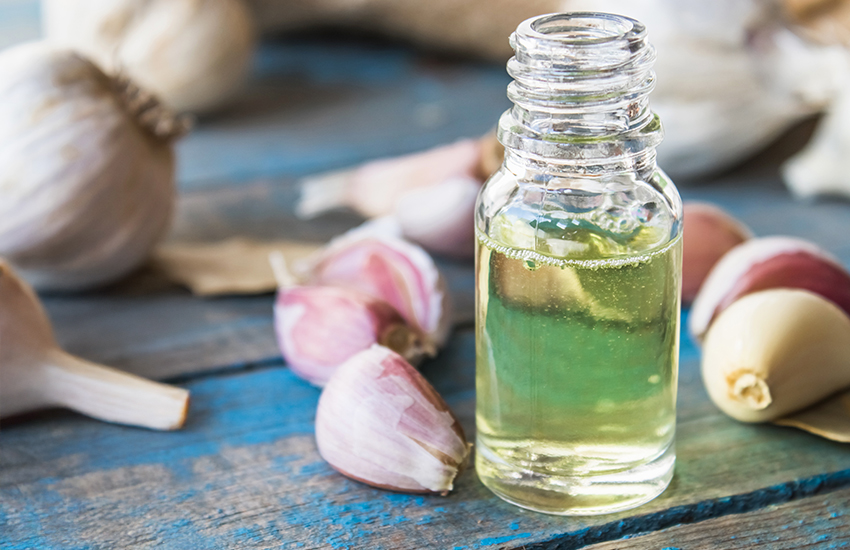
Figure 1: Some plant-based foods have antibiotic properties. Properly combined, they can be used to make a traditional home remedy in a few simple steps.
Even for mild bacterial infections, conventional antibiotics are often prescribed without much thought. But did you know that certain foods can also have antibiotic effects? A natural antibiotic can be made at home with just a few ingredients and can support the immune system with concentrated plant power. In this blog article you will not only find a simple recipe for a natural antibiotic, but also learn which ailments it can be used for and what to watch for when using it. Finally, the individual ingredients of the natural antibiotic are presented with their respective constituents and potential effects.
Why are conventional antibiotics often problematic?
In certain cases, the use of classical antibiotics is undoubtedly necessary and sensible. For severe bacterial infections such as pneumonia, sepsis or a kidney infection they can even be life-saving. The drugs act quickly by targeting and neutralising bacteria. This article is not intended to demonise conventional synthetic antibiotics.
The problem is that antibiotics usually attack not only pathogens but also beneficial bacteria and healthy body cells. Our gut in particular suffers: antibiotic intake also kills the positive gut bacteria of our microbiome. This in turn weakens the immune system, since the gut is our largest immune organ. The consequence can often be recurrent infections (e.g. recurrent cystitis) after taking antibiotics.
Moreover, resistance to synthetic antibiotics can develop, meaning they subsequently become less effective or even completely ineffective. There are now numerous multi-resistant germs – bacteria that have become insensitive to several classes of antibiotics. The magnitude of this development is underlined by a meta-analysis focused on COVID-19 patients. Here the prevalence of multi-resistant germs among those affected was 42.9 percent.[1]
Possible effects of the natural antibiotic

Figure 2: A homemade antibiotic is not suitable for treating severe infections. However, it can be extremely effective for mild infections or preventatively.
A natural antibiotic consists of plant-based or other natural ingredients with antibacterial and antiviral properties. The substances act antibioticly, meaning they fight bacteria either by killing them or by stopping their growth.
Regarding effectiveness it must be noted that a natural antibiotic is unsuitable for severe infections or life-threatening emergencies. In such cases, classical antibiotics are usually necessary because they act more strongly, more quickly and more specifically than natural antimicrobial substances. Natural antibiotics, on the other hand, are used as a supportive measure for mild to moderate infections. Coughs, colds and influenza, but also urinary tract infections, eczema or acne are typical applications. In addition, a natural antibiotic is suitable for general immune strengthening and can therefore also be used preventatively. It does not replace medical treatment, but can sensibly complement ongoing therapy for various conditions.
Recipe: Fire Cider for colds and flu
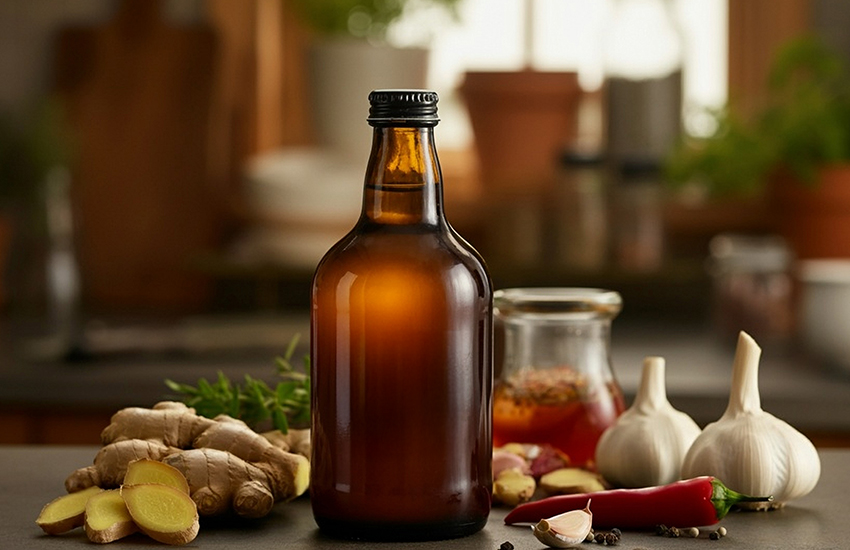
Figure 3: You only need a few ingredients to prepare a flavourful Fire Cider. The cider can be used to generally support the immune system or as a natural antibiotic.
Fire Cider is an herbal vinegar that, due to its antimicrobial ingredients, can be considered a natural antibiotic. It is ideally suited to strengthen defences in the cold season and can be used for this purpose, for example, as a salad dressing. Regular intake as a natural antibiotic is especially recommended for colds and influenza.
For making the natural antibiotic you will need:
- 1 medium onion, chopped
- 4 to 5 garlic cloves, coarsely chopped
- 3 to 4 tablespoons fresh grated ginger
- 3 to 4 tablespoons fresh grated horseradish
- Apple cider vinegar (cloudy, unpasteurised)
- Honey
- Cayenne pepper
Preparation
Put the garlic, ginger and horseradish into a one-litre mason jar. Warm the apple cider vinegar slightly, as heat helps to extract the active compounds from the herbs. Pour the warm vinegar into the jar so that the mixture is completely covered. Then leave the jar in a warm place (e.g. on a sunny windowsill) for three to four weeks. After that, strain the mixture through a sieve. Add honey and cayenne pepper to taste until the desired flavour is reached. Typically, Fire Cider tastes strong, hot and sweet-sour at the same time.
Tips and notes for using the natural antibiotic
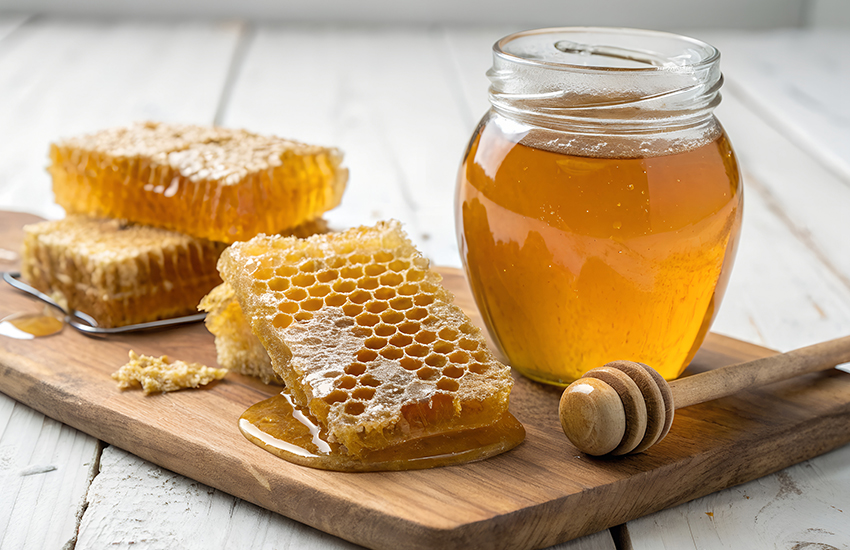
Figure 4: To make taking the sharp Fire Cider more pleasant, you can dilute the natural antibiotic or add an extra portion of honey.
So that the natural antibiotic can unfold its full effect, you should observe a few essential points. Below are helpful tips for the optimal preparation, use and storage of the previously presented Fire Cider:
- Preparation already begins with selecting the right ingredients: ideally use only regional organic foods, as these generally have the highest nutrient content, which contributes to the best possible effectiveness of the natural antibiotic.
- The solids left behind in the sieve after straining do not have to be discarded. They can be used in small amounts as a spicy seasoning. Alternatively, the pomace can be dried and then ground into a tasty dry spice mix.
- At the first signs of a cold you should take a portion of Fire Cider every three to four hours (1 to 2 tablespoons). For supportive treatment of infections up to 6 tablespoons daily are recommended. Repeat the intake until symptoms subside.
- Store the natural antibiotic in the refrigerator to keep it fresh for longer. As long as the Fire Cider retains its original taste and smell, it can generally be used without concern. It usually remains palatable for about three months after preparation.
- In acute cases the natural antibiotic can also be taken without maturation time – then not in liquid form but as the vegetable/herb mixture itself.
- If you are sensitive to the heat or acidity of the cider, you can also take it diluted. Mix the natural antibiotic with water, vegetable juice or yoghurt to tone down the intense flavour. Alternatively, add a little more honey for extra sweetness.
- Rinse your mouth after each intake so that the acids contained do not attack the tooth enamel.
- If your symptoms persist or worsen despite using the natural antibiotic, you should definitely see a doctor. If they conclude that a conventional antibiotic is necessary in your case, you can discuss whether continued supplementary use of the natural antibiotic might still be sensible.
- The use of the natural antibiotic is generally also suitable for pregnant and breastfeeding women and children.
The ingredients of the natural antibiotic – a short profile
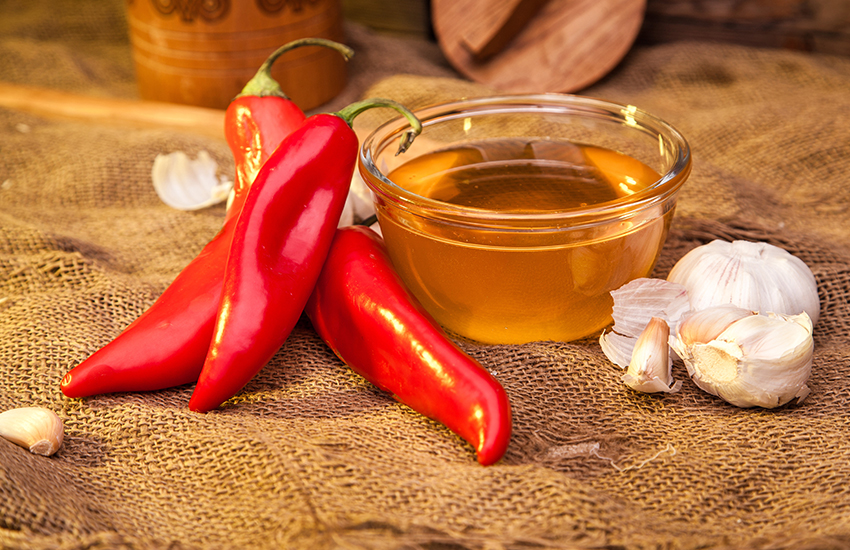
Figure 5: Each individual ingredient of the natural antibiotic contains compounds with special properties that, in combination, support the antibiotic effect of the Fire Cider.
The formulation of the natural antibiotic is tried-and-tested and of course not accidental. Rather, the mixture was put together so that the constituents specifically bolster each other in their antimicrobial properties. Below we present the individual ingredients of the natural antibiotic with their respective constituents and potential effects.
Garlic
Garlic is often colloquially referred to as the “miracle bulb” for good reason: its main active compound is the sulphur compound allicin, which has been shown to have germ-killing effects.[2] Not only many harmful bacteria but also fungi are combated. In addition, garlic contains immune-strengthening antioxidants that also have anti-inflammatory effects. The medicinal plant is gentle on the gut microbiome and, according to recent studies, can even contribute to an increase in beneficial gut bacteria.[3]
Onions
Onions and garlic are botanical relatives and therefore also contain similar active compounds. Onions likewise contain many sulphur-containing compounds, including allicin, as well as the pigment quercetin. Quercetin potentially acts anti-inflammatory and immunomodulatory by dampening pro-inflammatory signalling pathways and protecting immune cells from oxidative stress.[4]
Ginger
In Ayurveda, ginger is regarded as a medicinal plant with warming, stimulating and pain-relieving effects. The root is also said to support digestion. In a homemade natural antibiotic, ginger must not be missing because of its antibacterial, antiviral and anti-inflammatory effects.[5] This is mainly due to the so-called gingerols, the primary bioactive pungent compounds in ginger.
Horseradish
Horseradish, widely known in many regions as kren, contains mustard oils (glucosinolates) with strong antibacterial properties.[6] The plant from the brassica family is particularly used for respiratory and urinary tract infections. The valuable constituents of horseradish act anti-inflammatory and promote the elimination of pathogens. Horseradish also has an expectorant effect, which is why – often in combination with nasturtium – it is commonly used as a herbal antibiotic for sinus infections or bronchitis.
Apple cider vinegar
Apple cider vinegar is included in almost every natural antibiotic for good reason. Apple cider vinegar contains acetic acid, which has been used for centuries as a preservative and disinfectant due to its natural antimicrobial effect. In addition, apple cider vinegar has antioxidant and mildly anti-inflammatory effects. Its acidic pH extracts active compounds from the other components of the natural antibiotic – for example gingerols from ginger, allicin from garlic, quercetin from onions and mustard oils from horseradish. Thanks to the addition of apple cider vinegar, these antibacterial plant substances become more stable and more soluble. Cloudy apple cider vinegar also contains the fibre pectin, which through its prebiotic effect can support a healthy gut environment.[7]
Honey
Drinking warm milk with honey for colds and sore throats has been popular for generations. Honey not only makes the drink sweeter and therefore tastier – the antibacterial and antioxidant effects of floral honey can also speed recovery. The use of Manuka honey is also advisable. Due to the key active compound methylglyoxal, Manuka honey acts strongly antibacterial – even against some resistant strains.[8] In addition, the nectar of the New Zealand Manuka plant contains valuable polyphenols, flavonoids and enzymes that have anti-inflammatory effects and can reduce oxidative damage.
Cayenne pepper
The active compound in cayenne pepper that gives it its characteristic heat is capsaicin. Studies show that capsaicin is effective against various bacterial species such as streptococci.[9] The substance not only supports the fight against bacteria, but can also stimulate gastric acid production. The acid in turn helps kill pathogens taken in with food. Finally, capsaicin can activate certain receptors in the body that have long-term pain-relieving effects.
Disclaimer
This article does not replace treatment by a qualified practitioner. The basis of this contribution is studies and current literature. It must not be used for self-diagnosis or self-treatment. Discuss any inspirations from this article with a practitioner you trust if necessary.
Biography
Katharina Korbach regularly writes blog posts on medicinal plants and natural active substances for the Narayana Verlag. She became interested in language early on and began writing her own literary texts. A serious illness during her final school years prompted an intensive engagement with health and nutrition topics that continues to this day. After repeated failures of conventional medical treatments, she opted for a more self-effective, naturopathic therapeutic approach. A plant-based diet was a key factor in her healing journey.
Katharina studied Cultural Studies (B.A.) and Applied Literary Studies (M.A.). In 2022 she published her debut novel "Sperling" with Berlin Verlag. She now lives in Berlin as a freelance author, medical editor and lecturer. In her free time she prefers to spend time with friends or at barre training. She also loves travelling and trying out new vegan recipes.
[1] Yang X, Li X, Qiu S, Liu C, Chen S, Xia H, Zeng Y, Shi L, Chen J, Zheng J, Yang S, Tian G, Liu G, Yang L. Global antimicrobial resistance and antibiotic use in COVID-19 patients within health facilities: A systematic review and meta-analysis of aggregated participant data. J Infect. 2024 Jul. https://pubmed.ncbi.nlm.nih.gov/38754635/.
[2] Cutler RR, Wilson P. Antibacterial activity of a new, stable, aqueous extract of allicin against methicillin-resistant Staphylococcus aureus. Br J Biomed Sci. 2004. https://pubmed.ncbi.nlm.nih.gov/15250668/.
[3] Zhao R, Qiu Z, Bai X, Xiang L, Qiao Y, Lu X. Digestive properties and prebiotic activity of garlic saccharides with different-molecular-weight obtained by acidolysis. Curr Res Food Sci. 2022 Oct 26. https://pubmed.ncbi.nlm.nih.gov/36337912/.
[4] Li Y, Yao J, Han C, Yang J, Chaudhry MT, Wang S, Liu H, Yin Y. Quercetin, Inflammation and Immunity. Nutrients. 2016 Mar 15. https://pubmed.ncbi.nlm.nih.gov/26999194/.
[5] Ballester P, Cerdá B, Arcusa R, Marhuenda J, Yamedjeu K, Zafrilla P. Effect of Ginger on Inflammatory Diseases. Molecules. 2022 Oct 25. https://pmc.ncbi.nlm.nih.gov/articles/PMC9654013/.
[6] Borges A, Abreu AC, Ferreira C, Saavedra MJ, Simões LC, Simões M. Antibacterial activity and mode of action of selected glucosinolate hydrolysis products against bacterial pathogens. J Food Sci Technol. 2015 Aug. https://pubmed.ncbi.nlm.nih.gov/26243895/.
[7] Larsen N, Bussolo de Souza C, Krych L, Barbosa Cahú T, Wiese M, Kot W, Hansen KM, Blennow A, Venema K, Jespersen L. Potential of Pectins to Beneficially Modulate the Gut Microbiota Depends on Their Structural Properties. Front Microbiol. 2019 Feb 15. https://pubmed.ncbi.nlm.nih.gov/30828323/.
[8] Bukhari MA, Qamash RA, Bulkhi RA, Bifari JA, Bakhsh OS, Hawsawi KO, Matuure EY, Sulaimani KA, Hakim AT, Mujahid MS. Biological studies of the activity of Manuka honey against Carbapenem-resistant Enterobacterales (CRE) bacteria. Saudi Med J. 2024 Aug. https://pubmed.ncbi.nlm.nih.gov/39218463/.
[9] Marini E, Magi G, Mingoia M, Pugnaloni A, Facinelli B. Antimicrobial and Anti-Virulence Activity of Capsaicin Against Erythromycin-Resistant, Cell-Invasive Group A Streptococci. Front Microbiol. 2015 Nov 13. https://pubmed.ncbi.nlm.nih.gov/26617603/.
Figure 1: Maryna Osadcha/shutterstock.com ; Figure 2: Alex Unders/shutterstock.com ; Figure 3: Shutterstock AI/shutterstock.com ; Figure 4: ZeiMomArt/shutterstock.com ; Figure 5: Egor Tetiushev/shutterstock.com
11.12.2025

