
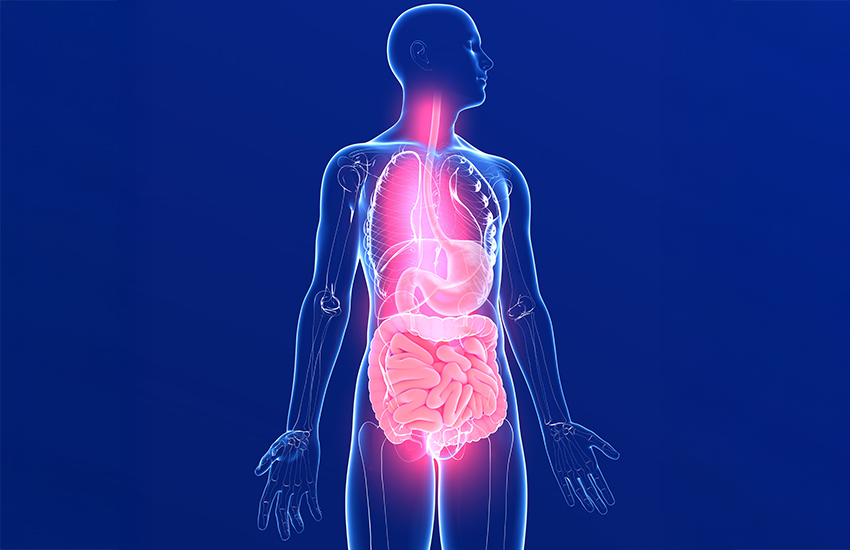
Figure 1: Silent inflammations can contribute to the development of numerous chronic diseases such as cardiovascular disease, cancer, diabetes mellitus and autoimmune diseases. In many cases the "silent inflammation" remains undetected for years.
Inflammation does not always have to be associated with pain, swelling or redness. So-called "silent inflammations" often remain asymptomatic and therefore go unnoticed for years or decades. The problem: low-grade inflammation can significantly impair health and contribute to the development of numerous chronic diseases. In this blog post you will learn what silent inflammations are and how they differ from other forms of inflammation. We also provide information on causes, symptoms and diagnostic procedures and present six holistic tips to help you combat and prevent "silent inflammation".
What is meant by "silent inflammation"?
The term "silent inflammation" (also: "silent inflammation") has rightly received a lot of attention in recent years. What characterises silent inflammations is that they are usually not accompanied by visible or noticeable symptoms. Instead, they typically develop slowly and unnoticed. Numerous studies, however, underline the link between low-grade chronic inflammatory processes in the body and the development of serious chronic diseases such as obesity, cancer and cardiovascular disease.[1] Given the globally high numbers of chronic diseases, it therefore seems all the more important to examine and research "silent inflammation" more closely.
Acute, chronic or silent inflammation – what is the difference?

Figure 2: While acute inflammations are typically associated with redness, swelling and pain, silent inflammations usually proceed without acute symptoms.
Although they have a rather bad reputation, inflammation per se is not necessarily negative. Rather, it is a natural and vital response of the immune system to injury, infection or irritation. Without inflammatory processes, wounds could not heal and infections could not be fought successfully. However, there are different forms of inflammation that differ in intensity, symptoms and duration:
- Acute inflammation: Acute inflammation is what most people classically associate with inflammation. A suppurating wound counts as an acute inflammation, as does a cold or an insect bite. The body responds to the acute injury or infection with visible and noticeable symptoms such as redness, heat, swelling and pain. Once the cause has been eliminated, acute inflammation usually subsides again within days to a few weeks.
- Chronic inflammation: This form of inflammation is long-lasting because the acute inflammatory response either does not fully subside or flares up repeatedly. In addition to untreated acute inflammations, autoimmune diseases (e.g. rheumatoid arthritis, Crohn’s disease) or metabolic disorders (e.g. diabetes) can be responsible for chronic inflammations such as chronic bronchitis, rheumatoid arthritis or periodontitis. If chronic inflammations persist for months or years, tissue damage, scarring or organ dysfunction may occur.
- Silent inflammation: "Silent inflammation" is also a form of chronic inflammation, but it usually proceeds without acute symptoms. For this reason, silent inflammations often remain undetected for years. In the long term, however, low-grade inflammation can promote systemic diseases such as cardiovascular disease, cancer, neurodegenerative diseases and autoimmune diseases.
Common causes of silent inflammation
Silent inflammations often develop insidiously over years. Usually a combination of lifestyle and environmental factors as well as metabolic processes is responsible for the inflammation. The most relevant influencing factors include:
- visceral fat and overweight
- an unbalanced diet
- lack of physical activity
- imbalance in the gut microbiome (dysbiosis)
- ageing processes ("inflammaging")
- chronic stress
- environmental toxins
- excessive sugar and alcohol consumption
- smoking
- dental and root treatments
Certain foods and ingredients can demonstrably promote inflammation. These include above all sugar, refined carbohydrates, trans fats, red and processed meat and alcohol. Regular consumption of sweet, fatty and highly processed foods can therefore pave the way for silent inflammations. In addition, many of the foods and food components mentioned are very calorie-dense, which promotes overweight. This, in turn, is often associated with an increased proportion of harmful visceral fat. This type of adipose tissue lies deep in the abdominal cavity around internal organs such as the liver, intestines and pancreas. Visceral fat is metabolically very active. It releases pro-inflammatory substances that lead to chronic, low-grade inflammation.
Not infrequently, an imbalance of the gut bacteria is also the reason why silent inflammations arise. With an unfavourable diet high in sugar, fat and additives, the intestinal wall can become permeable ("leaky gut"). This allows harmful substances, bacteria and toxins from the gut to enter the bloodstream. The result is a permanent activation of the immune system, often associated with a "silent inflammation".
The term "inflammaging", derived from the words "inflammation" and "aging", describes the development of a silent inflammation as an accompanying phenomenon of the ageing process. With increasing age, immune cells react more slowly and less precisely, so that small amounts of inflammatory mediators – so-called cytokines – are constantly released. This process, also known as immunosenescence, leads to a persistently elevated inflammatory status in the body, which can be associated with cellular damage and an amplification of existing inflammations.
What happens in the body during a silent inflammation?
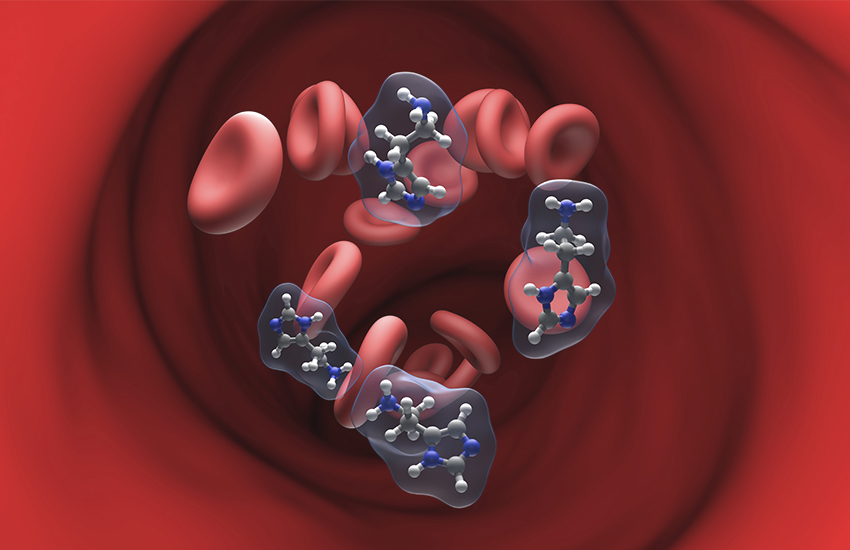
Figure 3: Silent inflammations cause a constant low-level activation of the immune system and a continual release of inflammatory mediators.
To better understand the significance and consequences of silent inflammations, it is helpful to know what actually happens in the body. In an acute inflammation the bodily response is short, strong and targeted. The immune system is activated and pro-inflammatory mediators – primarily so-called proinflammatory cytokines – are released. Immune cells such as granulocytes and macrophages then become active to fight unwanted intruders such as viruses or bacteria. After the cause has been eliminated, the inflammation subsides and healing and repair processes are initiated.
Silent inflammations look different: here the immune system is only slightly active, but continuously so. This means that certain immune cells are constantly slightly activated and release inflammatory mediators. This ongoing immune activity does not come without consequences: reactive oxygen species (ROS) are generated, which attack cells, proteins, fats and DNA. In addition, there may be insidious tissue damage and disruptions in cell communication, leading to metabolic dysregulation. If this state persists for years or decades, it can lead to various diseases and health complaints (see section "Possible long-term consequences of silent inflammations").
Possible long-term consequences of silent inflammation
Silent inflammations are often only noticed once secondary diseases occur. The range of diseases that can be promoted by chronic, low-grade inflammation is large. Cardiovascular disease, cancer and diabetes mellitus can be the result of silent inflammations, as can chronic kidney disease, chronic pain, allergies and neurodegenerative diseases.[2]
The development of individual diseases through "silent inflammation" is based on specific, often complex mechanisms. For example, certain inflammatory mediators (TNF-α and IL-6) can inhibit insulin receptors in muscle and liver cells and thereby induce insulin resistance. This in turn can lead to type 2 diabetes or the development of metabolic syndrome.
Furthermore, a persistent activation of the immune system can cause various autoimmune diseases such as Hashimoto’s thyroiditis, Crohn’s disease or rheumatoid arthritis. This is because a permanent low-level immune activity can exhaust the body's natural regulatory mechanisms. The immune system then often begins to attack not only foreign substances but also the body's own cells and structures – the onset of an autoimmune disease.
Typical symptoms and signs of silent inflammation
At first glance it may seem contradictory to speak of symptoms in connection with silent inflammations. After all, is it not precisely the main feature of "silent inflammation" that it proceeds symptom-free and unnoticed? In principle, it is true that the classic inflammation symptoms such as redness, pain or swelling are absent in "silent inflammation". Nevertheless, there are some subtle bodily warning signs to watch for if you suspect a silent inflammation. Typical nonspecific signs of silent inflammations include:
- chronic fatigue and lack of drive
- a general feeling of being unwell
- increased susceptibility to infections
- difficulty concentrating
- muscle and limb aches
- sleep disturbances
- slower recovery (after training or illness)
- increased irritability
- digestive problems
- skin irritations (e.g. redness, eczema, blemishes)
How are silent inflammations diagnosed?
If you notice one or more of the symptoms mentioned in the previous section, it is advisable to have the suspicion of a silent inflammation checked medically. But how can you find out whether "silent inflammation" is actually present? Because of their diffuse or initially completely absent symptoms, silent inflammations often remain undetected for a long time. To prevent a possible inflammation from spreading unchecked, a blood test can be worthwhile even if done only for reassurance and prevention. Make sure that relevant blood parameters that allow conclusions about inflammatory processes are taken into account. Important markers for silent inflammations are high-sensitivity C-reactive protein (hsCRP), the white blood cell count and the LPS value. The abbreviation "LPS" stands for lipopolysaccharides. These endotoxins can pass through the intestinal wall into the bloodstream and cause a persistent low-level inflammation throughout the body.[3]
In addition to measuring important biomarkers in the blood, a microbiome analysis can also be extremely useful. Such an examination can not only detect a general imbalance of the gut microbiome (dysbiosis) but, by measuring zonulin, also identify an existing leaky gut syndrome. If organ involvement is suspected (e.g. fatty liver or joint inflammation), imaging techniques such as ultrasound or MRI may occasionally be used. As a rule, a single value alone cannot prove silent inflammation. The diagnosis of "silent inflammation" should therefore always be made on the basis of a combined assessment of certain markers and clinical symptoms.
Combating and preventing silent inflammations: 6 holistic tips

Figure 4: By making targeted lifestyle adjustments it is possible to prevent silent inflammations and effectively alleviate existing inflammations.
The thought that silent inflammations may be smouldering unnoticed in one's own body worries many people. The good news is that you can actively do something about it through targeted lifestyle changes to slow down or even prevent inflammations from flaring up. On the one hand, you should avoid anything that can promote silent inflammations and, on the other, alleviate any existing inflammations through measures in the areas of nutrition, exercise and stress management.
1. Take care of your gut health!
Silent inflammations often originate in the gut. This is not surprising when one considers that the gut is our largest immune organ, housing around 70 to 80 percent of all immune cells. Actively supporting gut health and continuously nurturing the microbiome is therefore indispensable if you want to avoid or alleviate silent inflammations. One option is to cleanse the gut of harmful substances and toxins that can burden the immune system. A targeted strengthening of the microbiome can be achieved through a fibre-rich and as sugar-free as possible diet. Also make sure to consume fermented products regularly (e.g. sauerkraut, kimchi, kefir). These probiotics contain beneficial microorganisms that can make and strengthen the diversity of the microbiome.
2. Prioritise anti-inflammatory foods!
If the body is supplied with all essential nutrients, the immune system can also work more efficiently. Inflammations then have less chance of spreading or worsening. You should therefore eat as balanced a diet as possible, rich in nutrients and antioxidants. A plant-based, alkaline dietary approach provides the best basis for this. Foods are considered "alkaline" if they have an alkaline effect after digestion and thus reduce or neutralise the formation of acids in metabolism. If these alkaline foods are neglected, the risk of "latent acidosis" increases – a condition that can favour silent inflammations.[4] As a guideline for a favourable acid–base balance: about 70 to 80 percent of the diet should consist of alkali-forming foods and about 20 to 30 percent of acid-forming foods.
Alkali-forming – and thus anti-inflammatory – foods include primarily green vegetables (e.g. broccoli, spinach, kale), certain fruits (e.g. lemon, avocado), herbs and spices (e.g. parsley, coriander, ginger) as well as sprouts and shoots (e.g. alfalfa, mung beans). Because antioxidants can neutralise free radicals that drive silent inflammations, you should also regularly consume antioxidant- and polyphenol-rich foods such as berries or cherries and spices such as turmeric, ginger and cinnamon. Avoid sugar-rich and industrially highly processed foods as well as excessive consumption of gluten and wheat proteins, as these can exacerbate silent inflammations.
3. Reduce your visceral fat – if present!
Numerous studies demonstrate the link between excess body fat and inflammatory processes in the body.[5] Visceral abdominal fat is particularly dangerous because this type of adipose tissue is hormonally active and produces pro-inflammatory substances. Good weight management and, if necessary, a targeted reduction of visceral fat are therefore important components in the prevention and treatment of silent inflammations. An anti-inflammatory, alkaline diet as well as daily exercise and avoidance of chronic stress are among the most effective measures to reduce visceral fat.
4. Move daily, ideally!
The anti-inflammatory effect of regular physical activity is well documented.[6] If you want to prevent silent inflammations or counteract existing inflammation, you should ideally combine moderate endurance training with strength training. Gentle endurance sports such as easy cycling, swimming, hiking or jogging stimulate circulation and can strengthen the immune system. Strength training, meanwhile, is an effective means of reducing body and visceral fat, as an increase in muscle mass is associated with a higher basal metabolic rate. In addition, muscle work stimulates the release of so-called myokines, which have anti-inflammatory effects.[7]
5. Keep an eye on your stress levels!
In short: stress promotes inflammation. The hormone cortisol, also known as the "stress hormone", may initially have anti-inflammatory effects, but under chronic stress it has the opposite effect because the body may develop cortisol resistance.[8] Overactivation of the sympathetic nervous system leads to constant noradrenaline release and increased production of pro-inflammatory mediators. Stress also accelerates cellular ageing processes and age-related inflammatory activity ("inflammaging"). To counteract these processes, effective stress management is crucial. Stress management methods and relaxation techniques such as meditation, mindfulness training, yoga or breathing exercises can help to calm the nervous system and reduce perceived stress levels.
6. Avoid nicotine and other toxins!
If you smoke, quitting is the most important step to counter silent inflammations. Tobacco smoke contains over 7,000 chemical substances that generate oxidative stress in the body and can stimulate the production of pro-inflammatory cytokines.[9] At the same time, antioxidant substances such as glutathione or vitamin C, which normally serve as antioxidant protection in the body, are depleted. The result is a persistent low-grade inflammation – a "silent inflammation". Environmental toxins such as pesticides, plasticisers, heavy metals or fine dust should also be avoided, as these substances generate oxidative stress and can chronically irritate the immune system.
Disclaimer
This article does not replace treatment by a qualified therapist. The basis of this article is studies and current literature. It must not be used for self-diagnosis or self-treatment. Discuss any inspirations from this article with a therapist you trust, if necessary.
Biographical
Katharina Korbach regularly writes blog posts on medicinal plants and natural active ingredients for the Narayana Verlag. She became interested in language and began writing her own literary texts at an early age. A serious illness during her final school years prompted an intensive engagement with health and nutrition topics that continues to this day. After repeated failures of conventional medical treatments, she opted for a more self-effective, naturopathic therapeutic approach. A plant-based diet was a key element of her path to recovery.
Katharina studied Cultural Studies (B.A.) and Applied Literary Studies (M.A.). In 2022 she published her debut novel "Sperling" with Berlin Verlag. She now lives in Berlin as a freelance author, medical editor and lecturer. In her free time she most enjoys spending time with friends or doing barre training. She also loves travelling and trying out new vegan recipes.
[1] Cifuentes M, Verdejo HE, Castro PF, Corvalan AH, Ferreccio C, Quest AFG, Kogan MJ, Lavandero S. Low-Grade Chronic Inflammation: a Shared Mechanism for Chronic Diseases. Physiology (Bethesda). 2025 Jan 1. https://pubmed.ncbi.nlm.nih.gov/39078396/.
[2] Furman D, Campisi J, Verdin E, Carrera-Bastos P, Targ S, Franceschi C, Ferrucci L, Gilroy DW, Fasano A, Miller GW, Miller AH, Mantovani A, Weyand CM, Barzilai N, Goronzy JJ, Rando TA, Effros RB, Lucia A, Kleinstreuer N, Slavich GM. Chronic inflammation in the etiology of disease across the life span. Nat Med. 2019 Dec. https://pubmed.ncbi.nlm.nih.gov/31806905/.
[3] Page MJ, Kell DB, Pretorius E. The Role of Lipopolysaccharide-Induced Cell Signalling in Chronic Inflammation. Chronic Stress (Thousand Oaks). 2022 Feb 8. https://pubmed.ncbi.nlm.nih.gov/35155966/.
[4] Balali A, Nehls MS, Tabibi H, As'habi A, Arab A. Dietary acid load and markers of malnutrition, inflammation, and oxidative stress in hemodialysis patients. Front Nutr. 2024 Mar 22. https://pubmed.ncbi.nlm.nih.gov/38585612/.
[5] Kunz HE, Hart CR, Gries KJ, Parvizi M, Laurenti M, Dalla Man C, Moore N, Zhang X, Ryan Z, Polley EC, Jensen MD, Vella A, Lanza IR. Adipose tissue macrophage populations and inflammation are associated with systemic inflammation and insulin resistance in obesity. Am J Physiol Endocrinol Metab. 2021 Jul 1. https://pubmed.ncbi.nlm.nih.gov/33998291/.
[6] Nimmo MA, Leggate M, Viana JL, King JA. The effect of physical activity on mediators of inflammation. Diabetes Obes Metab. 2013 Sep. https://pubmed.ncbi.nlm.nih.gov/24003921/.
[7] Leal LG, Lopes MA, Batista ML Jr. Physical Exercise-Induced Myokines and Muscle-Adipose Tissue Crosstalk: A Review of Current Knowledge and the Implications for Health and Metabolic Diseases. Front Physiol. 2018 Sep 24. https://pubmed.ncbi.nlm.nih.gov/30319436/.
[8] Lee JH, Meyer EJ, Nenke MA, Lightman SL, Torpy DJ. Cortisol, Stress, and Disease-Bidirectional Associations; Role for Corticosteroid-Binding Globulin? J Clin Endocrinol Metab. 2024 Aug 13. https://pubmed.ncbi.nlm.nih.gov/38941154/.
[9] Urban?i? M, Petrovi? D, Živin AM, Korošec P, Fležar M, Petrovi? MG. Correlations between vitreous cytokine levels and inflammatory cells in fibrovascular membranes of patients with proliferative diabetic retinopathy. Mol Vis. 2020 Jun 26. https://pubmed.ncbi.nlm.nih.gov/32606566/.
Figure 1: Pepe Gallardo/shutterstock.com ; Figure 2: Worranan Junhom/shutterstock.com ; Figure 3: Nemes Laszlo/shutterstock.com ; Figure 4: Maren Winter/shutterstock.com
18.12.2025

