
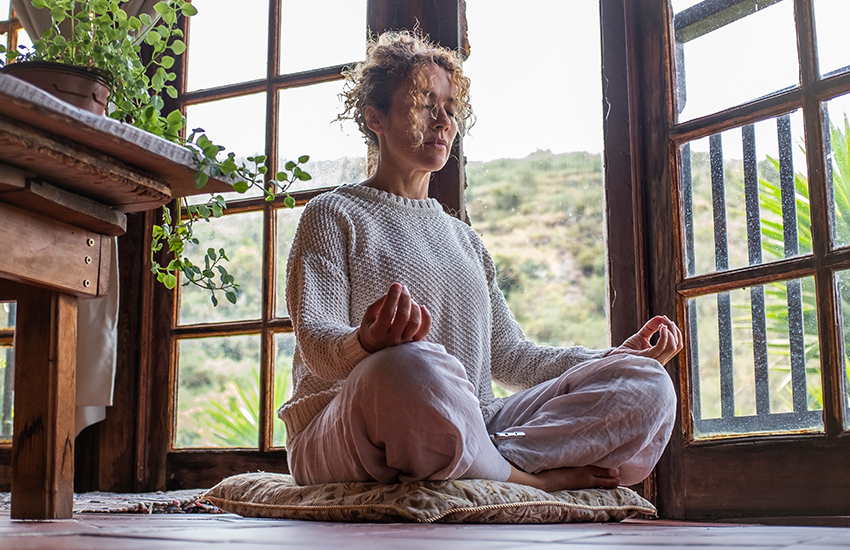
Figure 1: Those who regularly cultivate their own mindfulness are often more stress-resilient, more attentive and less anxious. Even a short daily mindfulness practice can be enough to benefit from the positive effects.
Those who live mindfully consciously enjoy the present moment – and in the long run are more optimistic and satisfied. Many studies show that regular mindfulness training can have extremely positive effects both mentally and physically. Mindfulness-based approaches such as MBSR ("Mindfulness-Based Stress Reduction") are therefore used as adjunctive therapy for a wide range of conditions. In this blog article we inform you about the origins, goals and common areas of application of mindfulness training. The six simple exercises presented can help you integrate mindfulness into your daily life and benefit from the advantages of mindfulness training.
What is mindfulness?

Figure 2: In short, mindfulness means perceiving the present moment consciously and without judgement.
The topic of "mindfulness" has been on everyone's lips for several years. No wonder in our fast-paced world today, which places huge demands on individuals on many levels. Many people long for a way to centre themselves and perceive the present moment more consciously. Jon Kabat-Zinn, one of the pioneers of the modern mindfulness movement, defines mindfulness as "the intentional, open and accepting observation of what is happening in the present moment […] without distraction and without any positive or negative judgement."[1]
However, this conscious, non-judgemental being-in-the-moment does not always succeed. Often we are physically present but mentally with yesterday's conversation or the plans for the evening. Mindfulness training can help us, in the long term, to arrive in the here and now and interrupt rumination loops. The concept itself is not new: mindfulness has been practised in Buddhism for centuries. The Vietnamese Zen master Thich Nhat Hanh (1926–2022) ultimately brought "mindfulness" to worldwide attention. Another central figure is the already mentioned molecular biologist Jon Kabat-Zinn. In the 1970s he developed the so-called "Mindfulness-Based Stress Reduction" (MBSR) – a training programme for mindfulness-based stress reduction that is still popular today (see next section).
What is "Mindfulness-Based Stress Reduction" (MBSR) about?
There are many variants of mindfulness training. The best-known form in this country is "Mindfulness-Based Stress Reduction" (MBSR). The classic eight-week structured group programme is frequently offered, among other places, in companies, schools and day clinics. Mindfulness meditations and attention exercises are intended to promote mindfulness and thus make it easier to deal with stress, pain and distressing emotions. Originally, the training was designed in the 1970s for pain patients. Today, MBSR and other variants of mindfulness training are used as adjunctive therapy for many other conditions (see section "For which conditions can mindfulness training help?"). On the basis of MBSR, further mindfulness training methods later developed, such as "Mindfulness-Based Cognitive Therapy" – a combination of MBSR and cognitive behavioural therapy designed for relapse prevention in depression.
Although many practitioners reported the positive effects of MBSR, mindfulness-based stress reduction was long not recognised scientifically. In the early 2000s, however, initial studies appeared that were able to show by functional magnetic resonance imaging what happens in the brain through mindfulness training. According to a well-known 2005 study, regular meditation leads to measurable neuroplastic changes.[2] In meditating study participants a significantly greater cortical thickness was found compared with the control group. Regions particularly affected were those associated with attention capacity, sensory processing, memory and emotional regulation (e.g. prefrontal cortex, hippocampus). The "thickening" of the brain indicates improved function in these areas.
Positive effects of mindfulness training on body and mind

Figure 3: Mindfulness training can have positive effects both preventively and in the presence of existing conditions.
The positive effects of mindfulness training – in particular MBSR – have been confirmed in numerous studies.[3] Those who practise mindfulness continuously can expect a variety of physical and psychological changes.
On the physical level, a regular mindfulness practice can, among other things, lower blood pressure and improve immune response and sleep quality through reduced ruminative thoughts and more restorative deep sleep phases. Subjective perception of pain is also affected: despite unchanged intensity, pain is often perceived as less burdensome after mindfulness training. Reduced cortisol release also supports hormonal balance, from which many other areas – including energy levels, digestion and skin condition – can benefit. Mindfulness training is used not only for existing conditions but also preventively. All people – whether healthy or with pre-existing conditions – can potentially benefit from these effects.[4]
On the psychological and mental level, regular mindfulness training can have, among others, the following effects:
- improved stress resilience
- increased concentration
- emotional balance
- improved self-awareness and self-acceptance
- improved general mood
- improved emotion regulation
- reduced depressive symptoms
- reduction of anxiety and ruminative thoughts
For which conditions can mindfulness training help?
In many common conditions, stress plays a decisive role – as a cause or catalyst of the illness. Since mindfulness training has been shown to reduce stress, it is only logical that mindfulness exercises and programmes like MBSR are recommended for numerous health complaints. By perceiving stress and the associated physical symptoms without judgement, these are often experienced as less burdensome.
Psychological and physical conditions for which mindfulness training is frequently used as adjunctive therapy include:
- depression
- anxiety disorders
- chronic stress and burnout
- obsessive–compulsive disorders
- eating disorders
- post-traumatic stress disorder (PTSD)
- addiction disorders
- chronic pain
- cardiovascular diseases
- sleep disorders
- irritable bowel syndrome
- autoimmune diseases (e.g. rheumatism, psoriasis, fibromyalgia)
Mindfulness in everyday life: 6 simple exercises for more presence

Figure 4: It's worth creating small "islands of mindfulness" in everyday life. Mindful eating or keeping a gratitude journal are routines that don't take much time and can nevertheless be very effective.
There are many ways to integrate mindfulness into your everyday life. According to studies, just a 10- to 20-minute daily mindfulness meditation is sufficient to achieve positive changes such as increased presence or reduced anxiety.[5] It is important not to lose patience too quickly. It is completely normal that the positive effects of mindfulness training do not occur immediately. Structured group programmes such as MBSR can help you stay on track. However, all the exercises presented below can also be easily carried out independently. To enhance the stress-reducing effect, it makes sense to combine mindfulness training with other relaxation techniques such as yoga, meditation or breathing exercises.
1. Body scan
The so-called body scan is one of the most popular mindfulness exercises and a fixed component of the classic MBSR programme. The aim of the meditation exercise is to strengthen bodily awareness and the focus on the present moment. For this purpose, bodily sensations as well as feelings and thoughts should be perceived consciously without judging them. The exercise can be carried out in a short version (10 to 15 minutes) or extended to up to 45 minutes.
If you want to do a body scan at home, you should first take a comfortable position. To prevent falling asleep when lying down, it is often advisable to perform the exercise sitting comfortably on a chair. Begin the body scan with a few deep breaths. Close your eyes and direct your focus inward. Then let your attention travel from bottom to top: first feel your feet. Where do they touch the floor? Are they cold or warm? Are there areas on the heels, soles or toes that hurt?
Then direct the focus in turn to the lower legs, calves and shins, thighs, abdomen, back, shoulders, face and arms. We often unconsciously tense muscles in the face. Pay close attention: Is your jaw relaxed? Are your eyelids gently closed or are you squeezing them? Especially at the beginning it is perfectly normal for your thoughts to wander during the body scan. In that case simply bring your focus back to the respective body region and continue the exercise. End the body scan with a few concluding breaths and small movements of the hands and feet.
2. Mindful eating
In the hectic everyday life many people hardly take time for their meals. A hastily devoured lunch in front of the laptop or snacking in front of the TV are not uncommon. If this becomes the norm, such inattentive eating behaviour can have extremely negative effects on health. Eating too fast, too late or in stress burdens digestion and can lead to complaints such as bloating, abdominal pain or constipation. It can also quickly happen that we exceed our calorie needs, which in the long term leads to overweight.
Mindful eating is a way to regain awareness of different foods and flavours. It not only cultivates gratitude for the available food but has also been shown to contribute to weight loss and to reduce emotional eating.[6]
If you want to practise mindful eating, you can start with a short check-in before the meal: Are you really hungry or just craving? Are you perhaps eating out of boredom, stress or habit? To be able to fully concentrate on the exercise, it is important to eat completely distraction-free and to avoid TV, laptop, smartphone, music or podcasts. Eat slowly, taste consciously and put down your cutlery between bites. Ask yourself repeatedly: How does this food taste to me? Am I still hungry? Finish the meal as soon as you feel a pleasant sense of fullness.
3. The raisin exercise
The raisin exercise (Raisin Exercise) also falls under mindful eating. However, it is not only about conscious tasting but about sharpening all the senses. As the name suggests, the exercise requires one or two raisins. Alternatively, a nut or a piece of chocolate can be used.
At the start of the exercise, the raisin is examined closely: What colour and shape does it have? What unusual details are perhaps visible? Then feel the raisin with your fingers: Is it sticky, soft, firm or smooth? Smell it and hold the raisin to your ear to check whether you can hear faint crackling or rubbing noises under slight pressure. Only as the final part of the exercise is the raisin finally placed in the mouth – at first without chewing. Simply place the raisin on your tongue and notice how it feels. After a while, begin to chew very slowly. How do the taste and texture change? Also notice the swallowing of the raisin consciously and continue to feel afterwards for a while. What thoughts and emotions can you notice?
4. Mindful walking meditation
Especially stressed people often find silent sitting meditation difficult. Walking meditation is a good alternative to stay in motion while still bringing attention consciously to the here and now. For this, first stand upright and feel the contact of your feet with the ground. Then take a few conscious breaths and tell yourself, "I walk to feel." With this intention, take the first step. Walk very slowly and focus on your bodily sensations. How does lifting and placing the foot and the shifting of weight feel? Also feel the movements in the hips, knees, arms and legs. As with the body scan, it is perfectly normal for the mind to drift away occasionally in this exercise. Simply continue your walk and end the exercise after 10 to 20 minutes.
5. The all-senses exercise
Hardly anything anchors us in the present as much as sensory perceptions. After all, every moment is a unique combination of visual impressions, sounds and smells. The all-senses exercise is about sharpening sensory perception and thus detaching from thinking and grounding oneself. You can basically carry out the mindfulness exercise anywhere – be it in the office, at home or in nature. Sit or stand comfortably, breathe calmly and then go through all five senses one after the other. What do you see, feel, hear, smell and taste at this particular moment?
6. Gratitude journal
Practising gratitude has been shown to improve mental health and reduce anxiety.[7] A popular method, which can also be understood as a form of mindfulness training, is keeping a gratitude journal. This trains a conscious perception of positive events in life and the acceptance of one's own sensations, thoughts and feelings. It is best to write down three things every evening that you were grateful for that day. This can be something very small and seemingly trivial, such as sunshine on your face, a nice compliment or a short moment of calm. Also describe why you are grateful for it (e.g. "The sun made me happy. I felt alive, calm and grounded."). If you keep your gratitude journal regularly over a few weeks, you will notice how your well-being, your positive attention and your awareness of your own resources change.
Disclaimer
This article does not replace treatment by a qualified therapist. The basis of this contribution is studies and current literature. It must not be used for self-diagnosis or self-treatment. If necessary, discuss any inspirations from this article with a therapist you trust.
About the author
Katharina Korbach regularly writes blog posts about medicinal plants and natural active ingredients for the Narayana Verlag. She became interested in language at an early age and began to write her own literary texts. A serious illness during her final school years prompted an intensive engagement with health and nutrition topics that continues to this day. After repeated failures of conventional medical treatments, she decided on a more self-effective, naturopathic therapy approach. A plant-based diet was a key factor on her path to recovery.
Katharina studied Cultural Studies (B.A.) and Applied Literary Studies (M.A.). In 2022 she published her debut novel "Sperling" with Berlin Verlag. She now lives in Berlin as a freelance author, medical editor and lecturer. She spends her free time preferably with friends or at barre training. She also loves to travel and try out new vegan recipes.
[1] What is mindfulness? The definition and the concept. https://www.abenteuer-achtsamkeit.de/ (accessed: 13.11.2025).
[2] Lazar SW, Kerr CE, Wasserman RH, Gray JR, Greve DN, Treadway MT, McGarvey M, Quinn BT, Dusek JA, Benson H, Rauch SL, Moore CI, Fischl B. Meditation experience is associated with increased cortical thickness. Neuroreport. 2005 Nov 28. https://pmc.ncbi.nlm.nih.gov/articles/PMC1361002/.
[3] Grossman P, Niemann L, Schmidt S, Walach H. Mindfulness-based stress reduction and health benefits. A meta-analysis. J Psychosom Res. 2004 Jul. https://pubmed.ncbi.nlm.nih.gov/15256293/.
[4] Khoury B, Sharma M, Rush SE, Fournier C. Mindfulness-based stress reduction for healthy individuals: A meta-analysis. J Psychosom Res. 2015 Jun. https://pubmed.ncbi.nlm.nih.gov/25818837/.
[5] Palmer R, Roos C, Vafaie N, Kober H. The effect of ten versus twenty minutes of mindfulness meditation on state mindfulness and affect. Sci Rep. 2023 Nov 24. https://pubmed.ncbi.nlm.nih.gov/38001316/.
[6] Yücel ÜÖ, Er BG, Uçar A. The Effectiveness of the Mindfulness-Based Dietary Intervention on Body Weight and Eating Behaviors. J Hum Nutr Diet. 2025 Jun. https://pubmed.ncbi.nlm.nih.gov/40522056/.
[7] Diniz G, Korkes L, Tristão LS, Pelegrini R, Bellodi PL, Bernardo WM. The effects of gratitude interventions: a systematic review and meta-analysis. Einstein (Sao Paulo). 2023 Aug 11. https://pubmed.ncbi.nlm.nih.gov/37585888/.
Figure 1: Gorodenkoff/shutterstock.com ; Figure 2: captainX/shutterstock.com ; Figure 3: Orawan Pattarawimonchai/shutterstock.com ; Figure 4: monshtein/shutterstock.com
25.12.2025

