

Figure 1: Visible changes to the body can indicate an imbalance of nutrients.
Minerals are essential for the human body. If the body is not sufficiently supplied with magnesium, calcium, iron and other important minerals, this can have negative effects on health. This article explains why minerals are so important for our physical and mental wellbeing. You will also find information on the typical symptoms of a mineral deficiency as well as on risk factors, diagnosis and treatment. The concluding five tips to prevent a mineral deficiency can help you avoid a deficit in the first place.
What is meant by a mineral deficiency?
A mineral deficiency exists when the body does not receive or cannot utilise certain minerals in sufficient amounts. As a result, important physiological processes may no longer run smoothly. Essentially, minerals are inorganic nutrients that play a key role, among other things, in the formation of bones and teeth, muscle and nerve function, the regulation of water and electrolyte balance, heart and circulatory function, the activation of enzymes and hormones, immune defence, hormone production and thyroid function.
The range of bodily functions mentioned makes clear how important minerals are for our health. The substances, which are often (incorrectly) also referred to as minerals, cannot be produced by the body itself. Regular intake via food and drinking water is therefore essential. In general – especially given the abundance of food in most Western countries – it is possible to obtain sufficient amounts of minerals through the diet. Nevertheless, deficiencies in iron, iodine and zinc, among others, are not uncommon even here.[1]
Minerals and trace elements: what is the difference?
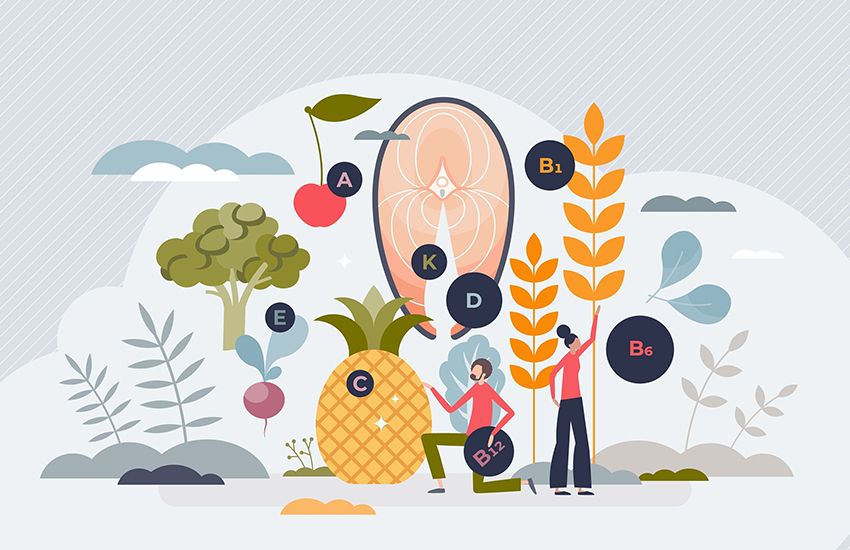
Figure 2: Minerals and trace elements are required by the body in different amounts.
Anyone dealing with the topic of "mineral deficiency" will quickly come across various terms that can cause confusion. One question that often arises is what distinguishes minerals from trace elements. In fact, the difference between these essential micronutrients is not great. The decisive factor is the amount in which the human organism requires the substances.
- Minerals: The group of "minerals" includes those nutrients that the body needs daily in larger amounts – more than 50 milligrams per kilogram of body weight per day. Minerals that are present in larger amounts in the body are therefore also referred to as "major minerals". These include, for example, calcium, magnesium and sodium.
- Trace elements: Trace elements are, like minerals, inorganic substances, but the body needs them only in very small amounts. Less than 50 milligrams per day are already sufficient to cover daily requirements. This does not mean that trace elements are less important for the body – they are simply needed only "in trace" amounts. Prominent trace elements include iron, zinc, iodine and selenium.
Electrolytes are also classed as minerals but form their own subgroup. In the body they dissociate into electrically charged particles (ions). These conduct electrical signals in the body and contribute to the regulation of nerve and muscle function as well as the water balance. Incidentally: minerals are inorganic nutrients that do not contain carbon compounds, whereas vitamins are always organic, carbon-based substances. Most vitamins cannot be synthesised by the body or only insufficiently and must therefore be obtained from the diet. An exception is vitamin D, which can be produced by the body with sufficient sun exposure. Dietary intake is therefore necessary for most vitamins.
Typical symptoms and long-term consequences of a mineral deficiency

Figure 3: The first signs of a mineral deficiency are often non-specific. Fatigue, a general feeling of weakness and mood swings are typical symptoms.
If the body is supplied with too few minerals over a longer period, both physical and psychological complaints can occur. The symptoms are often non-specific. Different nutrient deficiencies can also cause similar symptoms. It is therefore all the more important to find out which minerals the body is actually lacking (see section "How is a mineral deficiency diagnosed?"). Only then can therapy be targeted and deficiency symptoms be effectively treated.
Common symptoms of a mineral deficiency include:
- fatigue
- general weakness
- hair loss
- brittle nails
- cracked corners of the mouth
- muscle cramps
- pale skin
- difficulty concentrating
- mood swings
- increased susceptibility to infections
- poor wound healing
The long-term consequences of a mineral deficiency depend primarily on the specific deficiency. For example, if the body receives too little calcium over a prolonged period, this can lead to osteoporosis (brittle bones) or growth disorders in children.[2] Chronic under-supply of magnesium, on the other hand, increases the risk of high blood pressure and cardiovascular disease.[3] Immune weakness and increased infections can also be caused by a mineral deficiency – for example, if there is a chronic shortage of iron, zinc or selenium.[4]
Risk factors for a mineral deficiency
The possible causes of mineral deficiencies are varied. Dietary and lifestyle factors can be responsible, as can special life stages (e.g. pregnancy and breastfeeding), illnesses, medication or environmental factors. Major risk factors for a mineral deficiency include:
- unbalanced diet
- radical diets
- eating disorders
- pregnancy and breastfeeding
- advanced age (approximately from 60 years)
- competitive sport
- long-term medication (e.g. diuretics, laxatives)
- gastrointestinal diseases
- hormonal disorders (e.g. thyroid problems)
- chronic diseases (e.g. renal insufficiency, liver disease)
- smoking
- high alcohol consumption
- chronic stress
A mineral deficiency often arises from a combination of increased demand, insufficient intake and reduced absorption of minerals. Increased needs occur not only during pregnancy and breastfeeding but also during growth phases and in old age. Older people often have reduced appetite and lower absorptive capacity in the gut, so that the minerals taken in with food cannot be utilised optimally.
Increased loss of minerals can occur with heavy sweating (e.g. during sport, in the sauna or in high heat) as well as with chronic diarrhoea or vomiting. Kidney disease can also lead to mineral loss by causing increased excretion of minerals in the urine. People who lose a lot of blood, for example due to heavy menstrual bleeding or injuries, are particularly prone to iron deficiency.
Medication is another relevant risk factor. Proton pump inhibitors such as pantoprazole can reduce magnesium absorption, while diuretics (water tablets) often promote loss of potassium and magnesium. Alcohol also inhibits the absorption, utilisation and storage of minerals on several levels.[5] On the one hand it irritates the intestinal mucosa so that fewer nutrients enter the bloodstream; on the other hand alcohol has a diuretic effect, which is associated with increased loss of minerals and electrolytes via the urine.
How is a mineral deficiency diagnosed?
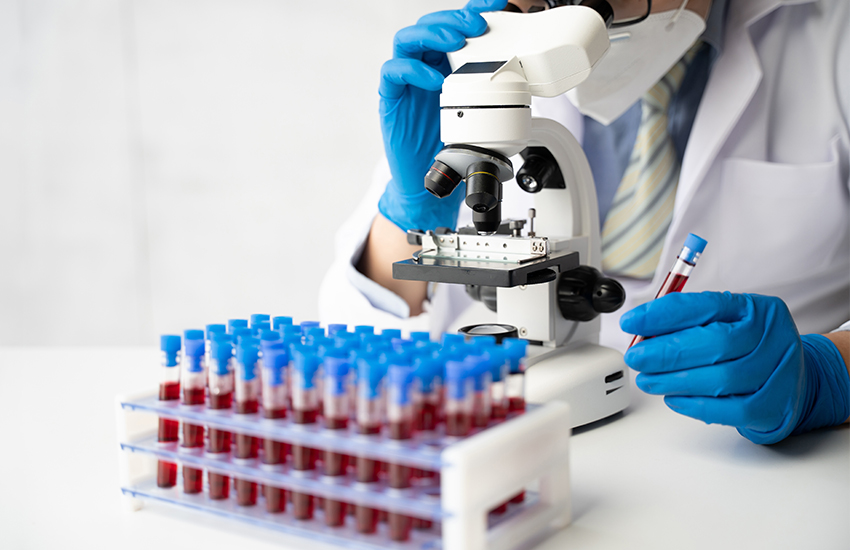
Figure 4: Laboratory diagnostics in serum or whole blood is the most common method for clarifying a mineral deficiency.
If you experience some or several of the typical symptoms of a mineral deficiency over a longer period, you should make an appointment with your GP. They can order a blood test to check which specific minerals are lacking. Only part of the minerals is present in serum, which is why whole blood is often also examined in the laboratory. Because many minerals fluctuate depending on the time of day and factors such as stress, physical activity and fluid intake can influence the values, diagnosis should always take blood values, symptoms and lifestyle into account together. If a kidney function disorder or excessive excretion is suspected, a urine test can also be useful.
Treatment of a mineral deficiency
How best to treat a mineral deficiency depends on the minerals involved as well as on the cause and severity of the deficiency. The greatest leverage in therapy is usually diet. Missing minerals should be consciously integrated into your meal plan and meals should be mineral-rich and balanced overall. During the repletion phase of a particular mineral or in cases of longer-term increased need, targeted use of dietary supplements can also be sensible. The product, mode of administration and daily dosage should, however, always be agreed with a doctor beforehand.
It is also important, in addition to supplementation, to consider and treat the underlying cause of the mineral deficiency. This applies, for example, if a chronic inflammatory bowel disease such as Crohn's disease is responsible for reduced absorption of minerals. If the disease improves, the mineral deficiency is very likely to improve in the long term. If, on the other hand, an unbalanced diet is the cause of the deficiency, nutritional counselling can provide helpful support.
Preventing mineral deficiency: 5 holistic tips

Figure 5: In addition to choosing mineral-rich and preferably unprocessed foods, gentle cooking methods also help to optimise mineral uptake.
You should ideally deal with the risk of a mineral deficiency before the first symptoms become visible and tangible. It is wiser to maintain a lifestyle in which deficiency symptoms cannot arise in the first place. In addition to diet, factors such as stress, sleep and, if necessary, conscious supplementation are important building blocks for successful prevention. If you follow the tips below, you will already have created very good conditions to effectively prevent a mineral deficiency.
1. Eat a varied and balanced diet!
As colourful, fresh and balanced as possible: that is how your daily diet should ideally look if it is to help prevent a mineral deficiency. Particularly mineral-rich foods include vegetables, fruit, legumes, nuts, seeds and wholegrain products. It is also sensible to include high-quality protein sources such as fish, tofu or eggs and mineral water with a high calcium and magnesium content. As a rule: the less processed a food is, the better it is suited to supply the body with important minerals. Therefore avoid highly processed foods such as ready meals, packet soups or sweets to increase the mineral density of your diet.
2. Prepare your meals as nutrient-preservingly as possible!
In addition to the right choice of foods, preparation is also crucial. Steaming and gentle stewing are among the gentle cooking methods that preserve most nutrients. Slow cooking in hot water is not recommended. This not only causes the loss of vitamins and other water-soluble and heat-sensitive nutrients – a significant proportion of minerals is also transferred to the cooking water. Studies have shown that cooked foods contained about 30 to 40 per cent fewer minerals than raw, uncooked foods.[6] Depending on the cooking method, cut size and amount of water used, mineral loss can even be significantly higher.
3. Take care of your gut health!
Since minerals are absorbed predominantly in the small intestine, it is important to keep gut health in mind in order to optimise mineral uptake. In particular, support our gut bacteria – the so-called gut microbiome. Certain gut microbiota can increase the bioavailability of minerals such as calcium, iron, zinc and magnesium.[7] To support this positive effect, make your diet high in fibre and regularly include fermented foods (e.g. kefir, sauerkraut, miso, kimchi). Sugar, alcohol and additives in foods can weaken the microbiome and should therefore be avoided.
4. Pay attention to your stress level and your sleep!
It is often underestimated how strongly stress can affect the body's mineral balance. Both physical and psychological stress activate the hypothalamic–pituitary–adrenal (HPA) axis, causing cortisol and adrenaline levels to rise. As a result, mineral consumption accelerates. Under stress, for example, more magnesium is excreted via the urine or sweat. Relaxation measures such as meditation, yoga or breathing exercises can help to better regulate stress in the body. Equally important is sufficient and restorative sleep, since mineral consumption can also increase with sleep deprivation.
5. Supplement targetedly and consciously!
Taking dietary supplements is not always necessary for a mineral deficiency. Especially in mild or temporary deficiencies, a targeted dietary change is often sufficient. Supplementation does make sense when the requirement for individual minerals can no longer be met by diet alone. As a rule, dietary supplements should always be taken according to need and after medical consultation. Once existing deficits have been determined by a blood test, your treating doctor can recommend suitable supplementation. After strenuous training sessions or physical activities associated with heavy sweating (and thus mineral loss), electrolyte drinks can help to replenish mineral stores.
Disclaimer
This article does not replace treatment by a qualified therapist. The basis of this article is studies and current literature. It must not be used for self-diagnosis or self-treatment. If in doubt, discuss any ideas from this article with a therapist you trust.
Biography
Katharina Korbach regularly writes blog posts for the Narayana Verlag about medicinal plants and natural active ingredients. She began to take an interest in language early on and to write her own literary texts. A serious illness during her A-levels prompted intensive engagement with health and nutrition topics that continues to this day. After repeated failure of conventional treatment methods, she decided on a more self-effective, naturopathic therapeutic approach. A plant-based diet was an important key to her path to recovery.
Katharina studied Cultural Studies (B.A.) and Applied Literary Studies (M.A.). In 2022 she published her debut novel "Sperling" with Berlin Verlag. Today she lives in Berlin as a freelance author, medical editor and lecturer. She likes to spend her free time with friends or doing barre training. She also loves travelling and trying out new vegan recipes.
[1] Kiani AK, Dhuli K, Donato K, Aquilanti B, Velluti V, Matera G, Iaconelli A, Connelly ST, Bellinato F, Gisondi P, Bertelli M. Main nutritional deficiencies. J Prev Med Hyg. 2022 Oct 17. https://pmc.ncbi.nlm.nih.gov/articles/PMC9710417/.
[2] van Stuijvenberg ME, Nel J, Schoeman SE, Lombard CJ, du Plessis LM, Dhansay MA. Low intake of calcium and vitamin D, but not zinc, iron or vitamin A, is associated with stunting in 2- to 5-year-old children. Nutrition. 2015 Jun. https://pubmed.ncbi.nlm.nih.gov/25933491/.
[3] Nielsen FH. The Role of Dietary Magnesium in Cardiovascular Disease. Nutrients. 2024 Dec 6. https://pubmed.ncbi.nlm.nih.gov/39683617/.
[4] Palmer AC, Bedsaul-Fryer JR, Stephensen CB. Interactions of Nutrition and Infection: The Role of Micronutrient Deficiencies in the Immune Response to Pathogens and Implications for Child Health. Annu Rev Nutr. 2024 Aug. https://pubmed.ncbi.nlm.nih.gov/38724105/.
[5] Baj J, Flieger W, Teresi?ski G, Buszewicz G, Sitarz R, Forma A, Karaku?a K, Maciejewski R. Magnesium, Calcium, Potassium, Sodium, Phosphorus, Selenium, Zinc, and Chromium Levels in Alcohol Use Disorder: A Review. J Clin Med. 2020 Jun 18. https://pubmed.ncbi.nlm.nih.gov/32570709/.
[6] Kimura M, Itokawa Y. Cooking losses of minerals in foods and its nutritional significance. J Nutr Sci Vitaminol (Tokyo). 1990. https://pubmed.ncbi.nlm.nih.gov/2081985/.
[7] Barone M, D'Amico F, Brigidi P, Turroni S. Gut microbiome-micronutrient interaction: The key to controlling the bioavailability of minerals and vitamins? Biofactors. 2022 Mar. https://pubmed.ncbi.nlm.nih.gov/35294077/.
Figure 1: Oporty786/shutterstock.com ; Figure 2: VectorMine/shutterstock.com ; Figure 3: KieferPix/shutterstock.com ; Figure 4: PaeGAG/shutterstock.com ; Figure 5: Marian Weyo/shutterstock.com
01.01.2026

