

Figure 1: The vitamin known as the "sunshine vitamin", Vitamin D, can be produced by the body with the help of UV-B radiation. However, many people in central and northern Europe suffer from Vitamin D deficiency.
Vitamin D is best known to many as the sunshine and bone vitamin. But the nutrient also plays an important role for the immune system, cardiovascular health and muscle strength. In this blog post you will learn not only about the diverse tasks Vitamin D fulfils in the body, but also how the vitamin is synthesised in the body through exposure to sunlight. In addition, we will discuss how diet can contribute to Vitamin D supply, how to recognise a Vitamin D deficiency and what daily dose is recommended. To be comprehensively supplied with the "sunshine vitamin", be sure to follow our final 9 tips.
What is Vitamin D?

Figure 2: Those who sufficiently replenish their Vitamin D stores in summer can prevent deficiency in autumn and winter.
Vitamin D occupies a special position among the vitamins because about 80 percent is produced in the body itself with the help of UV-B radiation. As a fat‑soluble nutrient, it is strictly speaking not even a vitamin, since vitamins by definition are substances the body cannot produce in sufficient quantities and therefore must obtain from the diet. Vitamin D, on the other hand, acts more like a hormone, as it is largely produced in the skin and regulates various metabolic processes such as calcium and phosphate metabolism.
Vitamin D is often associated exclusively with bone health and deficiency therefore with osteoporosis. However, it is now known that many other diseases – including cardiovascular diseases[1], cancers, autoimmune diseases[2], depression[3] and diabetes mellitus – are frequently associated with low Vitamin D levels. Even more alarming is the fact that a large proportion of the German population is not adequately supplied with Vitamin D.[4]
A deficiency can have many causes, which will be discussed in more detail later in this article. In principle, the body has a relatively large capacity to store Vitamin D. The nutrient is mainly stored in muscle and fat tissue and in smaller amounts in the liver. Spending a lot of time outdoors in summer allows Vitamin D to be produced in the skin. The stores are then usually sufficient to prevent deficiency during the cold season. However, because people in modern Western societies increasingly spend time indoors, this mechanism no longer works. The body's Vitamin D stores are not sufficiently filled before autumn, so – unless Vitamin D is supplemented – a deficiency is very likely.
The three forms of Vitamin D
There are different types of Vitamin D that differ in their structure, origin and specific functions. The three most important forms of Vitamin D are:
- Cholecalciferol: This is the precursor (provitamin) of Vitamin D, which is mainly found in animal foods and in dietary supplements. Cholecalciferol can also be produced in the skin through exposure to sunlight (UV‑B radiation).
- Calcidiol (25‑Hydroxy‑Vitamin D): When cholecalciferol is activated in the body, it can be converted to calcidiol in the liver. Calcidiol is the storage form of Vitamin D in the blood. It is the form of Vitamin D measured in blood tests and thus reflects Vitamin D status.
- Calcitriol (1,25‑Dihydroxy‑Vitamin D): Calcitriol is mainly formed in the kidney from calcidiol. As the active hormonal form of Vitamin D, it can participate in numerous metabolic processes. Among other things, calcitriol regulates calcium and phosphate metabolism as well as bone formation, muscle function and immune processes. Via the so‑called Vitamin D receptor (VDR), the compound can also directly affect gene activity.
In addition to Vitamin D3 (cholecalciferol), there is also Vitamin D2 (ergocalciferol), which is mainly present in certain plant foods such as mushrooms and yeasts. In a direct comparison of the two Vitamin D precursors, Vitamin D3 performs better: it is not only more stable to light and heat but also raises and maintains Vitamin D levels much more effectively and for longer than Vitamin D2.[5]
How is Vitamin D produced in the body?
There are two main routes by which Vitamin D is produced or taken up in the body: endogenous synthesis in the skin and intake via food. The main route is the body's own production with the help of UV‑B rays from sunlight. When these rays hit the skin, the precursor molecule 7‑dehydrocholesterol is first converted into previtamin D3 and then into cholecalciferol (Vitamin D3). Vitamin D3 then enters the bloodstream and is further processed in the liver. However, the production of Vitamin D with the help of sunlight does not only occur in the skin: research shows that other body cells such as lung epithelial cells or immune cells can also produce Vitamin D.[6]
The Vitamin D produced by the body itself accounts for the majority of the Vitamin D present in the organism. Exactly how large the share is depends, among other things, on the intensity and duration of sun exposure, geographical location, UV index, season and time of day, weather and clothing. In small amounts, Vitamin D can also be supplied via food in the form of cholecalciferol or ergocalciferol (Vitamin D2).
Health claims
Health claims are statements about health that have been assessed and accepted by the European Food Safety Authority (EFSA). The health claims listed below are valid from an intake of 0.75 micrograms of Vitamin D (15% of the NRV).
Vitamin D:[7]
- contributes to the maintenance of normal bones and teeth
- contributes to normal absorption and utilisation of calcium and phosphorus
- contributes to the maintenance of normal blood calcium levels
- contributes to normal cell division
- contributes to normal thyroid function
The most important physiological functions of Vitamin D

Figure 3: Vitamin D is involved in numerous metabolic processes in the body. Among other things, the nutrient supports calcium and phosphate metabolism and the activation of immune cells.
This section explains the roles and functions of Vitamin D in more detail based on the health claims mentioned above. The vitamin plays a particularly important role in the following bodily areas and functions:
- Bone health: Only if sufficient Vitamin D is present in the body can calcium and phosphate be optimally absorbed in the gastrointestinal tract. If Vitamin D is lacking, calcium is not deposited in the bones but is released from bone substance to maintain blood calcium levels. If this state persists long term, bone density can decrease, making bones more fragile and increasing fracture risk.
- Immune system: Less well known than its role for bones is Vitamin D's effect on the immune system. Among other things, the nutrient can activate immune cells and stabilise mucous membranes as barriers against pathogens. Vitamin D also has anti‑inflammatory effects and is involved in preventing infections, excessive immune responses and chronic inflammation.[8]
- Muscle strength: Because muscle cells have Vitamin D receptors, Vitamin D status influences, among other things, maximal strength, muscle function, balance and recovery. Especially in people with low Vitamin D levels, targeted repletion of Vitamin D stores can improve muscle strength.[9]
- Cardiovascular system: Vitamin D status affects cardiovascular function in several ways. For one, the nutrient influences the renin‑angiotensin‑aldosterone system (RAAS), which regulates blood pressure. Vitamin D deficiency is associated with a tendency to higher blood pressure.[10] Vitamin D receptors are also present directly in the heart muscle. Vitamin D can support contractility (heart strength), whereas people with heart failure often have low Vitamin D levels.
Can Vitamin D requirements be met through food?

Figure 4: Margarine is among the products that may be artificially fortified with Vitamin D in Germany under certain conditions.
Compared with the Vitamin D produced by sunlight, the portion obtained from diet is small. Around 80 to 90 percent of Vitamin D requirements are covered by the body's own production and only the remaining 10 to 20 percent are supplied through food. In addition, foods that contain Vitamin D usually contain only small amounts, so it is hardly possible to cover Vitamin D requirements solely with natural foods. Nevertheless, diet can support overall Vitamin D supply and should not be completely neglected.
Foods that contain noteworthy amounts of Vitamin D include fatty fish (e.g. salmon, mackerel, herring), eggs, liver and some mushroom varieties (e.g. chanterelles, button mushrooms). In Germany, it is also permitted under certain conditions to fortify foods such as margarine, edible oils or breakfast cereals with Vitamin D.[11] Fortification must be clearly indicated on the product in the ingredients list or the nutritional table. However, even with margarine that contains 7 µg Vitamin D per 100 g, an adult would have to eat a whole tub of margarine (over 250 g) to cover the recommended daily dose through consumption alone.
Relationship with Vitamin K and magnesium
You may have wondered why many Vitamin D products also contain Vitamin K2. The reason is that both vitamins are needed to deposit calcium from food into bones and to minimise the risk of arterial calcification (atherosclerosis). While Vitamin D increases calcium absorption from the intestine, Vitamin K2 is responsible for directing calcium to the bones. K2 activates certain proteins that bind calcium and incorporate it into bones and teeth. Without Vitamin K2, calcium could deposit in tissues and lead to vascular calcification.
Less well known than the connection between Vitamin D and Vitamin K is that between Vitamin D and magnesium. Vitamin D cannot be properly utilised if the body is not also sufficiently supplied with magnesium.[12] Magnesium is necessary for Vitamin D to be activated at all. In magnesium deficiency, Vitamin D may be stored but remain inactive.[13] So if you wonder why taking Vitamin D supplements seems to have little effect for you, you should, if you haven't already, definitely have your magnesium status checked.
Vitamin D deficiency: causes, symptoms and risk groups

Figure 5: People who, for example, are bedridden or work indoors and rarely come into contact with sunlight have an increased risk of Vitamin D deficiency.
Vitamin D deficiency is relatively common in Germany. In a survey by the Robert Koch Institute (RKI), about 45 percent of German adults had a 25‑OH‑Vitamin D level below 50 nanomoles per litre (nmol/l) in winter – which is officially considered too low.[14] Insufficient sun exposure is one of the most common causes of deficiency. People who mainly work indoors or wear covering clothing (e.g. for cultural or religious reasons) are therefore often affected. In general, the following groups are at risk for Vitamin D deficiency:
- People with little sun exposure
- Overweight individuals
- Bedridden people
- People with skin conditions who must avoid sun exposure
- People with magnesium deficiency
- People with darker skin
- Care‑dependent people in nursing homes
- Infants in their first year of life
- Older adults
With increasing age, the body's ability to produce Vitamin D declines markedly, which is why older people have an increased risk of deficiency. The same applies to infants, as breast milk contains only very small amounts of Vitamin D. In overweight individuals, Vitamin D is stored in body fat but often not released into the blood, which is why people with high body weight should regularly check their Vitamin D status. The idea that vegans are more often affected by Vitamin D deficiency is, however, a myth. As already described, most Vitamin D requirements are not met through diet anyway.
But how can you tell if you have a deficiency? Typical early signs include persistent tiredness and exhaustion, increased susceptibility to infections, muscle weakness, sleep problems and mood swings up to depressive moods. In the long term, Vitamin D deficiency can promote osteoporosis and exacerbate chronic diseases such as cardiovascular disease, dementia or multiple sclerosis. Measuring Vitamin D levels is sensible to clarify a possible deficiency. How Vitamin D measurement works exactly and what to consider when interpreting the values will be covered in the second part of this article.
How much Vitamin D should be taken daily?
The question of optimal Vitamin D intake has been controversially discussed among experts for years. The German Nutrition Society (Deutsche Gesellschaft für Ernährung, DGE) defines the following estimated daily requirements for Vitamin D when endogenous synthesis (the body's own production) is absent.
|
Age |
Vitamin D if endogenous production is absent (µg/day) |
|
Infants (0 to under 12 months) |
10 |
|
Children (1 to under 15 years) |
20 |
|
Adolescents and adults (15 to under 65 years) |
20 |
|
Adults (65 years and over) |
20 |
|
Pregnant women |
20 |
|
Lactating women |
20 |
The DGE recommends taking Vitamin D supplements only when an insufficient supply has been proven. At the same time, it emphasises that daily Vitamin D intake from the diet is only 1 to 2 µg for children and just 2 to 4 µg for adolescents and adults.[15] These amounts are not sufficient for an adequate baseline supply (20 µg per day according to the DGE).
Nevertheless, supplementation should not be done blindly, but you should pay attention to an appropriate intake amount. Otherwise there is a risk of overdose, which can be associated with elevated blood calcium (hypercalcaemia), nausea, loss of appetite, vomiting and other undesirable symptoms. According to EFSA, the tolerable total intake per day is 100 micrograms of Vitamin D for adults and 50 micrograms of Vitamin D for children up to 10 years.[16] These values include food (including foods artificially fortified with Vitamin D) as well as Vitamin D supplements.
Practical tips to optimise your Vitamin D supply
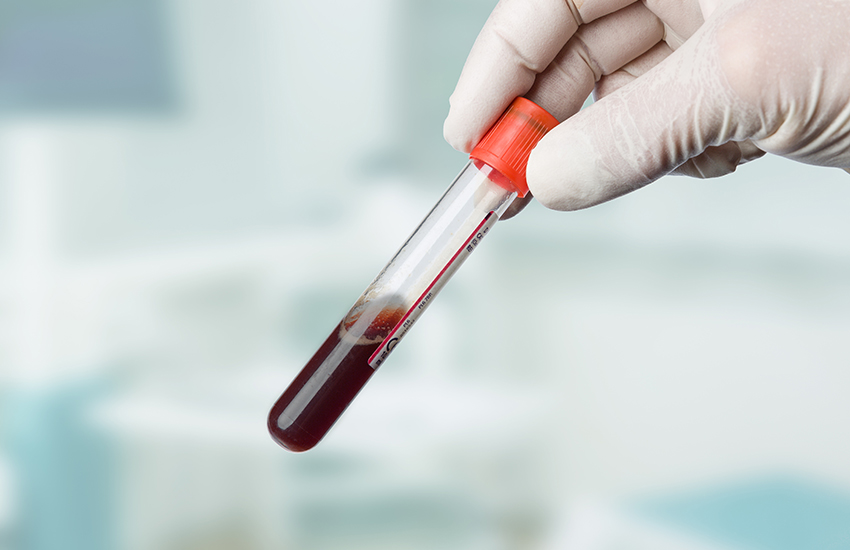
Figure 6: Regular Vitamin D checks and certain lifestyle measures can help you target and effectively optimise your Vitamin D supply.
How important Vitamin D is for our health should have become clear over the course of this article. But how can you ensure adequate Vitamin D intake in everyday life and what should you consider when taking Vitamin D supplements? The following 9 tips can help simplify and optimise your Vitamin D supply.
- Replenish your Vitamin D stores in summer: Without the UV‑B radiation of the sun the body cannot produce Vitamin D. At the same time, UV damage from excessive sun exposure should be avoided. The most important rule for healthy sunbathing is therefore: short, but regular. Check the current UV index in advance to estimate how long sun exposure should last and when you need UV protection. Depending on skin type and time of day, five to at most twenty‑minute sunbaths are recommended. These should take place outdoors, because UV‑B radiation does not penetrate glass (e.g. car windows or closed windows).
- Have your Vitamin D level measured: To check your Vitamin D status, you can have a 25‑hydroxy‑Vitamin D test carried out by your GP. The blood test result will indicate whether supplementation is necessary in your case. In these latitudes, taking supplements in winter is a sensible option for most people. Especially during long winters, Vitamin D stores in fat tissue can be rapidly depleted.
- Consider supplementing already in autumn: Since many people in central Europe do not spend enough time outdoors in spring and summer to optimally fill Vitamin D stores before the dark season, taking Vitamin D supplements is often advisable from autumn onwards. Many experts explicitly recommend starting Vitamin D supplementation in autumn, as it can also support the immune system.[17]
- Establish good weight management: Overweight people are much more likely to have Vitamin D deficiency than people of normal weight. This is mainly because Vitamin D is stored in fat tissue. In people with a higher body fat percentage, Vitamin D is almost exclusively "sequestered" in fat tissue and hardly circulates in the blood, which results in a lower measurable Vitamin D level. Once body fat mass is reduced, Vitamin D levels often normalise.
- Always take Vitamin D with some fat: As a fat‑soluble vitamin, Vitamin D should always be taken with some fat, although small amounts of fat are sufficient for absorption. It is advisable to take Vitamin D with or after a (fat‑containing) meal.
- Use gentle cooking methods: Although Vitamin D is relatively heat‑stable, cooking methods such as baking, frying or boiling can reduce the Vitamin D content in foods. Try to prepare meals as gently as possible, for example by steaming fish rather than frying it for a long time.
- Dry mushrooms for winter: Many mushroom varieties (e.g. button mushrooms, oyster mushrooms or porcini) contain ergosterol, which is converted to Vitamin D by UV‑B radiation. A simple way to increase the Vitamin D content of mushrooms is to slice them in summer and place them in direct sunlight with the gill side up. Depending on thickness, wait three to eight hours until the mushrooms are completely dry. In winter you can use the dried mushrooms as powder in sauces, risottos, soups or as a topping.
- Combine Vitamin D sensibly: Always take Vitamin D together with Vitamin K2. The combination of Vitamin D and magnesium is also generally sensible. 200 to 300 milligrams of magnesium per day is considered a usual dose for healthy adults.
- Check for possible interactions with medications: If you are taking medicines, check before taking Vitamin D supplements whether interactions are possible. Certain drugs (e.g. antiepileptics, corticosteroids, cholesterol‑lowering agents, HIV medications) can impair Vitamin D absorption. If in doubt, always seek medical advice before starting concurrent Vitamin D supplementation.
Disclaimer
This article does not replace treatment by a qualified therapist. The basis of this article is studies and current literature. It must not be used for self‑diagnosis or self‑treatment. Discuss any ideas from this article with a therapist you trust where appropriate.
Biographical
Katharina Korbach regularly writes blog posts about medicinal plants and natural active ingredients for the Narayana Verlag. She was interested in language early on and began writing her own literary texts. A serious illness during her final school years led to an intensive engagement with health and nutrition topics that continues to this day. After repeated failures of conventional medical treatments, she opted for a more self‑effective, naturopathic therapeutic approach. A plant‑based diet was an important key on her path to recovery.
Katharina studied cultural studies (B.A.) and applied literary studies (M.A.). In 2022 she published her debut novel "Sperling" with Berlin Verlag. She now lives in Berlin as a freelance author, medical editor and lecturer. In her free time she enjoys being with friends or doing barre training. She also loves to travel and try out new vegan recipes.
[1] Madadi R, Bakhshaei S, Tavasol A, Gorjizad M, Hemmati R, Zangi M. Assessment of the Relationship Between Serum Vitamin D Level and Its Cardiovascular Outcomes: A Systematic Review and Meta-analysis Study. J Saudi Heart Assoc. 2025 Jun 1. https://pubmed.ncbi.nlm.nih.gov/40589501/.
[2] Zhao SS, Mason A, Gjekmarkaj E, Yanaoka H, Burgess S. Associations between vitamin D and autoimmune diseases: Mendelian randomization analysis. Semin Arthritis Rheum. 2023 Oct. https://pmc.ncbi.nlm.nih.gov/articles/PMC7614794/.
[3] Ronaldson A, Arias de la Torre J, Gaughran F, Bakolis I, Hatch SL, Hotopf M, Dregan A. Prospective associations between vitamin D and depression in middle-aged adults: findings from the UK Biobank cohort. Psychol Med. 2022 Jul. https://pmc.ncbi.nlm.nih.gov/articles/PMC9340850/.
[4] DGE (2025): Selected questions and answers on Vitamin D. https://www.dge.de/gesunde-ernaehrung/faq/vitamin-d/ (accessed: 08.12.2025).
[5] Logan VF, Gray AR, Peddie MC, Harper MJ, Houghton LA. Long-term vitamin D3 supplementation is more effective than vitamin D2 in maintaining serum 25-hydroxyvitamin D status over the winter months. Br J Nutr. 2013 Mar 28. https://pubmed.ncbi.nlm.nih.gov/23168298/.
[6] Jones G. Extrarenal vitamin D activation and interactions between vitamin D?, vitamin D?, and vitamin D analogs. Annu Rev Nutr. 2013;33:23-44. doi: 10.1146/annurev-nutr-071812-161203. Epub 2013 Apr 29. https://pubmed.ncbi.nlm.nih.gov/23642201/.
[7] EFSA NDA Panel (EFSA Panel on Dietetic Products, Nutrition and Allergies). Scientific Opinion on the substantiation of health claims related to vitamin D. EFSA Journal 2009. https://efsa.onlinelibrary.wiley.com/doi/10.2903/j.efsa.2009.1227 (accessed: 08.12.2025).
[8] Johnson CR, Thacher TD. Vitamin D: immune function, inflammation, infections and auto-immunity. Paediatr Int Child Health. 2023 Nov. https://pubmed.ncbi.nlm.nih.gov/36857810/.
[9] Stockton KA, Mengersen K, Paratz JD, Kandiah D, Bennell KL. Effect of vitamin D supplementation on muscle strength: a systematic review and meta-analysis. Osteoporos Int. 2011 Mar. https://pubmed.ncbi.nlm.nih.gov/20924748/.
[10] Han L, Xu XJ, Zhang JS, Liu HM. Association between Vitamin D Deficiency and Levels of Renin and Angiotensin in Essential Hypertension. Int J Clin Pract. 2022 Jun 10. https://pubmed.ncbi.nlm.nih.gov/35814306/.
[11] BfR (2016): BfR concept for the fortification of foods with Vitamin D. https://www.bfr.bund.de/cm/343/bfr-konzept-zur-anreicherung-von-lebensmitteln-mit-vitamin-d.pdf (accessed: 10.12.2025).
[12] Uwitonze AM, Razzaque MS. Role of Magnesium in Vitamin D Activation and Function. J Am Osteopath Assoc. 2018 Mar 1. https://pubmed.ncbi.nlm.nih.gov/29480918/.
[13] Dai Q, Zhu X, Manson JE, Song Y, Li X, Franke AA, Costello RB, Rosanoff A, Nian H, Fan L, Murff H, Ness RM, Seidner DL, Yu C, Shrubsole MJ. Magnesium status and supplementation influence vitamin D status and metabolism: results from a randomized trial. Am J Clin Nutr. 2018 Dec 1. https://pubmed.ncbi.nlm.nih.gov/30541089/.
[14] RKI (2024): Study on the health of adults in Germany. https://www.rki.de/DE/Themen/Nichtuebertragbare-Krankheiten/Studien-und-Surveillance/Studien/DEGS/BGBl_2012_55_775-780.pdf (accessed: 10.12.2025).
[15] DGE (2025): Selected questions and answers on Vitamin D. https://www.dge.de/gesunde-ernaehrung/faq/vitamin-d/ (accessed: 10.12.2025).
[16] EFSA (2016): Dietary reference values for vitamin D. https://efsa.onlinelibrary.wiley.com/doi/10.2903/j.efsa.2016.4547 (accessed: 11.12.2025).
[17] Petersen RA, Damsgaard CT, Dalskov SM, Sørensen LB, Hjorth MF, Ritz C, Kjølbæk L, Andersen R, Tetens I, Krarup H, Astrup A, Michaelsen KF, Mølgaard C. Vitamin D status and its determinants during autumn in children at northern latitudes: a cross-sectional analysis from the optimal well-being, development and health for Danish children through a healthy New Nordic Diet (OPUS) School Meal Study. Br J Nutr. 2016 Jan 28. https://pubmed.ncbi.nlm.nih.gov/26563915/.
Figure 1: Mimka/shutterstock.com ; Figure 2: Pixel‑Shot/shutterstock.com ; Figure 3: KieferPix/shutterstock.com ; Figure 4: beats1/shutterstock.com ; Figure 5: bangoland/shutterstock.com ; Figure 6: StudioLaMagica/shutterstock.com
08.01.2026

